Whistle How: An Evidence-Based Guide for Patients

Whistling usually depends on a small lip opening, correct tongue position, and steady airflow. Many people learn by trial and error, and some need more time because of natural differences in lip shape, teeth, or tongue movement.
Key Takeaways
- Whistling usually depends on a small lip opening, correct tongue position, and steady airflow.
- Many people learn by trial and error, and some need more time because of natural differences in lip shape, teeth, or tongue movement.
- Trouble whistling is not usually a medical problem by itself, but sudden changes can matter if speech, swallowing, facial movement, or breathing are also affected.
- Dry mouth, nasal congestion, dental changes, and mouth pain can interfere with whistling.
- Medical care is important if difficulty whistling comes with facial weakness, numbness, voice changes, or new trouble eating or speaking.
Whistle how can be answered simply: most people whistle by shaping the lips and tongue into a small opening and directing steady air so it vibrates at the edge of the mouth. If a person cannot whistle, the reason is often harmless technique or anatomy, but sometimes dental, oral, breathing, or nerve problems can make whistling difficult.
What “whistle how” means
When people ask “whistle how,” they usually want a clear explanation of how whistling works and why some people find it easy while others do not. In simple terms, whistling happens when air is pushed through a small opening created by the lips or fingers, then shaped by the tongue, teeth, and mouth cavity to produce a tone.
For many people, learning to whistle is a skill rather than a sign of health or illness. It often takes repeated practice to discover the lip shape and airflow that create sound. Some people whistle naturally in childhood, while others never quite find the right technique despite having no medical problem.
That said, the ability to whistle can be influenced by the mouth, nose, throat, teeth, and facial muscles. A new inability to whistle, especially if it appears suddenly or along with other symptoms, may sometimes reflect an underlying issue worth discussing with a doctor or dentist.
How whistling works in the body
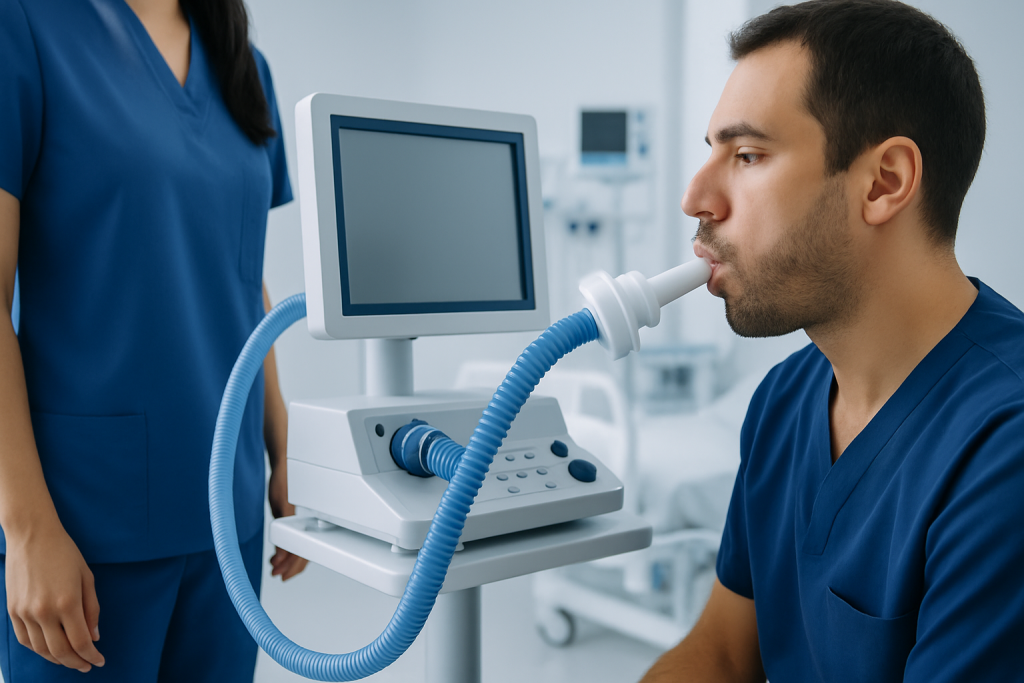
Whistling is a controlled airflow skill. The lips create a narrow opening, and the tongue helps shape the space inside the mouth. As air passes through, it forms a sound wave. Small changes in lip tension, jaw position, and tongue placement can change the pitch or make the sound disappear.
The body structures involved are not limited to the lips alone. Teeth affect how air moves forward, saliva keeps tissues moist enough for smooth control, and the soft palate and throat contribute to airflow direction. Nasal congestion can also make it harder for some people to coordinate breath and mouth position comfortably.
Facial muscles play an important role. Muscles around the mouth help purse the lips and maintain the tiny opening needed for a whistle. Nerves that control facial movement, especially the facial nerve, must work normally for precise lip control. This is one reason a sudden change in whistling ability can occasionally provide a clue to a broader problem.
Breathing matters as well. Most whistling uses gentle, steady exhalation. If airflow is too strong, too weak, or inconsistent, the sound may break or not start at all. People with mouth dryness, fatigue, or breathing discomfort may notice that whistling becomes more difficult.
Why some people can whistle easily and others cannot

There is no single “right” mouth shape that works for everyone. Natural variation in lip fullness, bite alignment, tooth position, tongue mobility, and jaw shape can change how easy it is to whistle. This helps explain why one person can learn in minutes while another needs much longer.
Practice style also matters. Many beginners blow too hard, spread the lips too wide, or hold the tongue too flat. Often, a softer breath and a smaller opening work better. Finding the correct position is partly sensory learning, which is why verbal instructions alone do not always lead to immediate success.
Temporary factors can also interfere. Dry lips, dehydration, a mouth ulcer, recent dental work, or a stuffy nose may make whistling harder for a few days. In children, changing teeth and jaw growth can alter mouth control and sound production over time.
Some people have conditions that affect oral movement or facial muscle coordination. For example, nerve-related facial weakness, jaw disorders, or oral structural problems may interfere with whistling as well as speech or eating. If other symptoms are present, evaluation may be useful.
Common non-medical and medical reasons for trouble whistling
In most cases, trouble whistling is not caused by disease. The most common reasons are simple technique differences, limited practice, dry mouth, chapped lips, nasal blockage, or recent changes in dental alignment. Anxiety can also make it harder to control airflow smoothly.
Dental and oral issues may play a role. Missing teeth, ill-fitting dentures, jaw discomfort, mouth sores, or changes after orthodontic treatment can alter how air moves through the mouth. If dental pain or bite changes are noticeable, a dental assessment may help.
Ear, nose, and throat problems can contribute too. Chronic nasal obstruction, enlarged tonsils, oral swelling, or throat discomfort may make airflow coordination more difficult. In some cases, persistent nose or throat symptoms should be assessed by an ENT specialist, especially when they affect breathing, sleep, or speech. Related problems such as sinusitis may also contribute to mouth breathing and poor airflow control.
More rarely, difficulty whistling may be linked to facial nerve or brain-related problems, particularly if the change is sudden. Facial weakness, drooping, slurred speech, numbness, or trouble closing one eye are more important than the loss of whistling itself and may require prompt medical attention. Evaluation may include neurologic assessment and, when needed, MRI scanning to look for underlying causes.
A practical way to learn how to whistle
A patient-friendly approach is to think of whistling as a coordination exercise. First, the lips are gently pursed as if saying “oo,” leaving a very small central opening. Then the tongue is relaxed but slightly raised, and a soft, steady stream of air is blown out. If no sound appears, the person can make small adjustments to lip tightness and tongue position rather than blowing harder.
Many learners do better when they moisten the lips lightly, relax the jaw, and aim for a quiet, focused breath. A mirror can help them see whether the lip opening is too wide. Moving the tongue slightly backward or forward by a few millimeters may change the sound significantly.
It often helps to practice for short periods rather than forcing the effort. Over-practicing can dry the lips and cause frustration. If the mouth becomes sore, stopping and trying again later is usually more effective than continuing.
People with braces, dentures, or recent dental treatment may need extra time to adapt. If there is persistent pain, jaw clicking, or a sense that the teeth no longer meet comfortably, it is reasonable to seek advice before continuing intensive practice.
When trouble whistling may need evaluation
Most difficulty whistling does not require medical testing. However, evaluation becomes more relevant when the change is new, clearly different from a person’s usual ability, or associated with other symptoms. Doctors usually focus less on the whistle itself and more on what else is happening with facial movement, speech, swallowing, breathing, or oral comfort.
A clinician may ask about dental changes, recent illness, injuries, sinus symptoms, mouth dryness, facial weakness, and medications. Examination may include the lips, tongue, teeth, jaw, palate, and cranial nerves. If there are speech or swallowing concerns, referral to an ENT specialist, neurologist, dentist, or speech-language therapist may be appropriate.
Depending on the findings, tests might include a dental evaluation, hearing and ENT assessment, or imaging. If a structural issue in the mouth, nose, or throat is suspected, endoscopy may sometimes be used to examine the area. If facial weakness suggests a nerve problem such as Bell’s palsy, treatment will focus on the underlying condition rather than on whistling itself.
When to seek medical care
Medical care is advisable if difficulty whistling appears suddenly or is accompanied by facial drooping, slurred speech, numbness, severe headache, double vision, or trouble swallowing. These symptoms can point to a neurologic problem and should not be ignored.
A doctor or dentist should also be consulted if there is ongoing mouth pain, jaw locking, ulcers that do not heal, major bite changes, or trouble eating and speaking. Persistent nasal blockage, mouth breathing, or throat symptoms also deserve assessment if they interfere with daily life.
If the concern is mainly technique and there are no other symptoms, reassurance and simple practice are usually enough. Near the end of the care pathway, some people benefit from assessment by specialists in ENT, dentistry, neurology, or rehabilitation. Acibadem International’s multidisciplinary specialists and JCI-accredited hospitals diagnose and treat related oral, facial, ENT, and neurologic conditions for international patients, with testing that may include CT scan or specialist consultation when clinically needed.
Frequently asked questions
Is not being able to whistle normal?
Yes. Many people cannot whistle easily, and this is often related to technique, practice, or natural differences in lip and mouth shape rather than illness. If there are no other symptoms, it is usually not a health concern.
Can dental work affect whistling?
Yes, it can. Braces, dentures, tooth loss, implants, or other dental changes may alter the way air moves through the mouth and may temporarily affect whistling. If the change is persistent or uncomfortable, a dental review may help.
Why did I suddenly stop being able to whistle?
A sudden change can happen for simple reasons such as dry mouth, mouth pain, congestion, or recent dental treatment. However, if it comes with facial weakness, speech changes, numbness, or swallowing problems, prompt medical evaluation is important.
Does whistling ability say anything about lung health?
Not usually. Whistling depends more on lip shape, tongue position, and airflow control than on lung strength alone. Still, breathing discomfort or severe nasal blockage can make whistling harder.
Can children learn to whistle later than others?
Yes. Children develop oral coordination at different rates, and some only learn after their teeth and mouth shape change with growth. Delayed whistling alone is not generally a sign of a problem.
Should a person see a doctor or a dentist for trouble whistling?
It depends on the other symptoms. Mouth pain, bite changes, or dental devices may point more toward a dentist, while facial weakness, speech changes, congestion, or swallowing symptoms may be better assessed by a doctor or ENT specialist.
This article is for general information only and is not a substitute for professional medical advice. Please consult a qualified doctor about your individual situation.
Explore treatments in Turkey — costs, top hospitals & a free quote
JCI-accredited · board-certified surgeons · reply within 24h
Add us as a Preferred Source to see more of our trusted health content across Google Search, AI Overviews and Discover.

More from the Health Library

Understanding Mammogram Results and Follow-Up Care

Crepitus: An Evidence-Based Guide for Patients

Dysmenorrhea: What Patients Need to Know

Ginkgo Biloba Benefits: An Evidence-Based Guide for Patients

Alkaline Phosphatase — Explained by Medical Evidence, Not Myths