Dysmenorrhea: What Patients Need to Know

Dysmenorrhea refers to painful periods and can be primary or secondary. Primary dysmenorrhea is usually linked to uterine contractions and often starts in adolescence.
Key Takeaways
- Dysmenorrhea refers to painful periods and can be primary or secondary.
- Primary dysmenorrhea is usually linked to uterine contractions and often starts in adolescence.
- Secondary dysmenorrhea may be caused by conditions such as endometriosis, fibroids, or adenomyosis.
- Treatment may include lifestyle measures, pain relief medicines, hormonal therapy, and treatment of the underlying cause.
- Medical review is important if period pain is new, worsening, severe, or affects daily life.
Dysmenorrhea means painful menstrual periods, most often felt as cramping in the lower abdomen before or during bleeding. It is common, and while many cases are manageable with self-care and medication, persistent or severe pain should be evaluated to look for an underlying cause.
Overview: what dysmenorrhea means
Dysmenorrhea is the medical term for painful menstrual periods. It usually causes cramping pain in the lower abdomen, but it can also lead to aching in the lower back, discomfort in the thighs, nausea, fatigue, headache, or loose stools. For many people, the pain begins shortly before bleeding starts and improves over the first one to three days of the period.
Doctors often divide dysmenorrhea into two types. Primary dysmenorrhea is period pain that is not caused by another pelvic disease. It is thought to result from natural chemicals called prostaglandins, which trigger uterine contractions. Secondary dysmenorrhea is period pain caused by an underlying condition, such as endometriosis or fibroids.
This distinction matters because the pattern of symptoms, age at onset, and response to treatment can help guide care. A person who has had painful periods since the teenage years may have a different cause than someone who develops new period pain later in adulthood after previously comfortable cycles.
Symptoms and how they can affect daily life
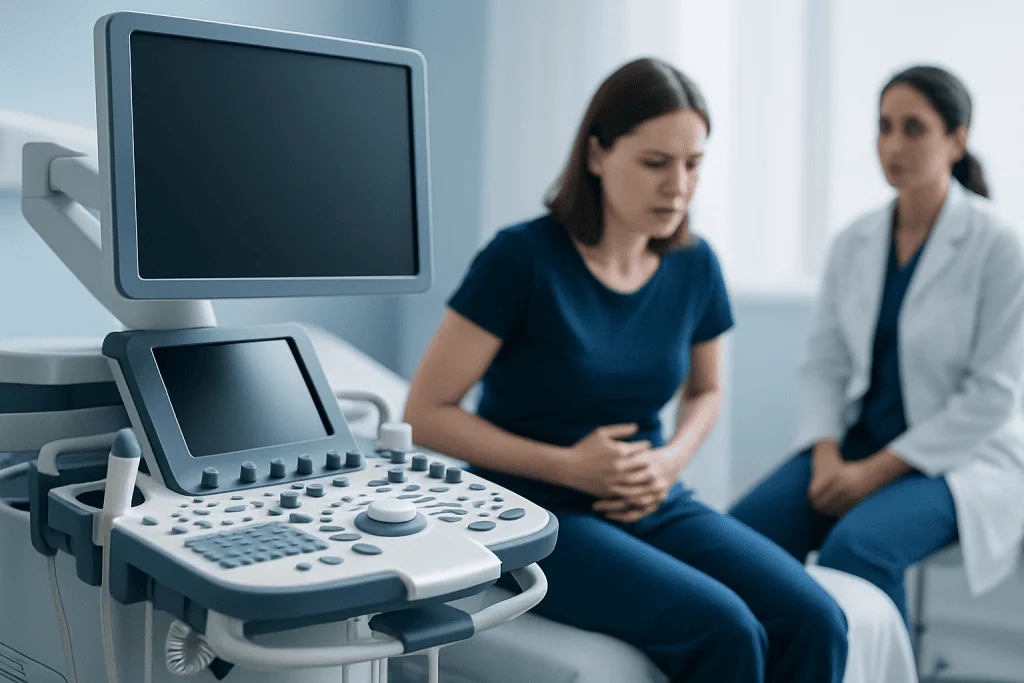
The main symptom of dysmenorrhea is cramping pelvic pain during menstruation. Some people describe it as waves of squeezing pain, while others notice a steady ache or pressure. The discomfort may stay in the lower abdomen or spread to the lower back and upper legs.
Other symptoms can occur at the same time because the same body chemicals that affect the uterus may also affect the intestines and blood vessels. These symptoms may include:
- nausea or vomiting
- diarrhea or loose bowel movements
- headache
- dizziness
- tiredness
- bloating
Dysmenorrhea can also affect sleep, concentration, school attendance, work performance, exercise, and social activities. If painful periods regularly interrupt daily routines or require frequent missed activities, it is reasonable to discuss this with a doctor rather than assuming it must simply be tolerated.
Causes and risk factors

In primary dysmenorrhea, the uterus produces higher levels of prostaglandins around menstruation. These substances help the uterine lining shed, but they also cause stronger contractions and temporarily reduce blood flow to uterine tissue, which can trigger cramping pain. This type of pain often begins within a few years of the first menstrual period and may improve with age or after pregnancy for some people.
Secondary dysmenorrhea has an underlying cause. Common examples include endometriosis, adenomyosis, uterine fibroids, pelvic inflammatory disease, congenital differences in the uterus, or, less commonly, narrowing of the cervix. Pain from secondary causes may begin earlier in the cycle, last longer than typical cramps, worsen over time, or occur with heavy bleeding, pain during sex, or fertility concerns.
Factors that can make dysmenorrhea more likely or more noticeable include younger age, early onset of menstruation, heavy menstrual bleeding, smoking, stress, and a family history of painful periods. These factors do not confirm a diagnosis, but they can help explain why one person experiences more severe symptoms than another.
How doctors diagnose dysmenorrhea
Diagnosis begins with a careful history. A doctor will ask when the pain started, where it is felt, how long it lasts, how severe it is, whether it changes from cycle to cycle, and whether there are other symptoms such as heavy bleeding, irregular periods, pain during intercourse, bowel or bladder symptoms, or difficulty becoming pregnant. A menstrual diary can be very helpful because it shows timing and patterns over several months.
A physical and pelvic examination may be recommended depending on the person’s age, sexual history, and symptoms. In some cases, especially when secondary dysmenorrhea is suspected, imaging tests such as pelvic ultrasound can help look for fibroids, ovarian cysts, adenomyosis, or other structural causes. If the cause remains unclear but symptoms suggest a condition like endometriosis, a gynecology specialist may advise further evaluation.
Doctors also consider other causes of pelvic or abdominal pain, such as gastrointestinal, urinary, or musculoskeletal conditions. The goal is not only to label the pain as dysmenorrhea, but to determine whether it is primary or secondary so treatment can be tailored appropriately.
Treatment options and pain relief
Treatment for dysmenorrhea depends on the likely cause, the person’s age, whether pregnancy is desired, and how much symptoms affect daily life. For many with primary dysmenorrhea, nonsteroidal anti-inflammatory drugs, often called NSAIDs, are commonly used because they reduce prostaglandin production. Hormonal methods such as birth control pills, patches, rings, injections, implants, or hormonal intrauterine systems may also help by reducing ovulation, menstrual flow, or both.
Self-care measures can also be useful alongside medical treatment. A heating pad or hot water bottle on the lower abdomen, regular physical activity, adequate sleep, stress reduction, and stopping smoking may help ease symptoms. Some people benefit from trying a combination of approaches rather than relying on one method alone.
When dysmenorrhea is caused by another condition, treatment focuses on that cause. Depending on the diagnosis, a doctor may discuss options such as gynecology evaluation and management, hormonal therapy, or procedures and surgery. If fibroids are contributing to pain and heavy bleeding, treatment may include monitoring, medicines, or uterine fibroid embolization in selected cases. If symptoms suggest adenomyosis or severe pelvic disease, referral to a specialist is often appropriate.
If symptoms do not improve with first-line treatment, follow-up is important. Persistent pain should prompt a review of the diagnosis, treatment timing, medication side effects, and the possibility of a secondary cause. In complex cases, multidisciplinary care can be helpful, and Acibadem International’s multidisciplinary specialists in JCI-accredited hospitals evaluate and treat gynecologic conditions for international patients.
Prevention and self-care during the menstrual cycle
Not every case of dysmenorrhea can be prevented, but some habits may reduce symptom intensity or improve recovery each month. Keeping track of the menstrual cycle, pain level, flow, and associated symptoms can help identify patterns and guide treatment decisions. This record is also useful during medical appointments because it shows whether symptoms are stable, worsening, or changing in character.
Supportive self-care often includes:
- using local heat on the lower abdomen or back
- staying active with regular, moderate exercise
- maintaining hydration and regular meals
- sleeping enough and managing stress
- avoiding smoking
- taking prescribed or recommended medicines as directed, especially at the start of symptoms
It is also helpful to know that severe period pain is not something a person must simply accept. If self-care is not enough, discussing symptoms early may lead to more effective relief and, when needed, identification of an underlying condition before it causes further disruption.
When to seek medical care
Medical review is recommended if period pain is severe, suddenly worsens, starts for the first time after years of mild periods, or interferes with school, work, sleep, or normal activity. It is also important to seek care if there is very heavy bleeding, bleeding between periods, fever, unusual vaginal discharge, fainting, pelvic pain outside the menstrual period, or pain during intercourse.
Urgent medical attention may be needed if pelvic pain is intense and unusual, especially if it comes with fever, vomiting, severe weakness, or concern about pregnancy. These symptoms can point to problems other than routine menstrual cramps and should not be ignored.
A gynecologist can help determine whether symptoms fit primary dysmenorrhea or suggest a condition that needs additional treatment. In some cases, further management may include endometriosis treatment or a broader women’s health evaluation if symptoms overlap with other pelvic disorders.
Frequently asked questions
Is dysmenorrhea the same as normal menstrual cramps?
Dysmenorrhea is the medical term for painful menstrual cramps. Mild cramping can be a common part of menstruation, but dysmenorrhea usually refers to pain significant enough to be noticeable, distressing, or disruptive. Doctors use the term to describe both common primary period pain and pain caused by an underlying condition.
What is the difference between primary and secondary dysmenorrhea?
Primary dysmenorrhea is period pain without another pelvic disease and is usually linked to prostaglandins and uterine contractions. Secondary dysmenorrhea is period pain caused by an underlying problem such as endometriosis, fibroids, adenomyosis, or infection. The timing of symptoms and associated features often help doctors tell them apart.
Can dysmenorrhea get worse over time?
Yes, it can. Primary dysmenorrhea may stay similar from cycle to cycle, but if pain becomes stronger, lasts longer, or starts between periods, doctors may look for a secondary cause. New or changing symptoms deserve medical attention, especially if they affect daily life.
When should someone worry about painful periods?
Painful periods should be assessed if they are severe, stop someone from usual activities, do not improve with basic treatment, or are associated with heavy bleeding, fever, unusual discharge, or pain outside menstruation. Sudden severe pelvic pain should be evaluated promptly. It is always reasonable to seek advice if symptoms feel different from usual.
Can dysmenorrhea affect fertility?
Primary dysmenorrhea itself does not usually cause infertility. However, some conditions behind secondary dysmenorrhea, especially endometriosis or pelvic inflammatory disease, may affect fertility. This is one reason persistent or severe period pain should be properly evaluated.
How is dysmenorrhea usually treated?
Treatment often starts with anti-inflammatory pain medicines, heat, and practical self-care measures. Hormonal treatments may be recommended when appropriate, especially if symptoms are recurrent or strong. If an underlying condition is found, treatment is directed at that cause.
References
- American College of Obstetricians and Gynecologists
- National Institute for Health and Care Excellence
- Merck Manual
- Mayo Clinic
- World Health Organization
This article is for general information only and is not a substitute for professional medical advice. Please consult a qualified doctor about your individual situation.
Persistent digestive symptoms? Get evaluated in Turkey
JCI-accredited · board-certified surgeons · reply within 24h
Add us as a Preferred Source to see more of our trusted health content across Google Search, AI Overviews and Discover.