Why Can’T You Wear Deodorant Before Surgery: Procedure, Recovery and Results

Avoid deodorant, lotions, perfume, makeup and powders on the day of surgery unless the care team says otherwise. Two preoperative showers may be recommended to lower the number of germs on the skin before an operation.
Key Takeaways
- Avoid deodorant, lotions, perfume, makeup and powders on the day of surgery unless the care team says otherwise.
- Two preoperative showers may be recommended to lower the number of germs on the skin before an operation.
- Surgical drapes protect privacy while keeping the planned treatment area accessible and sterile.
- Bras and other undergarments may need to be removed because they can interfere with monitoring, positioning or access to the surgical area.
- Patients should contact their surgical team before the procedure if they have skin irritation, a rash, fever, illness or uncertainty about preparation instructions.
Patients are usually asked not to wear deodorant before surgery because it may leave residue on the skin, reduce the effectiveness of antiseptic preparation, or interfere with adhesive monitoring pads. Instructions vary by procedure and hospital, so the surgical team's guidance should always take priority.
Overview: Why Can't You Wear Deodorant Before Surgery?
Why can’t you wear deodorant before surgery? Deodorant, antiperspirant and other personal-care products can leave a film on the skin that may affect cleansing with surgical antiseptics, reduce the grip of monitoring stickers or interfere with access to the area being treated. For these reasons, many hospitals ask patients to arrive with clean, product-free skin.
This instruction is part of a broader plan to reduce infection risk and help the operating team monitor a patient safely. It does not mean deodorant itself is dangerous or that every operation has the same rules. The exact instructions depend on the procedure, the body area involved, the type of anaesthesia and the hospital’s policies.
Patients should read their preoperative information carefully and ask the surgical team if anything is unclear. In general, it is safest not to apply deodorant, antiperspirant, lotion, body oil, perfume, makeup, nail products or powder on the day of surgery unless specifically advised otherwise.
How Preoperative Skin Preparation Works
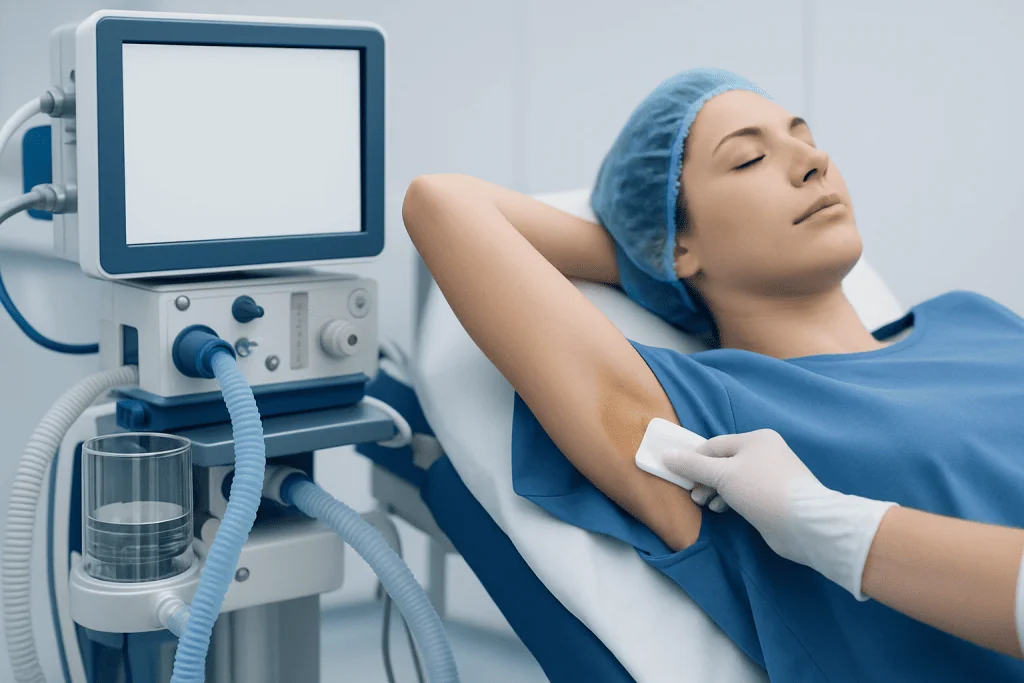
Skin naturally carries bacteria, even when it looks clean. Most bacteria are harmless in daily life, but bacteria entering an incision can contribute to a surgical site infection. Before an operation, staff use evidence-based steps to lower this risk, including hand hygiene, sterile equipment, hair removal only when necessary and antiseptic cleansing of the surgical area.
At home, patients may be instructed to bathe or shower using regular soap or a prescribed antiseptic wash. At the hospital, the team typically cleans the relevant skin area again with a surgical antiseptic. This process works best when the skin is free from cosmetics, creams, oils and other residues.
Deodorant can be particularly relevant for operations involving the breast, chest, shoulder, upper arm or underarm. It may also make it harder for adhesive electrodes, warming devices or surgical drapes to stay in place. The team will decide what preparation is appropriate for the individual procedure.
- Follow the written instructions provided by the hospital or surgeon.
- Use only products specifically approved by the surgical team.
- Do not shave the operation area unless instructed; shaving can irritate the skin or create tiny cuts.
- Tell staff about rashes, cuts, allergies or skin reactions before surgery.
Can I Really Not Wear Deodorant Before Surgery?

In most cases, patients should not wear deodorant before surgery if their preoperative instructions say to avoid it. This includes stick, spray, roll-on and cream products, as well as antiperspirants. Even a small amount may leave residue in the underarm area or on nearby skin.
There may be exceptions. For example, some procedures do not involve the upper body, and a care team may give different instructions based on the planned operation. However, patients should not assume an exception applies. Calling the pre-admission clinic or surgical office is the best way to receive advice tailored to the procedure.
If deodorant was applied by mistake, patients should tell the nurse on arrival rather than feel embarrassed or cancel the appointment without advice. Staff can assess the situation, clean the skin if needed and explain whether any change to the plan is necessary. Honest communication helps the team provide safe care.
Why Take Two Showers Before Surgery?
Some hospitals recommend two showers before surgery, commonly one the evening before and another on the morning of the procedure. The purpose is to reduce the amount of bacteria on the skin during the period leading up to the operation. This is one component of infection prevention, alongside sterile surgical techniques and appropriate wound care.
Patients may be asked to use ordinary soap or an antiseptic cleanser such as chlorhexidine, depending on their procedure and medical history. Antiseptic products should only be used as directed because they can irritate the skin or cause allergic reactions in some people. They should generally be kept away from the eyes, ears, mouth and genital area unless the care team gives different instructions.
After showering, patients should dry off with a clean towel and put on clean, loose clothing. Applying lotion, oil, perfume, deodorant or powder afterward may counteract the reason for skin preparation. Fresh bed linen may also be recommended in some preoperative plans.
What Happens on the Day of Surgery?
On arrival, the surgical team confirms the patient’s identity, planned procedure, medical history, medications, allergies and fasting status. A nurse may check vital signs and ask about the most recent shower, skin products, illness symptoms and any changes in health. The anaesthesia team discusses the anaesthetic plan and answers questions about comfort and safety.
Before entering the operating room, patients change into a hospital gown and remove jewellery, contact lenses, dentures when instructed, hearing aids when appropriate and removable accessories. Staff may place monitoring equipment such as electrocardiogram electrodes, a blood-pressure cuff and a finger oxygen monitor. These devices help the team observe heart rhythm, blood pressure and oxygen levels throughout the procedure.
In the operating room, the team positions the patient safely, protects pressure points and cleans the surgical site with antiseptic solution. Sterile drapes are then placed around the area. For patients undergoing an operation requiring specialised surgical care, surgical treatment planning includes detailed preparation, anaesthesia assessment and recovery guidance.
After the procedure, patients recover in a monitored area while the effects of anaesthesia lessen. The length of stay and recovery plan depend on the operation, anaesthesia, overall health and whether the procedure is performed on an outpatient or inpatient basis.
Do They Cover Your Privates During Surgery?
Yes. Patient dignity and privacy are important parts of surgical care. Patients are covered with a gown, sheets and sterile drapes whenever possible. Only the area needed for safe treatment, monitoring or positioning is uncovered, and exposure is kept to the minimum necessary.
For some operations, the surgical field may be near the groin, pelvis, abdomen, breast or buttock area. In those situations, staff may need access to nearby skin to prepare the site, position equipment or maintain a sterile field. This is done by trained professionals for clinical reasons, with privacy preserved as much as possible.
Patients who have concerns about modesty, cultural preferences, a history of trauma or the presence of particular staff members can discuss them before surgery. The care team can explain what to expect and make reasonable arrangements where possible. A chaperone or support person may be available in some clinical settings before anaesthesia begins.
Why Can't You Wear a Bra During Surgery?
A bra may need to be removed before surgery because it can restrict access to the chest, shoulders, back or upper body, especially if staff need to place monitoring electrodes, warming devices or intravenous lines. Metal components such as underwires, hooks or clasps may also be unsuitable in certain settings, including procedures using electrical surgical equipment.
Bras can create pressure points while a patient is lying still for a prolonged time and may become uncomfortable if swelling occurs. They can also interfere with sterile drapes or emergency access to the chest if rapid assessment is needed. For these reasons, patients usually wear a hospital gown rather than their own undergarments in the operating room.
After certain breast, chest or shoulder procedures, the surgeon may recommend a specific support garment. Patients should not bring or wear a postoperative bra unless it has been discussed with the team. The right garment, timing and duration of use differ according to the procedure and individual recovery needs.
Recovery, Benefits, Risks and When to Seek Medical Care
Following preoperative skin instructions can support a cleaner surgical environment, reliable monitoring and efficient preparation. These steps are simple but meaningful parts of a wider safety process. They cannot eliminate all surgical risks, but they help reduce avoidable factors that may complicate care.
Skin cleansers and adhesive monitors can occasionally cause redness, itching or irritation. Patients should inform staff about known allergies to antiseptics, adhesives, latex or medications. The team can select suitable alternatives when available and monitor the skin during and after the procedure.
When to seek medical care: Patients should contact the surgical team before surgery if they develop fever, cough, vomiting, diarrhoea, a new rash, open skin wound, signs of infection, or a significant change in their health. After surgery, urgent medical advice is appropriate for worsening redness or swelling around an incision, pus-like drainage, persistent fever, chest pain, breathing difficulty, uncontrolled pain, heavy bleeding or other symptoms specified in the discharge instructions.
Acibadem International’s multidisciplinary specialists and JCI-accredited hospitals support international patients with surgical assessment, treatment and follow-up planning. Patients should use the instructions from their own surgeon and anaesthesia team as the final guide for surgery preparation.
Frequently asked questions
What should I avoid putting on my body before surgery?
Unless the surgical team gives different instructions, patients should avoid deodorant, antiperspirant, perfume, lotion, body oil, powder and makeup on the day of surgery. These products can leave residue on the skin and may affect skin cleansing, surgical drapes or monitoring equipment. Clean skin and clean clothing are usually recommended.
Can I use deodorant after surgery?
This depends on the location and type of surgery. Deodorant should not be applied near an incision, drain, dressing or irritated skin until the surgeon confirms it is safe. For procedures involving the breast, chest, shoulder or underarm, the wait may be longer.
What happens if I accidentally wear deodorant to surgery?
Patients should tell the nurse or surgical team as soon as they arrive. Staff can decide whether the product can be removed and whether any additional skin preparation is needed. It is important not to hide this information, but it does not automatically mean surgery will be cancelled.
Do I need to shower on the morning of surgery?
Many hospitals advise a shower on the morning of surgery, but the instructions vary. Some patients are asked to use an antiseptic wash, while others should use regular soap. The written directions from the surgeon or preoperative clinic should be followed exactly.
Why do I have to remove jewellery and makeup before surgery?
Jewellery can interfere with positioning, monitoring and infection-control practices, while makeup may make it harder to assess natural skin colour and circulation. Nail polish or artificial nails can also affect some monitoring methods and may harbour germs. The team will explain what must be removed for the planned procedure.
Can I wear underwear during surgery?
Often, patients are asked to remove underwear and wear a hospital gown because it allows safe positioning, monitoring and access to the surgical area if needed. Sterile drapes and sheets are used to protect privacy. The care team will explain any procedure-specific requirements before the operation.
References
- World Health Organization
- Centers for Disease Control and Prevention
- American College of Surgeons
- Association of periOperative Registered Nurses
- National Institute for Health and Care Excellence
This article is for general information only and is not a substitute for professional medical advice. Please consult a qualified doctor about your individual situation.
Explore treatments in Turkey — costs, top hospitals & a free quote
JCI-accredited · board-certified surgeons · reply within 24h
Add us as a Preferred Source to see more of our trusted health content across Google Search, AI Overviews and Discover.