Children’s Endoscopy: Preparation, Procedure and Results

Children's endoscopy may involve an upper endoscopy, colonoscopy, or both, depending on the symptoms being investigated. Careful pediatric endoscopy preparation, especially fasting and bowel preparation when needed, supports a safe and accurate examination.
Key Takeaways
- Children's endoscopy may involve an upper endoscopy, colonoscopy, or both, depending on the symptoms being investigated.
- Careful pediatric endoscopy preparation, especially fasting and bowel preparation when needed, supports a safe and accurate examination.
- Most children are asleep or deeply sedated during the procedure and do not feel pain or remember it.
- Biopsies can be taken during endoscopy without causing pain and may help diagnose inflammation, allergies, infection or other conditions.
- Serious complications are uncommon, but families should understand warning signs after discharge and contact the care team if concerns arise.
Children's endoscopy is a procedure that lets a pediatric specialist view the lining of a child’s digestive tract using a thin flexible camera. It can help explain ongoing symptoms, obtain small tissue samples and guide treatment, usually with sedation or anesthesia so the child is comfortable.
Overview: what is children's endoscopy?
Children’s endoscopy is a diagnostic procedure in which a pediatric gastroenterologist uses a flexible tube with a tiny camera and light to look inside part of the digestive system. The camera sends images to a monitor, allowing the specialist to assess the oesophagus, stomach and first part of the small intestine during an upper endoscopy, or the large intestine during a colonoscopy.
The procedure may be recommended when symptoms are persistent, unexplained or affecting a child’s nutrition, growth or daily life. It can help identify irritation, bleeding, infection, structural differences and inflammatory conditions. During the examination, the doctor can collect very small tissue samples, called biopsies, for laboratory analysis; this is an important part of evaluation even when the lining looks normal.
Endoscopy is not automatically needed for every stomach ache, reflux symptom or bowel change. A pediatric clinician considers the child’s medical history, examination, growth pattern and earlier test results before deciding whether it is likely to provide useful information.
How it works and who may need a child endoscopy procedure
A children’s endoscopy procedure provides a direct view of the digestive tract that blood tests, stool tests and imaging cannot always provide. An upper endoscopy is commonly used to investigate swallowing difficulties, ongoing vomiting, unexplained upper abdominal pain, possible gastrointestinal bleeding, poor weight gain, persistent iron deficiency or concerns about conditions such as coeliac disease. It may also help assess inflammatory bowel disease when this is suspected.
A colonoscopy examines the rectum and colon. It may be considered for ongoing diarrhoea, blood in the stool, unexplained lower abdominal symptoms, elevated inflammatory markers, weight loss or suspected intestinal inflammation. In some cases, upper endoscopy and colonoscopy are performed during the same anesthesia session to give a fuller assessment.
Children may need an individualized plan if they have heart, lung, neurological or bleeding conditions, are taking regular medicines, or have had previous reactions to anesthesia. Parents or caregivers should share all medications, allergies, supplements and relevant health conditions with the team well before the appointment. The pediatric gastroenterologist, anesthesiologist and nursing staff will explain whether the benefits of endoscopy outweigh the possible risks for that child.
Pediatric endoscopy preparation: what families can expect
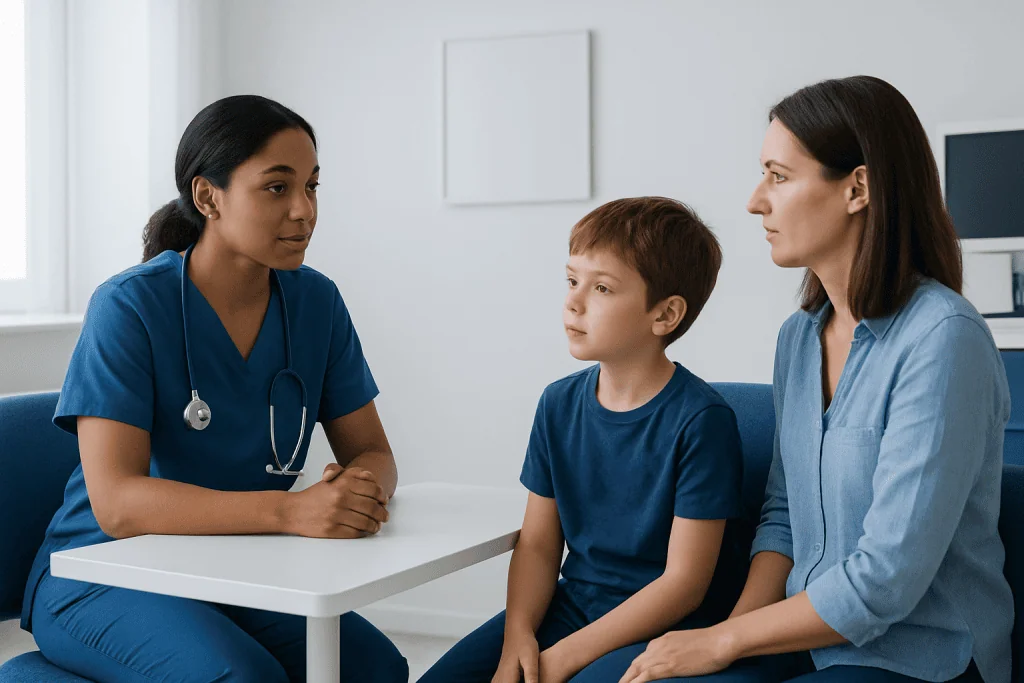
Pediatric endoscopy preparation starts with clear instructions from the hospital team. For an upper endoscopy, the child must usually stop eating and drinking for a specified period before anesthesia. This helps reduce the chance of vomiting and inhaling stomach contents while sedated. Families should follow the exact fasting times provided, as they can vary with the child’s age, health needs and the planned anesthesia.
For colonoscopy, pediatric endoscopy prep also includes clearing stool from the bowel. The child may be asked to follow a temporary diet adjustment and take a prescribed bowel-cleansing medicine. It is important to complete the preparation as instructed because remaining stool can obscure the lining of the bowel, reduce the accuracy of the test or mean that the procedure needs to be repeated.
Parents can help by explaining the visit in simple, honest language. It may be reassuring to say that doctors will use a small camera to look inside while the child is asleep, and that a parent or caregiver can usually stay until anesthesia begins. Bringing comfort items, such as a familiar toy or blanket, may also ease the hospital experience.
- Ask which usual medicines should be taken, delayed or stopped on the day.
- Tell the team about fever, cough, vomiting or other new illness before arrival.
- Arrange for a responsible adult to take the child home and supervise recovery.
- Bring prior test results and a current medication list if requested.
Step by step: what happens during children's endoscopy?
On arrival, the team confirms the child’s identity, symptoms, medical history, fasting status and consent. A nurse checks basic observations such as weight, temperature and vital signs. The pediatric gastroenterologist discusses the plan, and the anesthesia clinician reviews safety considerations and answers questions about sedation or general anesthesia.
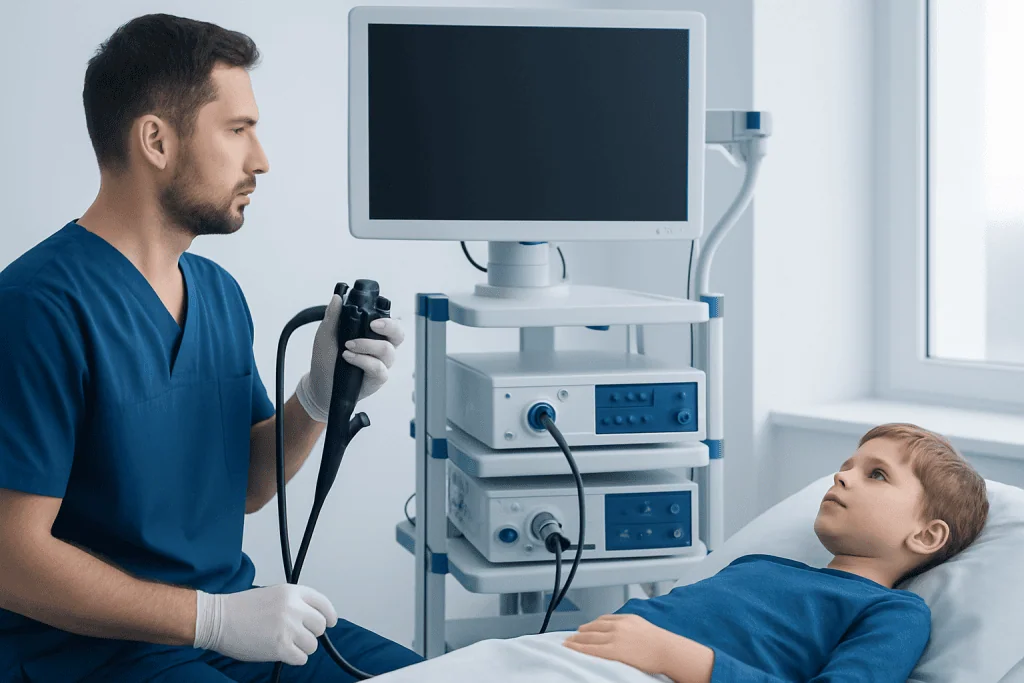
Most children have endoscopy under deep sedation or general anesthesia, so they are asleep and do not experience the examination. Monitoring equipment tracks breathing, heart rate, oxygen levels and blood pressure throughout. For an upper endoscopy, the endoscope is gently passed through the mouth into the upper digestive tract. For colonoscopy, it is passed through the anus into the rectum and colon. The scope does not block breathing.
The doctor may gently introduce air or carbon dioxide to improve visibility and may take biopsies or perform a small treatment if appropriate, such as controlling a minor source of bleeding or removing a polyp. These decisions are based on the findings and the consent discussion. The scope is then removed, and the child is moved to a recovery area for observation. Pediatric endoscopy evaluation is planned around the child’s needs, with anesthesia and specialist support throughout.
How long does an endoscopy on a child take?
The camera examination itself often takes about 15 to 30 minutes for an upper endoscopy and may take longer for a colonoscopy or a combined procedure. The exact duration depends on the area being examined, the quality of bowel preparation, whether biopsies are needed and whether the specialist finds anything that requires further assessment.
Families should allow several hours for the full visit. This includes admission, preparation, anesthesia assessment, the procedure and monitored recovery as the child wakes up. The care team can give a more tailored estimate in advance, particularly if the child has complex health needs or is scheduled for more than one procedure.
In many cases, children go home on the same day once they are awake enough, drinking when appropriate, comfortable and assessed as safe for discharge. Occasionally, an overnight stay is advised because of the child’s underlying condition, the reason for endoscopy or a need for additional monitoring.
Is endoscopy painful for kids?
Endoscopy is generally not painful for children during the procedure because sedation or general anesthesia is commonly used. The child is typically asleep or deeply sedated and should not be aware of the scope. Biopsies do not cause pain because the digestive lining does not feel cutting in the same way as the skin.
Afterward, some children may have a mild sore throat after upper endoscopy, or temporary bloating, gas and cramping after colonoscopy. These symptoms usually settle within hours to a day. The recovery team can advise on age-appropriate comfort measures and on when the child can restart food and drinks.
Anxiety before the appointment can be more difficult than physical discomfort for some children. Child-friendly explanations, calm caregiver support and, where available, play specialists can help children feel prepared without making promises about every aspect of the experience.
Results, child endoscopy recovery and potential risks
The doctor may share initial findings with the family after the procedure, once the child is recovering safely. If biopsies were taken, laboratory results take longer, often several days or more depending on the tests required. The clinician will explain what the findings mean, whether further tests are needed and what treatment or follow-up may be appropriate.
Child endoscopy recovery is usually straightforward. A child may be sleepy, irritable or less coordinated for the rest of the day after anesthesia. Quiet activities, close adult supervision and following the discharge instructions are important. Most children can return to their normal routine by the next day, unless the care team advises otherwise.
What are the potential risks associated with endoscopy in children? Endoscopy is generally safe when performed by experienced pediatric teams, but no procedure is entirely risk-free. Possible effects include nausea or a sore throat after anesthesia, bloating, minor bleeding after a biopsy and an incomplete examination. Rare but more serious complications include a reaction to anesthesia, significant bleeding, infection, aspiration or a tear (perforation) in the digestive tract; prompt medical assessment is needed if these are suspected.
Parents should follow the discharge plan and contact the treating team for ongoing vomiting, worsening abdominal pain, a swollen or rigid abdomen, fever, trouble breathing, difficulty swallowing, black stools, substantial rectal bleeding, unusual weakness or any symptom that feels concerning. At Acibadem International, multidisciplinary specialists in JCI-accredited hospitals can coordinate pediatric digestive assessment and treatment for international patients when needed.
What is a red flag for endoscopy and when to seek medical care?
A red flag for endoscopy is not one symptom alone, but a finding that suggests a child may need prompt specialist assessment. Examples include vomiting blood, black or bloody stools, difficulty or pain with swallowing, persistent vomiting, unexplained anemia, significant weight loss, slowed growth, chronic diarrhoea, severe recurrent abdominal symptoms or a strong concern for intestinal inflammation. These signs do not always mean a serious illness, but they should not be ignored.
Families should seek urgent medical care for severe abdominal pain, a child who is difficult to wake, breathing difficulty, repeated vomiting with inability to keep fluids down, signs of dehydration, heavy gastrointestinal bleeding or fainting. For less urgent but persistent concerns, an appointment with a pediatrician or pediatric gastroenterologist can help determine whether testing, observation, nutrition support or endoscopy is appropriate.
After an endoscopy, the treating team should be contacted promptly if recovery is not progressing as expected or if warning symptoms develop. Clear communication about symptoms, timing, medicines and the child’s ability to eat, drink and pass stool can help clinicians provide timely advice.
Frequently asked questions
What is the difference between an upper endoscopy and colonoscopy in children?
An upper endoscopy examines the oesophagus, stomach and first part of the small intestine through the mouth. A colonoscopy examines the rectum and large intestine through the anus. The child’s symptoms and test results help the specialist decide which procedure, or whether both, may be useful.
Can parents stay with their child before endoscopy?
Many hospitals allow a parent or caregiver to stay with the child during admission and until the anesthesia process begins. Local policies and clinical circumstances can vary. The team will explain where caregivers can wait during the procedure and when they can rejoin the child in recovery.
Why are biopsies taken if the endoscopy looks normal?
Some digestive conditions cause changes that are visible only under a microscope. Small biopsies may help identify inflammation, infection, allergy-related changes or coeliac disease. Taking these samples is routine in selected situations and does not usually add discomfort for the child.
What can a child eat after an endoscopy?
The care team will give individual instructions based on the procedure and the child’s recovery from anesthesia. Many children start with small amounts of clear fluids and then return to regular food as tolerated. A child who had a throat procedure, treatment during endoscopy or persistent nausea may need a different plan.
How soon will biopsy results be available?
The endoscopist can often discuss what was seen on the day, but biopsy analysis takes additional time. Results may be available in several days or longer if special laboratory testing is required. The clinic will explain how the family will receive results and what follow-up is recommended.
Can a child return to school after endoscopy?
Most children need the remainder of the procedure day to rest because anesthesia can cause sleepiness and reduced coordination. If they are eating, drinking and feeling well, many can return to school or usual activities the next day. The treating team may recommend more time away if treatment was performed or symptoms continue.
References
- North American Society for Pediatric Gastroenterology, Hepatology and Nutrition
- European Society for Paediatric Gastroenterology Hepatology and Nutrition
- American Society for Gastrointestinal Endoscopy
- National Institute of Diabetes and Digestive and Kidney Diseases
This article is for general information only and is not a substitute for professional medical advice. Please consult a qualified doctor about your individual situation.
Persistent digestive symptoms? Get evaluated in Turkey
JCI-accredited · board-certified surgeons · reply within 24h
Add us as a Preferred Source to see more of our trusted health content across Google Search, AI Overviews and Discover.