Why Do Beans Make You Have Gas? Causes, Explanations, and Next Steps

Beans can increase gas because gut bacteria ferment certain carbohydrates, especially oligosaccharides, in the colon. Gas after eating beans is usually harmless, particularly when it occurs without severe pain, weight loss, bleeding, or persistent bowel changes.
Key Takeaways
- Beans can increase gas because gut bacteria ferment certain carbohydrates, especially oligosaccharides, in the colon.
- Gas after eating beans is usually harmless, particularly when it occurs without severe pain, weight loss, bleeding, or persistent bowel changes.
- Starting with small portions, increasing beans gradually, rinsing canned beans, and trying different types may improve comfort.
- Soaking and cooking dried beans thoroughly may reduce some gas-producing carbohydrates, though effects vary between individuals.
- A doctor can evaluate ongoing or concerning symptoms for conditions such as irritable bowel syndrome, food intolerance, celiac disease, or other digestive disorders.
Beans commonly cause gas because they contain carbohydrates that are not fully digested in the small intestine. When gut bacteria ferment these carbohydrates in the large intestine, gas can form; this is usually a normal digestive response and can often be reduced without avoiding beans altogether.
Why beans cause gas: the short answer
Why do beans make you have gas? Beans contain fermentable carbohydrates that the small intestine does not always break down completely. These carbohydrates then reach the large intestine, where normal gut bacteria ferment them and produce gases such as hydrogen, methane, and carbon dioxide.
This is usually a harmless sign that the gut microbiome is processing components of a fiber-rich food. Beans are nutritious sources of plant protein, fiber, folate, iron, and other nutrients, so gas alone does not mean that a person needs to stop eating them. The amount of gas can vary widely depending on the type and amount of beans eaten, usual fiber intake, cooking method, and an individual’s digestive system.
Most bean-related gas improves as the body adapts to a gradual increase in fiber. However, severe or persistent symptoms, or gas accompanied by warning signs such as unexplained weight loss, blood in the stool, vomiting, fever, severe abdominal pain, or a major change in bowel habits, should be assessed by a healthcare professional.
What happens in the digestive system
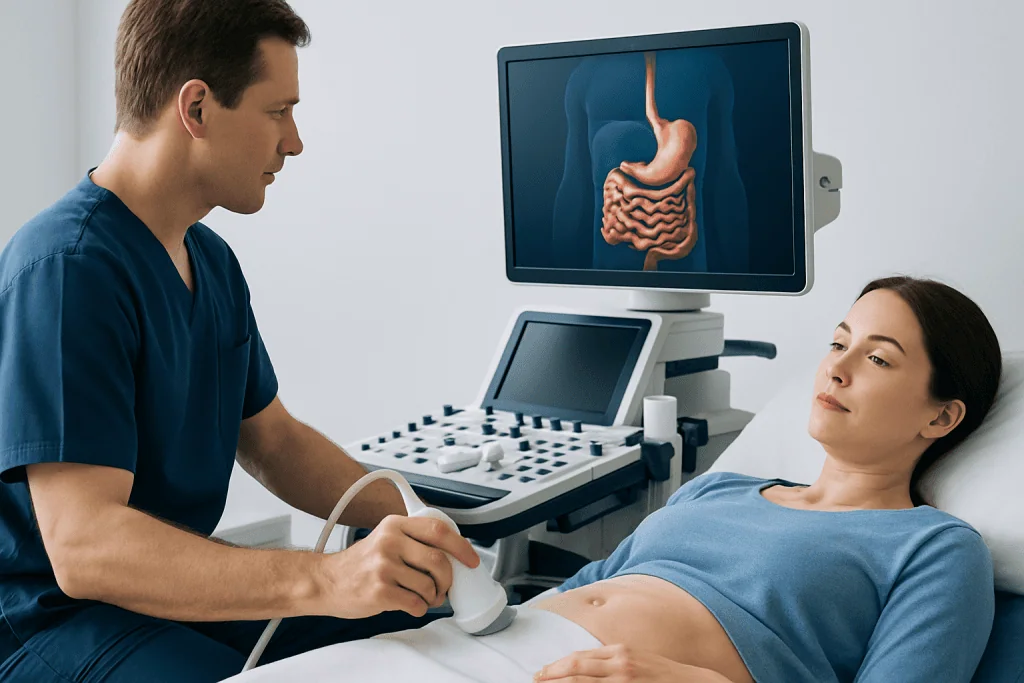
The main carbohydrates linked with gas from beans are a group of oligosaccharides called raffinose-family carbohydrates. Raffinose, stachyose, and verbascose are examples. Humans have limited amounts of the digestive enzyme, alpha-galactosidase, needed to break these substances down before they reach the colon.
Once in the colon, bacteria use these carbohydrates as fuel. Fermentation is a normal process and can produce beneficial compounds, including short-chain fatty acids that support the health of the colon. At the same time, it produces gas. Whether this leads to noticeable bloating, belching, or passing gas depends on the volume of gas, how quickly it moves through the bowel, and how sensitive the gut is to stretching.
Fiber in beans can also contribute to changes in gas production. Soluble and insoluble fiber support regular bowel function and can benefit heart and metabolic health, but a sudden large increase in fiber may temporarily cause bloating, cramping, or more frequent gas. This response is more likely in someone who usually eats little fiber.
Gas is not always caused by beans alone. A meal containing beans may also include onions, garlic, wheat-based foods, dairy products, carbonated drinks, or high-fat ingredients, all of which can contribute to digestive symptoms in some people.
Why some people react more than others

Different beans have different amounts of fermentable carbohydrates and fiber. Chickpeas, lentils, kidney beans, black beans, navy beans, and soybeans may all be tolerated differently by the same person. Portion size matters as well: a small serving may cause little discomfort, while a large serving can exceed what the digestive system is accustomed to handling.
The composition of the gut microbiome also differs from person to person. Some people may produce more gas when certain fibers are fermented, while others may be more sensitive to normal amounts of gas in the intestine. Eating quickly, swallowing air, chewing gum, smoking, and drinking fizzy beverages can add swallowed air and make bloating feel worse.
People with irritable bowel syndrome may be especially sensitive to fermentable carbohydrates, sometimes grouped as FODMAPs. Beans can be a trigger for some, but not all, people with IBS. Symptoms may include recurrent abdominal pain related to bowel movements, bloating, diarrhea, constipation, or a pattern that alternates between diarrhea and constipation.
Less commonly, symptoms blamed on beans may reflect another issue, such as lactose intolerance from dairy eaten with the meal, celiac disease, constipation, or a gastrointestinal infection. A true allergy to legumes is different from gas and may cause hives, swelling, wheezing, vomiting, or other immediate allergic symptoms; urgent medical attention is needed if breathing or swallowing is affected.
Practical ways to reduce gas from beans
There is no need to eliminate beans automatically. A gradual approach is often the most useful. Someone who rarely eats legumes can begin with a small portion several times a week and slowly increase the amount over a few weeks. This gives the gut time to adjust to more fiber and fermentable carbohydrates.
Preparation can make a difference. Rinsing canned beans under water may remove some substances from the packing liquid. For dried beans, soaking them, discarding the soaking water, rinsing, and cooking them in fresh water may reduce some oligosaccharides. Beans should always be cooked thoroughly, both for texture and food safety. Changing the soaking water once or twice can be helpful for some people.
Useful strategies may include:
- Trying a smaller portion or a different type of bean, such as lentils or canned beans that have been rinsed.
- Eating beans regularly in modest amounts instead of having a very large portion occasionally.
- Chewing food slowly and limiting carbonated drinks during the same meal.
- Drinking enough water as dietary fiber increases, unless a clinician has advised fluid restriction.
- Keeping a simple food-and-symptom diary to identify patterns without unnecessarily restricting the diet.
Some people choose an over-the-counter enzyme product containing alpha-galactosidase before meals with beans. It may help break down certain bean carbohydrates for some individuals, but it does not work for every cause of bloating. A pharmacist or clinician can advise whether it is suitable, particularly for people with diabetes, chronic illness, allergies, or regular medicines.
When gas may point to a digestive condition
Occasional gas after beans is common. It deserves further attention when symptoms are frequent, disruptive, or occur after many different foods rather than beans alone. Persistent bloating, abdominal discomfort, and bowel changes can occur in functional digestive conditions, including irritable bowel syndrome. Evaluation can help distinguish a food-related pattern from another health concern.
A clinician may ask about the timing of symptoms, typical meals, stool frequency and appearance, medicines, recent travel, family history, and any unintended dietary restriction. A food and symptom diary can provide useful information. Depending on the symptoms, the clinician may examine the abdomen and consider blood tests, stool testing, tests for celiac disease or lactose intolerance, or other investigations.
Testing is not necessary for everyone with mild gas after beans. It is more likely to be considered when symptoms persist despite simple dietary changes, begin later in life without a clear explanation, or occur with concerning features. A restrictive diet should not be started long term without professional guidance, since it can reduce fiber and important nutrients.
If a low-FODMAP approach is considered for suspected IBS, it is ideally supervised by a qualified dietitian. This is a temporary elimination and reintroduction process designed to identify personal triggers, not a lifelong requirement to avoid all beans or fiber-rich foods.
When to seek medical care
Medical review is appropriate if gas or bloating is persistent, worsening, painful, or substantially affects eating, sleep, work, or daily life. It is also sensible to arrange an appointment if symptoms are new and unexplained, if there is ongoing diarrhea or constipation, or if a person feels unable to maintain a balanced diet because of digestive discomfort.
Prompt medical care is important for severe or escalating abdominal pain, repeated vomiting, fever, a swollen or rigid abdomen, black stools, visible blood in the stool, fainting, difficulty breathing, or signs of an allergic reaction such as facial or throat swelling. Unintentional weight loss, anemia, loss of appetite, or symptoms that wake a person from sleep also warrant medical assessment.
For many people, the cause will be a manageable dietary response rather than a serious illness. A clinician can provide reassurance while checking for conditions that may need treatment. Acibadem International’s multidisciplinary specialists and JCI-accredited hospitals can evaluate digestive symptoms and provide care for international patients when further assessment is needed.
Keeping beans in a balanced diet
Beans, peas, lentils, and chickpeas can be valuable parts of a balanced eating pattern. Their fiber helps support bowel regularity, and their plant protein can help add variety to meals. Tolerance often improves when beans are introduced gradually rather than added suddenly in large amounts.
It may help to choose simple preparations first, such as a small serving of well-cooked lentils in soup or rinsed canned beans added to a salad. Once a comfortable amount is identified, portions can be adjusted over time. Pairing beans with familiar foods and eating slowly may also make it easier to observe individual tolerance.
People who have been advised to follow a special diet for kidney disease, inflammatory bowel disease, diabetes, or another condition should ask their clinician or dietitian how beans fit into their personal plan. The best choice is not the same for everyone, but gas alone is usually not a reason to miss the nutritional benefits of legumes.
Frequently asked questions
Why do beans make you have gas even when they are healthy?
Beans are healthy, but they contain fermentable carbohydrates that are not completely digested in the small intestine. Gut bacteria ferment these carbohydrates in the large intestine, which creates gas. This is generally a normal digestive process rather than a sign that beans are harmful.
Which beans cause the least gas?
Tolerance differs between individuals, so there is no single bean that causes the least gas for everyone. Some people find that lentils, split peas, or well-rinsed canned beans are easier to tolerate than larger servings of certain dried beans. Trying small portions of different legumes can help identify personal preferences.
Does soaking beans really reduce gas?
Soaking dried beans, discarding the soaking water, rinsing, and cooking them in fresh water may reduce some gas-producing carbohydrates. The benefit varies, and soaking does not remove all fermentable carbohydrates. Thorough cooking is also important for safety and digestibility.
How long does it take for the body to adjust to eating beans?
Many people notice improvement over several days to a few weeks when they increase beans and other fiber-rich foods gradually. Regular small portions are often easier to tolerate than occasional large servings. If symptoms remain significant or worsen, a healthcare professional can help assess other causes.
Can gas after beans be a sign of IBS?
It can be more noticeable in people with irritable bowel syndrome because the gut may be more sensitive to gas and intestinal stretching. However, gas after beans by itself does not diagnose IBS. IBS is diagnosed from a broader pattern of recurrent abdominal pain and changes in bowel habits after other conditions are considered.
Should a person stop eating beans if they cause bloating?
Usually, no. Reducing the portion, preparing beans differently, and increasing intake slowly may control symptoms while preserving their nutritional benefits. A person should seek medical advice before making major or long-term dietary restrictions, especially if there are weight loss, bowel changes, or other concerning symptoms.
This article is for general information only and is not a substitute for professional medical advice. Please consult a qualified doctor about your individual situation.
Persistent digestive symptoms? Get evaluated in Turkey
JCI-accredited · board-certified surgeons · reply within 24h
Add us as a Preferred Source to see more of our trusted health content across Google Search, AI Overviews and Discover.

More from the Health Library

Why Do I Cough When I Lay Down? Here Is What the Evidence Says

Type 5 diabetes: Common Causes, Warning Signs, and When to Worry

Sativa vs Indica: Key Differences and How Doctors Tell Them Apart

What to Eat After Colonoscopy? Here Is What the Evidence Says

What Is Invert Sugar? Causes, Explanations, and Next Steps