Why Do I Have Mucus When I Eat? Causes, Explanations, and Next Steps

Mucus noticed during meals is commonly linked to saliva, postnasal drip, reflux, or temporary throat irritation. Dairy does not usually increase mucus production, but it can make mucus feel thicker in some people.
Key Takeaways
- Mucus noticed during meals is commonly linked to saliva, postnasal drip, reflux, or temporary throat irritation.
- Dairy does not usually increase mucus production, but it can make mucus feel thicker in some people.
- Red flags include difficulty swallowing, food sticking, choking, unexplained weight loss, chest pain, or blood in mucus.
- Doctors may evaluate the nose, throat, swallowing function, and digestive tract depending on the pattern of symptoms.
- Self-care may help when triggers are mild, but ongoing or worsening symptoms deserve medical review.
Mucus when eating is often harmless and may happen because normal saliva mixes with throat mucus, or because postnasal drip, acid reflux, or food irritation becomes more noticeable during meals. However, persistent symptoms, trouble swallowing, weight loss, coughing during meals, or blood in mucus should be assessed by a doctor.
Overview: why mucus may appear when eating
For many people, noticing mucus while eating is not a sign of a serious illness. Meals increase saliva production, and swallowing movements can make normal throat secretions more noticeable. If a person already has mild nasal drainage, throat irritation, or acid reflux, eating may bring that sensation to the foreground.
The symptom can feel different from person to person. Some describe a need to clear the throat after a few bites, while others notice phlegm in the throat, a wet feeling after swallowing, or mucus that seems to come from the nose or chest. The timing matters: mucus that appears only with certain foods may suggest irritation or sensitivity, while symptoms after most meals may point more toward postnasal drip, reflux, or a swallowing issue.
Although the cause is often minor, a few signs should not be ignored. Medical review is important if mucus when eating comes with trouble swallowing, repeated choking, food getting stuck, hoarseness that does not improve, coughing fits during meals, unexplained weight loss, fever, or blood in the mucus. Those features can suggest a condition that needs closer assessment.
What mucus when eating can feel like
Mucus is a normal protective substance made by the nose, sinuses, throat, airways, and digestive tract. It helps trap irritants, keeps tissues moist, and supports the body’s defense system. The issue is not always too much mucus being made; sometimes it is mucus becoming thicker, moving differently, or being noticed more strongly during swallowing.
People may use several words for the same sensation, including mucus, phlegm, drainage, slime, or a lump in the throat. It can seem to collect at the back of the nose, sit in the throat, or rise after eating. In some cases, there is also frequent throat clearing, coughing after meals, a sour taste, nasal congestion, or a need to sip water with each bite.
Doctors often ask exactly when the symptom happens:
- Only with hot, spicy, cold, or acidic foods
- Mainly with dairy or creamy foods
- After large meals or eating late at night
- Together with nasal allergy symptoms
- Alongside heartburn, burping, or regurgitation
- With solids, liquids, or both
These details help distinguish a temporary irritation from a nose, throat, lung, or digestive problem that may need testing.
Common causes of mucus during meals

One of the most common explanations is postnasal drip. This happens when mucus from the nose or sinuses drains into the throat, often due to allergies, a cold, sinus inflammation, dry air, or irritants such as smoke. Eating increases swallowing and throat awareness, so drainage that was already present may suddenly feel much more obvious.
Another frequent cause is acid reflux, including reflux that reaches the throat. Stomach contents can irritate the lining of the esophagus and voice box, leading to throat clearing, hoarseness, chronic cough, or a sensation of mucus, especially after meals. In some people, there is little or no classic heartburn. If reflux is suspected, a doctor may also evaluate for acid reflux.
Foods themselves can also trigger symptoms. Spicy foods, acidic foods, alcohol, and very hot or very cold items may irritate sensitive throat tissues or worsen reflux. Some people feel that milk increases mucus, but research suggests dairy usually does not create more mucus; instead, it can coat the mouth and make existing mucus feel thicker. Less commonly, mucus during eating may relate to food allergy, food intolerance, or disorders that affect swallowing or the esophagus, such as inflammation or narrowing.
When the symptom is paired with wheezing, chest tightness, recurrent coughing during meals, or shortness of breath, doctors also consider lower airway conditions such as asthma or aspiration. That is especially important if the mucus seems to come from the chest rather than only the throat.
Less common but important explanations
Persistent throat mucus during meals can occasionally be linked to structural or inflammatory problems in the esophagus. These include esophagitis, narrowing of the esophagus, motility disorders, or eosinophilic esophagitis, an inflammatory condition that may be associated with allergies. A person may report that food feels slow to go down, seems to stick in the chest, or causes repeated coughing or discomfort.
Infections can also play a role, especially if symptoms started suddenly and include sore throat, congestion, fever, or thick discolored drainage. Chronic sinus disease may lead to long-standing mucus and throat clearing. In other cases, dehydration, certain medications, and mouth breathing can dry the throat and make normal secretions feel sticky or excessive.
Rarely, serious conditions may present with mucus, throat discomfort, or swallowing difficulty. Doctors are more concerned when symptoms are worsening, one-sided, associated with neck swelling, persistent voice change, bleeding, or significant weight loss. These red flags do not automatically mean a serious disease is present, but they are good reasons to seek timely evaluation.
How a doctor finds the cause
Evaluation usually begins with a careful history. A doctor may ask when the mucus started, whether it happens with every meal or only certain foods, and whether there are symptoms such as congestion, sneezing, heartburn, sour taste, coughing, choking, chest discomfort, or a feeling that food sticks. Medical history, medications, smoking exposure, and allergy history are also important.
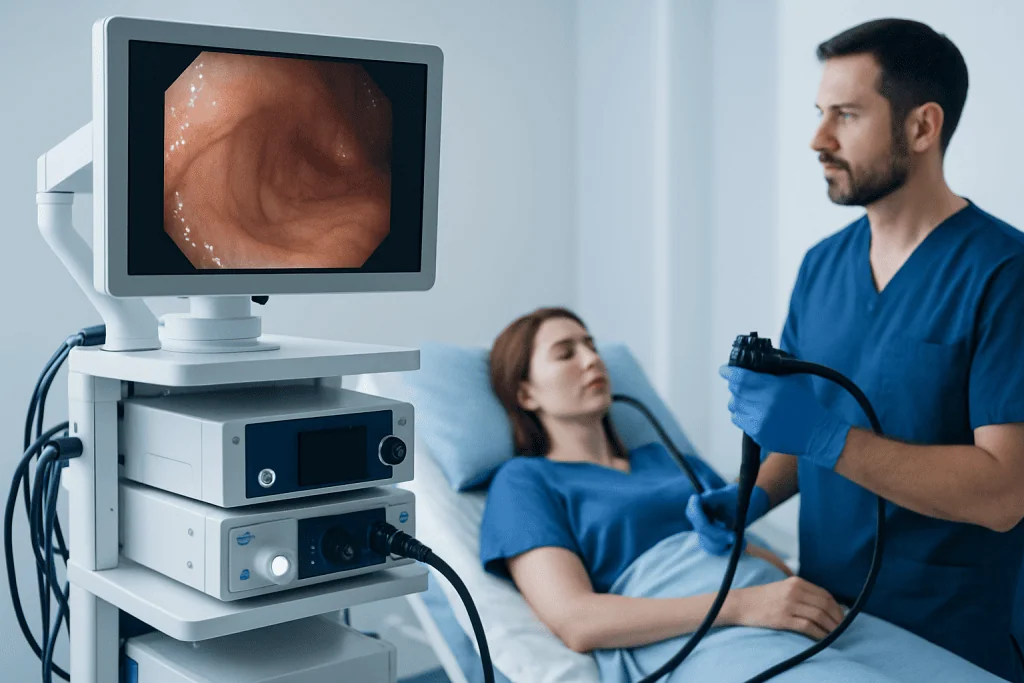
The physical exam may include the nose, sinuses, mouth, throat, neck, and chest. Depending on the symptoms, a patient may benefit from assessment by an ear, nose, and throat specialist or a gastroenterologist. If reflux, esophageal irritation, or swallowing problems are suspected, testing can sometimes include endoscopy, swallowing studies, or pH monitoring. In appropriate cases, endoscopy helps doctors look for inflammation, narrowing, or other abnormalities.
When swallowing safety is a concern, clinicians may recommend imaging or a formal swallowing evaluation, particularly if there is repeated coughing with liquids, frequent chest infections, or neurologic disease. If sinus-related drainage seems likely, nasal endoscopy or imaging may be considered. The goal is to match testing to the pattern of symptoms rather than ordering every test at once.
Because several conditions can overlap, treatment may focus on more than one factor. For example, a person may have both allergic drainage and reflux, or both throat irritation and dehydration. Careful evaluation helps avoid unnecessary worry while identifying problems that need specific treatment.
Treatment options and practical next steps
Treatment depends on the cause. If postnasal drip is responsible, doctors may recommend allergy management, avoiding irritants, improving indoor air humidity, or other treatments to reduce nasal inflammation and drainage. If sinus disease is suspected, management may overlap with care for sinusitis.
When reflux is the main issue, treatment often begins with lifestyle measures such as smaller meals, avoiding lying down after eating, limiting trigger foods, and addressing excess weight if relevant. Some people may need medical therapy or further specialist evaluation. In selected cases, patients may undergo gastroenterology evaluation to clarify whether reflux or another digestive condition is causing symptoms.
If the symptom relates to swallowing dysfunction, food allergy, or eosinophilic inflammation, treatment is more individualized and may involve dietary changes, supervised elimination of trigger foods, or therapies aimed at reducing inflammation. If breathing symptoms occur during meals, doctors may also assess the airways through bronchoscopy or related respiratory testing when clinically appropriate.
At the end of the evaluation pathway, the most helpful next step is often simple: identify the pattern. Noting which foods trigger symptoms, whether symptoms happen at every meal, and whether there is cough, nasal drainage, or heartburn gives the doctor useful clues and can speed up diagnosis.
Self-care that may help at home
For mild and occasional symptoms, simple changes may reduce irritation and help mucus clear more comfortably. Sipping water during meals, eating slowly, chewing well, and avoiding very large bites can lessen throat discomfort and reduce the need to clear the throat. Good hydration through the day may also help thin secretions.
It may be useful to keep a brief symptom diary for one to two weeks. This can include meals, drinks, timing, body position after eating, and associated symptoms such as congestion, cough, sour taste, or bloating. Common triggers to watch for include spicy foods, acidic foods, alcohol, very cold beverages, and late-night meals.
General supportive steps include:
- Managing seasonal allergies if they are present
- Avoiding smoking and secondhand smoke
- Using a humidifier if indoor air is very dry
- Not lying flat right after meals
- Limiting frequent throat clearing, which can worsen irritation
- Seeking medical advice before making major diet restrictions
Self-care should not replace medical evaluation if symptoms persist, worsen, or are linked to swallowing difficulty. A clinician can help distinguish harmless throat awareness from a condition that needs treatment.
When to seek medical care
Medical attention is recommended if mucus when eating happens regularly for more than a few weeks, interferes with meals, or is becoming more noticeable over time. It is also a good idea to arrange a review if there is frequent heartburn, chronic nasal congestion, hoarseness, or repeated throat clearing that does not improve.
Prompt medical care is especially important for red flags such as choking, coughing with every meal, difficulty swallowing, food sticking, chest pain, shortness of breath, fever, unexplained weight loss, or blood in the mucus. These symptoms do not necessarily mean a serious disorder, but they deserve professional assessment.
For international patients who need evaluation, Acibadem International’s multidisciplinary specialists and JCI-accredited hospitals diagnose and treat nose, throat, digestive, and respiratory conditions related to this symptom. The right specialist depends on the overall pattern, which is why a structured assessment is often the most reassuring next step.
Frequently asked questions
Why do I have mucus when I eat even if I am not sick?
This often happens because eating increases saliva and makes normal throat secretions more noticeable. It can also be linked to mild postnasal drip, reflux, dry air, or irritation from certain foods.
Does dairy really cause more mucus?
In most people, dairy does not actually increase mucus production. However, milk and creamy foods can make mucus feel thicker or coat the mouth, which may create the impression of extra mucus.
Can acid reflux cause mucus in the throat during meals?
Yes. Reflux can irritate the esophagus and throat, leading to throat clearing, hoarseness, cough, or a sensation of mucus, especially after eating. Some people have reflux-related throat symptoms even without obvious heartburn.
Is mucus when eating a sign of a food allergy?
Sometimes, but not always. If mucus comes with itching, hives, swelling, wheezing, vomiting, or rapid symptoms after a specific food, allergy becomes more likely and should be assessed promptly.
When should mucus during meals be checked by a doctor?
A doctor should evaluate symptoms that persist for weeks, happen with most meals, or are getting worse. Urgent review is important if there is choking, trouble swallowing, food sticking, shortness of breath, weight loss, or blood in the mucus.
What kind of doctor treats mucus when eating?
The best specialist depends on the likely cause. Primary care doctors often start the evaluation, and they may refer to an ENT specialist, gastroenterologist, allergist, or pulmonologist based on accompanying symptoms.
References
- National Institute of Diabetes and Digestive and Kidney Diseases
- American Academy of Otolaryngology–Head and Neck Surgery
- American College of Gastroenterology
- American Academy of Allergy, Asthma & Immunology
- National Institutes of Health
This article is for general information only and is not a substitute for professional medical advice. Please consult a qualified doctor about your individual situation.
Medical weight-loss options in Turkey — costs & eligibility
JCI-accredited · board-certified surgeons · reply within 24h
Add us as a Preferred Source to see more of our trusted health content across Google Search, AI Overviews and Discover.