

Why Does Alcohol Make Me Sleepy? Here Is What the Evidence Says

Alcohol can cause drowsiness by slowing brain activity and increasing sedation. Feeling sleepy after drinking is common, but alcohol usually worsens sleep quality later in the night.
Key Takeaways
- Alcohol can cause drowsiness by slowing brain activity and increasing sedation.
- Feeling sleepy after drinking is common, but alcohol usually worsens sleep quality later in the night.
- Alcohol may worsen snoring, breathing pauses during sleep, and next-day fatigue.
- Medical review is important if sleepiness is severe, unexpected, or linked to confusion, blackouts, or breathing symptoms.
- Doctors may assess drinking patterns, sleep habits, medications, and possible sleep disorders.
Alcohol often makes people feel sleepy because it depresses the central nervous system and can bring on drowsiness quickly. In many cases this is harmless, but strong daytime sleepiness, blackouts, breathing problems during sleep, or reliance on alcohol to sleep deserve medical attention.
Overview: Why alcohol can make a person sleepy
For many people, feeling sleepy after drinking alcohol is common and not usually a sign of serious illness. Alcohol has sedating effects on the brain, so it can make a person feel relaxed, less alert, and ready to fall asleep more quickly than usual.
The important detail is that drowsiness and good sleep are not the same thing. Alcohol may shorten the time it takes to fall asleep, but it also changes normal sleep patterns. As the body breaks alcohol down, sleep often becomes lighter, more fragmented, and less refreshing.
This helps explain a familiar experience: a person may fall asleep easily after an evening drink yet wake during the night, snore more, feel restless, or feel tired the next morning. In other words, alcohol can act like a sedative at first while still reducing overall sleep quality.
Most episodes of post-drinking sleepiness are temporary. However, if alcohol causes extreme drowsiness, repeated blackouts, breathing changes during sleep, or a growing need to drink in order to sleep, it is wise to speak with a qualified doctor.
What the evidence suggests about alcohol and sleep
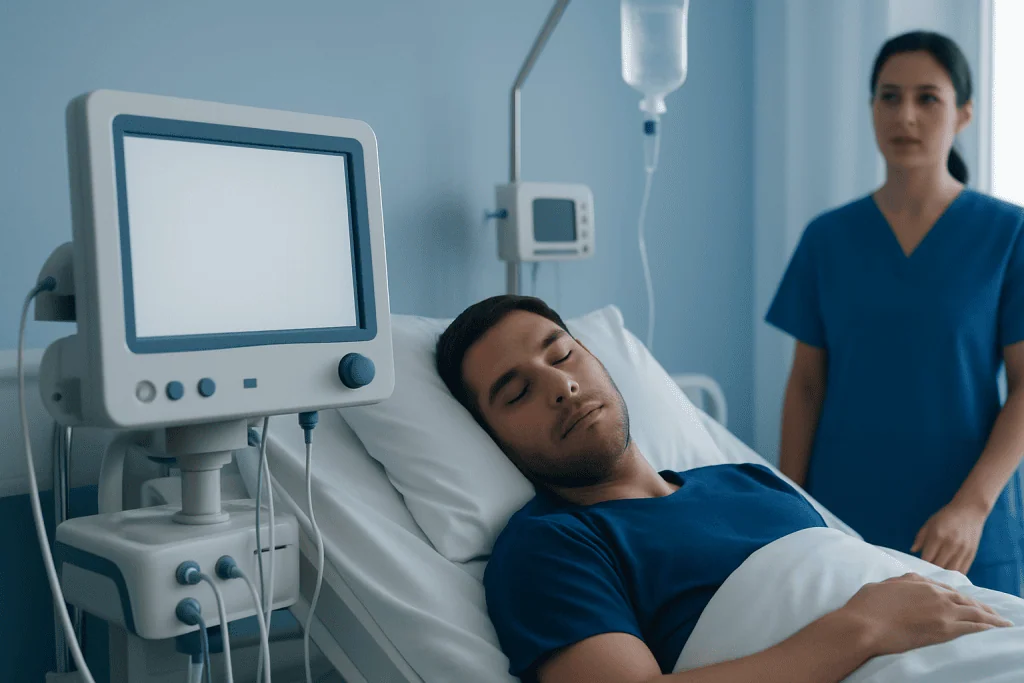
Alcohol affects chemical signaling in the brain. It enhances the action of certain calming neurotransmitters and suppresses some excitatory pathways, which is why it can reduce alertness and promote a sleepy feeling. This sedating effect is usually stronger soon after drinking, especially if alcohol is consumed quickly or on an empty stomach.
At the same time, alcohol alters the structure of sleep. It can change the balance between deep sleep, lighter sleep, and rapid eye movement sleep. Early in the night a person may spend more time in sedated sleep, but later in the night the body may rebound with more awakenings, lighter sleep, vivid dreams, sweating, or a racing heartbeat.
Research also shows that alcohol can worsen upper airway relaxation. This means the muscles of the throat may become more likely to narrow during sleep, which can increase snoring and may aggravate sleep apnea in people who already have it or are at risk for it.
So when someone asks, “why does alcohol make me sleepy,” the evidence-based answer is two-part: alcohol directly causes drowsiness, and it also interferes with normal restorative sleep. That combination can leave a person feeling sleepy both at bedtime and the next day.
Common patterns and symptoms to notice

The most common pattern is feeling relaxed or unusually tired within a short time of drinking. Some people notice heavy eyelids, slower thinking, reduced concentration, or a stronger urge to lie down. This can happen even with modest amounts, especially in people who are sleep-deprived, smaller in body size, older, or sensitive to alcohol.
Nighttime symptoms may include falling asleep faster than usual, then waking up several times, needing to urinate more often, sweating, dry mouth, a pounding heartbeat, snoring, or restless sleep. The next morning, a person may feel unrefreshed even after spending enough time in bed.
It can be helpful to pay attention to context. Sleepiness may be stronger if alcohol is mixed with sleep medicines, antihistamines, anxiety medication, pain medication, or recreational substances. It may also be more noticeable after long periods without food, after travel, or during times of high stress and poor sleep habits.
Certain warning symptoms deserve more attention than ordinary drowsiness. These include confusion out of proportion to the amount consumed, repeated vomiting, fainting, bluish lips, pauses in breathing during sleep, memory gaps, or excessive daytime sleepiness that continues long after alcohol should have worn off.
Why some people feel sleepier than others
Not everyone responds to alcohol in the same way. The amount consumed matters, but so do body size, age, sex, genetics, liver function, food intake, medications, and a person’s usual tolerance. Someone who drinks rarely may feel sleepy after a small amount, while another person may notice less immediate sedation but more disturbed sleep later.
Timing also plays an important role. Drinking close to bedtime often increases the chance of fragmented sleep because alcohol is being metabolized during the first part of the night. Binge drinking is more likely to cause both stronger sedation and more rebound wakefulness.
Existing health conditions can amplify alcohol-related sleepiness. People with insomnia, shift-work sleep disruption, depression, anxiety, chronic pain, breathing-related sleep disorders, or liver disease may notice more pronounced effects. In some cases, alcohol may seem to help at first but can worsen the underlying problem over time.
If a person often uses alcohol to manage poor sleep, it may be worth discussing evidence-based help for sleep problems instead. Evaluation for insomnia or other sleep disorders can be more useful than relying on alcohol as a sleep aid.
When to seek medical care
Most people do not need urgent care simply because they feel sleepy after drinking. Still, prompt medical help is important if a person is hard to wake, has slow or irregular breathing, has a seizure, collapses, cannot protect their airway, or may have mixed alcohol with other sedating substances. These can be signs of alcohol poisoning or another emergency.
Non-urgent medical review is sensible if sleepiness after drinking seems stronger than expected, happens with small amounts of alcohol, or is followed by loud snoring, witnessed breathing pauses, choking awakenings, chest symptoms, or severe next-day fatigue. Medical advice is also important if alcohol is being used regularly to fall asleep or if there are memory blackouts, mood changes, or trouble cutting down.
A doctor will usually begin by asking about the amount and pattern of alcohol use, typical sleep schedule, snoring, medications, caffeine, mental health, and any other symptoms. Depending on the situation, the doctor may recommend blood tests, liver assessment, or formal sleep study testing if a sleep-related breathing disorder is suspected.
If symptoms point to a broader alcohol-related health problem, structured evaluation and treatment may be appropriate. In selected cases, care pathways related to alcohol addiction treatment can help support safer drinking habits or recovery.
How doctors evaluate alcohol-related sleepiness
Medical evaluation focuses on two questions: is the sleepiness simply a temporary alcohol effect, and is there another condition making the reaction more noticeable or more dangerous? To answer this, doctors look at the full picture rather than alcohol alone.
The assessment often includes a review of bedtime routines, total sleep time, shift work, stress, and medication use. Doctors may ask whether the person snores, stops breathing during sleep, wakes with headaches, or feels sleepy while driving. These details can help distinguish simple alcohol sedation from an underlying sleep disorder.
Physical examination may include blood pressure, weight, airway features, and signs of liver or nerve problems. In some cases, laboratory tests may be used to look for anemia, thyroid issues, metabolic problems, or liver abnormalities that could contribute to fatigue or alcohol sensitivity.
If there are signs of persistent sleep problems, referral for specialist assessment may be useful. Some patients benefit from sleep-focused care, while others may need support for mental health, medication review, or counseling around alcohol use. The goal is not only to explain the symptom but also to improve overall rest and daytime functioning.
What can help: practical self-care and safer habits
If a person notices that alcohol reliably makes them sleepy but leaves them unrefreshed, the most effective step is usually to reduce or avoid drinking, especially in the hours before bed. This gives the brain and sleep cycle a better chance to follow a more natural pattern overnight.
Other useful measures include eating before or while drinking, alternating alcoholic drinks with water, setting a limit, and avoiding mixing alcohol with sedating medications unless a doctor has specifically advised otherwise. Good sleep habits also matter, such as a consistent bedtime, a dark quiet room, and less late caffeine.
Alcohol should not be considered a treatment for chronic sleep difficulties. People with trouble falling asleep or staying asleep may benefit more from medical review, behavioral sleep strategies, or condition-specific treatment. If breathing-related sleep problems are identified, targeted care such as sleep apnea treatment may improve both sleep quality and daytime energy.
Near the end of the care journey, some people need multidisciplinary support rather than a single solution. Acibadem International’s specialists in JCI-accredited hospitals evaluate sleep symptoms, breathing-related sleep disorders, and alcohol-related health concerns for international patients when further assessment is needed.
Bottom line
The short answer to “why does alcohol make me sleepy” is that alcohol depresses the central nervous system and can quickly cause sedation. That effect is common and often harmless in the moment, but it does not mean alcohol is improving sleep.
In fact, alcohol often reduces sleep quality later in the night and can make snoring, breathing pauses, and next-day fatigue more likely. This is why a person may feel sleepy after drinking yet still wake up tired.
If the pattern is occasional and mild, practical changes such as drinking less, avoiding alcohol close to bedtime, and improving sleep habits may be enough. If symptoms are severe, unexpected, or linked to breathing changes, blackouts, or regular dependence on alcohol for sleep, a doctor can help identify the cause and guide safer treatment.
Frequently asked questions
Is it normal to feel sleepy after drinking alcohol?
Yes. Alcohol commonly causes drowsiness because it slows activity in the central nervous system. However, feeling sleepy does not mean sleep will be deep or restorative.
Why do I fall asleep faster after alcohol but wake up later?
Alcohol may help a person fall asleep sooner because of its sedating effect. As the body metabolizes it, sleep often becomes lighter and more fragmented, leading to nighttime awakenings and poorer sleep quality.
Can alcohol make sleep apnea worse?
Yes, it can. Alcohol relaxes the muscles of the upper airway, which may increase snoring and make breathing pauses during sleep more likely, especially in people already at risk for sleep apnea.
Why does even a small amount of alcohol make me very sleepy?
Some people are more sensitive to alcohol because of body size, age, genetics, medications, food intake, liver function, or lack of sleep. Strong drowsiness with small amounts is worth discussing with a doctor if it happens repeatedly.
Is alcohol a good remedy for insomnia?
No. Although it may make a person feel sleepy at first, alcohol usually worsens sleep quality and can reinforce an unhealthy pattern of relying on drinking to sleep. Persistent insomnia is better assessed by a qualified clinician.
When should someone worry about sleepiness after drinking?
Urgent help is needed if the person is difficult to wake, breathing slowly, having seizures, or may have alcohol poisoning. Non-urgent medical review is sensible if there are blackouts, breathing pauses during sleep, severe next-day fatigue, or repeated reliance on alcohol to sleep.
References
- National Institute on Alcohol Abuse and Alcoholism
- American Academy of Sleep Medicine
- Centers for Disease Control and Prevention
- National Health Service
- Mayo Clinic
This article is for general information only and is not a substitute for professional medical advice. Please consult a qualified doctor about your individual situation.
Explore treatments in Turkey — costs, top hospitals & a free quote
JCI-accredited · board-certified surgeons · reply within 24h
Add us as a Preferred Source to see more of our trusted health content across Google Search, AI Overviews and Discover.

More from the Health Library


Related Specialists

Ahmet Turan
Physical Medicine & Rehabilitation
Assoc. Prof. Dr. Yaşar Bayrı
Neurosurgery
Dt. Pelin Dülgeroğlu Karamık
Oral & Dental Health
Dr. Mustafa Engin Çakmakçı
Otorhinolaryngology