Why Does Getting the Urge to Poop Hurt? Causes, Explanations, and Next Steps

Pain with the urge to have a bowel movement is commonly caused by constipation, gas, rectal irritation, or muscle spasm. Tenesmus is the feeling of needing to pass stool even when little or no stool is present.
Key Takeaways
- Pain with the urge to have a bowel movement is commonly caused by constipation, gas, rectal irritation, or muscle spasm.
- Tenesmus is the feeling of needing to pass stool even when little or no stool is present.
- Anal fissures, hemorrhoids, infections, inflammatory bowel disease, and pelvic conditions can also cause rectal pain or pressure.
- A clinician may use medical history, examination, stool tests, blood tests, or imaging to identify the cause when symptoms persist.
- Urgent assessment is important for severe pain, heavy rectal bleeding, fever, vomiting, abdominal swelling, or inability to pass stool or gas.
Why does getting the urge to poop hurt? A painful urge to have a bowel movement is often temporary and related to constipation, trapped gas, hemorrhoids, or irritation around the rectum. However, severe, recurrent, or worsening pain—especially with bleeding, fever, weight loss, or major changes in bowel habits—should be assessed by a clinician.
Why the Urge to Poop Can Hurt
When the rectum fills with stool or gas, nerves in the bowel signal that it is time to have a bowel movement. For many people, this creates a mild, passing sensation of pressure. If the bowel is stretched, inflamed, irritated, or blocked by hard stool, the same signal can become painful. This is why getting the urge to poop can hurt even before a person reaches the toilet.
In many cases, the symptom is harmless and improves after passing stool or gas. Constipation, temporary digestive upset, and straining are frequent explanations. Pain may also come from the anus or rectum rather than the intestine itself, such as from a small tear in the anal lining or swollen hemorrhoidal tissue.
Sometimes the urge is intense but produces little stool. This sensation is called tenesmus. It can occur when the rectum is irritated or inflamed and may be accompanied by cramping, pressure, mucus, or the feeling of incomplete emptying. Persistent tenesmus deserves medical assessment because its causes range from treatable bowel inflammation to infection or other conditions.
Common Symptom Patterns and What They May Suggest
The timing and character of discomfort can offer useful clues. Cramping lower-abdominal pain that improves after a bowel movement or after passing gas may be linked to constipation, dietary changes, or functional bowel conditions such as irritable bowel syndrome. Hard, infrequent stools and straining make constipation more likely.
Sharp or burning pain at the anal opening during or immediately after passing stool can occur with an anal fissure, which is a small tear in the lining of the anus. Bright-red blood on toilet paper may be present. Hemorrhoids may cause itching, tenderness, swelling, or painless bleeding, although a thrombosed hemorrhoid can be quite painful.
Rectal pressure, urgency, mucus, diarrhea, or repeated small bowel movements can point to inflammation or infection in the rectum or colon. People with inflammatory bowel disease, including Crohn’s disease, may experience abdominal pain, diarrhea, urgency, and rectal symptoms during active inflammation. These symptoms can overlap with other digestive conditions, so a diagnosis should not be based on symptoms alone.
- Hard stool and straining: often constipation or pelvic floor difficulty.
- Gas, bloating, and cramping: may reflect dietary triggers, constipation, or bowel sensitivity.
- Burning anal pain with stool: can suggest a fissure or local irritation.
- Urgency with diarrhea or mucus: may indicate infection, inflammation, or irritation of the rectum.
Causes and Risk Factors
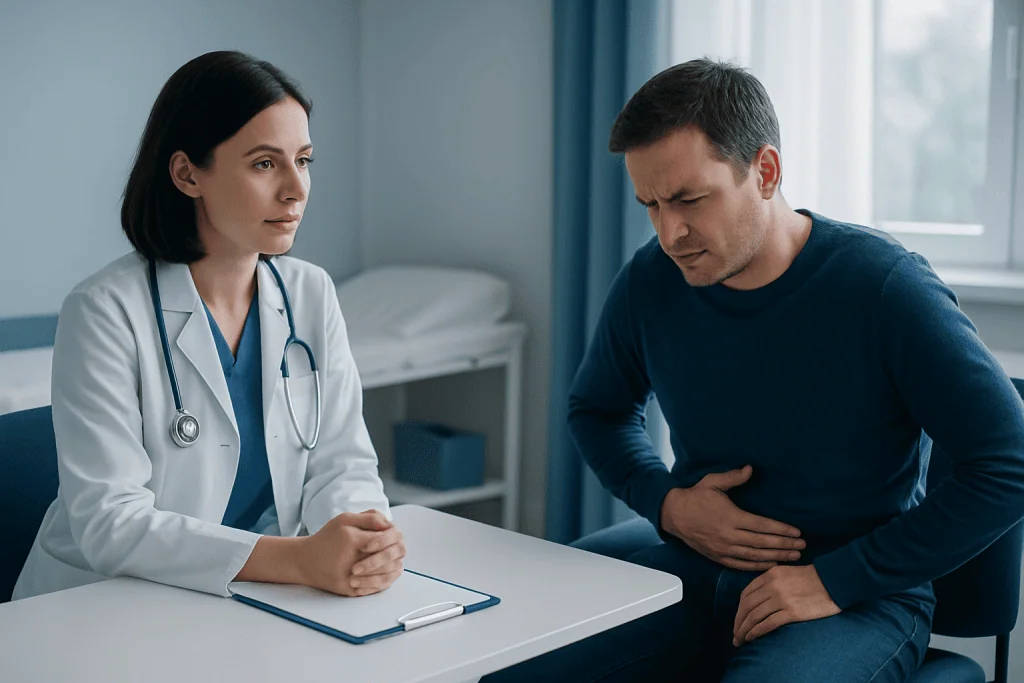
Constipation is one of the most common reasons for pain before a bowel movement. Stool may become dry and difficult to pass when a person does not drink enough fluids, eats too little fiber, changes routines, limits physical activity, delays going to the toilet, or uses certain medicines. Pregnancy, aging, and some medical conditions can also slow bowel movement.
Digestive infections can temporarily inflame the bowel and cause cramping, diarrhea, urgency, and pain. Foodborne illness, viral gastroenteritis, and some bacterial infections may cause sudden symptoms. Recent antibiotic use can also alter the balance of intestinal bacteria and, in some cases, contribute to significant diarrhea that needs evaluation.
Other possible causes include anal fissures, hemorrhoids, proctitis (inflammation of the rectum), inflammatory bowel disease, diverticular disease, endometriosis, and pelvic floor muscle dysfunction. Less commonly, narrowing of the bowel or rectum due to a growth, scar tissue, or another structural problem can cause difficult evacuation, persistent pressure, or changes in stool shape.
Risk factors that make symptoms more likely include a history of constipation, low fiber intake, dehydration, sedentary habits, recent travel or infection, family history of bowel disease, and medications that slow the bowel. Symptoms should be considered in the context of a person’s age, medical history, and recent changes in health.
Warning Signs That Need Medical Review
Most brief episodes of discomfort resolve with simple measures, particularly when they occur alongside constipation or a short-lived stomach upset. Still, new or persistent rectal pain should not be ignored. A clinician can help distinguish a common cause from a condition that needs targeted treatment.
Medical review is particularly important if pain lasts more than a few days, keeps returning, wakes a person from sleep, or occurs with an ongoing change in bowel habits. A change can include new constipation, frequent diarrhea, urgent bowel movements, narrowing stools, or the continued sensation that the bowel does not empty.
Seek urgent medical care for severe or rapidly worsening abdominal or rectal pain, heavy rectal bleeding, black or tar-like stools, fever, repeated vomiting, fainting, marked abdominal swelling, or inability to pass stool or gas. These symptoms may indicate a problem that requires prompt assessment. Children, older adults, pregnant people, and individuals with weakened immune systems should seek advice early when significant symptoms develop.
How a Doctor Finds the Cause
A doctor will usually begin by asking about the pain: when it starts, whether it improves after a bowel movement, the appearance and frequency of stools, diet, medication use, recent illness, and any bleeding, fever, or weight loss. They may also ask about family history of colorectal cancer, inflammatory bowel disease, or other digestive disorders.
A physical examination may include gentle abdominal assessment and, when appropriate, an examination of the anal and rectal area. This can identify visible fissures, hemorrhoids, skin irritation, tenderness, or signs of impaction. Although this part of the examination can feel uncomfortable, it is brief and may provide important information.
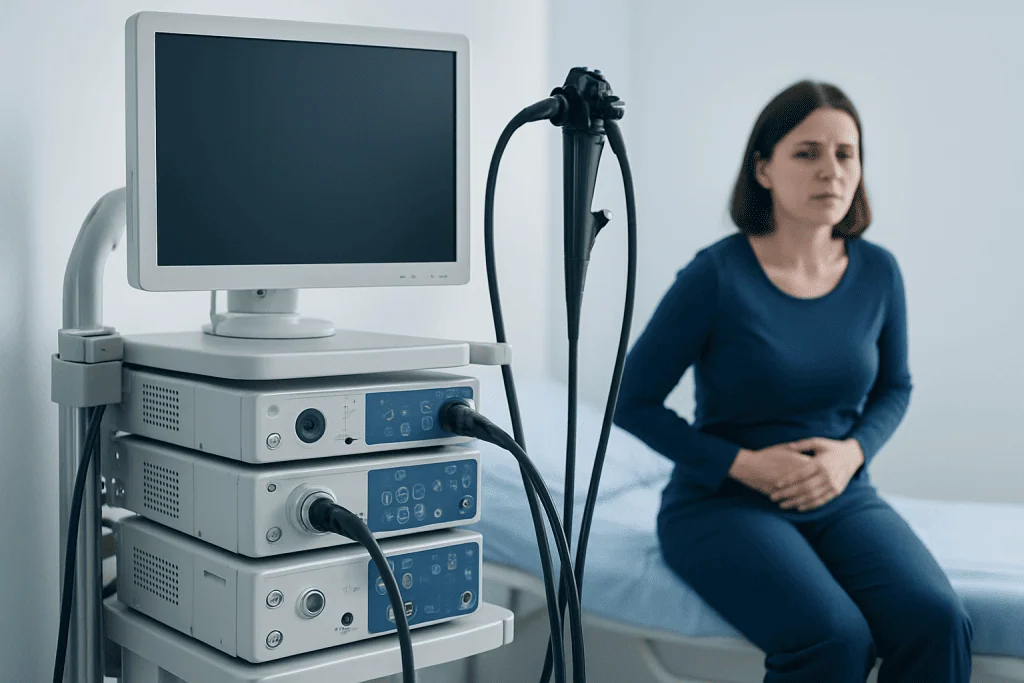
Further testing is not always needed. Depending on the symptoms, a clinician may recommend blood tests, stool testing for infection or inflammation, or imaging. A sigmoidoscopy or colonoscopy may be considered when symptoms persist, there is bleeding, inflammatory bowel disease is suspected, or age and family history indicate a need to examine the colon. These evaluations help guide appropriate colonoscopy assessment when clinically indicated.
Treatment and Self-Care Options
Treatment depends on the underlying cause. For uncomplicated constipation, clinicians commonly recommend gradually increasing dietary fiber, drinking adequate fluids, maintaining regular activity, and responding to the urge to have a bowel movement rather than delaying it. A footstool can help some people achieve a more comfortable position on the toilet by raising the knees slightly.
People should avoid prolonged straining, as it can worsen hemorrhoids and fissures. A warm bath may soothe anal discomfort, while gentle cleaning and avoiding fragranced wipes or harsh soaps may reduce local irritation. If stools are hard or symptoms do not improve, a pharmacist or clinician can advise on suitable short-term bowel treatments based on individual health needs.
For fissures, hemorrhoids, inflammation, infection, or pelvic floor dysfunction, treatment may involve targeted medicines, dietary guidance, procedures, or specialist care. Recurrent constipation caused by pelvic floor coordination problems may improve with supervised therapy. Conditions affecting the colon or rectum require treatment tailored to the specific diagnosis rather than self-treatment alone.
It is best not to assume that all rectal bleeding is caused by hemorrhoids. A qualified clinician should evaluate bleeding that is new, recurrent, or unexplained. Self-care can support comfort, but it should not delay assessment of warning signs.
Prevention, Follow-Up, and Specialist Care
Regular bowel habits can reduce the chance of painful urgency. Helpful routines include eating fiber-rich foods such as vegetables, fruit, beans, and whole grains; drinking fluids regularly; staying physically active; and allowing enough unhurried time to use the bathroom. Fiber should be increased gradually, because a sudden increase may temporarily worsen gas and bloating.
Keeping a brief symptom record may help identify patterns. It can include stool frequency and consistency, foods, stress, menstrual timing where relevant, medicines, pain location, and any bleeding. This information can make a medical appointment more productive and may help identify triggers such as constipation, certain foods, or changes in routine.
If symptoms are recurrent, a gastroenterologist or colorectal specialist can evaluate possible bowel, anal, and pelvic floor causes. Acibadem International’s multidisciplinary specialists and JCI-accredited hospitals diagnose and treat digestive conditions for international patients. The appropriate care plan depends on examination findings and any necessary testing.
Frequently asked questions
Why does it hurt when I need to poop but before I go?
Pain before a bowel movement often occurs because stool, gas, or inflammation stretches the rectum and activates pain-sensitive nerves. Constipation and trapped gas are common causes. If the pain is severe, recurrent, or associated with bleeding or fever, it should be checked by a clinician.
Can constipation cause a painful urge to poop?
Yes. Hard stool can stretch the rectum and create painful pressure, cramping, and an intense urge to have a bowel movement. Straining can also irritate the anus and contribute to fissures or hemorrhoids.
What is tenesmus?
Tenesmus is the ongoing sensation of needing to pass stool even when the bowel is empty or only a small amount comes out. It can happen with constipation, rectal inflammation, infections, and inflammatory bowel disease. Persistent tenesmus should be medically evaluated.
Is pain with the urge to poop a sign of hemorrhoids?
Hemorrhoids can cause itching, swelling, tenderness, bleeding, and sometimes pain, especially if a clot forms in an external hemorrhoid. However, pain can also come from fissures, constipation, infections, or bowel inflammation. A clinician can identify the source of symptoms.
When should someone seek urgent care for rectal pain or bowel urgency?
Urgent care is appropriate for severe or worsening pain, heavy bleeding, black stools, fever, vomiting, a swollen abdomen, or inability to pass stool or gas. Prompt assessment is also important if a person feels faint or very unwell. These symptoms should not be managed with home remedies alone.
What can help a painful urge to have a bowel movement at home?
For mild symptoms related to constipation, fluids, gradual fiber intake, activity, and avoiding straining may help. A warm bath and gentle anal care can ease local discomfort. A person should seek medical advice before using bowel medicines regularly or if symptoms persist.
This article is for general information only and is not a substitute for professional medical advice. Please consult a qualified doctor about your individual situation.
Persistent digestive symptoms? Get evaluated in Turkey
JCI-accredited · board-certified surgeons · reply within 24h
Add us as a Preferred Source to see more of our trusted health content across Google Search, AI Overviews and Discover.

More from the Health Library
Does Toothpaste Expire? A Doctor-Reviewed Answer

Is Vitamin Water Good for You? A Doctor-Reviewed Answer

Can I Take Benadryl While Pregnant? Causes, Explanations, and Next Steps

Diabetes Skin Rash: Possible Causes and When to Seek Care

What Is Cassava Flour? Here Is What the Evidence Says