Why Does My Scalp Hurt? Here Is What the Evidence Says

Scalp pain is often caused by irritation, inflammation, tight hairstyles, or headache-related nerve sensitivity. A sore scalp may feel tender, burning, tingling, itchy, or painful to touch, and the pattern of symptoms helps guide the cause.
Key Takeaways
- Scalp pain is often caused by irritation, inflammation, tight hairstyles, or headache-related nerve sensitivity.
- A sore scalp may feel tender, burning, tingling, itchy, or painful to touch, and the pattern of symptoms helps guide the cause.
- Red flags include severe or worsening pain, rash or blisters, fever, pus, sudden patchy hair loss, and scalp pain with jaw or vision symptoms.
- Doctors usually diagnose the cause through a history, scalp examination, and sometimes skin tests, blood tests, or imaging.
- Treatment depends on the cause and may include gentle scalp care, treating skin inflammation or infection, and managing headaches or nerve pain.
Scalp pain is common and is often linked to harmless problems such as skin irritation, tight hairstyles, tension, or headache. Still, new, severe, persistent, or one-sided scalp pain—especially with rash, hair loss, fever, swelling, or vision symptoms—should be checked by a doctor.
Overview: why does my scalp hurt?
If someone wonders, “why does my scalp hurt,” the answer is often reassuring: many cases are related to temporary irritation, muscle tension, headaches, or common scalp conditions rather than a serious illness. The scalp contains many blood vessels, hair follicles, and sensory nerves, so even mild inflammation or pressure can feel surprisingly intense.
Scalp pain can be described in different ways. Some people notice tenderness when brushing their hair or resting their head on a pillow. Others feel burning, tingling, itching, tightness, throbbing, or soreness in one spot or across the whole scalp. These details matter because they help narrow down whether the problem is coming from the skin, hair follicles, muscles, nerves, or an underlying headache disorder.
Most scalp discomfort improves once the trigger is identified and removed. However, pain that is severe, lasts more than a short time, keeps returning, or comes with other symptoms such as a rash, swelling, discharge, hair loss, fever, or vision changes should be medically assessed. In some cases, scalp pain can overlap with conditions such as migraine or inflammatory skin disorders that need targeted treatment.
What scalp pain can feel like
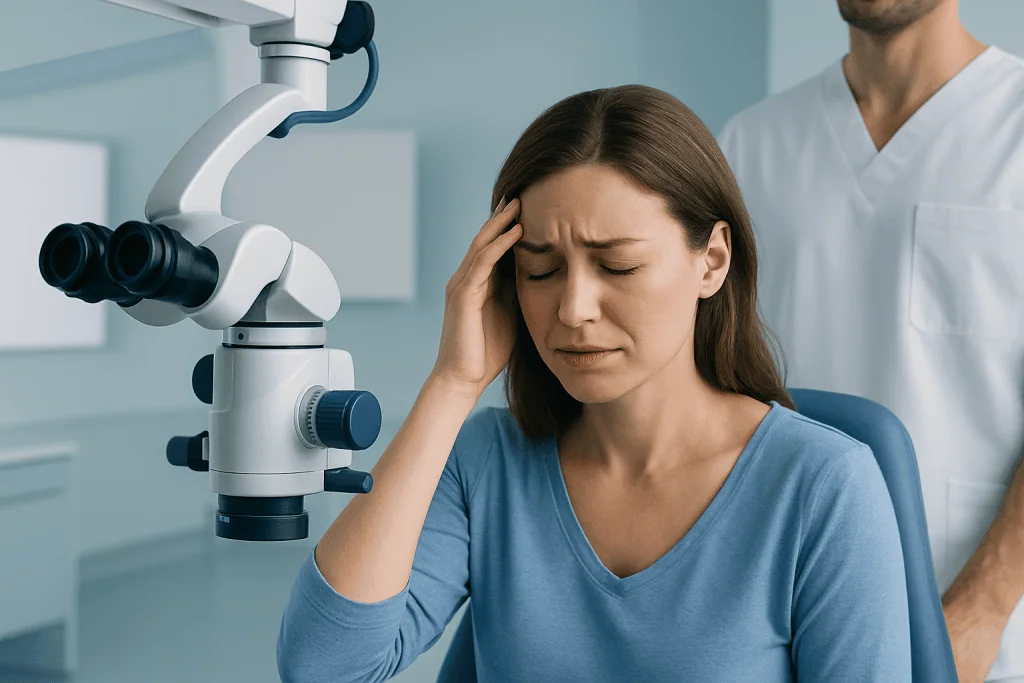
Scalp pain is not a single symptom with a single cause. It may feel sore to the touch, like the scalp is bruised, tight, or sunburned. Some people describe a stinging or burning sensation, while others feel pins and needles or a deep aching sensation at the crown, temples, or back of the head.
The timing also offers clues. Pain that appears after wearing a tight ponytail, braid, wig, helmet, or head covering may suggest traction or pressure. Pain that develops with itching, flaking, or redness can point to a skin condition. Tenderness that happens together with headache, light sensitivity, nausea, neck tightness, or scalp sensitivity may be related to a headache disorder rather than the scalp itself.
A doctor will also ask whether the pain is diffuse or limited to one area. One-sided pain with blisters or a stripe-like rash may suggest shingles. A tender patch with scaling or hair breakage can suggest fungal infection. Pain with swollen lymph nodes, warmth, or pus raises concern for infection around the hair follicles.
- Tender or sore when touched
- Burning or tingling
- Itching with discomfort
- Throbbing or pressure-like pain
- Pain linked to hair movement or styling
- Scalp sensitivity during a headache
Common causes and risk factors

One of the most common reasons for scalp pain is irritation or inflammation of the skin. This can happen with seborrheic dermatitis, psoriasis, eczema, allergic reactions to hair dye or styling products, or heavy buildup from oils and sprays. When the scalp barrier is irritated, even normal touch can become uncomfortable.
Hair and grooming habits are another frequent cause. Tight hairstyles can pull on the hair shafts and inflame the follicles, a problem often called traction. Heat tools, harsh bleaching, frequent coloring, over-washing, or vigorous scratching may also leave the scalp tender. Folliculitis, which is inflammation or infection of hair follicles, may cause painful bumps or pustules.
Scalp pain can also reflect pain processing in the nerves or surrounding muscles. Tension-type headaches, neck muscle strain, and migraine commonly make the scalp feel sensitive. A condition called cutaneous allodynia can make normally non-painful touch—such as combing hair—feel painful, especially during migraine attacks. Some people also develop occipital neuralgia, in which irritated nerves at the back of the head cause sharp or aching scalp pain.
Less common but important causes include shingles, fungal infection, cellulitis, autoimmune inflammatory disease, and temporal arteritis in older adults. Risk factors depend on the cause and may include sensitive skin, a history of eczema or psoriasis, recent new hair products, frequent tight styling, stress, recurrent headaches, diabetes or immune suppression, and age over 50 in the case of temporal arteritis.
Symptoms that suggest a more specific cause
Certain symptom patterns can help distinguish one cause from another. Itching, visible flakes, greasy scale, or redness often point toward dermatitis or psoriasis. Painful pimples, crusting, or pus suggest folliculitis or another infection. Patchy hair loss with scaling or broken hairs may indicate a fungal infection, while smooth patchy hair loss can suggest an autoimmune condition rather than a painful scalp disorder.
Burning or tingling without obvious rash may occur with nerve irritation, migraine-related scalp sensitivity, or recovering skin inflammation. If the pain follows a line or affects one side of the scalp and is later followed by a blistering rash, shingles becomes more likely. Headache, nausea, light sensitivity, and worsening with activity may support a diagnosis of migraine, and in selected cases a doctor may discuss migraine treatment as part of care.
Some symptoms need prompt attention. Scalp pain with fever, expanding redness, warmth, swelling, foul-smelling drainage, or rapid worsening raises concern for infection. In adults over 50, new scalp tenderness together with jaw pain when chewing, new headache, or vision symptoms can be a warning sign for temporal arteritis, which needs urgent assessment because it can affect sight.
How doctors diagnose the cause
Diagnosis usually starts with a careful history. A doctor may ask when the pain began, whether it is constant or intermittent, what it feels like, and whether it is linked to touching the scalp, washing hair, certain products, headaches, stress, illness, or recent hairstyles. Questions about itching, rash, hair loss, fever, and nerve-like symptoms help narrow the possibilities.
The scalp and surrounding areas are then examined closely. The doctor looks for redness, scale, plaques, blisters, pustules, tenderness, swollen lymph nodes, areas of thinning hair, and signs of scratching or contact irritation. The hair shafts, eyebrows, ears, face, and neck may also be checked because many skin conditions affect more than one area.
Additional tests are only used when needed. These may include a skin swab or culture for infection, a scraping or fungal test, blood tests if an inflammatory condition is suspected, or imaging if headache or nerve-related causes need further evaluation. If the main issue appears to be neurological or headache-related, referral for neurology evaluation may be helpful. If the scalp findings are mainly dermatologic, a specialist may assess for conditions such as psoriasis or contact dermatitis.
Treatment options and symptom relief
Treatment depends on the underlying cause, so there is no single best remedy for every sore scalp. Irritant or allergic reactions are often managed by stopping the triggering product and using gentler scalp care. Inflammatory skin disorders may improve with medicated shampoos, anti-inflammatory scalp treatments, or other prescription therapies selected by a doctor.
When hair practices are the main trigger, relief often comes from loosening hairstyles, avoiding traction, reducing heat and harsh chemical processing, and giving the scalp time to recover. If there is folliculitis, fungal infection, or another infectious cause, targeted antimicrobial treatment may be needed. Self-treating persistent or severe scalp infection is not advisable because different infections need different therapies.
If scalp pain is part of a headache disorder or nerve sensitivity, treatment focuses on controlling the underlying condition. That may include headache prevention strategies, trigger management, neck and posture assessment, or medications recommended by a clinician. In selected cases, doctors may also evaluate whether advanced care such as headache treatment is appropriate.
Supportive care can also help. Many people feel better by switching to fragrance-free products, washing with lukewarm rather than hot water, avoiding scratching, and protecting the scalp from excess sun exposure. Pain relievers that are suitable for the individual may help short term, but ongoing or unexplained pain should still be reviewed by a healthcare professional.
Prevention and self-care
Good scalp care is often simple. Choosing mild shampoos and limiting harsh dyes, relaxers, bleaching, or strong fragranced products can reduce irritation. People with sensitive skin may benefit from patch-testing new products when advised and introducing one new product at a time so triggers are easier to identify.
Hairstyling habits also matter. Tight braids, ponytails, buns, extensions, and heavy hairpieces can strain the follicles and scalp. Looser styles, regular breaks from traction, and gentle detangling are more comfortable for the scalp and may help reduce pain caused by pulling.
For those whose symptoms are linked to headaches or muscle tension, hydration, regular sleep, stress management, posture awareness, and timely headache care can reduce recurrence. If visible scalp disease, repeated tenderness, or hair shedding develops, early review by a dermatologist or another qualified doctor is often more effective than repeated home experimentation.
Near the end of the care journey, some people benefit from coordinated input across specialties. Acibadem International’s multidisciplinary specialists in JCI-accredited hospitals diagnose and treat scalp, skin, headache, and neurological causes of scalp pain for international patients when further evaluation is needed.
When to seek medical care
Most scalp pain is not an emergency, but certain features warrant medical advice. A person should seek care if the pain is severe, lasts more than a few days without a clear cause, keeps returning, or interferes with sleep, daily activities, or hair care. Medical review is also important when there is a new rash, blisters, drainage, fever, swollen glands, or sudden hair loss.
Prompt assessment is especially important for signs of infection such as spreading redness, warmth, tenderness, swelling, or pus. New scalp tenderness in an older adult along with jaw pain when chewing, visual changes, or a new temple headache needs urgent attention. These symptoms can indicate conditions that should be treated quickly.
If scalp pain comes with weakness, facial drooping, confusion, severe sudden headache, or other neurological symptoms, emergency care is appropriate. Even when the cause is ultimately minor, getting an accurate diagnosis can bring reassurance and help prevent the problem from recurring.
Frequently asked questions
Can stress make the scalp hurt?
Yes. Stress can contribute to muscle tension in the neck and scalp and can also worsen headache disorders, both of which may increase scalp sensitivity. Stress may also lead to scratching, tight hairstyles, or flares of skin conditions that make the scalp sore.
Why does my scalp hurt when I move my hair?
Pain when moving the hair is often related to scalp inflammation, product irritation, follicle sensitivity, or traction from hairstyles. During a migraine or other pain-sensitization state, even light pulling from moving the hair can feel uncomfortable.
Is scalp pain a sign of hair loss?
Not always. Many common causes of scalp pain do not lead to hair loss. However, some inflammatory or infectious scalp conditions can affect the hair follicles, so pain with shedding, scaling, or patches of thinning should be evaluated.
Can dandruff cause scalp pain?
Dandruff itself often causes flaking and itching, but the underlying scalp inflammation can sometimes lead to tenderness or burning. If symptoms are painful, severe, or not improving with gentle care, a doctor can check for seborrheic dermatitis or another scalp disorder.
Should scalp pain be treated at home or by a doctor?
Mild, short-lived pain linked to an obvious trigger such as a tight hairstyle or irritating product may improve with gentle self-care. Medical review is recommended if the pain is persistent, severe, recurrent, or associated with rash, infection, fever, or vision or jaw symptoms.
Can a headache cause scalp tenderness without a scalp rash?
Yes. Migraine and tension-related headaches can make the scalp feel tender even when the skin looks normal. This happens because the nerves involved in pain become more sensitive, making touch or hair brushing feel uncomfortable.
References
- American Academy of Dermatology
- National Health Service
- Mayo Clinic
- National Institute of Neurological Disorders and Stroke
- American Migraine Foundation
This article is for general information only and is not a substitute for professional medical advice. Please consult a qualified doctor about your individual situation.
Hair transplant in Turkey — costs, graft counts & a free assessment
JCI-accredited · board-certified surgeons · reply within 24h
Add us as a Preferred Source to see more of our trusted health content across Google Search, AI Overviews and Discover.