Why Does My Vagina Smell Like Ammonia? A Doctor-Reviewed Answer

An ammonia-like odor is often linked to concentrated urine, dehydration, sweat, or urine remaining on the skin or underwear. The vagina has a natural scent that can change with the menstrual cycle, exercise, sex, pregnancy, and hormonal changes.
Key Takeaways
- An ammonia-like odor is often linked to concentrated urine, dehydration, sweat, or urine remaining on the skin or underwear.
- The vagina has a natural scent that can change with the menstrual cycle, exercise, sex, pregnancy, and hormonal changes.
- A strong ammonia odor is not the most typical sign of bacterial vaginosis or a yeast infection, but these and urinary tract infections may cause other symptoms that need evaluation.
- Avoid douching and fragranced intimate products, which can irritate the vulva and disrupt the vaginal environment.
- Medical review is important if the odor persists, is new and troubling, or occurs with pelvic pain, fever, abnormal discharge, bleeding, or painful urination.
An ammonia-like smell from the vaginal area is commonly caused by concentrated urine, sweat, or moisture around the vulva rather than a problem inside the vagina. However, a new or persistent odor—especially with pain, itching, discharge, burning, fever, or urinary symptoms—should be assessed by a qualified clinician.
Why an Ammonia-Like Smell Can Happen
If someone wonders, “why does my vagina smell like ammonia?”, the most common explanation is not usually the vagina itself. Ammonia is a chemical present in urine, and urine can smell stronger when it is concentrated. This may happen after not drinking enough fluids, first thing in the morning, after exercise, or during hot weather. A small amount of urine left on the vulvar skin, pubic hair, underwear, or a pad can create an ammonia-like odor.
Sweat, normal skin bacteria, tight clothing, and moisture can also change how the genital area smells. The vulva is the external genital skin; the vagina is the internal canal. These areas are close to the urethra, where urine leaves the body, so odors may blend together. A temporary odor without other symptoms is often harmless and may improve with hydration and gentle external hygiene.
Still, an ongoing or unfamiliar smell deserves attention, particularly if it comes with changes in discharge, itching, soreness, urinary discomfort, or pelvic pain. The odor alone cannot confirm a diagnosis. A clinician can help distinguish normal odor variation from a urinary, vaginal, skin, or other health concern.
What Is Normal Vaginal and Vulvar Odor?
Healthy vaginas do not need to be odorless. Normal vaginal fluid contains lactobacilli and other microorganisms that help maintain an acidic environment. This natural balance can create a mild musky, tangy, or slightly metallic scent, and the smell may vary from day to day.
Odor can change around menstruation because blood has its own scent. It may also change after sexual activity, following exercise, with sweating, during pregnancy, or near menopause when hormone levels influence vaginal tissues. These changes are usually not concerning when they are mild, short-lived, and not accompanied by discomfort or unusual discharge.
It is helpful to avoid judging vaginal health based on fragrance products or social expectations. Perfumed washes, deodorant sprays, scented pads, and vaginal douches are not necessary. They may cause irritation or alter the vaginal microbiome, sometimes worsening odor or increasing the likelihood of infection.
Common Reasons for an Ammonia Smell

Concentrated urine is a frequent cause of an ammonia-like smell. When fluid intake is low, urine becomes darker and more concentrated, which can make its natural odor more noticeable. Certain foods, vitamins, and medicines may also change urine odor. This does not necessarily indicate illness, particularly when the change is brief and there are no urinary symptoms.
Moisture around the vulva can trap odor. This may occur after sweating, exercise, wearing non-breathable clothing, using panty liners for long periods, or having mild urine leakage. Urine leakage can occur with coughing, laughing, lifting, or urgent bladder needs. A clinician can evaluate persistent leakage and discuss appropriate care.
A urinary tract infection may cause urine that smells stronger than usual, along with burning during urination, urgency, frequent urination, lower abdominal discomfort, or cloudy urine. An ammonia odor by itself does not prove a urinary tract infection. However, people who develop these symptoms may benefit from assessment for a urinary tract infection.
Vaginal conditions can also cause an odor that may be described in different ways. Bacterial vaginosis more commonly causes a fishy odor and thin grayish or white discharge. Yeast infection often causes itching, soreness, and thicker discharge, but it does not typically cause a strong ammonia smell. Sexually transmitted infections can sometimes affect discharge or odor and should be tested for when there is a possibility of exposure.
Symptoms That May Point to Another Cause
Symptoms alongside odor provide important clues. Burning when urinating, a frequent urge to urinate, pressure over the bladder, or blood in the urine can suggest a urinary problem. If symptoms are severe, recurrent, or accompanied by back or side pain, clinical evaluation is especially important.
Changes in vaginal discharge may point toward a vaginal infection or irritation. Examples include thin discharge with a fishy smell, thick clumpy discharge with marked itching, green or yellow discharge, sores, swelling, or pain during sex. These symptoms should not be self-diagnosed from odor alone because several conditions can overlap.
Occasionally, the source of the smell is external skin irritation. Shaving, friction, allergic reactions to products, skin conditions, or prolonged dampness can cause redness, tenderness, or a changed skin odor. Gentle care and a medical assessment can identify whether the concern is on the vulva, in the vagina, or related to the urinary tract.
- More reassuring pattern: a brief odor change after exercise, dehydration, or sleeping, without pain, itching, discharge changes, or urinary symptoms.
- Needs assessment: odor lasting several days, recurring regularly, or occurring with discharge, itching, pain, burning, fever, bleeding, or new urinary symptoms.
How a Doctor Evaluates the Cause
A doctor will usually begin by asking when the odor started, whether it is linked to urination, periods, exercise, sexual activity, new products, or possible pregnancy, and whether there are associated symptoms. Information about fluid intake, medications, past infections, diabetes, urinary leakage, and sexual health may also be relevant.
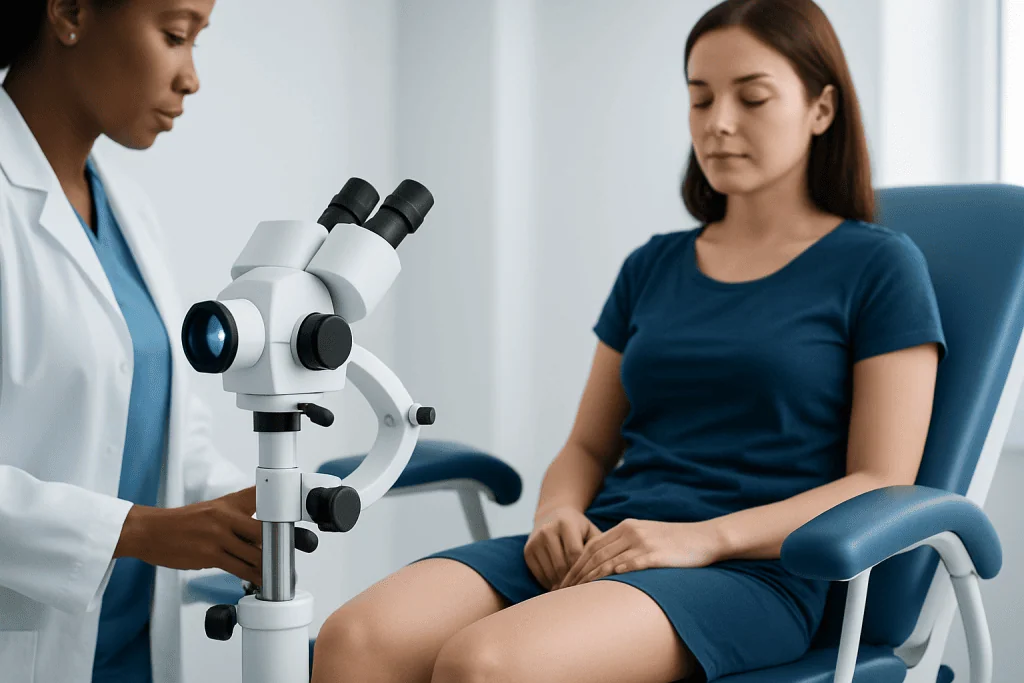
If needed, the clinician may examine the external genital skin and perform a pelvic examination with the patient’s consent. Vaginal fluid can be tested for common causes of abnormal discharge and odor, such as bacterial vaginosis, yeast infection, or certain sexually transmitted infections. Testing is more reliable than treating based solely on symptoms or an over-the-counter product choice.
A urine sample may be checked for infection, blood, glucose, or other signs that guide care. People with repeated urinary symptoms, incontinence, or complex medical histories may need additional assessment. The goal is to identify the source of the odor and recommend care that matches the actual cause rather than masking the symptom.
Safe Self-Care and Prevention
For a mild, temporary ammonia-like smell, drinking water regularly may help dilute urine. The appropriate amount varies by individual health needs, activity level, climate, and medical conditions. People who have been advised to limit fluids because of heart, kidney, or other conditions should follow their clinician’s guidance.
Wash only the external vulvar area with lukewarm water; if soap is used, choose a mild, fragrance-free product and avoid getting it inside the vagina. Pat the area dry rather than rubbing. Change out of damp workout clothes and wet swimwear promptly, and consider loose, breathable underwear and clothing when possible.
Avoid douching, vaginal deodorants, scented wipes, scented pads, and strong cleansers. These products can irritate delicate tissue and interfere with the natural balance of vaginal bacteria. If urine leakage is contributing to odor, changing underwear or pads promptly and discussing persistent symptoms with a clinician can be helpful.
It is best not to use antibiotics, antifungal medicines, or home remedies solely because of an odor. The wrong treatment can delay the correct diagnosis or disturb the vaginal environment further. A healthcare professional can advise whether testing or targeted treatment is needed.
When to Seek Medical Care
Seek medical advice if the ammonia-like smell is persistent, repeatedly returns, or does not improve after addressing dehydration and external moisture. A prompt appointment is also appropriate for burning or pain with urination, urinary urgency, frequent urination, pelvic discomfort, itching, swelling, sores, or a noticeable change in vaginal discharge.
Urgent medical care is important for fever, chills, vomiting, severe pelvic or abdominal pain, pain in the back or side near the kidneys, confusion, or feeling very unwell. Pregnant people should contact their maternity clinician promptly for new odor with discharge, pain, bleeding, fever, or possible fluid leakage.
People who have a new sexual partner, possible exposure to a sexually transmitted infection, or symptoms after unprotected sex should arrange testing, even if symptoms are mild. Early assessment allows appropriate treatment and helps protect both the individual and sexual partners.
Acibadem International’s multidisciplinary specialists and JCI-accredited hospitals can assess vaginal and urinary symptoms for international patients when further evaluation is needed. A clinician can provide individualized advice based on symptoms, examination findings, and appropriate tests.
Frequently asked questions
Can dehydration make the vaginal area smell like ammonia?
Yes. Dehydration can make urine more concentrated, which may create a stronger ammonia-like odor around the vulva or in underwear. Drinking fluids regularly may help if dehydration is the cause and there are no other concerning symptoms.
Does an ammonia smell mean there is a vaginal infection?
Not necessarily. An ammonia-like smell is often related to urine or moisture on the external genital area. Vaginal infections may cause odor, but they usually also cause symptoms such as discharge changes, itching, irritation, or pain and need proper testing for diagnosis.
Why does the smell seem stronger after exercise?
Sweat, warmth, tight clothing, and reduced fluid intake can make odors more noticeable after exercise. Urine residue and damp underwear can also contribute. Changing promptly into clean, dry clothes and maintaining hydration can help.
Can a urinary tract infection cause an ammonia smell?
A urinary tract infection can make urine smell stronger or different, but odor alone is not enough to diagnose one. Burning during urination, urgency, frequent urination, lower abdominal discomfort, fever, or back pain are reasons to seek medical advice.
Should someone douche to remove an unusual vaginal smell?
No. Douching is not recommended because it can irritate vaginal tissues and disturb the normal balance of protective bacteria. Gentle washing of the external vulva with water and medical evaluation for persistent symptoms are safer approaches.
When should an ammonia-like smell be checked by a doctor?
A doctor should assess a smell that persists, recurs, or occurs with unusual discharge, itching, pelvic pain, urinary burning, fever, bleeding, or sores. Prompt assessment is also advisable during pregnancy or after possible exposure to a sexually transmitted infection.
References
- American College of Obstetricians and Gynecologists
- Centers for Disease Control and Prevention
- National Institute of Diabetes and Digestive and Kidney Diseases
- Mayo Clinic
- NHS
This article is for general information only and is not a substitute for professional medical advice. Please consult a qualified doctor about your individual situation.
Hair transplant in Turkey — costs, graft counts & a free assessment
JCI-accredited · board-certified surgeons · reply within 24h
Add us as a Preferred Source to see more of our trusted health content across Google Search, AI Overviews and Discover.

More from the Health Library



Related Specialists

Asst. Prof. Dr. Hamdi Toköz
Cardiovascular Surgery
Dr. İlke Karagöz
Aesthetic Plastic & Reconstructive Surgery
Assoc. Prof. Dr. Bahadır Topuz
Urology
Dr. Hasan Kamburoğlu
Anesthesiology