Why Is My Saliva So Thick? Here Is What the Evidence Says

Thick saliva usually reflects reduced saliva flow or increased mucus rather than a serious disease. Common triggers include dehydration, dry mouth, medications, smoking, mouth breathing, and oral infections.
Key Takeaways
- Thick saliva usually reflects reduced saliva flow or increased mucus rather than a serious disease.
- Common triggers include dehydration, dry mouth, medications, smoking, mouth breathing, and oral infections.
- Red flags include persistent symptoms, painful swelling, trouble swallowing, fever, blood, or unexplained weight loss.
- Doctors diagnose the cause with a symptom review, medication history, mouth and neck exam, and sometimes tests or imaging.
- Treatment depends on the cause and may include hydration, medication review, oral care, and treatment of salivary gland or dental conditions.
Thick saliva is often harmless and commonly happens when the mouth is dry, such as during dehydration, mouth breathing, or while taking certain medicines. If it persists, becomes painful, or comes with trouble swallowing, fever, swelling, or weight loss, a medical evaluation can help identify the cause and guide treatment.
Overview: what thick saliva usually means
For many people asking, why is my saliva so thick, the most likely explanation is simple: the mouth is too dry. When the body is low on fluid, saliva production drops and the remaining saliva can feel sticky, stringy, foamy, or harder to swallow. This can happen after sleeping with the mouth open, during an illness, after exercise, or while taking medicines that reduce saliva flow.
Thick saliva can also happen when the mouth makes more mucus, when the salivary glands are irritated, or when oral health problems affect the normal balance of moisture in the mouth. In some cases, it is linked to dental issues, infections, blocked salivary ducts, or medical conditions that cause dry mouth. While the symptom is often temporary, it deserves attention if it keeps returning or starts interfering with eating, speaking, or swallowing.
A reassuring point is that thick saliva on its own is commonly manageable. However, if it comes with facial swelling, severe dryness, mouth sores, bad breath that does not improve, fever, or pain near the jaw, a doctor or dentist can help look for a specific cause rather than assuming it is only dehydration.
How thick saliva can feel and what may come with it
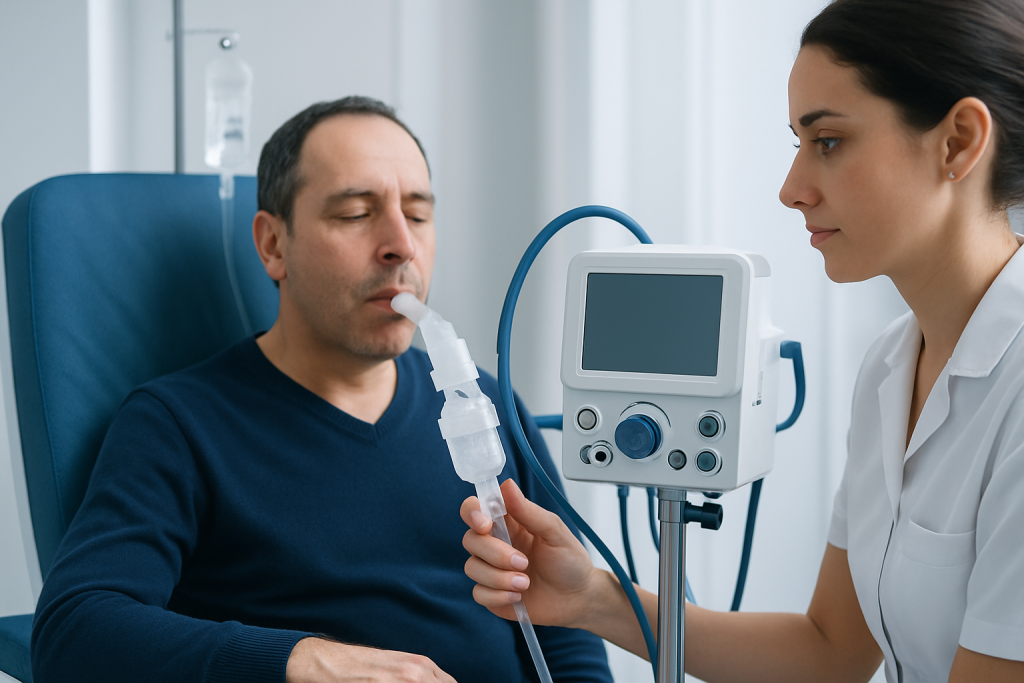
People describe thick saliva in different ways. It may feel sticky, glue-like, foamy, ropy, or unusually hard to clear from the mouth and throat. Some notice that they need to sip water frequently, clear their throat more often, or have trouble speaking for long periods. Others feel that food is harder to chew and swallow because the mouth is not moist enough.
Other symptoms often help point toward the cause. A very dry mouth, cracked lips, thirst, and dark urine can suggest dehydration. Burning in the mouth, bad breath, white patches, or soreness may suggest an oral infection. Tender swelling in front of the ears or under the jaw can suggest a salivary gland problem, including blockage or inflammation.
Symptoms that should not be ignored include:
- Difficulty swallowing or a choking sensation
- Painful swelling of the face, jaw, or neck
- Fever or feeling generally unwell
- Blood in saliva
- Dry eyes along with dry mouth
- Unexplained weight loss or a new lump in the mouth or neck
These features do not always mean a serious illness, but they do make a medical review more important.
Common causes and risk factors

The most common cause of thick saliva is reduced saliva flow, also called dry mouth or xerostomia. This can be triggered by not drinking enough fluids, vomiting or diarrhea, fever, heavy exercise, alcohol use, or spending time in a dry environment. Mouth breathing during sleep, nasal congestion, and snoring can also dry the mouth overnight and make saliva feel thick in the morning.
Medicines are another frequent reason. Antihistamines, some antidepressants, decongestants, blood pressure medicines, bladder medicines, and some pain medicines can all reduce saliva production. Smoking, vaping, and frequent caffeine or alcohol use may worsen the problem. In older adults, more than one of these factors may be present at the same time.
Thick saliva can also be related to problems in the mouth itself. Gum disease, tooth decay, oral thrush, or poorly fitting dental appliances may change the comfort and moisture of the mouth. If there is swelling or pain near the salivary glands, a blocked duct or inflammation may be involved. In some people, reflux, allergies, or postnasal drip can increase throat mucus and make saliva seem thicker than usual.
Less commonly, ongoing dry mouth and sticky saliva can be associated with medical conditions such as diabetes, autoimmune disorders including Sjogren syndrome, or effects of radiation therapy to the head and neck. If symptoms are persistent, a clinician may also consider related conditions such as salivary gland stones or oral thrush when the history and examination suggest them.
How a doctor finds the cause
When thick saliva does not improve, a doctor will usually begin with a focused history. They may ask when the symptom started, whether it is worse in the morning or all day, how much fluid the person drinks, and whether there is pain, swelling, bad taste, reflux, dental discomfort, or trouble swallowing. A full medication review is especially important because many common drugs affect saliva production.
The physical examination often includes the mouth, tongue, teeth, gums, throat, and neck. A clinician may look for signs of dehydration, oral infection, inflamed gums, enlarged salivary glands, blocked ducts, or mouth ulcers. They may also ask about dry eyes, joint symptoms, or nasal blockage if a broader condition is suspected.
Tests are not always needed, but they may be useful if the cause is unclear or symptoms are persistent. Depending on the situation, a clinician might recommend blood tests for diabetes or autoimmune disease, a swab if infection is suspected, or imaging of the salivary glands if a blockage or structural problem is possible. In selected cases, dental evaluation or ENT assessment can help clarify the source of symptoms.
If swallowing feels difficult, painful, or unsafe, more targeted evaluation may be needed. This is particularly important when thick saliva is accompanied by choking, coughing during meals, recurrent chest infections, or significant weight loss.
Treatment options depend on the reason
Treatment for thick saliva works best when it addresses the underlying cause. If dehydration is the main issue, increasing fluid intake and avoiding excess alcohol may be enough. If medicines are contributing, a doctor may be able to adjust the treatment plan or timing. No one should stop prescribed medicines without medical advice, but a medication review can be very helpful.
When dry mouth is a major factor, supportive care can improve comfort. This may include frequent sips of water, sugar-free gum or lozenges to stimulate saliva, careful oral hygiene, and avoiding tobacco. If nasal blockage or mouth breathing is part of the problem, treating the nose and sinuses may help reduce overnight dryness.
If a salivary gland is blocked, inflamed, or infected, treatment may involve hydration, gland massage, sour sugar-free sweets to encourage saliva flow, and sometimes antibiotics or a procedure. For ongoing gland problems, a doctor may recommend further assessment or procedures related to salivary gland surgery when conservative steps are not enough.
When thick saliva is linked to dental or oral disease, treatment may involve professional cleaning, management of gum disease, or treatment of infection. If swallowing problems are present, specialists may assess the need for swallowing disorders treatment. If symptoms are driven by severe dry mouth from a medical condition, targeted dry mouth treatment may be suggested as part of a broader care plan.
Self-care steps that may help at home
Simple daily measures often improve thick saliva, especially when symptoms are mild. Drinking water regularly through the day is one of the most helpful steps. Some people find it easier to take frequent small sips rather than large amounts at once. Using a humidifier at night may reduce dryness, particularly in heated or air-conditioned rooms.
Good oral care also matters. Brushing twice daily, flossing, and keeping dental visits up to date can reduce irritation and infection that may worsen sticky saliva. Sugar-free gum or lozenges may stimulate saliva in some people, but products with a lot of sugar should be avoided because dry mouth raises the risk of tooth decay.
It may also help to limit triggers that dry the mouth further. These include smoking, vaping, excess caffeine, and alcohol-based mouthwashes. If symptoms are worst after sleeping, managing nasal congestion and trying to breathe through the nose rather than the mouth can make a noticeable difference.
Self-care is useful, but it should not replace medical advice when symptoms are severe or persistent. Ongoing thick saliva can affect eating, speaking, sleep, and dental health, so it is reasonable to seek assessment if home measures are not enough.
When to seek medical care
Medical review is advisable if thick saliva lasts more than a couple of weeks, keeps coming back, or starts affecting daily life. A doctor or dentist should also assess symptoms if there is mouth pain, swollen glands, bad breath that persists despite oral care, white patches, repeated dental problems, or a very dry mouth that does not improve with hydration.
Urgent care is more important if thick saliva is paired with trouble swallowing, choking, shortness of breath, high fever, severe facial swelling, or signs of dehydration such as dizziness and very little urine. These symptoms may point to an infection, significant blockage, or another condition that needs prompt treatment.
People who have diabetes, autoimmune disease, a history of head and neck radiation, or a new neck lump should be especially cautious about persistent symptoms. In these settings, a clinician may want to investigate earlier to protect oral health, hydration, and safe swallowing.
Near the end of the care pathway, some people benefit from a team approach involving dentistry, ENT, gastroenterology, or internal medicine. Acibadem International’s multidisciplinary specialists in JCI-accredited hospitals also diagnose and treat salivary, oral, and swallowing-related concerns for international patients when further evaluation is needed.
Frequently asked questions
Is thick saliva usually a sign of dehydration?
Often, yes. Dehydration is one of the most common reasons saliva becomes sticky or stringy because the mouth produces less fluid. Drinking water regularly may help, but persistent symptoms still deserve a review.
Can medications cause thick saliva?
Yes, many common medicines can reduce saliva flow and make the mouth feel dry. Antihistamines, some antidepressants, decongestants, and several other drugs may contribute. A doctor or pharmacist can review medicines safely if symptoms began after a new prescription or dose change.
What is the difference between thick saliva and mucus?
Saliva is the normal fluid made by the salivary glands to moisten the mouth and help with chewing and swallowing. Mucus is thicker and is produced by tissues lining the nose, throat, and airways. Postnasal drip, allergies, or reflux can make throat mucus more noticeable and may be mistaken for thick saliva.
Can anxiety or stress make saliva feel thick?
It can. Stress and anxiety may reduce the sensation of normal saliva flow, increase mouth breathing, or worsen dry mouth habits such as not drinking enough water. Even so, ongoing symptoms should not automatically be blamed on stress without considering other causes.
Should a person see a dentist or a doctor first?
Either may be appropriate depending on the symptoms. A dentist is often helpful when there is dry mouth, tooth decay, gum problems, or mouth discomfort, while a doctor may be better placed to assess medicines, dehydration, gland swelling, or broader medical causes. If swallowing is difficult or there is fever or facial swelling, a medical review is important.
How can thick saliva be relieved at home?
Helpful steps may include drinking water regularly, using sugar-free gum or lozenges, avoiding tobacco and excess alcohol, and keeping up with oral hygiene. A humidifier at night may also reduce morning dryness. If symptoms do not improve or keep returning, professional advice is recommended.
References
- National Institute of Dental and Craniofacial Research
- American Dental Association
- Mayo Clinic
- National Health Service
- Cleveland Clinic
This article is for general information only and is not a substitute for professional medical advice. Please consult a qualified doctor about your individual situation.
Medical weight-loss options in Turkey — costs & eligibility
JCI-accredited · board-certified surgeons · reply within 24h
Add us as a Preferred Source to see more of our trusted health content across Google Search, AI Overviews and Discover.
Check your numbers in seconds
BMI, calories, due date, blood pressure and 30+ more clinical calculators — free, instant, doctor-reviewed ranges.