Wisdom Teeth — Explained by Medical Evidence, Not Myths

Wisdom teeth are the last permanent teeth to erupt, usually between ages 17 and 25. Some wisdom teeth grow in normally, but others become impacted or partially erupted.
Key Takeaways
- Wisdom teeth are the last permanent teeth to erupt, usually between ages 17 and 25.
- Some wisdom teeth grow in normally, but others become impacted or partially erupted.
- Pain, swelling, jaw stiffness, gum infection, or repeated food trapping can be signs of a problem.
- Dental exams and panoramic X-rays help determine whether wisdom teeth need observation or treatment.
- Removal is considered when wisdom teeth cause symptoms, infection, decay, cysts, or harm to nearby teeth.
Wisdom teeth are the third molars that usually appear in the late teens or early twenties. They do not always cause problems, but when they are impacted, hard to clean, or damage nearby teeth, a dentist or oral surgeon may recommend monitoring or removal.
Overview: what wisdom teeth are and why they matter
Wisdom teeth are the third set of molars at the very back of the mouth. Most people have up to four wisdom teeth, one in each corner, although some people have fewer or none at all. They usually begin to erupt between the late teenage years and the mid-twenties, which is why they are commonly associated with the transition to adulthood.
From a medical perspective, wisdom teeth are not automatically a problem. Many remain healthy and functional when they have enough space to grow in fully and can be cleaned properly. Concerns arise when there is not enough room in the jaw, when the tooth grows at an angle, or when part of it remains trapped under the gum or bone. This is called impaction.
The main reason wisdom teeth receive so much attention is that they sit in a hard-to-reach area. Even when they partially erupt, they can create pockets where food and bacteria collect. This can increase the risk of gum inflammation, tooth decay, bad breath, and infection. In some cases, they may also press against the second molars and affect neighboring teeth.
Medical evidence supports an individualized approach rather than myths or assumptions. Not every wisdom tooth needs removal. Instead, dentists and oral surgeons consider symptoms, position, cleaning ability, X-ray findings, and the risk of future complications before advising observation or wisdom tooth extraction.
How wisdom teeth develop and why they can become impacted
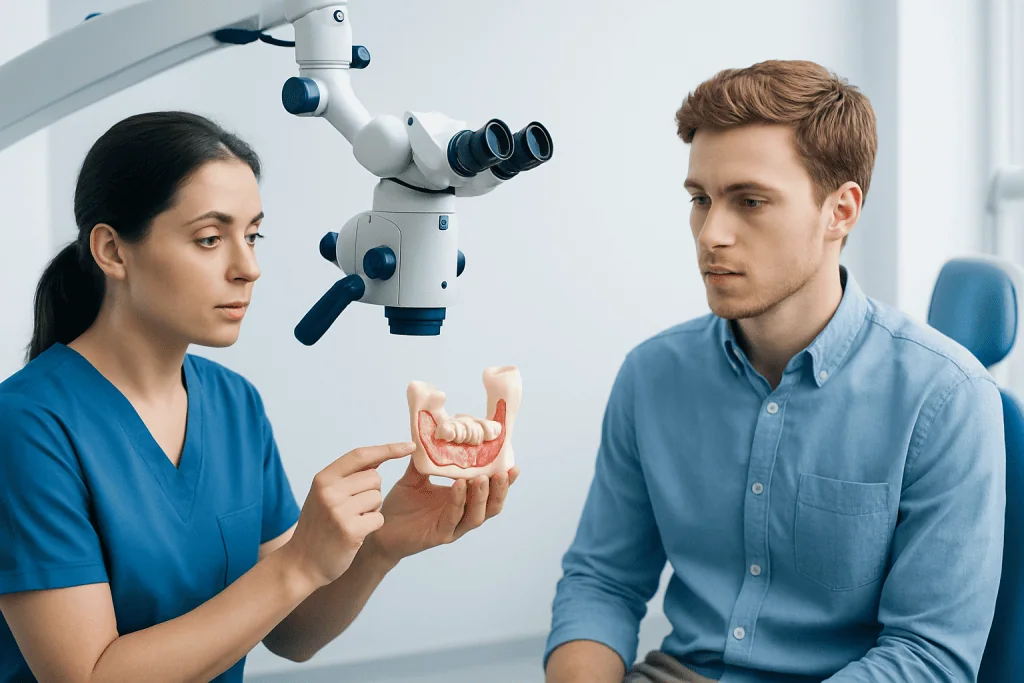
Wisdom teeth form like other teeth, developing below the gums before trying to erupt into the mouth. The modern human jaw is often smaller than the space needed for all 32 permanent teeth. As a result, the third molars may not have enough room to come in straight or fully.
Impacted wisdom teeth may remain completely hidden under the gums, partially erupt, or emerge in an abnormal direction. A tooth can tilt toward the tooth in front of it, grow outward toward the cheek, angle inward toward the tongue, or stay trapped vertically under the gum. The exact position affects the type of symptoms and the approach to treatment.
Partial eruption can be especially troublesome because a flap of gum tissue may cover part of the tooth. Bacteria can collect in this area and lead to inflammation or infection around the tooth, a condition known as pericoronitis. Recurrent episodes may cause swelling, pain with chewing, and difficulty opening the mouth.
Impaction itself is not always painful. Some people learn they have impacted wisdom teeth only after a routine dental X-ray. Even without symptoms, a clinician may recommend periodic monitoring if the tooth appears stable and is not harming nearby structures.
Symptoms and possible complications

Wisdom teeth can be completely symptom-free, especially if they erupt normally. When symptoms do occur, they often include pain or pressure at the back of the mouth, swollen or tender gums, jaw soreness, and discomfort when chewing. Some people notice a bad taste, unpleasant breath, or recurring food trapping behind the second molars.
A partially erupted or impacted wisdom tooth may lead to repeated gum infection. The gum around the tooth can become red, swollen, and painful, and it may bleed more easily during brushing. Inflammation may also make it harder to open the mouth fully. If infection spreads, facial swelling or swollen lymph nodes can develop.
Other complications can affect nearby teeth and tissues. Wisdom teeth that are difficult to clean can develop cavities, and they may also contribute to decay on the neighboring second molar. Less commonly, a fluid-filled sac or cyst can form around an unerupted tooth and damage bone or adjacent tooth roots if left untreated. Problems such as tooth decay and local gum disease may become more likely when oral hygiene in the area is poor.
Many people worry that wisdom teeth always cause front teeth crowding. This belief is common, but the relationship is not straightforward. Changes in tooth alignment can happen over time for several reasons, and wisdom teeth are not considered the sole cause in every case. A dental assessment is needed to understand what is actually happening in an individual mouth.
How dentists diagnose wisdom tooth problems
Diagnosis starts with a dental history and examination. A dentist asks about pain, swelling, repeated infections, chewing difficulty, and previous episodes of discomfort. During the exam, the clinician checks the gums, the visible part of the tooth, the surrounding tissues, and the health of nearby molars.
X-rays are a key part of evaluation because they show teeth that are still below the gum line and reveal the angle of eruption. A panoramic dental X-ray often provides a broad view of all wisdom teeth, the jaws, and nearby structures. In selected cases, additional imaging may be used to understand the tooth’s relationship to nerves, sinuses, or adjacent roots.
Diagnosis is not only about finding a wisdom tooth but also about assessing risk. The dentist considers whether the tooth can be cleaned properly, whether it is likely to erupt fully, whether there is damage to the neighboring second molar, and whether infection, cyst formation, or decay is present. This helps guide the choice between watchful monitoring and treatment.
In some cases, symptoms at the back of the mouth may come from another cause, such as decay in a different tooth, jaw joint problems, or sinus-related discomfort. A careful examination helps avoid assuming that every symptom is caused by wisdom teeth.
Treatment options: monitoring, symptom relief, and removal
Treatment depends on whether the wisdom teeth are healthy, symptomatic, and likely to cause harm. If a wisdom tooth has erupted normally, can be cleaned well, and shows no signs of disease, a dentist may recommend regular follow-up rather than immediate removal. Ongoing exams and X-rays help detect changes over time.
When irritation or mild inflammation occurs, short-term self-care may help while the person arranges dental evaluation. Gentle cleaning, warm salt-water rinses, and avoiding trauma to the area can reduce discomfort. However, repeated pain, swelling, infection, or food trapping usually means the area needs professional assessment.
Removal is often advised when a wisdom tooth is impacted, repeatedly infected, decayed, damaging a nearby tooth, or associated with a cyst or gum disease. The procedure may be a simple extraction if the tooth has fully erupted, or a surgical extraction if it is trapped under gum or bone. If broader restorative needs are present, the clinician may also discuss related dental treatment options for neighboring teeth.
Before surgery, the care team explains the position of the tooth, the expected steps of the procedure, anesthesia or sedation options, and the likely recovery period. In more complex cases, especially when several teeth or nearby structures are involved, oral and maxillofacial specialists may coordinate care. At experienced centers, this can be part of comprehensive oral and dental health care.
Recovery after wisdom teeth removal and self-care at home
Recovery after wisdom tooth removal is usually gradual and manageable. Mild to moderate swelling, soreness, and limited jaw opening are common in the first few days. The dental team typically advises rest, careful oral hygiene, and a soft-food diet while the extraction sites begin to heal.
People are usually told to avoid smoking, forceful rinsing, and using straws immediately after extraction because these actions can disturb the blood clot that protects the healing socket. Keeping the head elevated, applying cold packs as advised, and following written aftercare instructions can support recovery. Any prescribed or recommended medications should be used exactly as directed by the treating clinician.
Good nutrition and hydration matter during healing. Soft foods such as yogurt, soups, mashed vegetables, eggs, and smoothies eaten carefully without a straw are often easier at first. As tenderness improves, a person can gradually return to a normal diet according to the dentist’s advice.
Follow-up is important if stitches were placed, symptoms are not improving, or there is concern about bleeding or infection. Most people recover without difficulty, but persistent severe pain, worsening swelling, fever, or a bad taste that does not improve should be reviewed by a dental professional.
Prevention, regular dental care, and when to seek medical care
There is no guaranteed way to prevent impaction because jaw size and tooth position are influenced by growth and anatomy. However, regular dental checkups can identify developing wisdom teeth early and help prevent avoidable complications. Early monitoring may allow a clinician to spot gum inflammation, decay, or pressure on nearby teeth before symptoms become more disruptive.
Daily brushing and flossing remain important, especially around the back molars. If the area is difficult to reach, a dentist may suggest specific cleaning techniques or tools. Good oral hygiene does not always prevent impaction, but it can reduce the risk of infection and decay around partially erupted teeth.
Medical care should be sought promptly if there is significant swelling, fever, difficulty swallowing, trouble opening the mouth, pus around the gum, or pain that is severe or keeps returning. These signs may indicate infection or another condition that needs professional treatment. Ongoing bleeding after extraction also requires review.
For people who need specialist assessment, Acibadem International’s multidisciplinary specialists and JCI-accredited hospitals diagnose and treat dental and oral surgery conditions for international patients. A qualified dentist or oral surgeon can explain whether a person’s wisdom teeth are best observed or removed based on clinical findings rather than myths.
Frequently asked questions
Do all wisdom teeth need to be removed?
No. Wisdom teeth do not need to be removed if they are healthy, fully erupted, well positioned, and easy to clean. Removal is usually considered when they cause pain, infection, decay, damage to nearby teeth, or other complications.
At what age do wisdom teeth usually come in?
Wisdom teeth most often erupt between ages 17 and 25. Some appear earlier or later, and some never erupt at all. A dentist can often see them developing on X-rays before they become visible in the mouth.
What does it mean if a wisdom tooth is impacted?
An impacted wisdom tooth does not have enough room to erupt normally. It may stay trapped under the gum or bone, or it may come in only partway. Impacted teeth can be symptom-free, but they may also lead to pain, infection, or problems with nearby teeth.
Can wisdom teeth cause headaches or ear pain?
They can sometimes cause referred discomfort in the jaw, temple, or ear area, especially if there is inflammation, pressure, or infection. However, headaches and ear pain have many possible causes. A dental or medical evaluation is helpful if symptoms are persistent or unclear.
How long does recovery take after wisdom teeth removal?
Initial recovery usually takes a few days, while the gum and deeper tissues continue healing over several weeks. Swelling and soreness are often most noticeable early on and then gradually improve. The exact timeline depends on how complex the extraction was and the person's general healing process.
Is wisdom tooth pain always a sign of infection?
No. Pain may come from pressure during eruption, irritation of the gum, decay, or inflammation around a partially erupted tooth. Infection is one possible cause, but not the only one, so a professional exam is the best way to identify the reason.
References
- American Dental Association
- National Institute of Dental and Craniofacial Research
- Mayo Clinic
- NHS
- Merck Manual Consumer Version
This article is for general information only and is not a substitute for professional medical advice. Please consult a qualified doctor about your individual situation.
Wisdom Teeth in Turkey — costs, top hospitals & a free quote
JCI-accredited · board-certified surgeons · reply within 24h
Add us as a Preferred Source to see more of our trusted health content across Google Search, AI Overviews and Discover.