Wolff White Heart Problem: A Complete Medical Overview

Wolff white heart problem is commonly another name for Wolff-Parkinson-White syndrome. The condition involves an extra electrical connection that can trigger episodes of rapid heart rhythm.
Key Takeaways
- Wolff white heart problem is commonly another name for Wolff-Parkinson-White syndrome.
- The condition involves an extra electrical connection that can trigger episodes of rapid heart rhythm.
- Symptoms may include palpitations, dizziness, chest discomfort, or fainting, although some people have no symptoms.
- Diagnosis often starts with an electrocardiogram and may include heart rhythm monitoring or an electrophysiology study.
- Treatment depends on symptoms and risk, and catheter ablation can often correct the abnormal pathway.
- Urgent medical care is important for severe symptoms such as fainting, chest pain, or trouble breathing.
Wolff white heart problem usually refers to Wolff-Parkinson-White syndrome, a heart rhythm condition caused by an extra electrical pathway in the heart. It can lead to episodes of a rapid heartbeat, but many people do well with proper evaluation, monitoring, and treatment when needed.
Overview: What Is Wolff White Heart Problem?
Wolff white heart problem usually means Wolff-Parkinson-White (WPW) syndrome, a condition in which the heart is born with an extra electrical pathway. This extra pathway can allow electrical signals to travel in an unusual loop, sometimes causing the heart to beat very quickly. Although the name may sound concerning, many people live well with this condition, especially when it is correctly diagnosed and monitored.
Normally, the heart’s electrical signal follows a single organized route from the upper chambers to the lower chambers. In WPW, an extra connection bypasses part of the normal system. This can lead to episodes of supraventricular tachycardia, meaning a fast rhythm that starts above the ventricles. Some people are only diagnosed after an ECG done for another reason, while others notice distinct symptoms.
WPW can affect children, teenagers, or adults. In some cases it appears on an ECG without causing symptoms, while in others it produces bothersome or occasionally serious rhythm problems. The main goals of care are to confirm the diagnosis, understand the level of risk, and decide whether observation, medication, or a procedure is the best next step.
How the Extra Electrical Pathway Affects the Heart
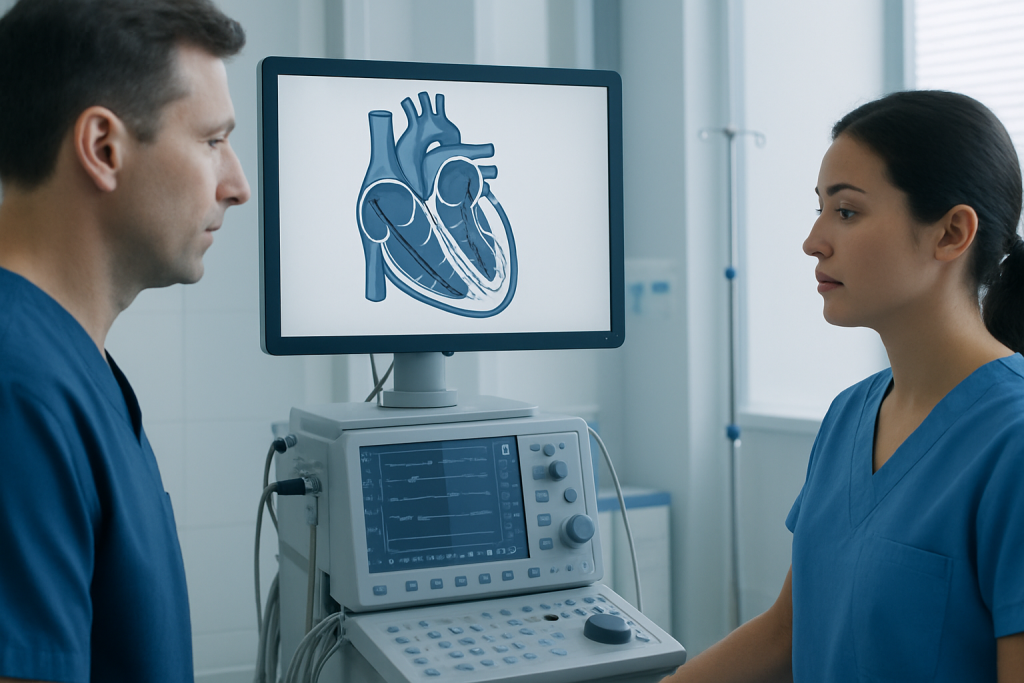
The heart contracts because of timed electrical impulses. Under usual circumstances, the signal passes through the sinus node, then through the atrioventricular (AV) node, and finally into the ventricles. The AV node acts as a natural gatekeeper that helps control how quickly signals reach the lower chambers.
In people with WPW, an additional pathway is present between the atria and ventricles. Because this pathway can conduct signals outside the normal route, it may let impulses reach the ventricles too early or circle back to create a re-entry rhythm. This is why doctors often describe WPW as a problem of “pre-excitation” and rhythm looping.
Not every extra pathway behaves the same way. Some conduct signals only under certain conditions, and some never cause symptoms at all. Others can support repeated episodes of fast rhythm. That is why a person’s experience can range from a harmless ECG finding to a condition that needs specialized rhythm testing and treatment.
Symptoms and Possible Warning Signs

The most common symptom of wolff white heart problem is palpitations, often described as a sudden racing, pounding, or fluttering heartbeat. Episodes may begin and end abruptly and can last for seconds, minutes, or longer. Some people notice symptoms during exercise, stress, caffeine use, or without any clear trigger.
Other symptoms can include dizziness, lightheadedness, shortness of breath, fatigue, anxiety during an episode, chest discomfort, or fainting. Infants and young children may not be able to describe palpitations clearly, so symptoms may appear as poor feeding, unusual fussiness, rapid breathing, or pale skin. Some people with WPW never have symptoms and only learn about it after an ECG.
Most episodes are not life-threatening, but certain warning signs need prompt attention. These include fainting, severe chest pain, marked shortness of breath, a very prolonged episode of rapid heartbeat, or symptoms that occur together with known heart disease. In a small number of cases, WPW can allow dangerous rhythms to occur, which is why ongoing symptoms should be evaluated rather than ignored.
Causes, Risk Factors, and Related Conditions
WPW is usually a congenital condition, meaning the extra electrical pathway is present from birth. It is not typically caused by lifestyle habits, infection, or emotional stress. Many people have no family history, but in some families there can be an inherited tendency to rhythm disorders or structural heart conditions.
Most cases occur on their own, but WPW can occasionally be associated with other heart abnormalities. A doctor may look for related structural issues if symptoms begin early in life, if there is a family history of sudden cardiac death, or if the ECG pattern seems especially concerning. When symptoms overlap with other rhythm disorders, evaluation may also consider conditions such as arrhythmia more broadly.
Risk is not defined only by whether a person has symptoms. Doctors also consider age, the type of rhythm recorded, how often episodes happen, whether fainting has occurred, and how rapidly the extra pathway can conduct electrical signals. This is why two people with the same diagnosis may receive very different recommendations about follow-up or treatment.
How Doctors Diagnose Wolff-Parkinson-White Syndrome
Diagnosis often begins with a medical history, a symptom review, and a physical examination. A doctor may ask when episodes occur, how long they last, what the heartbeat feels like, and whether there is dizziness, chest pain, or loss of consciousness. Family history can also be important, especially for unexplained fainting or sudden death at a young age.
The main first test is an electrocardiogram (ECG), which can show the classic electrical pattern of pre-excitation. Because some people only have intermittent findings, an ECG may be normal between episodes. In that case, doctors may use Holter monitoring, event recorders, exercise testing, or other rhythm studies to capture the abnormal heart activity.
Some patients are referred for an electrophysiology study, a specialized test that maps the heart’s electrical system from inside the heart. This can help determine where the extra pathway is located and how likely it is to cause significant rhythm problems. If symptoms suggest an underlying structural issue, imaging such as echocardiography may also be used. In selected cases, evaluation may lead to treatment planning with electrophysiology assessment and targeted rhythm management.
Treatment Options and Long-Term Management
Treatment depends on symptoms, age, overall health, the type of rhythm problem, and the measured risk of the pathway. People who have no symptoms may sometimes only need observation and follow-up, especially if testing suggests a lower-risk pattern. Others may need treatment because episodes are frequent, severe, or associated with fainting or high-risk findings.
During an active rapid heartbeat episode, immediate care may involve monitored assessment in a medical setting. Doctors choose treatment based on the exact rhythm seen on ECG, because not all rapid rhythms in WPW are treated the same way. In some cases, medications may be used to prevent episodes or slow abnormal conduction, but the choice of medicine must be individualized by a qualified clinician.
For many patients, catheter ablation offers a definitive solution. In this procedure, thin catheters are guided into the heart to locate and eliminate the extra pathway using heat or cold energy. It is often recommended for symptomatic WPW because it can prevent further episodes and reduce long-term risk. When appropriate, patients may be evaluated for cardiac ablation or specialist rhythm care through cardiology treatment. Near the end of the care pathway, some international patients may choose centers such as Acibadem International, where multidisciplinary specialists in JCI-accredited hospitals diagnose and treat complex heart rhythm conditions.
Living With WPW: Self-Care, Activity, and Prevention
There is no known way to prevent being born with the extra pathway that causes WPW, but people can take practical steps to reduce disruption from symptoms. Keeping a record of episodes can be helpful. Notes about timing, duration, triggers, associated symptoms, and smartwatch or monitor readings may help the doctor identify the rhythm pattern more accurately.
Some people find that stimulants such as excess caffeine, energy drinks, recreational drugs, or severe sleep deprivation seem to trigger palpitations. These do not cause WPW itself, but they may make episodes more noticeable in some individuals. A heart-healthy routine, including regular sleep, hydration, balanced activity, stress management, and avoiding smoking, supports overall cardiovascular health.
Questions about sports, travel, pregnancy, or work should be discussed individually. Many people can remain active, but athletes or those in safety-sensitive jobs may need more detailed assessment. After successful treatment, especially after ablation, many patients return to normal daily activities with fewer symptoms and greater confidence.
When to Seek Medical Care
Medical evaluation is appropriate for any new or repeated episodes of a racing heartbeat, especially if they start suddenly or are associated with dizziness or chest discomfort. Even if symptoms stop on their own, it is still worth discussing them with a doctor, because the underlying rhythm may need investigation.
Urgent care is important if a rapid heartbeat is accompanied by fainting, severe shortness of breath, chest pain, confusion, or symptoms that do not settle. Emergency help should also be sought if a person becomes pale, weak, or unresponsive during an episode. Parents should seek prompt care for infants or children with poor feeding, unusual lethargy, rapid breathing, or a very fast pulse.
Ongoing follow-up matters even when symptoms are infrequent. A cardiologist, and often a heart rhythm specialist, can explain whether the pattern appears low risk or whether further testing is needed. Early assessment helps patients understand their options and can prevent uncertainty about future episodes.
Frequently asked questions
Is wolff white heart problem the same as Wolff-Parkinson-White syndrome?
Yes. The phrase “wolff white heart problem” is commonly used to refer to Wolff-Parkinson-White syndrome, or WPW. It describes a heart rhythm condition in which an extra electrical pathway can trigger episodes of a fast heartbeat.
Can someone have WPW without symptoms?
Yes, some people have an ECG pattern of WPW and never notice palpitations or other symptoms. In these cases, a doctor may still recommend evaluation to understand whether the pathway appears low risk or needs closer follow-up.
Is WPW dangerous?
Many people with WPW do very well, especially with accurate diagnosis and appropriate treatment when needed. However, some rhythm patterns can be more serious, particularly if they cause fainting, severe symptoms, or very rapid conduction, so medical assessment is important.
What tests are usually used to diagnose WPW?
An electrocardiogram is the main first test because it can show the classic pattern of pre-excitation. Depending on symptoms, doctors may also use Holter monitoring, event monitors, exercise testing, echocardiography, or an electrophysiology study.
Can WPW be cured?
In many symptomatic patients, catheter ablation can effectively eliminate the extra pathway and prevent future episodes. Whether it is the right option depends on age, symptoms, pathway characteristics, and a cardiologist’s assessment.
Should people with WPW avoid exercise?
Not always. Many people can stay active, but exercise recommendations should be individualized based on symptoms, test results, and the type of sport or job involved. A doctor may advise further assessment before high-intensity or competitive activity.
References
- American Heart Association
- National Heart, Lung, and Blood Institute
- European Society of Cardiology
- National Institute for Health and Care Excellence
- Mayo Clinic
This article is for general information only and is not a substitute for professional medical advice. Please consult a qualified doctor about your individual situation.
Explore treatments in Turkey — costs, top hospitals & a free quote
JCI-accredited · board-certified surgeons · reply within 24h
Add us as a Preferred Source to see more of our trusted health content across Google Search, AI Overviews and Discover.

More from the Health Library

Fatty Infiltration of the Liver — Explained by Medical Evidence, Not Myths
Normal Mammogram Images: A Complete Medical Overview

Homocystinuria — Explained by Medical Evidence, Not Myths

Voltaren: An Evidence-Based Guide for Patients

Red Spotty Nose: An Evidence-Based Guide for Patients

Irritation at the Corner of an Eye: Common Causes
Cardiology Specialists at Acibadem

Prof. Dr. Ahmet Karabulut
Cardiology
Prof. Dr. Ahmet Kaya Bilge
Cardiology
Prof. Dr. Ahmet Oytun Baykan
Cardiology
Prof. Dr. Ahmet Tulga Ulus
Cardiovascular Surgery