Working Out Back Fat: An Evidence-Based Guide for Patients

Back fat is reduced mainly through overall body fat loss, not spot reduction alone. Strength training, aerobic activity, and nutrition work better together than exercise in isolation.
Key Takeaways
- Back fat is reduced mainly through overall body fat loss, not spot reduction alone.
- Strength training, aerobic activity, and nutrition work better together than exercise in isolation.
- Building the back, shoulders, and core can improve contour, posture, and function.
- Progress is usually gradual and depends on genetics, hormones, age, and lifestyle habits.
- Medical advice is important if weight changes are sudden, painful, or linked to other symptoms.
Working out back fat can improve muscle tone and support fat loss, but it cannot selectively remove fat from one area alone. The most effective approach combines regular exercise, nutrition habits that support a calorie deficit, and attention to posture, sleep, and overall health.
Overview: Can working out back fat really help?
Working out back fat can help, but not in the way many people hope. Exercise strengthens the muscles under the skin and helps the body use energy, which supports overall fat loss over time. However, the body does not reliably burn fat from just one chosen area, so “spot reduction” of back fat is limited.
For most people, the most effective plan combines resistance training, regular aerobic activity, and eating habits that support a sustainable calorie deficit. This approach can gradually reduce fat stores across the body, including the upper and lower back, while also improving posture, mobility, and physical fitness.
Back fullness can also be influenced by genetics, body shape, age, hormones, and skin elasticity. That is why two people following similar routines may notice different patterns of change. A patient-friendly goal is not perfection, but steady improvement in strength, health, and body composition.
Why back fat develops
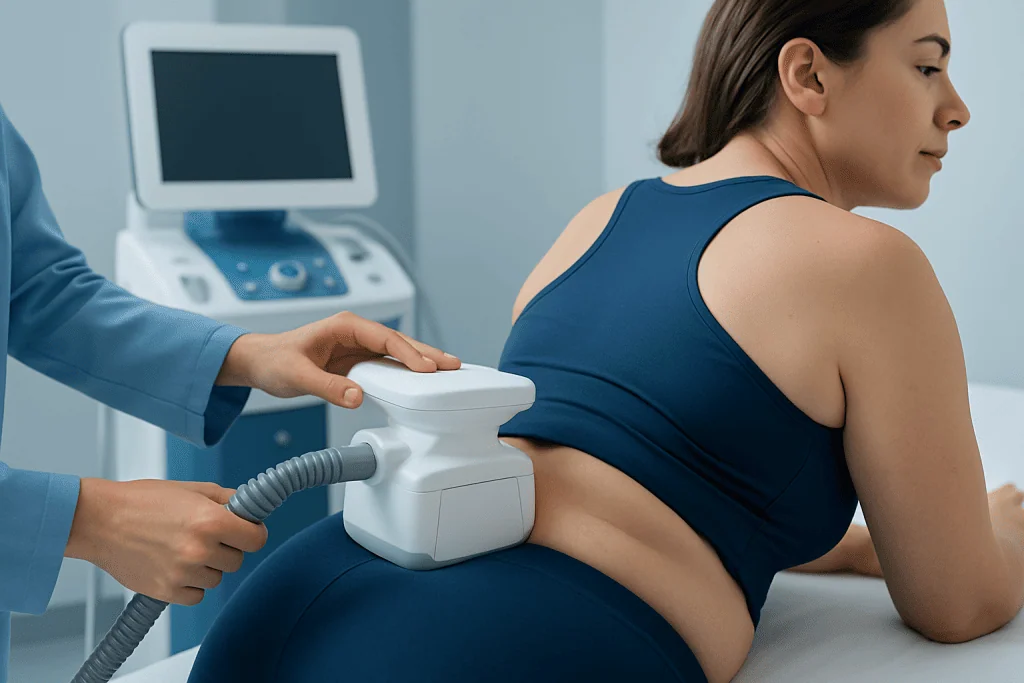
Back fat is usually a normal pattern of fat storage. The body stores excess energy in fat tissue, and where that tissue collects is influenced partly by heredity and hormones. Some people notice it around the bra line, under the shoulder blades, near the waist, or across the flanks.
Several everyday factors can contribute to increased fat storage, including low physical activity, frequent intake of high-calorie processed foods, poor sleep, high stress, and long periods of sitting. Reduced muscle mass may also make the back look softer because there is less underlying tissue to create shape and support.
In some cases, a person may be worried about “back fat” when the issue is actually posture, muscle imbalance, skin folds from tight clothing, or weight changes related to a medical condition. Broader concerns about body weight and health are sometimes addressed through structured weight management or obesity care when appropriate and guided by a clinician.
What kind of exercise helps reduce back fat?

The best exercise plan for working out back fat includes both calorie-burning activity and muscle-strengthening work. Aerobic exercise such as brisk walking, cycling, swimming, jogging, or interval training helps increase total energy expenditure. Resistance training helps preserve or build lean muscle, which supports metabolism and improves how the back and shoulders look as body fat decreases.
Back-focused strengthening exercises can improve muscle tone and function, especially in the latissimus dorsi, rhomboids, trapezius, rear shoulders, and spinal stabilizers. Helpful movements may include rows, lat pulldowns or assisted pull-ups, reverse fly variations, face pulls, deadlift patterns, and supervised cable or machine exercises. Core exercises and glute strengthening are also useful because the trunk and hips support good posture and movement patterns.
A balanced weekly program often works better than trying to do a very high number of back exercises. Useful components may include:
- At least 2 to 3 days of whole-body strength training
- Regular moderate or vigorous aerobic activity across the week
- Progressive overload, meaning exercises become gradually more challenging
- Rest and recovery between harder sessions
- Mobility and posture work to improve movement quality
Some patients benefit from a supervised exercise plan, especially if they have pain, obesity, or limited mobility. Structured rehabilitation or physical therapy and rehabilitation may help people exercise safely and consistently.
The role of nutrition, sleep, and lifestyle
Exercise alone may not be enough if the goal is visible fat loss. Nutrition is a major part of changing body composition because the body needs a sustained energy deficit to use stored fat over time. Many people benefit from meals built around vegetables, fruit, beans, whole grains, lean protein sources, and healthy fats while limiting frequent sugary drinks, alcohol, and highly processed snacks.
Protein intake can be especially helpful during fat loss because it supports fullness and helps preserve muscle while exercising. Consistent meal patterns may also make it easier to avoid overeating later in the day. Extreme dieting is usually not helpful because it can reduce energy, increase hunger, and make long-term adherence harder.
Sleep and stress management also matter. Poor sleep can affect hunger hormones, cravings, recovery, and daily energy levels. High stress may contribute to emotional eating and reduced motivation to stay active. For some people, comprehensive support that includes diet and nutrition guidance can make changes more realistic and sustainable.
Common misconceptions about back fat
One of the most common misconceptions is that hundreds of side bends, back extensions, or arm movements will directly melt fat from the back. These exercises may strengthen muscles, but they do not force the body to burn fat from that exact area. Fat loss happens systemically, based on overall energy balance, genetics, and hormonal influences.
Another misunderstanding is that sweating more means more fat loss. Sweating reflects temperature regulation and fluid loss, not specifically fat burning. The scale may change temporarily after a hard workout, but that usually reflects shifts in body water.
People may also assume that visible folds always mean poor fitness. In reality, skin folds can appear in many body sizes and can be affected by posture, skin elasticity, clothing, and natural body shape. If a person has significant weight concerns or obesity-related health risks, clinicians may discuss a broader treatment plan, which can sometimes include bariatric surgery for selected patients after careful evaluation.
A realistic and safe plan for patients
A realistic plan usually starts with consistency rather than intensity. For many adults, that means gradually increasing daily movement, adding regular strength sessions, and choosing a form of aerobic exercise that feels practical and sustainable. The body usually changes slowly, and visible results in the back may take time even when health markers are improving earlier.
Setting measurable goals can help. Examples include completing a certain number of workouts each week, increasing walking time, improving resistance in row exercises, or maintaining nutritious meals most days. These goals are often more useful than focusing only on appearance.
It is also important to protect the back and shoulders during exercise. Poor technique, too much load, or sudden increases in activity may lead to strain. Warm-up, controlled form, and gradual progression matter. People with ongoing pain, weakness, numbness, or prior injury may need assessment for back pain or another musculoskeletal problem before intensifying training.
When to seek medical care
Most concerns about back fat are related to body composition and lifestyle rather than disease, but medical care is appropriate in some situations. A doctor should be consulted if weight gain is sudden or unexplained, if there is severe fatigue, swelling, shortness of breath, changes in menstrual cycles, signs of hormone imbalance, or symptoms suggesting a thyroid or metabolic disorder.
Medical advice is also important if a person has persistent back pain, numbness, weakness, or pain that limits exercise. These symptoms may point to a structural, neurologic, or inflammatory issue rather than a simple fitness concern. People with diabetes, heart disease, obesity, recent surgery, or other chronic illnesses should ask a clinician what kind of exercise is safe for them.
Near the end of a patient’s care journey, some may need more personalized support from a multidisciplinary team. Acibadem International’s specialists at JCI-accredited hospitals evaluate weight, metabolic health, and musculoskeletal concerns for international patients and can guide diagnosis and treatment when needed.
Frequently asked questions
Can working out back fat target only the back area?
Not reliably. Exercise can strengthen back muscles and help reduce overall body fat, but the body does not usually choose one specific area to lose fat first. Most people see the best results when they combine exercise with nutrition and lifestyle changes.
What are the best exercises for back fat?
The most helpful plan usually combines aerobic exercise with resistance training. Rows, pulldowns, reverse fly movements, and whole-body strength exercises can build the back and improve posture, while walking, cycling, or swimming helps increase calorie use. The best exercise is one that can be done safely and consistently.
How long does it take to notice changes?
Results vary widely depending on starting weight, genetics, diet, sleep, age, and activity level. Some people notice better posture, fitness, or strength within weeks, while visible body composition changes often take longer. Gradual progress is more realistic and usually easier to maintain.
Can diet alone reduce back fat?
Nutrition can support fat loss, but exercise adds important benefits. Strength training helps preserve muscle mass, and aerobic activity supports heart health and calorie expenditure. Together, diet and exercise generally produce better long-term results than either one alone.
Why do I still see back folds even if I exercise?
Back folds can be influenced by skin elasticity, posture, clothing pressure, body shape, and natural fat distribution. This does not necessarily mean a person is unhealthy or that exercise is not helping. Improvements in strength, mobility, and metabolic health may happen before major visual changes.
When should someone talk to a doctor about back fat or weight changes?
A doctor should be consulted if weight gain is rapid, unexplained, or associated with symptoms such as pain, weakness, fatigue, swelling, or hormonal changes. Medical advice is also important before starting a new program for people with chronic disease, significant obesity, or recent injury. A professional assessment can help identify safe and effective next steps.
This article is for general information only and is not a substitute for professional medical advice. Please consult a qualified doctor about your individual situation.
Medical weight-loss options in Turkey — costs & eligibility
JCI-accredited · board-certified surgeons · reply within 24h
Add us as a Preferred Source to see more of our trusted health content across Google Search, AI Overviews and Discover.
Check your numbers in seconds
BMI, calories, due date, blood pressure and 30+ more clinical calculators — free, instant, doctor-reviewed ranges.

More from the Health Library

Guayusa: A Complete Medical Overview

Ais Androgen: What Patients Need to Know

Happy Baby Pose — Explained by Medical Evidence, Not Myths

Lindt Dark Chocolate: What Patients Need to Know

Corneal Erosion — Explained by Medical Evidence, Not Myths