Worms in Human Poop: A Complete Medical Overview

Visible worms or worm-like material in stool can be caused by parasites such as pinworms, tapeworms, roundworms, or whipworms. Not everything that looks like a worm is a parasite; mucus strands and undigested food can sometimes be mistaken for worms.
Key Takeaways
- Visible worms or worm-like material in stool can be caused by parasites such as pinworms, tapeworms, roundworms, or whipworms.
- Not everything that looks like a worm is a parasite; mucus strands and undigested food can sometimes be mistaken for worms.
- Doctors diagnose intestinal worms using symptoms, travel and exposure history, stool testing, and sometimes tape tests or blood tests.
- Treatment usually involves antiparasitic medication, along with hygiene measures to reduce reinfection and spread within households.
- Medical care is especially important if there is persistent diarrhea, weight loss, abdominal pain, blood in the stool, or symptoms in a child or pregnant person.
Worms in human poop may be caused by an intestinal parasite, but some stool changes, mucus, or undigested food can look similar. A medical evaluation helps confirm whether worms are present, identify the type, and guide safe treatment.
Overview: What It Means to See Worms in Stool
Worms in human poop can be a sign of an intestinal parasite, also called a helminth infection. Common examples include pinworms, tapeworms, roundworms, and whipworms. In some cases, a person may see the whole worm, small white thread-like worms, or segments that look like grains of rice.
However, not every unusual material in stool is a worm. Mucus, fibrous foods, vegetable strings, and undigested matter can sometimes resemble parasites. That is why a visual impression alone is not enough to make a diagnosis, especially if symptoms are unclear.
Intestinal worm infections can occur after swallowing parasite eggs or larvae, eating contaminated food, drinking unsafe water, or having close contact with an infected person. Some infections cause few symptoms, while others lead to digestive complaints, tiredness, poor appetite, or weight loss.
A clinician usually confirms the cause with a medical history and lab tests. If a parasite is found, treatment is often straightforward and effective. Prompt diagnosis also helps prevent spread to other household members and reduces the risk of complications.
What Worms and Worm-Like Findings Can Look Like
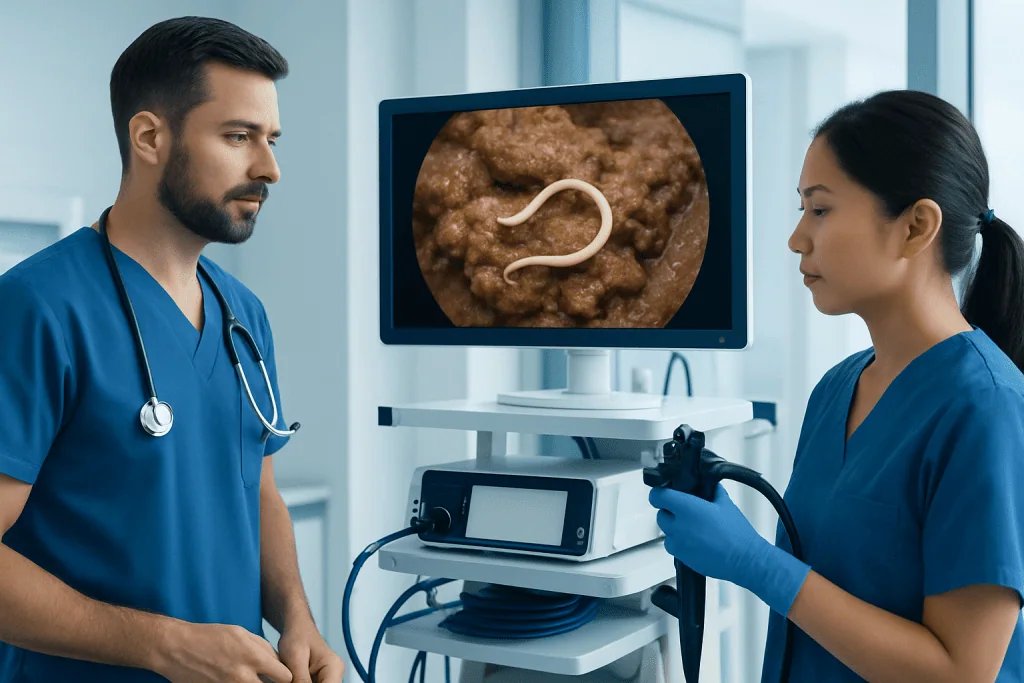
The appearance of worms in stool varies by parasite type. Pinworms are usually small, thin, and white, often described as thread-like. Tapeworms may appear as flat, pale segments in the stool or on underwear. Larger roundworms may be seen as long, pale worms, though this is less common in many regions.
Some people first notice movement on the stool surface, around the anus, or on toilet paper. Others only become concerned after seeing repeated white specks or string-like material. A stool photo or sample can sometimes help a doctor decide whether testing is needed, but a proper examination remains important.
There are also common look-alikes. Mucus may appear as clear or whitish strings. Undigested foods such as bean sprouts, onion fibers, banana strings, or vegetable skins may pass through the gut looking worm-like. This is especially likely if the person feels well and has no ongoing symptoms.
Because the appearance can be misleading, self-diagnosis may lead to unnecessary treatment or missed illness. If something unusual is seen more than once, or if it is accompanied by itching, diarrhea, pain, or weight loss, medical assessment is the safest next step.
Symptoms That May Happen With Intestinal Worms
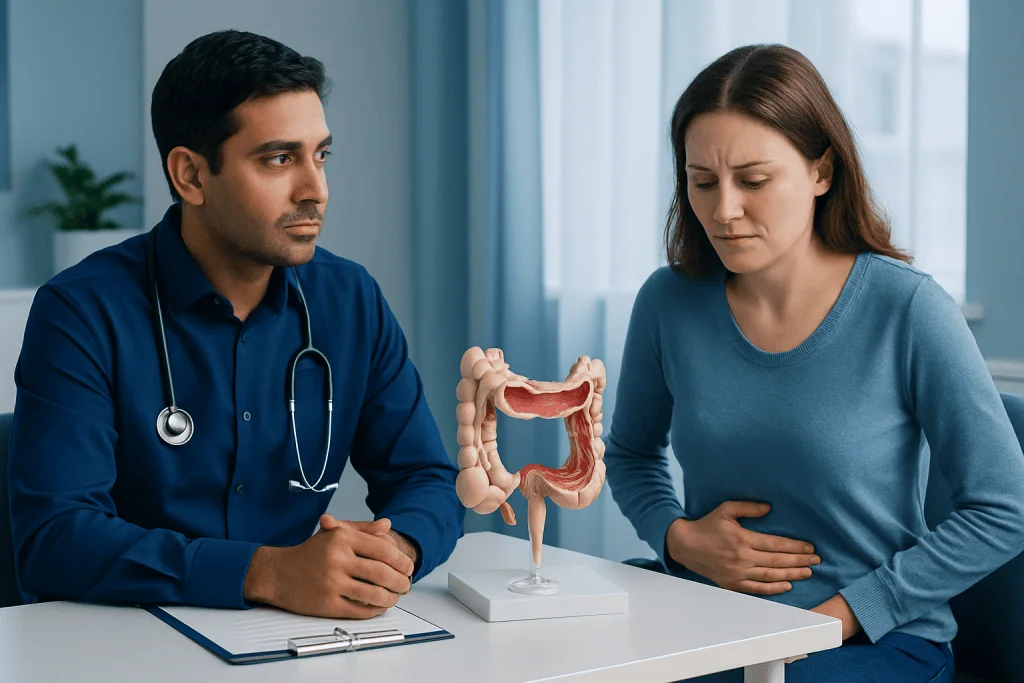
Symptoms depend on the type of parasite, the number of worms, and the person’s age and overall health. Some people have no symptoms at all. Others may have digestive complaints that come and go, making the problem easy to overlook.
Common symptoms can include abdominal discomfort, nausea, bloating, diarrhea, reduced appetite, tiredness, and unintentional weight loss. In children, worm infections may sometimes contribute to irritability, disturbed sleep, or poor weight gain. Pinworms often cause intense itching around the anus, especially at night.
Tapeworm infections may pass silently or cause vague symptoms, while heavier roundworm infections can produce more noticeable digestive upset. Some parasitic infections may overlap with other bowel conditions, so symptoms alone do not identify the exact cause. In people with ongoing diarrhea or abdominal pain, doctors may also consider other problems such as Crohn’s disease or food-related digestive disorders.
Less commonly, intestinal parasites can lead to complications such as nutritional deficiencies, dehydration from prolonged diarrhea, or bowel blockage in severe infections. These complications are uncommon but are more concerning in young children, older adults, and people with weakened immune systems.
Causes and Risk Factors
Intestinal worms are usually spread through a fecal-oral route, meaning parasite eggs or larvae enter the body through contaminated hands, food, water, or surfaces. This can happen when hygiene is limited, food is undercooked, or sanitation conditions are poor. Travel to areas where parasitic infections are more common may increase exposure.
Different worms spread in different ways. Pinworms pass easily between household members because the microscopic eggs can spread from fingers, bedding, clothing, bathroom surfaces, and shared spaces. Tapeworm infections may come from eating undercooked meat or fish, depending on the parasite species. Some roundworms and whipworms are linked to contaminated soil or food.
Risk factors include close contact with infected children, living in crowded settings, frequent exposure to untreated water, gardening or soil contact without handwashing, and eating raw or insufficiently cooked animal products. Children may be more vulnerable because they touch many surfaces and may put their hands in their mouths more often.
It is important to know that having worms does not necessarily reflect poor personal cleanliness. These infections can affect people in many settings. Understanding how parasites spread can help reduce stigma and support early diagnosis and treatment.
How Doctors Diagnose the Cause
Diagnosis starts with a careful history. A doctor may ask when the material was first noticed, whether it moved, what symptoms are present, and whether there has been travel, camping, exposure to untreated water, sick contacts, or recent consumption of undercooked meat or fish. This information helps narrow the possible causes.
Stool testing is one of the main diagnostic tools. A stool ova and parasite examination may identify eggs, larvae, or parasite parts. Because parasites may not appear in every sample, more than one stool specimen may sometimes be needed. If pinworms are suspected, a tape test around the anal area in the morning may be more useful than routine stool testing.
In some situations, blood tests may help look for anemia, inflammation, or other clues. If symptoms are persistent or if there is concern about another digestive condition, doctors may recommend further evaluation. Depending on the situation, this could include gastroenterology evaluation or endoscopic assessment to investigate symptoms that are not explained by a simple parasitic infection.
Diagnosis matters because treatment differs by parasite type. Taking nonprescription remedies without confirmation may delay proper care or fail to treat the actual cause. A targeted diagnosis allows effective treatment and advice for household prevention.
Treatment Options and What Recovery Looks Like
Treatment usually involves prescription antiparasitic medication chosen according to the suspected or confirmed worm. Different parasites respond to different medicines, so a clinician will decide whether the person needs treatment, which medication is appropriate, and whether family members should also be treated. Some infections require a repeat dose after a set period to clear newly hatched worms.
Supportive care can also be important. If diarrhea, nausea, or reduced appetite are present, maintaining hydration and eating simple, balanced meals may help during recovery. Iron or vitamin deficiency may need attention if the infection has been prolonged. Most people improve once the parasite is treated and reinfection is prevented.
For persistent digestive complaints, doctors may assess the bowel more broadly to rule out related or alternative conditions. In selected cases, imaging or colonoscopy may be recommended if symptoms such as blood in the stool, unexplained weight loss, or chronic bowel habit changes are present.
Near the end of the care pathway, prevention becomes just as important as medication. In international patient settings, Acibadem International’s multidisciplinary specialists and JCI-accredited hospitals evaluate digestive and infectious causes of stool changes and provide individualized treatment plans when needed.
Prevention and Self-Care at Home
Good hand hygiene is one of the most effective ways to prevent intestinal worms. Hands should be washed well with soap and water after using the bathroom, changing diapers, gardening, and before preparing or eating food. Children often need reminders and supervision, especially if pinworms are suspected.
Food and water safety also matter. Meat and fish should be cooked thoroughly, fruits and vegetables should be washed, and drinking water should come from a safe source. During travel, people may need to be cautious with raw foods, street food, and untreated water or ice.
If one household member has pinworms or another easily spread parasite, laundering underwear, bed linens, and pajamas regularly may help reduce reinfection. Keeping fingernails short, avoiding nail biting, and showering in the morning can also lower the chance of eggs spreading. Household members may need evaluation depending on the type of parasite and the doctor’s advice.
Home remedies alone should not replace diagnosis and medical treatment. If something unusual continues to appear in the stool, it is best to collect details, note associated symptoms, and speak with a qualified clinician rather than starting treatment based only on appearance.
When to Seek Medical Care
Medical care is recommended if worms or worm-like material are seen more than once, especially if there is anal itching, abdominal pain, diarrhea, nausea, weight loss, fatigue, or poor appetite. Children, pregnant people, older adults, and those with weakened immune systems should be assessed more promptly because dehydration and nutritional problems may develop more easily.
More urgent medical attention is needed if there is blood in the stool, severe or persistent abdominal pain, vomiting, fever, signs of dehydration, or symptoms of bowel blockage such as a swollen abdomen and inability to pass stool or gas. A person should also seek care after recent travel, untreated water exposure, or eating undercooked meat or fish if gastrointestinal symptoms follow.
If the diagnosis is uncertain, a doctor may consider whether stool changes are caused by parasites, infection, inflammation, or another digestive disorder. When symptoms are ongoing, evaluation for conditions such as ulcerative colitis or other bowel diseases may be appropriate.
Bringing a photo, a written symptom timeline, or a stool sample if requested can make the visit more useful. Early evaluation often leads to faster reassurance, accurate treatment, and better prevention advice for the whole household.
Frequently asked questions
Are worms in human poop always a sign of parasites?
No. Some stool findings that look like worms are actually mucus, undigested food fibers, or other harmless material. If the finding happens more than once or comes with symptoms, medical testing can help confirm the cause.
What types of worms are most commonly seen in stool?
Pinworms, tapeworm segments, roundworms, and occasionally whipworms are among the better-known intestinal parasites that may be seen. Their appearance varies, so a doctor may use stool tests or a tape test to identify the type.
Can intestinal worms go away without treatment?
Some mild infections may cause few symptoms, but many intestinal worms do not reliably clear on their own. Treatment is usually recommended to remove the parasite, relieve symptoms, and reduce the risk of spreading it to others.
How do people get worms in their intestines?
People can become infected by swallowing parasite eggs or larvae from contaminated hands, food, water, or surfaces. Some worms are linked to undercooked meat or fish, while others spread easily among household members, especially children.
Should the whole family be treated if one person has worms?
It depends on the type of parasite. With infections such as pinworms, doctors may advise treating close household contacts and reinforcing hygiene measures to prevent reinfection. A clinician can give the safest advice for the specific situation.
What tests are used to diagnose worms in stool?
Doctors often use stool ova and parasite testing, and sometimes they request multiple samples because parasites may not appear in every specimen. If pinworms are suspected, a morning tape test around the anus may be more helpful than a standard stool test.
When is seeing worms in stool an emergency?
It is more urgent if the person has severe abdominal pain, vomiting, blood in the stool, fever, dehydration, or signs of bowel blockage. These symptoms do not always mean a serious complication, but they need prompt medical assessment.
This article is for general information only and is not a substitute for professional medical advice. Please consult a qualified doctor about your individual situation.
Persistent digestive symptoms? Get evaluated in Turkey
JCI-accredited · board-certified surgeons · reply within 24h
Add us as a Preferred Source to see more of our trusted health content across Google Search, AI Overviews and Discover.

More from the Health Library

Renal Agenesis: What Patients Need to Know

Best Tea for Sore Throat: A Complete Medical Overview

Dreams Are Falling — Explained by Medical Evidence, Not Myths

Ear Acupuncture: What Patients Need to Know

Epsom Salt — Explained by Medical Evidence, Not Myths