Yoga for Anxiety Management: What Patients Need to Know
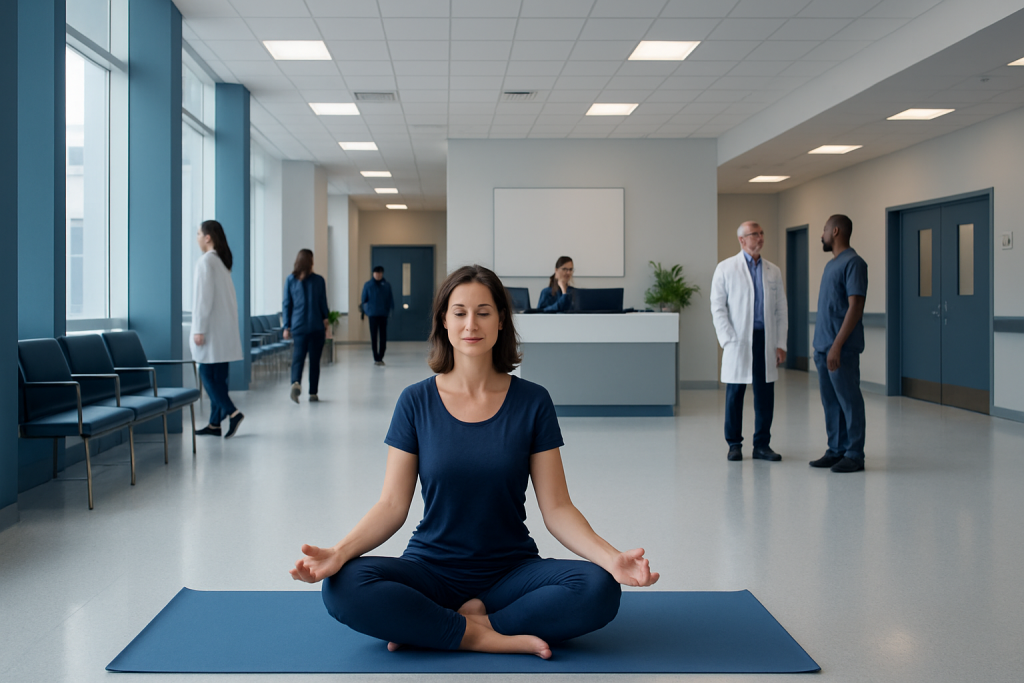
Yoga may help reduce anxiety symptoms by combining movement, breathing, and focused attention. Gentle, regular practice is often more helpful than intense or advanced routines.
Key Takeaways
- Yoga may help reduce anxiety symptoms by combining movement, breathing, and focused attention.
- Gentle, regular practice is often more helpful than intense or advanced routines.
- Yoga works best as a supportive strategy alongside medical or psychological treatment when needed.
- People with panic symptoms, trauma history, pain, pregnancy, or balance problems may need modifications.
- Persistent anxiety, panic attacks, or symptoms that disrupt daily life should be assessed by a qualified clinician.
Yoga for anxiety management can be a helpful part of a broader care plan. It may reduce stress, calm the body’s fight-or-flight response, and improve coping skills, but it is not a replacement for professional care when anxiety is severe or persistent.
Overview: Can Yoga Help with Anxiety?
Yoga for anxiety management can help many people feel calmer, less physically tense, and more able to cope with stress. It does this by combining gentle movement, breathing techniques, and attention training, which may reduce the body’s stress response and improve emotional regulation. For some people, yoga becomes a useful daily tool; for others, it is one part of a wider treatment plan.
Anxiety can affect both mind and body. People may notice racing thoughts, worry, restlessness, muscle tightness, a fast heartbeat, poor sleep, or digestive discomfort. Because yoga addresses physical tension and breath patterns as well as mental focus, it can be especially helpful for people whose anxiety feels “stuck in the body.”
It is important to set realistic expectations. Yoga is not a cure-all, and it does not replace evidence-based care for anxiety disorders. However, when practiced safely and consistently, it may complement treatments such as counseling, lifestyle changes, and, in some cases, medication for anxiety.
How Yoga May Affect the Nervous System
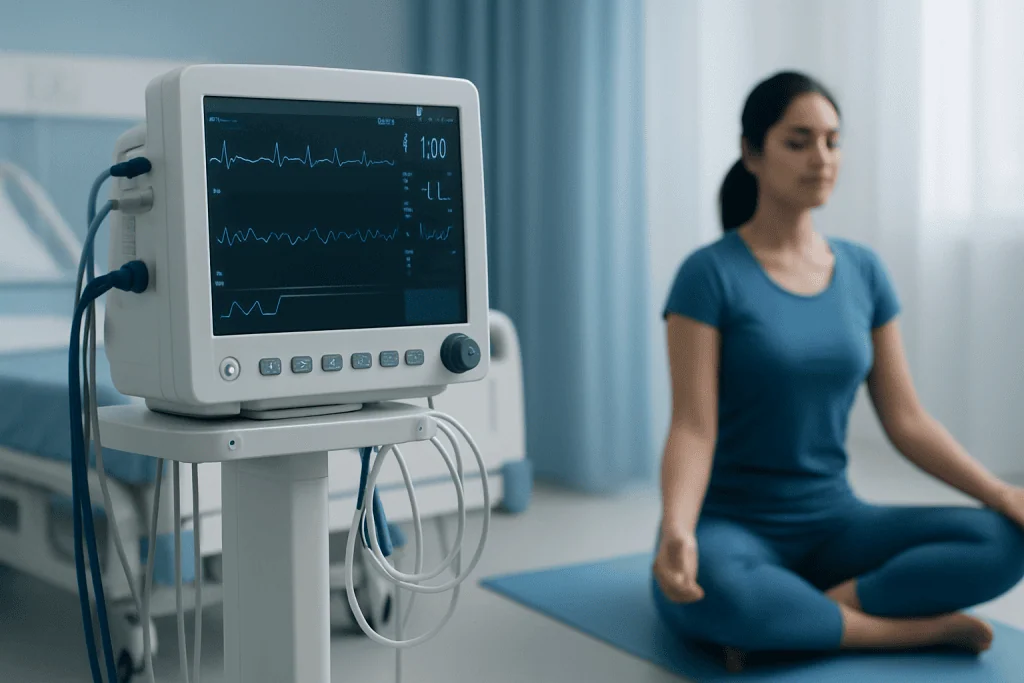
Anxiety often activates the sympathetic nervous system, sometimes called the fight-or-flight response. This can lead to faster breathing, muscle tension, sweating, and a sense of being on edge. Yoga may help shift the body toward a more settled state by slowing the breath, encouraging awareness of physical sensations, and reducing automatic stress reactions.
Breathing practices are one of the most important parts of yoga for anxiety management. Slow, steady breathing can support relaxation and improve awareness of early stress signals. Mindful movement may also interrupt cycles of tension and worry by bringing attention back to the present moment instead of anticipated threats.
Some yoga styles also include meditation or guided relaxation. These practices may help people notice anxious thoughts without immediately reacting to them. Over time, this can support better self-regulation, similar to principles used in other mind-body approaches and some forms of psychotherapy.
Benefits tend to be greatest when yoga is practiced regularly and at an appropriate intensity. Very strenuous classes may feel energizing for some people, but they can worsen symptoms in others, especially if anxiety is linked to breathlessness, dizziness, or panic sensations.
What Symptoms and Situations Yoga May Help
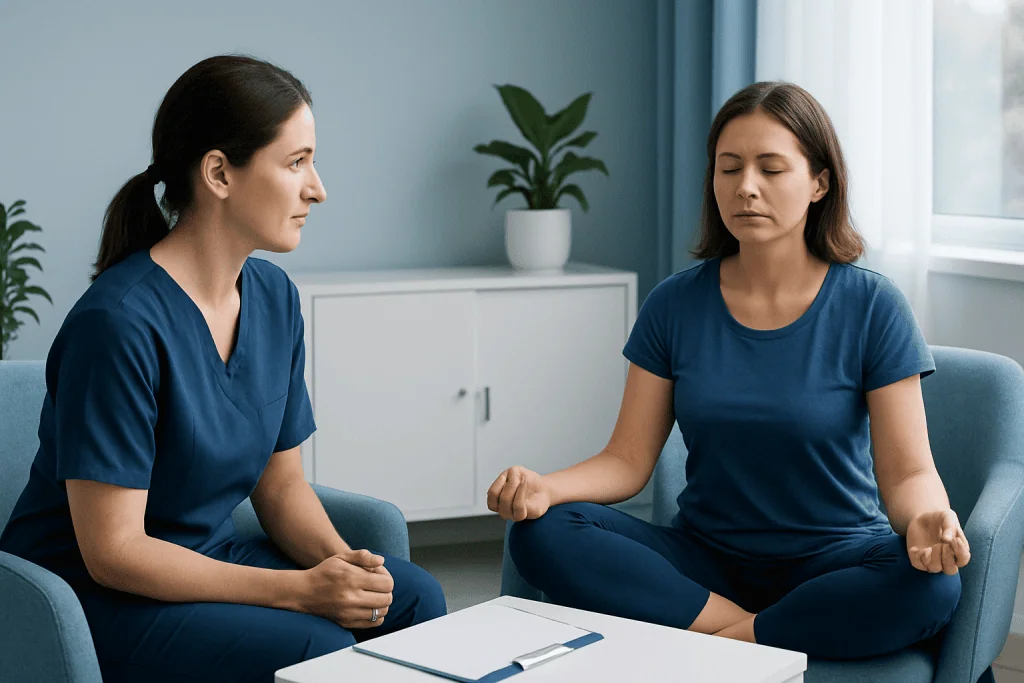
Yoga may be helpful for mild to moderate anxiety symptoms, especially when these are linked to stress, overwork, poor sleep, or physical tension. Many people use yoga to manage everyday worry, restlessness, irritability, or difficulty unwinding at the end of the day. It may also support general wellbeing by improving body awareness and encouraging healthy routines.
Some people find yoga helpful when anxiety occurs alongside other symptoms such as shallow breathing, neck and shoulder tightness, headaches, fatigue, or trouble concentrating. Gentle practice may also support recovery from stress-related sleep problems and can fit well within broader stress management strategies.
However, yoga is not equally helpful in every situation. If anxiety is severe, long-lasting, or associated with panic attacks, depression, trauma-related symptoms, obsessive thoughts, or major functional impairment, medical assessment is important. In these cases, yoga may still have a role, but it is best used as a complementary strategy rather than a stand-alone treatment.
- Common goals include reducing muscle tension, improving breathing patterns, and building a calming routine.
- People often benefit most from restorative, gentle, or beginner-level yoga.
- Short, regular sessions may be easier to maintain than occasional long classes.
Which Types of Yoga Are Usually Best for Anxiety?
Not all yoga styles feel the same. For anxiety management, gentler approaches are often better tolerated than fast-paced or highly demanding classes. Restorative yoga, hatha yoga, chair yoga, yin yoga, and slow flow classes may be suitable options because they emphasize controlled movement, supported postures, and breath awareness.
Useful elements often include diaphragmatic breathing, long exhalations, simple seated or lying poses, and structured relaxation at the end of practice. Some people also benefit from mindfulness-based movement and meditation practices that focus on observing sensations without judgment. These can overlap with supportive meditation approaches.
More intense forms of yoga are not automatically harmful, but they may not be ideal during periods of heightened anxiety. Hot yoga, rapid transitions, strong breath retention, and competitive class environments can sometimes increase discomfort, dizziness, or self-consciousness. A person who is new to yoga may want to start with a beginner instructor who understands health conditions and can offer modifications.
Consistency matters more than complexity. A 10- to 20-minute calming routine practiced several times a week may be more useful than advanced poses performed occasionally. The goal is not athletic performance, but steady support for the nervous system.
How to Start Safely and Build a Helpful Routine
Starting yoga for anxiety management does not require advanced flexibility or previous experience. Many people do well with a quiet setting, comfortable clothing, and a simple sequence of breathing, gentle stretches, and relaxation. It can help to begin with short sessions and pay close attention to how the body responds during and after practice.
Safety and comfort are important. Some people feel uneasy when closing their eyes, lying flat, or focusing too intensely on their breath. Instructors can often adapt the practice by allowing eyes-open relaxation, seated postures, or natural breathing instead of formal techniques. People with a trauma history may prefer a trauma-informed class or individual guidance.
Certain health conditions may require extra care. Anyone with chronic pain, recent surgery, significant heart or lung disease, dizziness, balance problems, or pregnancy should ask a clinician what types of movement are appropriate. If musculoskeletal pain or posture issues are relevant, tailored physical therapy and rehabilitation may help alongside yoga.
- Start with beginner-level or gentle sessions.
- Practice in a calm, non-competitive environment.
- Avoid forcing stretches or copying advanced poses.
- Stop and rest if symptoms worsen during class.
- Choose instructors who encourage modifications and safe pacing.
Yoga as Part of a Broader Anxiety Care Plan
Yoga is often most effective when it supports a broader self-care and treatment plan. Anxiety can be influenced by sleep habits, caffeine intake, work stress, physical illness, medication effects, and emotional health. A balanced approach may include regular exercise, sleep hygiene, healthy routines, counseling, and professional evaluation when symptoms persist.
Some people use yoga alongside psychological therapies that teach practical coping skills. This can be especially helpful when anxiety includes both mental and physical symptoms. For example, a person may learn calming thought strategies in therapy and use yoga to release muscle tension and steady breathing between sessions.
Medication may also be appropriate for some individuals, depending on severity and diagnosis. Yoga should not be seen as a reason to stop prescribed treatment without medical advice. Instead, it can be part of a gradual, sustainable plan that helps a person feel more involved in daily symptom management.
Near the end of the care pathway, specialist input may be useful if symptoms are hard to control or if the diagnosis is unclear. Acibadem International’s multidisciplinary specialists and JCI-accredited hospitals diagnose and treat anxiety-related conditions for international patients, with individualized care when further assessment is needed.
When to Seek Medical Care
Yoga can support wellbeing, but it is important to recognize when professional help is needed. A person should seek medical care if anxiety is persistent, severe, or starts interfering with sleep, work, school, relationships, or daily tasks. Clinical evaluation is also important if symptoms seem out of proportion to stress or appear suddenly without a clear cause.
Urgent medical attention is needed for chest pain, fainting, severe shortness of breath, thoughts of self-harm, or panic-like symptoms that may be confused with a heart or lung problem. A clinician may need to rule out medical causes such as thyroid disease, arrhythmias, medication side effects, or other health conditions that can mimic anxiety.
It is also sensible to ask for help if yoga itself increases distress. Some people become more uncomfortable with breath-focused exercises, quiet stillness, or body awareness, especially if they have trauma-related symptoms. In that situation, a doctor or mental health professional can help guide safer next steps, including whether psychiatry or psychotherapy support would be useful.
Frequently asked questions
Is yoga an effective treatment for anxiety?
Yoga can be an effective supportive strategy for some people with anxiety, especially when symptoms are mild to moderate. It may help reduce physical tension, improve breathing, and promote relaxation, but it is not a replacement for professional treatment when anxiety is severe or persistent.
What type of yoga is best for anxiety management?
Gentle styles such as restorative yoga, hatha yoga, chair yoga, and slow-paced classes are often the best starting points. These approaches usually focus more on breathing, body awareness, and relaxation than on intense physical effort.
Can yoga make anxiety worse?
In some cases, yes. Fast-paced classes, overheating, difficult poses, or breath techniques that feel restrictive may increase discomfort, dizziness, or panic-like sensations. If that happens, the person should stop, rest, and consider a gentler or more individualized approach.
How often should someone practice yoga for anxiety?
Regular practice is usually more helpful than occasional long sessions. Many people start with short sessions several times a week and gradually build a routine that feels realistic and calming.
Should yoga replace anxiety medication or therapy?
No, not without medical advice. Yoga may complement therapy or medication, but people should not stop prescribed treatment on their own, especially if symptoms are significant or have been present for a long time.
Who should be careful when starting yoga?
People with chronic pain, recent surgery, heart or lung disease, dizziness, balance problems, pregnancy, or trauma-related symptoms may need modifications. A healthcare professional or qualified instructor can help identify a safer starting plan.
References
- National Institute of Mental Health
- National Center for Complementary and Integrative Health
- American Psychiatric Association
- World Health Organization
- Anxiety and Depression Association of America
This article is for general information only and is not a substitute for professional medical advice. Please consult a qualified doctor about your individual situation.
Explore treatments in Turkey — costs, top hospitals & a free quote
JCI-accredited · board-certified surgeons · reply within 24h
Add us as a Preferred Source to see more of our trusted health content across Google Search, AI Overviews and Discover.

More from the Health Library

Peritoneum: A Complete Medical Overview

Epi Squamous: A Complete Medical Overview

Interstitial: A Complete Medical Overview

Diabetic Meal Plan — Explained by Medical Evidence, Not Myths

Determine Body Fat Index: A Complete Medical Overview