Your First Neuropsychiatry Appointment: What to Expect Step by Step

A neuropsychiatry appointment looks at both neurological and psychiatric symptoms together. The first visit often includes questions about mood, memory, sleep, behavior, medications, and past medical history.
Key Takeaways
- A neuropsychiatry appointment looks at both neurological and psychiatric symptoms together.
- The first visit often includes questions about mood, memory, sleep, behavior, medications, and past medical history.
- A physical or neurological exam may be part of the assessment, depending on symptoms.
- Additional tests, such as brain imaging or cognitive testing, may be recommended but are not needed for everyone.
- Bringing records, medication lists, and a trusted companion can make the visit easier and more productive.
A first neuropsychiatry appointment is designed to understand how brain function, emotions, behavior, and thinking may be connected. It usually includes a detailed conversation, a review of medical history, and sometimes examinations or tests to help plan the next steps in care.
Overview: What a Neuropsychiatry Appointment Is
A neuropsychiatry appointment focuses on symptoms that may involve both the brain and mental health. This can include changes in memory, concentration, mood, personality, behavior, sleep, or thinking. Neuropsychiatrists are specialists who consider how neurological conditions, psychiatric conditions, and general medical issues may interact.
Many people are referred after seeing a neurologist, psychiatrist, primary care doctor, or another specialist. Others seek an evaluation because they have symptoms that are difficult to explain or that affect everyday life in more than one way. The goal of the first appointment is not only to name a problem, but to build a clear picture of what the person is experiencing.
The first visit is usually longer than a routine clinic appointment. It often involves a detailed interview and may include input from a family member or caregiver when helpful. This is especially useful if there have been changes in memory, awareness, behavior, or communication.
Who May Benefit From Seeing a Neuropsychiatrist
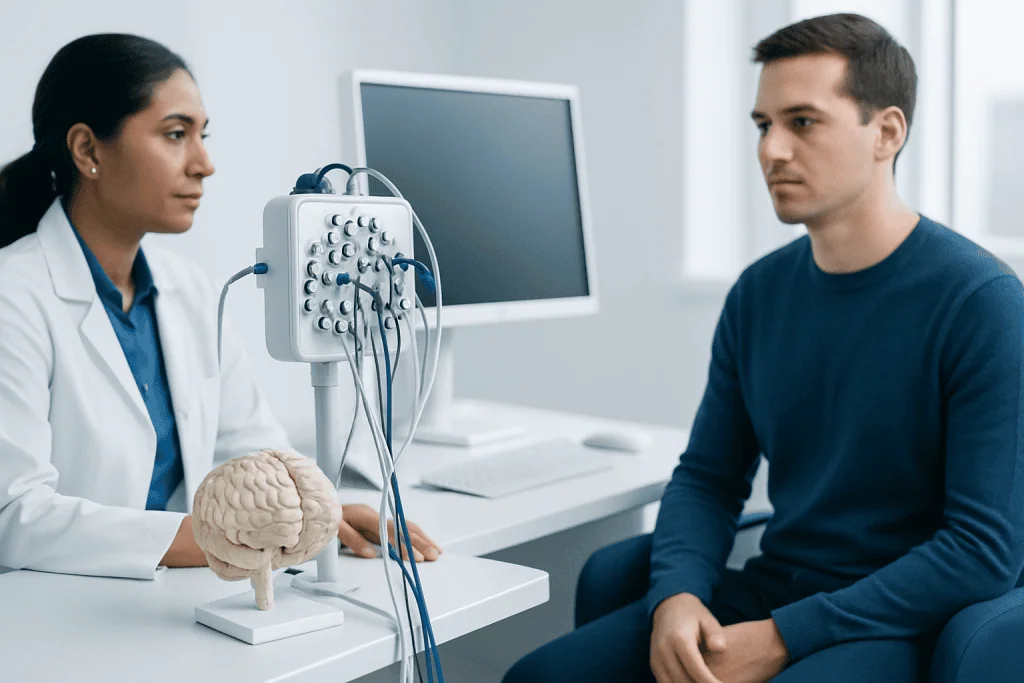
People may be referred to neuropsychiatry when symptoms overlap between neurology and mental health. Examples include memory problems with depression, personality or behavior changes after a head injury, confusion related to seizures, or anxiety and emotional changes in people with chronic neurological disease.
A neuropsychiatry evaluation may also help when symptoms are complex, change over time, or do not fit neatly into one category. This can happen in conditions affecting attention, cognition, movement, sleep, or emotional regulation. In some cases, the visit helps distinguish between similar-looking causes, such as whether concentration problems relate more to mood, sleep, medication effects, or a brain-based disorder.
Common reasons for referral include:
- Memory loss or concerns about thinking skills
- Behavior or personality changes
- Mood symptoms linked with neurological illness
- Symptoms after head injury or concussion
- Seizures with emotional or cognitive changes
- Attention, planning, or decision-making difficulties
- Sleep-related or stress-related symptoms affecting brain function
Step by Step: What Happens During the First Visit

The appointment usually begins with a conversation about the main concerns. The specialist may ask when symptoms started, whether they came on suddenly or gradually, what makes them better or worse, and how they affect work, school, relationships, or daily tasks. It is common to be asked about mood, anxiety, sleep, energy, substance use, and recent life changes as well.
A detailed medical history is an important part of the visit. This often includes past illnesses, head injuries, seizures, stroke, infections, developmental history, and any previous psychiatric diagnoses or treatments. The doctor will also review current medicines, supplements, and allergies, because some medications or combinations can affect memory, attention, and behavior.
Depending on symptoms, the specialist may perform a neurological and mental status examination. This can include checking speech, eye movements, balance, strength, coordination, reflexes, and sensation. There may also be simple tasks that look at orientation, memory, attention, language, and problem-solving. These are not school-style tests but tools to understand how the brain is functioning in everyday terms.
If a family member or caregiver is present, the doctor may ask for their observations. This can be helpful when symptoms fluctuate or when the person is not fully aware of the changes. The aim is to gather accurate information in a respectful and supportive way.
Questions the Specialist May Ask
It can help to know in advance that the interview may feel broad. Neuropsychiatry looks at the whole person, so questions may cover emotional health, brain symptoms, physical health, and daily functioning together. This does not mean the doctor assumes one cause; it means they are trying to see the full pattern.
Topics often include memory lapses, headaches, blackouts, changes in personality, sadness, irritability, panic, hallucinations, sleep quality, alcohol or drug use, and any recent infections or injuries. The doctor may also ask about family history of neurological or psychiatric conditions, school or work performance, and social support.
Questions may include:
- What symptoms are most noticeable, and when did they begin?
- Have there been changes in memory, attention, language, or judgment?
- Are there changes in mood, motivation, anxiety, or behavior?
- Has there been a head injury, seizure, stroke, or serious illness?
- How are sleep, appetite, and daily functioning?
- What medications, supplements, or substances are being used?
Answering as honestly and clearly as possible helps the evaluation. If exact dates are hard to remember, a general timeline is still useful.
Tests, Scans, and Assessments That May Be Recommended
Not everyone needs additional testing after the first appointment. In some cases, the history and examination provide enough information to suggest the next step. If more detail is needed, the specialist may recommend tests to better understand brain function, mental health, or physical contributors to symptoms.
These may include blood tests, cognitive screening, formal neuropsychological testing, an electroencephalogram if seizures are suspected, or brain imaging such as MRI or CT imaging. Imaging does not diagnose every neuropsychiatric condition, but it can help identify structural, inflammatory, vascular, or injury-related causes in selected patients.
Sometimes referrals are made to other specialists, such as neurology, psychiatry, psychology, sleep medicine, or rehabilitation. For example, if symptoms are related to memory decline, a broader evaluation for Alzheimer's disease or other causes of cognitive impairment may be considered. If symptoms follow a head injury, assessment may also address movement or cognitive changes when clinically relevant, although many patients have entirely different causes.
The doctor will usually explain why a test is being suggested, what it may show, and how it could affect treatment planning. Patients can ask what is essential now and what can wait until later.
How Treatment Planning Usually Works
Treatment after a neuropsychiatry appointment depends on the likely cause of symptoms. Sometimes the next step is more testing, while in other cases treatment can begin right away. The plan may involve medication review, mental health support, sleep improvement, cognitive rehabilitation, or referral for condition-specific care.
For some people, treatment focuses on managing symptoms such as anxiety, depression, agitation, insomnia, or attention problems. For others, the priority is identifying and treating an underlying neurological or medical issue. If a structural brain problem, seizure disorder, or inflammatory condition is suspected, the specialist may coordinate with other teams and recommend targeted evaluation, including neurology care or additional procedures when appropriate.
Non-drug treatments are often part of care. These can include psychotherapy, stress management, occupational therapy, speech-language therapy, memory strategies, and family education. Lifestyle factors such as regular sleep, physical activity, social engagement, and reducing alcohol or substance use may also support recovery and daily functioning.
In complex cases, care may involve several specialists working together. Near the end of the process, some patients may seek support from centers such as Acibadem International, where multidisciplinary specialists in JCI-accredited hospitals diagnose and treat neuropsychiatric conditions for international patients.
How to Prepare for the Appointment
Preparation can make the first visit smoother and more useful. Before the appointment, it helps to write down the main symptoms, when they began, and how they have changed. A short timeline of key events, such as injuries, infections, medication changes, or major stressors, can be especially valuable.
Patients should bring a list of current medications, supplements, allergies, and copies of any previous relevant records if available. These may include brain scans, blood test results, hospital summaries, or notes from neurologists, psychiatrists, psychologists, or primary care doctors. If cognitive or behavior changes are part of the concern, bringing someone who knows the patient well can provide important context.
Helpful items to bring include:
- A list of symptoms and questions
- Medication and supplement list
- Previous test results or imaging reports
- Information about family medical history
- A trusted relative, friend, or caregiver if desired
It can also help to think about personal goals for care. For example, a patient may want clearer answers about diagnosis, a safer medication plan, better daily functioning, or support with memory and mood symptoms.
After the Appointment and When to Seek Urgent Help
At the end of the first visit, the doctor may summarize early impressions, explain whether a definite diagnosis is possible yet, and outline the next steps. Some people receive a diagnosis quickly, while others need follow-up visits or testing before the picture becomes clear. This is common in neuropsychiatry, where symptoms can have more than one contributing factor.
Patients should feel comfortable asking what symptoms are being considered, what tests are recommended, what warning signs to watch for, and when follow-up is needed. Writing down the plan or asking for a written summary can be helpful, especially if there are several recommendations.
Urgent medical attention is needed if symptoms include sudden weakness, facial drooping, severe confusion, a first seizure, loss of consciousness, suicidal thoughts, new hallucinations with risk of harm, or a sudden severe headache. Rapid assessment is also important for sudden major changes in speech, balance, vision, or behavior. In non-emergency situations, contacting the treating doctor for worsening symptoms is the safest next step.
Frequently asked questions
How long does a first neuropsychiatry appointment usually take?
The first visit is often longer than a standard appointment because the specialist needs a detailed history. Depending on the symptoms and whether an examination is needed, it may take considerably more time than a routine follow-up visit.
Is a neuropsychiatry appointment only for people with severe mental illness?
No. Neuropsychiatry is for people whose symptoms may involve both brain function and mental health, including memory changes, attention problems, behavior changes, mood symptoms, or difficulties after neurological illness or injury. Some concerns are mild at first but still benefit from expert evaluation.
Will brain scans always be done at the first visit?
Not always. Brain imaging or other tests are recommended only when they are likely to help answer an important clinical question. Many patients first have a careful interview and examination before any additional testing is planned.
Should a family member come to the appointment?
It can be helpful, especially if there are memory, communication, or behavior changes. A companion may provide details about symptoms over time and help remember the treatment plan. However, many people also attend alone, depending on their needs and preferences.
What is the difference between a neurologist, psychiatrist, and neuropsychiatrist?
A neurologist focuses on disorders of the brain, spinal cord, nerves, and muscles. A psychiatrist focuses on mental health conditions such as depression, anxiety, psychosis, and mood disorders. A neuropsychiatrist works at the overlap, assessing how brain-based and psychiatric factors may relate to thinking, mood, and behavior.
What if no clear diagnosis is made at the first appointment?
That can happen, and it does not mean the visit was unsuccessful. Neuropsychiatric symptoms may develop gradually or have more than one cause, so the first step is often to gather information and decide what tests or follow-up are needed. A careful, staged approach can lead to a more accurate diagnosis and better treatment plan.
References
- World Health Organization
- National Institute of Mental Health
- National Institute of Neurological Disorders and Stroke
- American Psychiatric Association
- American Academy of Neurology
This article is for general information only and is not a substitute for professional medical advice. Please consult a qualified doctor about your individual situation.
Neuropsychiatry in Turkey — costs, top hospitals & a free quote
JCI-accredited · board-certified surgeons · reply within 24h
Add us as a Preferred Source to see more of our trusted health content across Google Search, AI Overviews and Discover.