

Organ Transplantation
Kidney and liver transplantation, living and deceased donor programs, with dedicated transplant coordination and lifelong follow-up.

Where the organ comes from changes everything
Not a menu to choose from, which route is open to you depends on your organ, your compatibility and, in both living and deceased donation, on the law.
Living-Donor Kidney
The best version of a kidney transplant: planned, with almost no time outside the body, and possible before dialysis ever starts.
- OperationUsually 3–5 hours
- DischargeAround day 5
- Donor homeDay 2–3 (laparoscopic)
Living-Donor Liver
Possible only because the liver regenerates: a lobe is taken from a healthy relative, and both sides grow back toward functional volume.
- Operation6–12 hours
- Hospital stayAbout 2–3 weeks
- For childrenOften a parent donates
Deceased-Donor
Allocated by medical urgency through the national system, under rules that also govern who may be listed. For livers that means the MELD score, and a wait nobody can put a date on.
- Liver priorityBy MELD score
- Kidney dischargeAround day 8–9
- Waiting timeMonths or years, unknowable
Durations describe typical cases from Acibadem's published information, not guarantees. How the programme works →
A chain, not an operation
A transplant is only as strong as its weakest link. Acibadem runs dedicated Kidney and Liver Transplant Centre services inside a large hospital group, so every link, assessment, immunology, two theatres, intensive care, lifelong follow-up, sits under one roof.
- ✓Tissue typing and crossmatch in a properly equipped immunology laboratory
- ✓Two theatres and two surgical teams running in parallel for living donation
- ✓A donor team that is independent and acts in the donor's interest alone
- ✓Intensive care experienced with deliberately immunosuppressed patients
- ✓A named transplant coordinator who owns the whole timeline
What is actually tested before anyone operates
Evaluation answers three questions: will a transplant help you, can you survive it, and is there something treatable that should be fixed first.
Sometimes the honest answer is “not now” or “not this”. A programme that never says so is not safer, just less honest. The full evaluation, step by step →
When a second opinion is worth the week it costs
Transplant medicine has real grey zones. Asking again is not disloyalty to your current team.
Send your records and get an honest written assessment, including agreement with the plan you already have. Request a second opinion →
From your first email to going home with a plan
- Send recordsBloods, imaging, biopsy reports, and your donor's blood group if there is one.
- Team reviewIs a transplant appropriate, and is the proposed donor worth evaluating?
- Plan & estimateA written, itemised estimate and a visa letter if you need one.
- Parallel workupRecipient and donor assessed by separate teams; legal documentation completed.
- Surgery & ICUWith one named coordinator as your point of contact throughout.
- Home with a planEarly follow-up in Istanbul, then a full summary for your doctors at home.
What is arranged for you and your donor
Everything you want to know, answered below
Quick answer
Organ Transplantation is the medical unit that evaluates, performs, and follows surgical replacement of a failing organ with a healthy donor organ. At Acibadem in Turkey, transplant care is provided through coordinated assessment, donor-recipient matching, advanced surgery, intensive monitoring, and long-term follow-up by multidisciplinary teams.
A transplant is the only treatment in medicine that gives an organ back rather than managing its loss. For a kidney, it means the possibility of life without dialysis. For a liver, it is often the only treatment that changes the outcome at all. Acıbadem’s transplant programme is built around the two organs it does most: kidney and liver, from living and deceased donors, in adults and in children. This page explains, honestly and in plain language, who a transplant is for, how donors are assessed and protected, what the surgery and the recovery actually involve, what life on immunosuppression is really like, and how to judge whether a transplant centre is good enough to trust with this.
Use the questions above to jump to what matters to you, or read it through, every section is written to stand on its own.
What this programme actually is
Acıbadem runs dedicated Kidney Transplant Centre and Liver Transplant Centre services within a large multi-hospital group. That structure matters more than it sounds. A transplant is not a single operation performed by a single surgeon; it is a chain, and the chain is only as strong as its weakest link:
- Assessmenta full workup of the recipient, and a completely separate, independent workup of any living donor.
- Immunological matchingblood group, tissue typing and crossmatch, run in a laboratory equipped for it.
- Surgerytwo operating theatres running in parallel when the donor is living, with two surgical teams.
- Intensive carea transplant ICU able to manage a patient whose immune system is being deliberately suppressed.
- Lifelong follow-updrug-level monitoring, biopsy when needed, and a team that answers the phone in year six as readily as in week one.
- Coordinationa transplant coordinator who owns the whole timeline, including the parts that happen while you are asleep.
The programme works alongside the wider group: general surgery, gastroenterology and hepatology for liver disease, nephrology for kidney disease, urology, radiology, pathology, infectious diseases, anaesthesia and intensive care, plus dietetics and psychology. In transplantation, that breadth is not a marketing line: it is the difference between a complication being caught on the ward round and a complication becoming a catastrophe.
Your transplant team
Transplant outcomes track experience more tightly than almost any other field of surgery. The surgeons leading Acıbadem’s kidney and liver programmes have spent their careers in transplantation and hepatobiliary surgery, several of them building and running transplant units before joining the group.
You are not choosing a hospital brand. You are choosing the people who will be in the room. Their profiles, training, career history, professional memberships and the conditions they treat, are published in full, and you are entitled to read them before you decide anything.
End-stage renal disease: when a kidney transplant enters the conversation
End-stage renal disease (ESRD), also called end-stage kidney disease, is the point at which the kidneys can no longer clear waste and fluid well enough to keep you alive without help. It is the destination of chronic kidney disease, and it arrives with two possible answers: dialysis, or transplantation.
The common routes to ESRD are diabetes, high blood pressure, glomerulonephritis, polycystic kidney disease and IgA nephropathy. What they share is a slow, often silent decline, many people feel reasonably well until kidney function is severely reduced, which is why blood tests matter more than symptoms in kidney disease.
The most important thing to understand is this: a transplant is not the last resort after dialysis fails. It is a treatment that can, in the right patient, be planned before dialysis ever starts. That option is called pre-emptive transplantation, and it is one of the most under-discussed opportunities in kidney medicine.
Chronic kidney disease stages, and where transplant fits
Chronic kidney disease is staged by estimated glomerular filtration rate (eGFR): a calculated measure of how much blood the kidneys filter per minute, derived from a creatinine blood test alongside age and sex.
- Stage 1–2eGFR 60 or above, with other evidence of kidney damage such as protein in the urine. The work here is protecting what you have: blood pressure, blood sugar, avoiding kidney-toxic drugs.
- Stage 3a–3beGFR 30–59. Kidney function is meaningfully reduced. This is when a nephrologist should be involved, and when the conversation about the future should start.
- Stage 4eGFR 15–29. This is the transplant-referral window. Evaluation takes months; starting it now is what makes a pre-emptive transplant possible.
- Stage 5eGFR below 15. End-stage disease; dialysis or transplantation is needed.
Advanced kidney disease has its own emergencies. Breathlessness, especially lying flat, chest pain, palpitations, marked muscle weakness, vomiting with drowsiness or confusion, and passing no urine are the presentations of dangerously high potassium, fluid on the lungs and uraemia, and they are treated urgently in hospital with emergency dialysis. Dialysis does not close the door on a transplant: a patient who is alive and stable on dialysis remains a transplant candidate, and a patient who waited may not be one.
If you take one practical thing from this page: the best time to ask about a transplant is stage 4, not stage 5. Patients who are referred late do not lose the option, but they usually lose the chance to avoid dialysis altogether.
Dialysis or transplant: an honest comparison
Both are real treatments. Neither is a cure. The honest framing is that they trade different things.
Dialysishaemodialysis is typically three sessions a week, several hours each, at a centre; peritoneal dialysis is done daily at home, often overnight. It is available immediately, it requires no surgery beyond access, and it needs no immunosuppression. Its costs are a schedule that shapes your week, fluid and dietary restrictions, and the accumulating burden of the underlying disease.
Transplantationa major operation, a recovery, and lifelong medication with real side effects and a real infection risk. In exchange: no dialysis schedule, far fewer dietary restrictions, and for most suitable patients a substantially better quality of life. A transplanted kidney also does jobs a dialysis machine cannot, including hormonal ones.
Who should not rush to transplant? Someone with an untreated active infection, a recent cancer, severe heart or lung disease that makes major surgery unsafe, or a situation in which lifelong daily medication genuinely cannot be managed. These are assessments, not judgements, and several of them are temporary: a barrier this year may not be a barrier next year.
When a liver transplant becomes the treatment
The liver differs from the kidney in one decisive way: there is no dialysis for the liver. There is no machine that can take over its work for months while you wait. That single fact is why liver transplantation runs on a different clock and a different set of rules.
Liver transplantation is considered in:
- Cirrhosis with decompensationthe failure signs that matter are fluid in the abdomen (ascites), variceal bleeding, confusion from toxin build-up (hepatic encephalopathy) and jaundice. Cirrhosis alone is not an indication; cirrhosis that has begun to fail is.
- Liver cancer within accepted criteriahepatocellular carcinoma confined to the liver and within internationally recognised size and number limits, where transplantation treats both the tumour and the diseased liver it grew in. Because those limits are about size and number, delay can end eligibility: a tumour that grows past the criteria while a referral is being arranged may no longer be transplantable. Bridging treatment such as ablation or chemoembolisation continues under the treating oncology or hepatology team while a transplant assessment runs alongside it.
- Acute liver failurea previously healthy liver failing over days, usually with jaundice and rapidly developing confusion or drowsiness. It is a medical emergency, assessed and treated in hospital, and a transplant centre is involved by the hospital treating the patient.
- Metabolic and genetic liver diseasewhere the liver is structurally adequate but functionally faulty.
- Biliary diseaseincluding primary biliary cholangitis and, in children, biliary atresia.
Decompensation events in cirrhosis are emergencies treated in hospital: vomiting blood or passing black tarry stools from variceal bleeding; confusion, drowsiness or difficulty waking from hepatic encephalopathy; fever, abdominal pain or abdominal tenderness while ascites is present, which can mean spontaneous bacterial peritonitis and needs antibiotics and a diagnostic tap of the fluid; passing no urine; and jaundice that deepens quickly. Being stabilised is precisely what keeps a transplant possible.
What causes a liver to fail, and why the cause still matters afterwards
The common routes to liver failure are hepatitis B and hepatitis C, metabolic dysfunction-associated steatotic liver disease (fatty liver disease, long called NAFLD), alcohol-related liver disease, autoimmune hepatitis, and the biliary diseases, primary biliary cholangitis and primary sclerosing cholangitis. In children, biliary atresia and inherited metabolic disorders lead the list instead.
Naming the cause is not bookkeeping. It shapes whether a transplant is appropriate, and what happens afterwards with the new liver:
- Hepatitis Bthe virus is not removed by the transplant, so preventive treatment to protect the new liver is continued indefinitely.
- Hepatitis Ccurable with antiviral tablets. Whether it is treated before or after the transplant is a decision the team makes with you, and it can affect which organs you are able to accept.
- Autoimmune and biliary diseasecan return in the transplanted liver, which is why follow-up watches liver enzymes for years, not months.
- Fatty liver diseaseits drivers do not disappear. Weight, blood sugar and cholesterol all tend to worsen under immunosuppression, and the same disease can develop in the new liver.
- Alcohol-related diseaseabstinence afterwards is unconditional, and support for it is part of the treatment rather than an add-on.
Whatever the cause, cirrhosis carries the same emergencies: vomiting blood or passing black tarry stools, new confusion or drowsiness, fever or abdominal pain while you have ascites, passing no urine, or jaundice deepening quickly.
The MELD score: how liver priority is actually decided
MELD stands for Model for End-stage Liver Disease. It is a number calculated from routine blood tests, bilirubin, creatinine, INR (a clotting measure) and sodium, and it exists to answer one uncomfortable question fairly: among people who all need a liver, who needs it most urgently?
Three things worth understanding about MELD:
- It measures urgency, not worthiness. A higher score means a higher risk of dying without a transplant in the near term. It says nothing about how much someone deserves one.
- It is deliberately objective. Every input is a laboratory value. This is a feature: it removes opinion from a decision where opinion would be corrosive.
- It does not capture everything. Some conditions, certain liver cancers, some metabolic diseases, cause enormous harm without driving the blood numbers up. Exception points exist for exactly this reason.
MELD governs the allocation of deceased-donor organs. It is much less relevant in living-donor transplantation, where the organ is not being allocated from a shared pool, and that difference is the single most important structural fact about liver transplantation in Türkiye.
The transplant evaluation, step by step
Evaluation exists to answer three questions: will a transplant help you, can you survive the operation and the recovery, and is there anything treatable that should be dealt with first?
- Records review. Your existing imaging, laboratory results, biopsy reports and history are read by the transplant team before you travel anywhere.
- Confirmatory testing. Bloods including full immunology, virology screening, cross-sectional imaging (CT or MRI), and organ-specific studies, vascular imaging for a liver, urological assessment for a kidney.
- Fitness assessment. Cardiac and respiratory testing, because the operation and the recovery both demand reserve. Dental and infection screening, because immunosuppression turns small untreated infections into large ones.
- Cancer screening. Age-appropriate screening, since immunosuppression is not something to start with an undetected malignancy.
- Psychosocial and nutritional assessment. Not a formality: adherence to medication is one of the strongest predictors of long-term graft survival, and malnutrition meaningfully worsens surgical recovery.
- Donor evaluation, run separately. If there is a living donor, that person is assessed by a team acting in the donor’s interest, never the recipient’s.
- The committee. Surgeons, hepatologists or nephrologists, anaesthetists, coordinators, psychiatry and social work review the case together and reach a decision that no single person owns.
Sometimes the honest outcome of an evaluation is “not now” or “not this”. A programme that never says so is not a safer programme: it is a less honest one.
Vaccination before a transplant: a window that closes
Live vaccines, MMR, varicella and yellow fever among them, cannot be given once you are immunosuppressed, and that door does not reopen. Where they are needed they must be completed before surgery, with a gap of some weeks before immunosuppression starts. Your team sets that gap.
Inactivated vaccines are still given after a transplant, but the immune response to them is weaker, so earlier is better. The ones usually reviewed during the evaluation are hepatitis B, where the response is better before organ failure is advanced, pneumococcal, seasonal influenza, and hepatitis A in liver disease. Bring your vaccination record to the first appointment and ask what is missing. The people you live with should keep their own vaccinations current too, because they are the likeliest source of an infection you will no longer fight normally.
Blood group, tissue typing and crossmatch
Three separate immunological questions decide whether a specific donor can give to a specific recipient.
- ABO blood group compatibility. The first filter, and historically an absolute one. It is no longer absolute everywhere, desensitisation protocols exist for ABO-incompatible kidney transplantation, but it remains the first question asked.
- HLA tissue typing. Human leukocyte antigens are the markers your immune system uses to tell self from non-self. A closer HLA match generally means a lower rejection risk. A perfect match is not required; modern immunosuppression has made mismatched transplants routine.
- Crossmatch. The decisive test: donor cells are mixed with recipient serum to see whether the recipient already carries antibodies that would attack the organ immediately. A positive crossmatch is the one result that stops a transplant on the day.
People become sensitised, carrying such antibodies, through previous transplants, blood transfusions and pregnancies. If you have had any of these, say so early; it changes the testing strategy.
Where a willing donor is incompatible, paired exchangetwo incompatible pairs matched so that each donor gives to the other recipient, is an established route in principle. Whether you can access it is a separate question from whether it is medically possible: exchange schemes are nationally coordinated and the same legal eligibility rules apply to both pairs, so it is not reliably open to patients travelling from abroad. As with the deceased-donor list, ask the coordination team in writing whether it is available to you personally before you count on it.
When the donor you have is incompatible
A willing donor who turns out to be the wrong blood group, or against whom you already carry antibodies, is a demoralising moment. It is not always the end of it. Two routes exist, they are not the same thing, and both should be raised early.
ABO-incompatible transplantation and desensitisation
Where the barrier is blood group alone, the antibodies causing it can sometimes be reduced. Desensitisation is a preparation programme, not a single treatment: the level, or titre, of antibody against the donor’s blood group is measured; a B-cell-depleting antibody such as rituximab is usually given some weeks before surgery; and the antibody is then stripped from the blood by repeated sessions of plasma exchange or immunoadsorption, until the titre falls under a threshold the unit sets in advance and rechecks before the operation may proceed.
Practically: it adds weeks before surgery, spent near the transplant centre rather than at home; it costs more, being more drugs, more procedures and more laboratory work; it starts immunosuppression earlier and heavier, so infection and bleeding risks are higher than in a compatible transplant; and it can fail, if the titre does not come down, the transplant does not happen. It is for selected patients, and it is far better established for the kidney than for the liver.
A positive crossmatch is a harder problem
Blood-group incompatibility and antibodies against the donor’s tissue type are different obstacles, and they are often confused. A positive crossmatch is the stronger barrier, and the answer is usually a different donor rather than an attempt to overcome it.
Paired exchange, and what the law allows
In a paired exchange, two incompatible pairs are matched so that each donor gives to the other pair’s recipient. A swap is not a way around Türkiye’s relationship rule: every donation in the chain is assessed under the same national law, and where donor and recipient fall outside the circle of relatives that law permits, approval from an official provincial ethics committee is still required, for both pairs, not only yours. Exchange schemes are nationally coordinated, which ties access to the same eligibility question as the deceased-donor list.
Put both questions in writing before planning around either route: does this centre perform ABO-incompatible transplantation, and can it enter my donor and me into an exchange programme in our legal situation? A vague answer should be read as a no.
Living donor kidney transplant
A living-donor kidney transplant is, on almost every measure, the better version of a kidney transplant. The reasons are structural rather than promotional:
- It can be scheduled. Both people are prepared, rested and optimised. Nothing about it is an emergency.
- The organ spends almost no time outside a body. Cold ischaemia time, the interval between removal and reperfusion, is minutes, not hours. Organs are damaged by waiting, and living donation nearly removes the wait.
- The donor is healthy and fully investigated. That cannot be said of every deceased donor, whose organs by definition come from someone who has just died, often after a critical illness.
- It can happen before dialysis starts. The pre-emptive transplant described above is almost always a living-donor transplant.
The transplanted kidney is placed low in the abdomen, in the pelvis, and connected to the iliac vessels and the bladder. Your own kidneys are usually left where they are: they are not removed unless there is a specific reason such as very large polycystic kidneys or chronic infection. Most kidney recipients therefore end up with three kidneys, only one of which works.
Living donor liver transplant
Living-donor liver transplantation depends on a property no other solid organ has: the liver regenerates. A portion is taken from a healthy donor, and both the piece that was removed and the piece that remains grow back toward functional liver volume over the following weeks and months.
Typically an adult recipient receives the right lobe; a child usually receives the smaller left lateral segment, which is why paediatric living-donor transplantation can often be done by a parent. The donor operation is a major hepatectomy in a healthy person: this is not a minor procedure, and no responsible programme describes it as one.
Why it matters so much here: in Türkiye, as in much of the region, deceased-donor organ availability is limited relative to need. Living donation is what allows a patient with a failing liver to be transplanted on a planned timeline rather than an uncertain one. For international patients travelling with a willing, compatible family donor, it is usually the entire reason the treatment is possible at all.
Two limits belong beside that. A living donor makes the timing predictable, but it does not make a transplant certain: donors are declined on medical, immunological, anatomical or legal grounds more often than families expect, and a recipient can become too unwell for any transplant to be survivable while arrangements are being made.
Who can be a living donor, and what Turkish law requires
Donor rules exist to prevent coercion and organ trafficking, and Türkiye’s are strict. Acıbadem operates entirely within them.
- Relationship. Turkish law restricts living donation to a defined circle of relatives, and donation outside that circle requires approval from an official provincial ethics committee: it is not something a hospital can waive, and any programme that offers to is one you should walk away from. The exact degree of kinship accepted, and how a spouse is treated for each organ, are set by national regulation and applied case by case, so ask the transplant coordination team to confirm in writing whether your specific donor is eligible before you plan travel, timing or budget around them.
- Consent and capacity. The donor must be an adult, must consent freely and in full knowledge of the risks, and may withdraw at any point up to the operation without needing to justify it. Withdrawal is confidential.
- Compatibility. Blood group and crossmatch as described above.
- Health. A donor must be healthy enough that donating does not endanger them. Uncontrolled hypertension, diabetes with organ damage, significant obesity, active infection, current cancer and, for liver donation, significant fatty liver disease are common reasons a donor is declined.
- Independent assessment. The donor team is separate from the recipient team and answers to the donor alone.
One point deserves stating plainly: organ donation cannot be bought or sold. Payment for organs is illegal in Türkiye and internationally. Nobody at a legitimate programme will source a donor for you.
Can you live with one kidney?
Yes. It is one of the most reassuring facts in medicine, and it is why living kidney donation is possible at all.
Healthy kidneys carry substantial spare capacity. After donation the remaining kidney enlarges and increases its filtration, a process called compensatory hypertrophy, so that overall function settles at a level that causes most donors no symptoms at all, which is enough for a normal life but is not the same as being unchanged. Some people are born with a single kidney and discover it incidentally in adulthood.
What an honest programme also tells donors:
- Kidney function after donation is lower than before. It is normally comfortably sufficient, but it is not unchanged.
- Donors should have blood pressure and kidney function checked for life, annually is the usual advice, and should avoid habitual use of anti-inflammatory painkillers.
- Donation is a real operation with real surgical risk, small but not zero.
- Contact sports carrying a risk of direct kidney trauma warrant a conversation and, sometimes, protection.
- Over a lifetime, donors have a measurably higher chance than comparable non-donors of developing high blood pressure, protein in the urine and, in a small number of cases, kidney failure themselves. The absolute risk remains low; it is not zero, and it is why annual checks are advised for life rather than merely suggested.
- Women who may want children should discuss this before donating. Donation is compatible with pregnancy, but gestational hypertension and pre-eclampsia are more common in donors than in non-donors, and later pregnancies need obstetric care that knows you have one kidney.
Living kidney donors are among the most thoroughly screened people in medicine, precisely because they are healthy and are undergoing surgery for someone else’s benefit.
The donor operation, and the donor’s recovery
Kidney donors. The standard operation is a laparoscopic donor nephrectomy: the kidney is removed through small incisions plus one short incision to deliver it. Acıbadem’s published information for this operation describes donors typically going home on the second or third day after surgery, with follow-up appointments at one week, one month, six months and one year. Most donors return to desk-based work within a few weeks; heavy lifting waits longer.
Liver donors. Removing a lobe of liver is a larger operation than removing a kidney, with a correspondingly longer stay and recovery, and it is followed by imaging to confirm that the remaining liver is regenerating as expected. Liver donors need a genuinely unhurried recovery.
The donor is a patient in their own right, not an accessory to someone else’s treatment. They get their own surgeon, their own follow-up and their own right to change their mind.
Problems after a donor operation declare themselves as increasing or severe abdominal pain, a swollen or hard abdomen, dizziness or fainting, a temperature above 38 °C or shaking chills, breathlessness or chest pain, a swollen painful calf, a wound that becomes red, discharges or opens, persistent vomiting, or, after liver donation, new jaundice, dark urine or pale stools. They are assessed and treated in hospital. A donor’s operation report is what tells a doctor who has never met them what was removed and when.
If you have no living donor: the deceased-donor kidney pathway
Most writing about kidney transplantation assumes a living donor. Many patients do not have one, and that pathway works differently in almost every practical respect.
How a deceased-donor kidney is allocated
Kidney allocation does not run on MELD: that score belongs to the liver. Deceased-donor kidneys are allocated through a national system on different criteria: blood group, the tissue-type (HLA) match between donor and recipient, how long you have already waited, and how sensitised you are, how many tissue types your immune system already carries antibodies against, measured as a panel-reactive antibody (PRA) level. Highly sensitised patients and children usually carry extra priority, because an organ they can safely accept appears far less often. Medical urgency weighs less than in liver allocation: dialysis exists, and there is no dialysis for a liver.
The call
You do not get an appointment. You get a phone call, at any hour, and the notice is measured in hours rather than days, because a kidney cannot be left to wait. So your phone stays on and charged, the coordinator holds a number that reaches you plus a second one for someone close to you, and you can travel at night and be at the hospital inside the window you are given. Once you are called, stop eating and drinking, you may be going to theatre, and bring your medication list.
A call can also be stood down. The final crossmatch is run after you arrive, and the organ itself is inspected and sometimes biopsied; either can show that this kidney should not go to you. Being sent home is not a failure and it is not rare. Families should know it can happen before it does.
Why the first week is different
A deceased-donor kidney has spent hours outside a body, cooled and preserved: its cold ischaemia time. The longer that runs, the harder the kidney must work to recover. This is why such a kidney often does not start straight away: delayed graft function is common, it is managed with temporary dialysis while the kidney wakes up, and it does not mean the transplant has failed. It is also why the stay is longer than after a living-donor transplant.
Staying active on a list
Holding a place is not passive. Keep your contact details current with the dialysis unit and the transplant centre. Send fresh serum samples for crossmatch on the schedule you are given, antibodies change, and an out-of-date sample can cost you an offer. Tell the coordinator about anything that alters your immunology or your fitness for surgery: a transfusion, a pregnancy, a new infection, a hospital admission, a cancer diagnosis. You can be made temporarily inactive while something is treated, then reactivated, ask what would trigger that, and how you would be told.
Can a patient from abroad be listed for a deceased-donor organ in Türkiye?
Who controls the list
Deceased-donor organs in Türkiye are allocated by a national coordination system run by the Ministry of Health, not by individual hospitals. A hospital registers a patient into that system; it cannot create a place in it, move anyone up it, or apply softer rules to a paying patient. Registration is tied to legal status in Türkiye, and it is not open to a visitor on the same terms as to a citizen or a legal resident.
The answer we will give, and the one we will not
We will not publish a rule that decides your case. Eligibility turns on national regulation applied to one person’s nationality, residence and documentation, and a sentence general enough to cover everyone would be wrong for someone reading it. That is a refusal, and it is deliberate. It is not a deferral, because this is the part you can act on:
Until someone gives you a written statement that you personally can be registered, plan as though a deceased-donor organ in Türkiye is not available to you. Do not pause dialysis planning at home. Do not come off a waiting list you already hold in another country. Do not build a budget or a travel date around an organ nobody has promised you. For patients travelling from abroad, the route that is genuinely open is living donation from a donor who qualifies under Turkish law. Without such a donor, the honest advice is to pursue listing where you live.
Kidney transplant surgery: what actually happens
Acıbadem’s published information for kidney transplantation describes an operation that usually takes three to five hours. You are under general anaesthesia throughout.
The new kidney is placed in the right or left iliac fossa, low in the abdomen, in front of the hip bone, not in the position of your own kidneys. The renal artery and vein are joined to the iliac vessels, and the ureter is implanted into the bladder, usually over a temporary internal stent that is removed a few weeks later in a short procedure.
A living-donor kidney often begins producing urine on the operating table. A kidney from a deceased donor, having spent longer outside the body, may take days or occasionally weeks to start working: this is called delayed graft function, it is common, it is managed with temporary dialysis, and it does not mean the transplant has failed.
Acıbadem’s information describes typical discharge around the fifth day after a living-donor kidney transplant, and around the eighth to ninth day after a transplant from a deceased donor.
Liver transplant surgery: what actually happens
Liver transplantation is one of the largest operations in surgery. Acıbadem’s published information describes it as taking between six and twelve hours, with a hospital stay of around two to three weeks.
The diseased liver is removed, technically the hardest part, because a cirrhotic liver sits in scarred tissue with high-pressure collateral veins. The new liver or lobe is then implanted with four sets of connections: the hepatic artery, the portal vein, the hepatic veins to the vena cava, and the bile duct. Bile duct connections are delicate, and biliary complications are among the more common problems after liver transplantation, which is one reason surgical experience shows up so clearly in liver results.
In living-donor transplantation, two operations run in parallel in two theatres: the donor hepatectomy and the recipient’s operation, timed so that the graft moves between them with minimal delay.
Intensive care and the first week
Every transplant recipient goes to intensive care straight from theatre. Kidney recipients are often stepped down to the ward within a day or two; liver recipients usually stay longer, because the new liver’s function is monitored hour by hour through clotting, bilirubin and lactate.
The first week is the period of highest vigilance: bleeding, vascular thrombosis, early rejection and infection all declare themselves early. Immunosuppression starts immediately, often with induction therapy in the operating room. Ultrasound is used repeatedly to confirm blood flow into and out of the graft.
Recovery after a kidney transplant, week by week
- Days 1–5. ICU then ward. Urine output, creatinine and drug levels are followed daily. You are walking on day one or two.
- Around day 5 (living donor) or day 8–9 (deceased donor). Discharge, per Acıbadem’s published information, if function and drug levels are stable.
- Weeks 1–4. Frequent clinic visits, often twice weekly at first, mainly for blood tests and immunosuppression dose adjustment. The ureteric stent is removed during this period.
- Weeks 4–12. Visits become less frequent. Desk-based work is often possible in the second month. Driving resumes once you are off strong painkillers and can perform an emergency stop comfortably.
- Months 3–12. Monitoring settles into a stable rhythm. Exercise is actively encouraged. Infection risk falls as immunosuppression doses reduce.
International patients are normally asked to remain within reach of the transplant centre for the early, intensive part of this schedule rather than flying home at discharge. The exact period is set individually and discussed before you travel.
Recovery after a liver transplant, week by week
- Week 1. Intensive care, then ward. Graft function is assessed continuously.
- Weeks 2–3. Acıbadem’s published information describes a hospital stay of around two to three weeks. Nutrition, mobilisation and drug levels dominate this period.
- Weeks 3–8. Outpatient follow-up, initially frequent. Energy returns gradually, most people underestimate how tiring a major hepatectomy plus a new organ is.
- Months 2–6. Return to normal activity for most patients; heavy physical work and abdominal strain wait longest. Bile duct problems, if they occur, usually declare themselves in this window.
- Months 6–12. Stable follow-up. Immunosuppression is reduced toward maintenance levels.
Immunosuppression: the medicines you take for life
A transplanted organ is foreign tissue. Without medication your immune system will attack it. Immunosuppression is therefore not optional and, for a solid organ transplant, it is not temporary: Acıbadem’s information states plainly that these medicines are used lifelong.
Most regimens combine a calcineurin inhibitor (commonly tacrolimus, sometimes ciclosporin), an antiproliferative agent (commonly mycophenolate) and a steroid, with the steroid usually reduced or stopped over time. Doses are guided by blood-level monitoring, because these drugs have a narrow therapeutic window: too little and you risk rejection, too much and you risk toxicity and infection.
The honest account of the trade-offs:
- Infection riskhighest in the first six months, when doses are highest. This is why fever after a transplant is always taken seriously.
- Kidney toxicity from calcineurin inhibitors, monitored, and one reason kidney function is followed even in liver recipients.
- Metabolic effectsraised blood pressure, raised blood sugar and sometimes new diabetes after transplantation, and raised cholesterol.
- Long-term cancer riskmodestly increased, particularly skin cancers. Sun protection and regular skin checks are part of routine transplant care, not an optional extra.
- Drug interactionssignificant, easy to trigger, and dangerous in both directions. Some interactions push drug levels up, risking toxicity: grapefruit and pomelo, and antibiotics and antifungals of the macrolide and azole families. Others pull levels down, risking rejection and graft loss: St John’s wort and rifampicin are the classic examples. Every new medicine, prescription, over-the-counter or herbal, must be checked with your transplant team before you take it.
Never stop, skip, halve or substitute an immunosuppressant on your ownnot because of a side effect, not because you feel well, and not because you read something. Every change is made by your transplant team, and there is almost always an alternative agent they can switch you to. Nobody stops immunosuppression because they feel well: feeling well is what the medication is doing.
If you miss a dose, do not double up to catch up, and do not decide on your own whether to skip it: what to do with that dose, and whether the next blood level needs to be brought forward, is set by your transplant team, and the answer is different for once-daily and twice-daily preparations. Keep taking your remaining doses at the normal times unless they tell you otherwise, and treat the written dosing instructions from your own unit as the authority over anything on this page. Vomiting or diarrhoea that stops the medication being kept down means the anti-rejection drug has not been absorbed, which is why it is treated as a problem in its own right rather than as an upset stomach.
Trough levels: the blood test that sets your dose
Immunosuppression is dosed to a blood level, measured at one moment: its lowest point, just before the next dose is due. That is the trough, and it is the number your team adjusts your dose from, so how the sample is taken matters as much as the result.
The rule on a clinic morning
Units ask for the sample to be taken before the morning dose, at a consistent interval after the previous one. Take the medication with you and take it as soon as the blood has been drawn. Do not skip it. If you have already taken it, say so at the desk: the reading will be falsely high, and a dose can be cut on the strength of a wrong number. If your own unit gives you a different written instruction, follow your unit.
Brand and formulation
Tacrolimus exists in once-daily and twice-daily forms, and different brands are not interchangeable at the same dose. If a pharmacy hands you a box that is not your usual one, do not stop taking your medication, keep taking it and tell your transplant team the same day, so the substitution can be checked and your level rechecked.
Signs of rejection, and why it is not a catastrophe
Rejection means the immune system has recognised the graft. It is common, especially in the first year, and modern medicine treats most episodes successfully. It is a complication to catch early, not a verdict.
Possible signs after a kidney transplant: a rising creatinine on blood tests (usually the first sign, and it appears before you feel anything), reduced urine output, fluid retention or sudden weight gain, tenderness over the graft, fever, or simply feeling unwell.
Possible signs after a liver transplant: rising liver enzymes and bilirubin on blood tests, jaundice, dark urine or pale stools, fever, abdominal discomfort, or fatigue.
Notice what dominates both lists: blood tests, not symptoms. That is precisely why the follow-up schedule is frequent early on and why missing appointments is genuinely dangerous. Diagnosis is often confirmed by biopsy, and treatment is usually a short course of high-dose steroids, with stronger antibody-based therapy for resistant cases.
Steroids and immunosuppression blunt fever and mask abdominal signs, so a normal or barely raised temperature does not exclude a serious infection, and under immunosuppression an infection can become dangerous within hours. The presentations that matter most after a transplant are a fever with shaking chills, a racing pulse or mottled skin; vomiting blood or black tarry stools; new confusion, drowsiness or difficulty waking; chest pain, sudden breathlessness or a swollen painful calf; severe or sudden abdominal pain, or an abdomen that becomes hard and tense; passing no urine at all; and new jaundice with rapid deterioration. All of them are treated as emergencies in hospital.
Tell whoever treats you, straight away, that you are a transplant recipient taking lifelong immunosuppression, and show them your medication list. It changes how you are assessed and treated, and it is the single most important thing an emergency doctor who has never met you needs to know. Carry your medication list and transplant summary with you.
The transplant biopsy
Biopsy is the test recipients fear most and hear least about. It is how an unexplained rise in creatinine, or in liver enzymes, is answered.
What it feels like
You lie flat. The skin over the graft is numbed with local anaesthetic: the sting of that injection is the sharpest part. Under ultrasound guidance a fine needle takes one or two small cores of tissue; each pass makes a loud click and feels like firm pressure rather than pain. For a liver graft you hold your breath for a few seconds. The needle part is over in minutes. What takes time is afterwards: you stay lying down and are observed for several hours, because the main risk is bleeding.
Why it is not optional
Blood tests and ultrasound can show that a graft is in trouble. They cannot say why. Rejection, infection and drug toxicity produce similar numbers and have opposite treatments, more immunosuppression, less of it, or a different drug. Guessing between them costs grafts. It is also why protocol biopsies are sometimes taken when nothing appears wrong: to find rejection that has not yet reached the blood results.
Afterwards
Bleeding is uncommon, but it is the reason for the observation period and it can start later. It shows itself as severe or worsening pain, pain at the tip of the shoulder, dizziness or faintness, or visible blood in the urine after a kidney biopsy, and it is assessed in hospital.
CMV and BK virus
These two infections cause more readmissions and more medication changes in the first year than anything else. Both are usually caught by a test before you feel anything.
Cytomegalovirus (CMV)
CMV is a common virus most adults already carry, dormant and harmless. Immunosuppression lets it reactivate, and it can also arrive with the organ. Blood tests before surgery show whether you and the donor have met it before: a donor who has, with a recipient who has not, is the highest-risk combination and is planned for in advance. Your team either gives preventive antiviral treatment for a defined period after surgery, or tests the blood at intervals and treats the moment the virus appears.
CMV shows itself as fever, aching, exhaustion, sometimes diarrhoea or blurred vision. It is a diagnosis confirmed on testing, so fever after a transplant is assessed on its own terms first, not attributed to CMV in advance.
BK virus
BK concerns kidney recipients specifically. It replicates in the urinary tract and damages the transplanted kidney silently, no pain, no fever, nothing you can feel, which is why urine and blood are screened for it on a schedule rather than in response to symptoms. There is no reliable antiviral. It is managed by carefully reducing immunosuppression so your own immune system clears it, then rebuilding cover: a deliberate trade against rejection risk, calculated and monitored by the transplant team. It is never a reduction you make yourself.
How long does a transplanted organ last?
A transplanted organ is not guaranteed to last a lifetime. Some function for decades; others fail earlier. Outcomes depend on the organ, whether the donor was living or deceased, immunological matching, the recipient’s underlying disease, how well immunosuppression is taken, and how well blood pressure, blood sugar and weight are controlled afterwards.
What is consistent across the field: living-donor organs generally do better than deceased-donor organs, and adherence to medication is one of the strongest modifiable predictors of long-term graft survival. The second of those is the part you control.
If a kidney graft eventually fails, it is not the end of the road: patients can return to dialysis and, in many cases, be considered for a second transplant. Knowing this in advance takes some of the fear out of the question.
We do not publish survival percentages on this page. Figures quoted without the population, the era and the case mix behind them are close to meaningless, and in a decision this serious we would rather give you nothing than give you a number you cannot interrogate. Ask your transplant team for outcome data relevant to your own situation, and expect a real answer.
Complications, and how an experienced team reduces them
Transplantation is major surgery in an immunosuppressed patient. The recognised complications include:
- Surgicalbleeding, wound problems, hernia at the incision, and lymphocele after kidney transplantation.
- Vascularthrombosis or narrowing of the artery or vein supplying the graft. Rare, urgent, and the reason for repeated early ultrasound.
- Urological after a kidney transplant, leak or narrowing where the ureter joins the bladder.
- Biliary after a liver transplant, leak or stricture at the bile duct connection; among the more common liver-specific problems, and usually managed endoscopically.
- Rejectionacute or chronic, as described above.
- Infectionbacterial early; viral later, particularly cytomegalovirus and BK virus, both of which are actively screened for.
- Metabolicdiabetes, hypertension and weight gain after transplantation, driven partly by the medication and partly by the return of appetite and wellbeing.
Experience does not eliminate complications. What it changes is how quickly they are recognised and how well they are managed.
How complications are caught, and what happens next
Experience only counts if it takes a concrete form. These are fair questions to ask any programme.
The graft is watched, not waited on
- Doppler ultrasound in the first hours after surgery and repeated through the first week, checking flow in the artery and vein and, for a liver, the portal vein and bile ducts. Vascular thrombosis is the complication where hours rather than days decide whether a graft can be saved.
- Protocol bloodscreatinine and urine output for a kidney, bilirubin, transaminases and clotting for a liver, drug levels alongside both, daily in hospital, then at every clinic visit.
- Virus surveillancescheduled CMV and BK testing, so both are found on a result rather than on a symptom.
A number that moves triggers a sequence
A rising creatinine or bilirubin is not watched for weeks to see what it does. It sets off a defined order: repeat the bloods and the drug level, scan the graft, then biopsy. A stricture at the bile duct join after a liver transplant is usually treated endoscopically: a scope passed to the duct, with dilatation and a temporary stent, often over more than one session, and re-operation is held back for when endoscopy cannot reach the problem or cannot hold it. A ureteric leak or narrowing after a kidney transplant is approached the same way, stent or drain before surgery is reconsidered.
If something goes wrong once you are home
Aftercare at a distance works on documents rather than on proximity. Three of them do most of the work: a medical summary with a current medication list, the contact details of the transplant coordinator, and a route by which a doctor treating you locally reaches the transplant team out of hours. They are worth having in writing before you fly home.
Life after a transplant: work, travel, food, pregnancy
Work. Most people return to desk-based work within one to three months, depending on the organ and the recovery. Physically heavy work takes longer.
Exercise. Encouraged, and increasingly so. Walking starts in hospital; aerobic exercise resumes progressively; abdominal strain and contact sports need individual advice.
Food. Most patients find the diet after a transplant considerably freer than the diet on dialysis. Practical rules: food-safety discipline while immunosuppressed (avoid unpasteurised dairy, undercooked meat and eggs, wash produce properly), no grapefruit or pomelo, moderate salt for blood pressure, and attention to weight, which tends to climb once appetite returns.
Alcohol. After a liver transplant, and unconditionally after transplantation for alcohol-related liver disease, the answer is no. For other recipients it must be discussed individually: the liver processes the medication you now depend on.
Travel. Possible, and many recipients travel widely. It requires planning: enough medication for the trip plus a margin, medication in hand luggage, a letter listing your drugs, a plan for time-zone dose timing, and travel vaccination advice from your transplant team, since live vaccines are contraindicated.
Pregnancy. Possible after transplantation, and many successful pregnancies occur. It requires planning, usually a wait of at least a year with stable graft function, a change of some medications beforehand, mycophenolate causes birth defects and is switched to a safer alternative by your transplant team, before conception, never by stopping it yourselfand shared care between transplant and obstetric teams. Contraception should be discussed early, because fertility often returns quickly after a transplant.
Sun. Daily sun protection, for life. The skin cancer risk under immunosuppression is real and is one of the few risks you can substantially reduce yourself.
Children and transplantation
Paediatric transplantation is not adult transplantation on a smaller scale. The indications differ, in children, biliary atresia and metabolic disorders lead the liver list, while congenital urological abnormalities and inherited kidney disease lead the kidney list. Growth, schooling, immunisation schedules and the family’s whole life sit inside the treatment plan.
Living donation is particularly important here: a parent can often donate the left lateral segment of the liver to a small child, and adult-to-child kidney donation is well established. Care is shared with paediatrics and paediatric surgery, and the transition to adult services years later is planned rather than abrupt.
Bone marrow and stem cell transplantation
Bone marrow transplantation, more precisely haematopoietic stem cell transplantation, belongs to a different discipline from solid organ transplantation, though it shares the name. It replaces the blood-forming system rather than an organ, and it is used chiefly in leukaemia, lymphoma, myeloma, aplastic anaemia and certain inherited disorders such as thalassaemia.
It comes in two forms: autologous, using the patient’s own stem cells collected and returned after high-dose chemotherapy, and allogeneic, using cells from a matched donor: a sibling, an unrelated registry donor, or a half-matched family member in haploidentical transplantation. Allogeneic transplantation carries the specific risk of graft-versus-host disease, in which donor immune cells attack the recipient’s tissues.
This work sits with haematology and medical oncology, in dedicated units with the isolation facilities it requires.
Waiting: what it really means
For a deceased-donor organ, the honest answer to “how long will I wait?” is that nobody can tell you. Acıbadem’s own published information puts it plainly: some patients wait months, others wait years. Waiting depends on blood group, degree of immunological sensitisation, medical urgency, and the availability of donated organs, none of which anyone can schedule.
Any programme that gives an international patient a confident waiting-time figure for a deceased-donor organ is either guessing or selling.
Before the question of “how long” comes the question of “whether”. Access to Türkiye’s national deceased-donor waiting list is governed by national regulation, and it is not open on the same terms to every patient, residency and legal status matter. If you are travelling from abroad, ask the transplant coordination team in writing whether you personally can be listed, and get the answer before you plan any travel, timing or budget around a deceased-donor organ. For most international patients the practical answer is that living donation is the route that is actually availablewhich is why this page treats it as the main pathway rather than as one option among three.
This is exactly why living donation carries so much weight in this field. It converts an unpredictable wait into a planned date, and for many international patients it is the difference between a treatment that is possible and one that is not.
What drives the cost, and what we will not do
We do not publish a fixed transplant price list, and we would be sceptical of anyone who does. A transplant is not a procedure with a menu price; the cost depends on the organ, whether the donor is living or deceased, the complexity of your case, how long you need intensive care, and what happens during the recovery.
What legitimately drives the figure: the recipient and donor evaluations, immunological testing, two operating theatres and two surgical teams for living donation, intensive care time, the first months of immunosuppression and its monitoring, hospital stay, and follow-up.
What we will do: review your records, tell you honestly whether a transplant is appropriate, and give you a written, itemised estimate before you commit to anything, including what is not covered and what would change the figure.
A second opinion before you decide
If you have been told you need a transplant, or told that you do not qualify for one, a formal second opinion is a reasonable next step, not a disloyalty to your current team. Transplant medicine has genuine grey zones: borderline indications, borderline donors, timing questions, and cancers near the edge of transplant criteria.
A second opinion in transplantation is a written review of an existing diagnosis or plan by a team that did not make it: the records, the imaging and the reasoning, read again from the start.
Choosing a transplant centre: a checklist
Whatever you decide, and wherever you go, these are the questions worth asking. Print them if it helps.
- Does the centre have a dedicated transplant programme for the organ I need, or does it perform occasional transplants?
- Who exactly will perform my operation, and what is their transplant experience?
- Is there a transplant intensive care unit and a team accustomed to immunosuppressed patients?
- Is tissue typing and crossmatch performed in a properly equipped laboratory?
- Is my living donor assessed by an independent team acting in the donor’s interest?
- What are the centre’s own outcomes for my type of transplant, and will they discuss them with me?
- What is the follow-up plan, and who manages it once I return home?
- Do I get a written, itemised estimate in advance?
- Is the legal framework for donation explained clearly, in writing?
- Will anyone tell me honestly if a transplant is not the right treatment for me?
What we will not promise
Transplantation attracts more overpromising than almost any field in medicine, because the people considering it are frightened and are running out of alternatives. So, explicitly:
- We will not promise that a transplant will succeed. It is major surgery with real risks, including the risk of death.
- We will not promise that a graft will last a lifetime.
- We will not describe living donation as risk-free surgery, because it is not.
- We will not tell you that you qualify when you do not, and we will explain exactly why.
If another programme is promising you any of the above, that is information about the programme.
The international patient journey
- The records. Recent bloods, imaging, biopsy reports and a short history are what an assessment starts from. If a living donor is being considered, their basic details and blood group help from the outset.
- Team review. The transplant team assesses whether a transplant is appropriate, what further testing is required, and whether the proposed donor is worth evaluating.
- Written plan and estimate. A proposed pathway with realistic timescales and an itemised written estimate, plus a visa invitation letter if you need one.
- Travel and evaluation. Recipient and donor are assessed in parallel by separate teams. Legal and ethics documentation is completed.
- Committee decision. The multidisciplinary committee confirms suitability, or explains honestly why not.
- Surgery and intensive care. With a dedicated coordinator as your single point of contact throughout.
- Early follow-up in Istanbul. The intensive monitoring period, close to the team that operated on you.
- Going home, with a plan. A full medical summary for your doctors at home, a clear medication schedule, and a named contact for questions that arise later, because they will.
How long you will need to stay, and what a companion is for
Planning the stay
The published hospital-stay figures cover the inpatient part only, and that is what families plan for. What gets under-planned is the period after discharge, when clinic visits are frequent, often twice weekly at first, and blood results drive dose changes that cannot be made from another country. For a kidney recipient that intensive phase runs through roughly the first month out of hospital; for a liver recipient it runs longer. Book accommodation, and any visa you need, for considerably more than the inpatient stay. The date you are cleared to leave is a clinical decision made on your results, and it moves in either direction.
Donor and recipient run on different clocks
Acıbadem’s published information describes kidney donors typically going home on the second or third day, with desk-based work usually possible within a few weeks, while the recipient is still in the most intensive phase of follow-up. Liver donors need longer, but they too are generally ready to travel before the person who received the organ. Do not book one return flight for two people.
What the companion is for
Expect to be asked to have a capable adult with you for the early weeks. The role is concrete: transport to blood tests, often twice weekly at first, holding the medication schedule alongside you and noticing a missed dose, being the second pair of ears at discharge, and knowing the emergency signs well enough to act while you are the one too unwell to act. Ask for that schedule in writing, in a language you both read.
Flying home
You fly when the transplant team confirms you are fit to, not when you feel ready or a ticket expires. Travel with a full medical summary for your doctors at home, a written medication schedule, and enough medication for the journey plus a margin, all in hand luggage. Fitness to fly is a clinical judgement made close to the date, and it is one of the things that can move a booked flight.
Why patients choose Acıbadem for transplantation
- Intensive care and laboratory infrastructure built for immunosuppressed patients, inside a large hospital group that includes seven JCI-accredited hospitals.
- An international patient service with professional interpreters, so that explanations and consent conversations can take place in a language you understand. Ask the coordination team to confirm before you travel that an interpreter for your language will be present for the consent conversations, including the donor’s own, which is held separately.
Our Specialists Explain
 Pediatric Liver Transplant: A Child’s Journey to Recovery
Frequently Asked Questions
Is a transplant better than dialysis?
For most suitable patients, a successful kidney transplant offers a better quality of life than long-term dialysis, without the treatment schedule and with fewer dietary restrictions. It is not better for everyone: it requires major surgery, lifelong immunosuppression and reliable follow-up. The comparison should be made individually, not in the abstract.
How long does a kidney transplant operation take?
Acıbadem’s published information describes the kidney transplant operation as usually taking three to five hours, under general anaesthesia.
How long does a liver transplant operation take?
Acıbadem’s published information describes liver transplantation as taking between six and twelve hours, with a hospital stay of around two to three weeks.
How long will I stay in hospital after a kidney transplant?
Acıbadem’s information describes discharge around the fifth day after a living-donor kidney transplant, and around the eighth to ninth day after a deceased-donor transplant, when function and drug levels are stable.
Can I have a transplant before starting dialysis?
Yes: this is called pre-emptive transplantation and it is usually a living-donor transplant. It requires being referred early, generally at stage 4 chronic kidney disease, because the evaluation takes months.
Who can donate a kidney to me?
Under Turkish law, living donation is restricted to a defined circle of relatives, and donation outside that circle requires approval from an official provincial ethics committee. Which relatives qualify, including a spouse, and including whether the answer differs for a kidney and for a liver, is determined by national regulation applied to your case, so ask the coordination team to confirm it in writing before you plan around a particular donor. The donor must be a healthy, consenting adult and must be compatible on blood group and crossmatch.
Can you live a normal life with one kidney?
Yes. The remaining kidney enlarges and increases its filtration to compensate, and function normally settles at a level that causes no symptoms. Donors are advised to have blood pressure and kidney function checked annually for life and to avoid habitual anti-inflammatory painkillers.
Is donating a kidney dangerous?
Donation is major surgery and carries a small but genuine risk, which is why donors are screened exhaustively and assessed by a team acting in their interest alone. Acıbadem’s information for laparoscopic donor nephrectomy describes donors typically going home on the second or third day, with follow-up at one week, one month, six months and one year.
Does the liver really grow back after donation?
Yes. The liver regenerates: both the portion transplanted into the recipient and the portion remaining in the donor grow toward functional liver volume over the weeks and months after surgery. This is what makes living-donor liver transplantation possible.
What is a MELD score?
MELD, Model for End-stage Liver Disease, is a number calculated from bilirubin, creatinine, INR and sodium that estimates how urgently someone needs a liver transplant. It governs the allocation of deceased-donor livers. It is much less relevant in living-donor transplantation.
What does a high MELD score mean?
A higher score indicates a higher risk of dying without a transplant in the near term, so it confers higher priority for a deceased-donor organ. It measures urgency, not merit, and it does not capture every situation, which is why exception points exist for conditions such as certain liver cancers.
How long is the waiting list?
The first question is not how long, but whether you can be listed at all: access to Türkiye’s national deceased-donor list is governed by national regulation and depends on residency and legal status, so ask the coordination team in writing where you personally stand. If you can be listed, no honest answer on timing exists in advance: Acıbadem’s own information states that some patients wait months and others wait years, depending on blood group, sensitisation, urgency and organ availability. Any specific promise of a waiting time should be treated with suspicion.
What are the signs of kidney transplant rejection?
Most often a rising creatinine on routine blood tests, which appears before any symptom. Other possible signs are reduced urine output, fluid retention or sudden weight gain, tenderness over the graft, fever, or feeling generally unwell. Rejection is treated most successfully when it is caught early, which is why the follow-up blood tests are frequent in the first year. A normal temperature does not rule out serious infection under immunosuppression.
What are the signs of liver transplant rejection?
Rising liver enzymes and bilirubin on blood tests, often before symptoms. Possible symptoms include jaundice, dark urine, pale stools, fever, abdominal discomfort and fatigue. Rejection is usually treatable, particularly when caught early. Fever, severe abdominal pain, vomiting blood or black tarry stools, and new confusion or drowsiness are treated as emergencies in hospital, and a normal temperature does not rule out serious infection under immunosuppression.
Does rejection mean I will lose the organ?
Usually not. Rejection episodes are common, especially in the first year, and most are treated successfully with a short course of high-dose steroids or, in resistant cases, antibody-based therapy. It is a complication to catch early, not a verdict.
Will I take medication forever?
Yes. For a solid organ transplant, immunosuppression is lifelong. Acıbadem’s information states this plainly. The doses usually fall over the first year, but the medication does not stop, and stopping it is the most reliable way to lose a graft.
What are the main side effects of anti-rejection medication?
Increased infection risk, highest in the first six months, along with possible kidney toxicity, raised blood pressure, raised blood sugar or new diabetes after transplantation, raised cholesterol, and a modestly increased long-term cancer risk, particularly skin cancer. All are monitored, and most are manageable.
Why can’t I eat grapefruit after a transplant?
Grapefruit and pomelo interfere with the enzyme that metabolises tacrolimus and ciclosporin, which can push drug levels into the toxic range. Other interactions work the opposite way and are just as dangerous: St John’s wort and rifampicin lower these drug levels, which risks rejection and graft loss. Because interactions run in both directions, every new medicine, prescription, over-the-counter or herbal, must be checked with your transplant team before you take it.
How long does a transplanted kidney last?
There is no single figure. Some grafts function for decades and some fail earlier, depending on donor type, matching, the underlying disease and, importantly, how consistently immunosuppression is taken. Living-donor kidneys generally do better than deceased-donor kidneys. If a graft eventually fails, dialysis and a second transplant may both be options.
Why don’t you publish survival rates on this page?
Because survival figures without the population, era and case mix behind them are close to meaningless, and we would rather give you nothing than a number you cannot interrogate. Ask the transplant team for outcome data relevant to your own situation and expect a real answer.
Can I get a transplant if my donor is a different blood group?
Sometimes. ABO incompatibility was once absolute; desensitisation protocols now make ABO-incompatible kidney transplantation possible in selected cases. Paired exchange, in which two incompatible pairs swap donors, is another established route. Both need specific assessment.
What is a crossmatch, and what happens if it is positive?
A crossmatch mixes donor cells with your serum to detect antibodies that would attack the organ immediately. A positive crossmatch normally stops that particular transplant. Sensitisation from previous transplants, transfusions or pregnancies makes it more likely, so tell the team about these early.
Can children have a living-donor transplant?
Yes, and it is common. A parent can often donate the left lateral segment of the liver to a small child, and adult-to-child kidney donation is well established. Care is shared with paediatrics and paediatric surgery, and growth and schooling are planned into the treatment.
When can I go back to work?
Most people return to desk-based work within one to three months, depending on the organ and how the recovery goes. Physically demanding work takes longer, and abdominal strain after liver surgery needs individual advice.
Can I travel or fly after a transplant?
Yes, with planning: enough medication plus a margin, carried in hand luggage, a letter listing your drugs, a dosing plan for time zones, and vaccination advice from your transplant team, live vaccines are contraindicated under immunosuppression.
Can I have a baby after a transplant?
Often, yes. Pregnancy is usually deferred for at least a year with stable graft function, and some medications must be changed first, mycophenolate causes birth defects and is switched to a safer alternative by your transplant team before conception. Never stop it yourself. Care is shared between the transplant and obstetric teams. Discuss contraception early, as fertility frequently returns quickly after a transplant.
Can I drink alcohol after a liver transplant?
No. This is unconditional after transplantation for alcohol-related liver disease, and for other liver recipients alcohol is not advised. Recipients of other organs should discuss it individually, since the liver metabolises the medication you now depend on.
How much does a transplant cost at Acıbadem?
There is no fixed price, and we do not publish one. The cost depends on the organ, whether the donor is living or deceased, the complexity of your case, intensive care time and the course of the recovery. You receive a written, itemised estimate before you commit, including what is not covered.
Can you find a donor for me?
No. Paying for an organ or arranging a donor is illegal in Türkiye and internationally, and no legitimate programme will do it. Living donation is limited by law to a defined circle of relatives, with anything else requiring official ethics committee approval.
What if I am told I am not suitable for a transplant?
Ask why, and ask whether the reason is permanent or treatable, many are treatable. Weight, dental infection, poorly controlled diabetes and some cardiac problems are barriers that can change. A formal second opinion is reasonable in genuinely borderline cases.
What does a transplant assessment start from?
Recent blood tests, imaging, any biopsy report and a short history, together with whether a living donor is available and their blood group. On that material the transplant team reaches an honest assessment, a proposed plan where a transplant makes sense, and a written estimate.
Conditions We Treat
Medically reviewed by the Acıbadem International Medical Board September 26, 2026
See our medical review board →
Update history
- PublishedJune 7, 2026
- Medical review approvedSeptember 26, 2026
- Last content updateSeptember 25, 2026
References4
- Kidney Transplant niddk.nih.gov
- Liver Transplant niddk.nih.gov
- Choosing a Treatment for Kidney Failure niddk.nih.gov
- Chronic Kidney Disease (CKD) niddk.nih.gov
Add us as a Preferred Source to see more of our trusted health content across Google Search, AI Overviews and Discover.
Treatments in Organ Transplantation
Specialists in this Unit




Available at these Hospitals





What patients say about this unit
★★★★★From 2,400+ verified patient reviews“Thanks to the team here, my intensive care could not have gone better. Dr. Kıvanç listened carefully and built a plan I understood. The whole experience was organised and reassuring.”
“I had been worried for months, but my tailored diet plan was sorted out quickly and clearly. Dr. Cerit made a stressful situation feel completely manageable. The whole experience was organised and reassuring.”
“We are deeply grateful for the care our child received for paediatric consultation. Prof. Ertekin explained everything to us clearly and kindly. The whole experience was organised and reassuring.”
“My experience with pain control during surgery here restored my faith in medical care. Dr. Doğan took the time to review my full history before recommending anything. The whole experience was organised and reassuring.”
Patient stories from this unit
At 11 months old, Adriana faced liver cancer with no treatment options left at home. A living-donor liver transplant at Acibadem, with a graft…
Watch the story →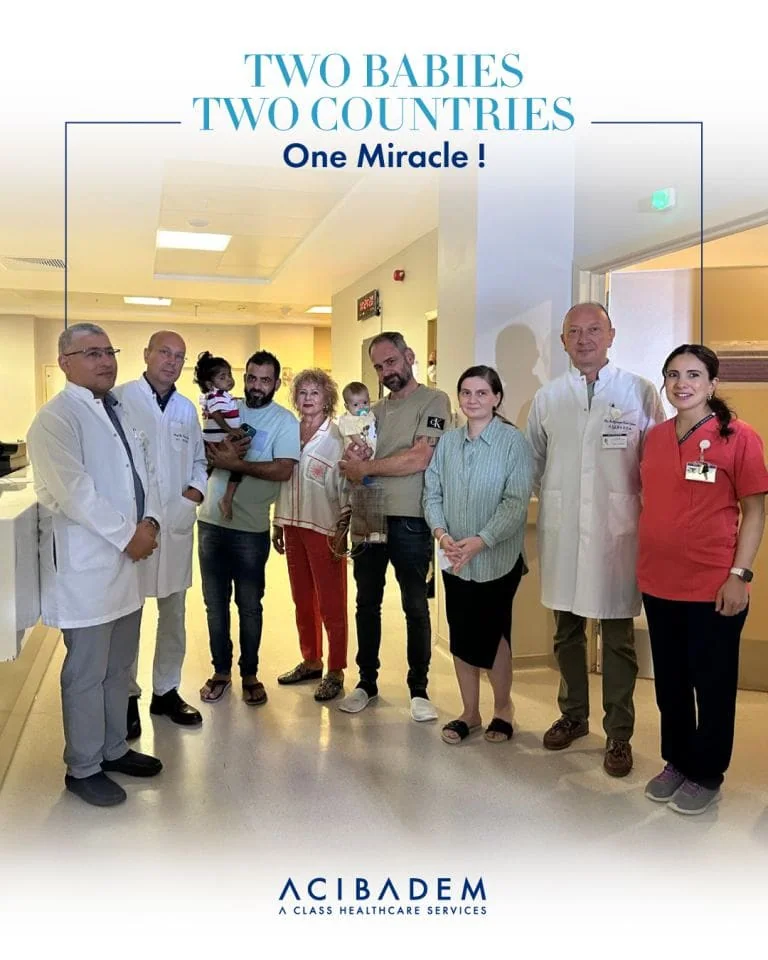 Libya & Georgia Two Pediatric Liver Transplants, Days Apart: Hatan & Saba
 Two children arrived at Acibadem days apart, both in urgent need of liver transplants. Each received a living-donor graft from a parent and recovered…
Read the story →Comparison guides for this specialty
Speak with our medical team
Share your case and our international patient team will guide you to the right specialist, free of charge.