

At Acibadem, How We Help You Prepare for Surgery From Abroad

Acibadem's international patient services team helps you prepare for surgery from abroad by reviewing your medical records before you travel, coordinating appointments and interpreter support, and giving you a realistic timeline for arrival, pre-operative tests, surgery and early recovery. Final surgical plans are usually confirmed after in-person assessment in Turkey, so it is wise to build flexibility into your travel dates.
Which reports should you send first, and how many days should you actually book in Turkey? Those are usually the two questions on your mind when you start planning an operation in another country. Neither has a one-line answer, but both have a clear process behind them, and knowing that process early makes everything else easier to arrange.
This guide explains how we help you prepare for surgery from abroad at Acibadem: what happens to your records before you travel, what support exists on the ground, what only you can organise, and which questions are worth asking before you book a single flight.
At a glance
- Best for: Patients arranging surgery in Turkey from another country
- Main support: Medical file review, appointment coordination, interpreter support and travel guidance
- What to prepare: Reports, imaging, medication list, passport, companion plan and recovery time
- When support starts: Before you travel, once your medical file is shared for review
- Helpful to know: Final treatment plans are usually confirmed after in-person assessment and updated tests in Turkey
What preparing for surgery from abroad actually involves
When you plan surgery in another country, the operation itself is only one item on the list. You are also managing medical records in more than one language, timelines that depend on other people’s schedules, flights, visas, accommodation, and the question of how long you should stay before you are ready to travel home. Trying to hold all of that in your head alone is where most of the stress comes from.
At Acibadem, how we help you prepare for surgery from abroad comes down to splitting that load into two clear tracks. The medical track covers your file review, specialist assessment and pre-operative testing. The practical track covers scheduling, language support, and guidance on arrival, accommodation and timing. Both tracks start before you travel, once your case has been shared for review, so you are not arriving in Turkey to begin the process: you are arriving to continue it.
This preparation matters for a simple reason: surgery is safest when your medical team has a complete and current picture of your health. Good preparation also prevents the avoidable problems that make trips harder than they need to be, arriving without a key test result, booking a return flight that leaves no room for follow-up, or discovering at admission that a chronic condition needed attention weeks earlier. If your operation involves a specific department, such as General Surgery or Bariatric & Metabolic Surgery, some of the preparation will be procedure-specific, but the framework below applies to almost every case.
How Acibadem reviews your case before you travel
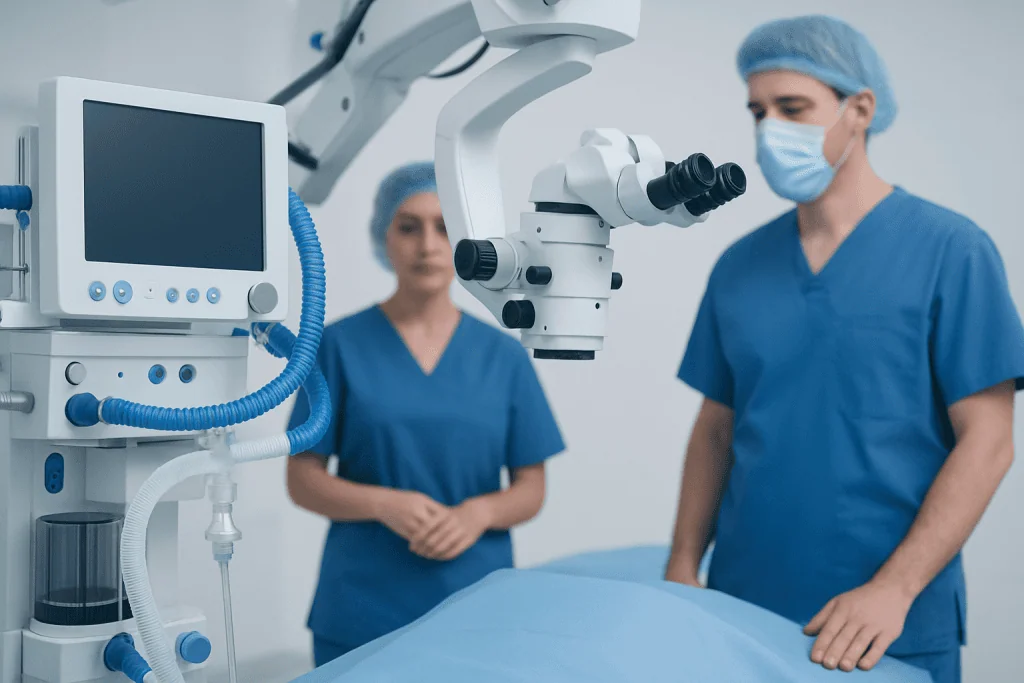
Preparation usually starts with your medical information. Depending on your situation, a useful file includes previous consultation notes, recent blood test results, pathology reports where relevant, imaging such as MRI or CT scans with the actual image files rather than only the written reports, a current medication list, and a short summary of your history and symptoms. If something important is missing, you may be asked for additional records: that is a sign the review is being done properly, not a delay for its own sake.
Once your file is complete, it can be reviewed by the relevant specialist team. In a large hospital group, this may involve multidisciplinary input where your case touches more than one area of care: a heart condition alongside a planned abdominal operation, for example. The purpose of this remote review is deliberately limited. It is not a diagnosis from a distance and it is not a promise. It is an assessment of whether travel appears appropriate, what further evaluation will likely be needed on arrival, and how your visit can be planned so that your days in Turkey are used well.
One point deserves plain statement: your final surgical plan is often confirmed only after you arrive and are examined in person. That may mean repeat imaging, updated blood work, an anaesthesia review, or other pre-operative checks. Scans age, conditions change, and no responsible surgeon commits fully to a plan based on reports alone. Treat the remote review as the strong first draft of your plan, and the in-person assessment as the version that counts.
The practical support you can expect before arrival

The number of moving parts is what worries most international patients, so coordination support runs alongside the medical pathway. This can include guidance on scheduling and admission timing, information about the hospital location and how to reach it, interpreter support, and practical advice on accommodation and local transport.
If you do not speak Turkish, language support is not a luxury: it is part of safe care. Interpreters help you follow consent discussions, pre-operative instructions, admission steps and discharge planning, and they make it far easier for a companion or family member to ask questions and take notes. Consent, in particular, only works when you genuinely understand what you are agreeing to.
You can also expect help understanding the shape of your stay: when to arrive before surgery, how long the assessment phase may take, and how much time to leave for early recovery and follow-up before flying home. This is especially useful when you are fitting the trip around work, school terms or family responsibilities. A realistic timeline set early prevents the two most common planning mistakes, arriving the night before surgery with no margin, and booking a return flight your surgeon would rather you did not take.
- Guidance on which documents and reports to send, and in what format
- Coordination of appointments, pre-operative testing and admission timing
- Interpreter support for consultations, consent and discharge instructions
- Travel and accommodation guidance where helpful
- Clear pre-operative preparation instructions before and on arrival
What only you can prepare
Even with strong hospital support, some things sit entirely with you. Start by building one complete folder, digital and printed if possible, containing your passport, any insurance or funding documents, medical reports, imaging discs or upload links, your medication list, allergy information and emergency contacts. Keep it within reach during travel, not in checked luggage.
Think ahead about your general health in the weeks before departure. If you smoke, drink heavily, or live with a chronic condition such as diabetes or high blood pressure, raise it with the team early rather than at admission. Chronic conditions do not usually rule out surgery abroad, but they do change how it is prepared: the guide on travelling to Turkey for surgery with diabetes shows how much of that preparation happens before the flight, not after it. Any decision about adjusting your regular medicines belongs to your treating doctors, so never change anything on your own initiative before travel.
Plan your home base too. Before you leave, arrange who will help once you return, especially if you may face lifting restrictions, limited mobility or follow-up appointments. Confirm your phone will work in Turkey, pack chargers and a power adapter, bring your regular medicines in their original packaging, and choose loose, comfortable clothing that is easy to put on after an operation, front-opening tops and slip-on shoes earn their place in the bag.
Planning your trip and stay realistically
The most common planning error is booking around the operation date alone. Plan instead for the full treatment window: arrival, consultations, possible pre-operative tests, the operation, early recovery, and a follow-up check before you are cleared to fly. Build in flexibility, because schedules genuinely can shift, extra tests may be requested, or your team may prefer to observe you for another day before you travel. Refundable or changeable travel options are worth their extra cost, and it is sensible to keep the days immediately after your expected return free of important commitments.
If someone is travelling with you, agree their role in advance rather than improvising at the hospital. A companion can help with check-in, instructions, collecting medicines and getting you back to your accommodation safely, and for larger operations, their role starts before the trip. The guides on preparing for a complex surgery companion role and how companions can help after surgery without getting in the way set out what that looks like in practice. If you will be travelling alone, say so early: how independent you will realistically be after your procedure depends heavily on what that procedure is, and the answer shapes your accommodation and discharge plan.
Some operations carry their own travel considerations on top of all this, cardiac procedures being the clearest example. If that applies to you, the guide on preparing for travel before heart valve surgery in Turkey covers the extra layer of planning involved.
The final week and the night before: what patients most often ask
Once travel is arranged, attention usually turns to the days immediately before surgery. The honest answer to most “can I / should I” questions is that your own written pre-operative instructions take priority over anything general you read, because they are matched to your procedure, your anaesthesia plan and your health. That said, a few themes come up so often that they are worth explaining.
In the last week, most surgical teams care about the same things: that you have not started any new supplements, herbal remedies or over-the-counter products without telling them; that you are honest about smoking and alcohol, both of which affect anaesthesia and healing; that you avoid picking up new injuries or infections through risky activities; and that you get reasonable sleep and nutrition rather than arriving exhausted. None of this replaces your team’s specific instructions: it explains why those instructions exist.
The night before, you will normally have fasting instructions telling you when to stop eating and drinking. These exist because anaesthesia is safer on an empty stomach, and they are followed exactly, not approximately. Ordinary hygiene, including brushing your teeth, is generally welcomed: the details are in the FAQ below. The single most important thing you can do before surgery is also the simplest: follow your pre-operative instructions precisely and give your team a complete, honest picture of your health, including anything you suspect might count against you. Surgeons plan around facts far better than they plan around surprises.
Questions worth asking before you confirm travel
You do not need to master every medical detail, but you should feel comfortable asking practical questions before you book. Useful ones include: What documents are still missing from my file? Should any tests be done in my home country first? How many days should I realistically plan in Turkey? Will I need a companion after discharge? Which of my habits or conditions could affect the plan?
Ask about communication too: who your main contact will be, how updates are shared, and what language support will be available at each stage. It also helps to understand in advance why your team wants to know about any change in your health before departure: a fever, a chest infection, new symptoms or a change in your medicines can all affect anaesthesia and timing, which is exactly why the file review continues right up until you arrive rather than closing weeks earlier.
Finally, ask what happens after surgery and after you return home: what the expected follow-up plan looks like, how discharge documents will be provided, and how updates can be shared with your doctor at home. Good preparation is not only about reaching surgery day. It is about understanding the whole journey wrapped around it.
Step by step
- Share your medical records for review. Send recent reports, scans with image files, pathology results where relevant, a medication list and a short summary of your symptoms or diagnosis. A complete, organised file is the single biggest accelerator of everything that follows.
- Wait for medical assessment and planning guidance. After review, you may be told whether your case appears suitable for travel, what specialist assessment is likely on arrival, expected timing, and anything to arrange before leaving home.
- Confirm your travel window, not just your surgery date. Plan for consultation, testing, the procedure, early recovery and a follow-up check. Extra margin costs little; a rushed return can cost a great deal.
- Prepare documents, medicines and your companion plan. Keep passport, medical file and contacts together, carry routine medicines in original packaging, and agree in advance what your companion will do, or flag early that you are travelling alone.
- Follow pre-arrival and pre-operative instructions exactly. You may be told when to stop eating and drinking and what to avoid before surgery. If anything is unclear, ask before you travel rather than guessing.
- Attend your in-person assessments in Turkey. Even after a remote review, final decisions are commonly made after examination and updated tests. This confirms surgery is still the right and safest plan at that moment.
- Plan discharge and the journey home before surgery, not after. Decide where you will recover, who will assist you, and how you will manage the trip back while you are still rested enough to decide well.
Your checklist
- Passport and any visa or travel documents if needed
- Printed and digital copies of medical reports and imaging
- Current medication list, allergies and chronic condition summary
- Regular medicines in original packaging, in hand luggage
- Comfortable loose clothing and easy-to-wear shoes
- Phone charger, power adapter and emergency contacts
- Companion or local support plan for after discharge
- Flexible travel dates with recovery time built in
Key takeaways
- Preparing for surgery from abroad runs on two tracks: medical review and travel logistics, and both start before you fly.
- Acibadem coordinates records, appointments, interpreters and practical guidance before your arrival.
- Your final treatment plan is usually confirmed after in-person assessment and pre-operative testing in Turkey.
- Your pre-operative instructions are specific to you and take priority over general advice, including anything in this guide.
- Complete records, flexible dates and an honest health picture do more for a smooth trip than anything else you can pack.
Frequently asked questions
What medical documents should you send before travelling?
Recent consultation notes, imaging reports along with the scan files themselves, blood test results, pathology reports where relevant, and a current medication list. Include allergies, chronic conditions and previous surgeries. English translations help, but original documents are still useful, so send both if you have them.
Will your surgery be fully confirmed before you arrive in Turkey?
Not always. A remote review helps the team understand your case and plan your visit, but the final decision is often made after an in-person examination and any updated tests needed on arrival. This is a normal part of safe surgical planning, not a sign of doubt about your case.
What should you not do in the 7 days before surgery?
The specifics come from your own surgical team, because they depend on your procedure and health. Common themes include not smoking, avoiding alcohol, not starting new supplements or herbal remedies without telling your doctors, and avoiding activities likely to cause injury or infection. Any change to your regular medicines is a decision for your treating doctor, never something to do on your own.
Can you brush your teeth the night before surgery?
Generally yes, and good oral hygiene before surgery is welcomed. On the morning of surgery, most teams still allow brushing provided you follow your fasting instructions and avoid swallowing water. Your own written pre-operative instructions take priority, so check them if you are unsure.
Are you covered during surgery?
Yes. In modern operating theatres you are covered with sterile drapes and only the area being operated on is exposed, and only for as long as necessary. Theatre teams follow standard practices designed to protect your dignity throughout, including while you are under anaesthesia. Some procedures involve a urinary catheter placed after you are asleep; if that applies to you, it will be explained beforehand.
What is the most important thing to do before surgery?
Follow your pre-operative instructions exactly and give your team a complete, honest picture of your health, including smoking, alcohol, supplements, allergies and anything you think might complicate matters. Surgical teams plan safely around known facts; the avoidable problems almost always come from information that arrives too late.
How long should you stay in Turkey after surgery?
There is no single answer, because recovery timelines differ between procedures and between patients. You should plan to stay long enough for immediate follow-up, early recovery monitoring and medical clearance to travel. Booking flexible return travel is wiser than committing to a fixed date before your team has assessed you.
Can Acibadem help if you do not speak Turkish?
Yes. International patient services can arrange interpreter support for many patients, covering consultations, consent discussions, admission and discharge instructions. This also helps any companion travelling with you follow what is happening and ask questions on your behalf.
Add us as a Preferred Source to see more of our trusted health content across Google Search, AI Overviews and Discover.

Update history
- PublishedJune 25, 2026
- Medical review approvedAugust 31, 2026
- Last content updateAugust 31, 2026
References3
- Medical Tourism: CDC Travelers' Health wwwnc.cdc.gov
- Having surgery: NHS nhs.uk
- Surgery: MedlinePlus medlineplus.gov
More Patient Guides

Choosing Between Inpatient and Day-Case Treatment in Turkey
Inpatient and day-case treatment in Turkey differ mainly in overnight monitoring, recovery needs and travel planning. Learn how to choose safely.

How to Compare Hospitals in Turkey for Complex Treatment
Compare hospitals in Turkey for complex treatment by checking accreditation, specialist teams, ICU support, coordination, and follow-up.

At Acibadem, How We Explain Surgical Risks and Safety Checks Before You Travel
Surgical risks and safety checks before travel means understanding your personal risk, required tests, and travel timing before coming to Turkey.

At Acibadem, What to Check Before Comparing Treatment in Turkey With Care at Home
Comparing treatment in Turkey with care at home starts with safety, records, follow-up, travel timing and total support in Istanbul.