

Bringing a Companion to Turkey for Treatment: What to Plan Before You Travel
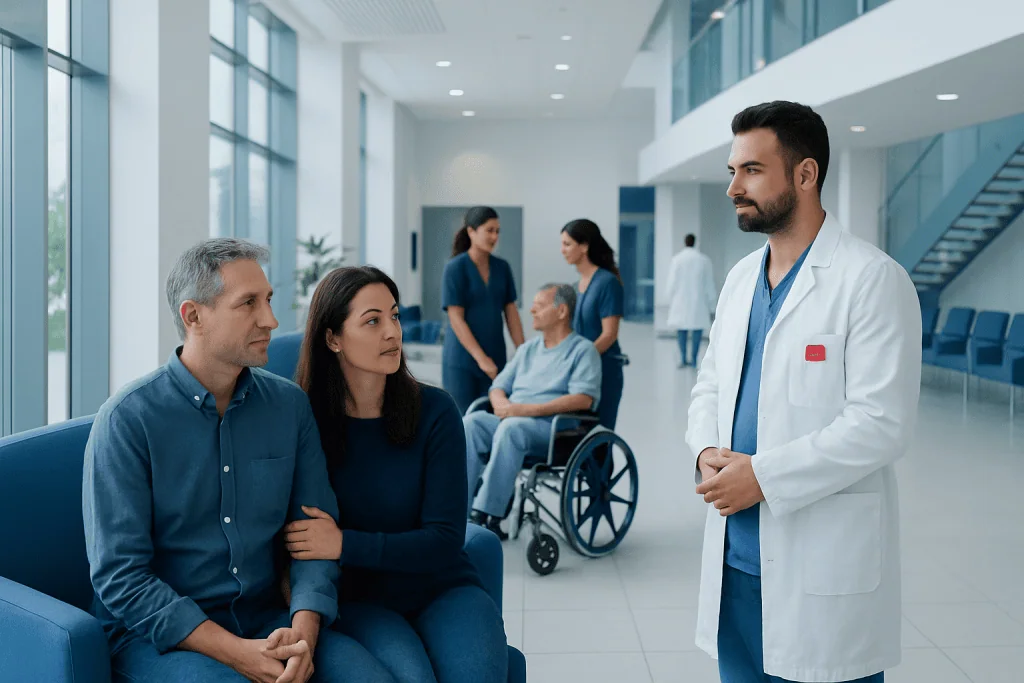
Yes, most patients can bring a companion — but plan it early. Make sure you both have valid passports and any required visas, carry printed and digital copies of your travel and hospital documents, and sign consent if you want staff to share medical updates with them. Agree who does what, book accommodation close to the hospital, and confirm visiting rules before admission.
Who will help you get to the airport, remember what the doctor said, and pick up your prescriptions on a day when you would rather be resting? If you are traveling to Turkey for medical care and want someone with you, a little planning can make the trip much smoother for both of you.
This guide helps you prepare your companion’s paperwork, daily role, accommodation, communication, and return plans so you can focus on your treatment.
At a glance
- Best for: Patients traveling with a spouse, relative, friend, or caregiver
- Main priority: Plan documents, roles, accommodation, and hospital access early
- Helpful support: Interpreter and international patient coordination can reduce stress
- When to start: As soon as your treatment dates are being discussed
- What companions should know: They may support logistics and comfort, but clinical decisions stay between you and your medical team unless you authorize otherwise
Why bringing a companion can help
Bringing a companion to Turkey for treatment can make your trip feel more manageable from the moment you leave home. Your companion may help with practical tasks such as checking travel documents, carrying essentials, navigating the airport, keeping track of medications, and making sure you have what you need during your stay.
Emotional support matters too. Even if your treatment is straightforward, travel, appointments, and recovery in another country can feel tiring. Having someone you trust nearby can help you stay calm, remember important instructions, and feel less alone before and after hospital visits.
It is still helpful to define expectations early. Some companions are mainly there for comfort, while others will take a more active caregiver role. If you are clear about what kind of help you may need, both of you can pack, schedule, and prepare more realistically.
Documents and permissions to arrange before travel

Start with the basics: both you and your companion should have valid passports, any required visas, travel insurance documents if applicable, flight details, hotel confirmations, and copies of hospital correspondence. Keep digital copies on your phone and printed copies in a travel folder in case internet access is limited when you arrive.
It is also wise to prepare medical and contact documents that your companion may need to reference. These can include your treatment plan summary, medication list, allergies, emergency contacts, and the contact details for your international patient coordinator. If you prefer your companion to receive updates or discuss parts of your care with your medical team, ask in advance how to provide the necessary consent forms.
Privacy rules can affect what information clinicians can share. Even if your companion is your spouse or close family member, staff may need your permission before discussing your condition, test results, or discharge instructions in detail. Clarifying this before treatment helps avoid confusion on the day of admission.
- Check passport validity for both travelers
- Confirm visa requirements early
- Keep printed and digital copies of key documents
- Ask what consent is needed for information sharing
Agreeing your companion’s role during treatment

Before you travel, talk openly about what your companion will and will not do. You may want them to accompany you to consultations, help you remember questions, manage your phone and messages during treatment, or assist with meals and transport afterward. If your procedure may temporarily limit your mobility, it is especially useful to discuss personal support needs in advance.
At the same time, your companion should understand that hospital rules can vary. There may be times when they are asked to wait outside treatment areas, intensive care areas, imaging departments, or recovery rooms. Visiting policies can differ depending on your condition, the type of care you receive, and current safety procedures.
If your companion is your main caregiver after discharge, ask what they should watch for once you return to your accommodation. Written instructions are very helpful. At Acibadem International, international patient services can help patients and companions understand schedules, practical instructions, and communication pathways so fewer details are missed.
Choosing accommodation and planning daily logistics
Your companion’s comfort affects your comfort too, so choose accommodation with recovery in mind rather than tourism alone. Staying close to the hospital can reduce tiring journeys, especially for early appointments, post-procedure reviews, or days when you do not feel up to longer travel. Consider lift access, walk-in showers, room service or nearby food options, and whether the room layout will be manageable if you need help getting around.
Think about the rhythm of each day. Your companion may need to travel between the hotel, hospital, pharmacy, and grocery store while also staying reachable by phone. Save addresses in a map app, keep local transport options simple, and agree on a plan for charging phones, carrying payment cards, and storing important documents securely.
If you are worried about language barriers, ask what support is available before arrival. Acibadem International supports many international patients with interpreter services and trip coordination, which can be particularly reassuring for companions who are helping with appointments and practical arrangements in Istanbul or elsewhere in Turkey.
What your companion should expect at the hospital
Your companion should be ready for some waiting, schedule changes, and periods when communication is brief while staff focus on your care. Encourage them to bring water, a charger, a light layer of clothing, snacks where permitted, and a list of key contacts. Knowing this in advance makes hospital days less stressful.
It helps if your companion understands the difference between supportive presence and medical advocacy. They can absolutely help you keep track of questions, repeat instructions back to staff, and notify the team if something seems unclear. However, clinical decisions, final suitability for treatment, and timing of discharge depend on your doctors and your condition.
JCI-accredited hospitals such as those within Acibadem International typically follow structured safety and communication processes. That can reassure both you and your companion, but it is still sensible to ask practical questions: where companions can wait, when updates are likely, whether overnight stays are allowed, and who to contact after hours if you need guidance.
Preparing for recovery, return travel, and follow-up
Your companion’s role may become most important after treatment rather than during it. Depending on your procedure and your doctor’s advice, you may need help with walking, dressing, meals, medication timing, hydration, or simply getting back to your accommodation safely. Build a calmer schedule than you think you need, with room for rest days and the possibility of minor delays.
Before discharge, make sure both of you understand the essentials: medications, follow-up appointments, warning signs, activity limits, wound care if relevant, and when you are safe to fly. Ask for written instructions whenever possible. This helps your companion support you accurately if you are tired or uncomfortable later.
Also plan the journey home carefully. Consider airport assistance if walking long distances will be difficult, allow extra time for check-in, and keep your medical papers in hand luggage. If your follow-up will continue remotely after you return home, confirm how you will contact the team and what information your companion may help you send, such as photos, reports, or questions.
Step by step
- Choose the right companion. Pick someone calm, dependable, and comfortable with travel logistics. The best companion is not necessarily the closest relative, but the person who can stay organized, communicate clearly, and support you without becoming overwhelmed.
- Prepare all documents together. Set aside time to review passports, visas, bookings, medical summaries, prescriptions, and contact lists as a pair. When both of you know where everything is kept, it is much easier to handle airport checks, admissions, and unexpected questions.
- Define the support role before departure. Talk through what help you may need each day, from transfers and meals to appointment notes and medication reminders. This avoids confusion and helps your companion pack and plan realistically for the trip.
- Confirm hospital and accommodation logistics. Check how far your hotel is from the hospital, what transport options are available, and whether your companion can accompany you during key appointments. Also ask about visiting rules, waiting areas, and any services for international patients and families.
- Plan for communication and language needs. Make sure your phones work in Turkey, save important numbers, and ask about interpreter support if needed. Good communication reduces stress for both of you, especially on treatment days when plans may change quickly.
- Build in recovery time. Avoid tight schedules and leave room for rest, follow-up visits, and possible changes to your return date. A more flexible itinerary helps your companion focus on caring for you rather than constantly rearranging travel.
- Review discharge and return plans together. Before leaving the hospital, make sure both of you understand medications, restrictions, warning signs, and follow-up arrangements. Your companion should know what to do if you feel unwell on the way back to your accommodation or after you return home.
Your checklist
- Valid passport for you and your companion
- Visa confirmation if required
- Printed and digital copies of flights, hotel, and hospital documents
- Your medication list, allergies, and recent medical records
- Written consent if you want staff to share updates with your companion
- Local phone access, chargers, and important contact numbers
- Accommodation close to the hospital when possible
- Comfort items for hospital waiting time and recovery days
- Flexible return travel arrangements if medically appropriate
Key takeaways
- Bring a companion who can provide both emotional reassurance and practical help.
- Sort passports, visas, bookings, medical papers, and consent forms before you travel.
- Clarify your companion’s role, especially around appointments, caregiving, and communication.
- Choose accommodation and transport with recovery and hospital access in mind.
- Make sure both of you understand discharge advice, return travel timing, and follow-up plans.
Frequently asked questions
Can my companion come with me to appointments and the hospital?
Usually, a companion can join many parts of your visit, especially consultations, but access may be limited in some clinical areas for safety, privacy, or infection-control reasons. It is best to confirm the policy in advance for admissions, procedure days, and visiting hours.
Does my companion need special paperwork?
Your companion will generally need the same travel basics as any international traveler, including a valid passport and, where required, a visa. In addition, it helps to carry copies of your hospital correspondence and contact details, and you may need to sign consent if you want staff to share medical information with them.
Should my companion stay in the same hotel room as me?
That depends on your comfort, mobility, and the level of help you expect to need after treatment. Many patients prefer to stay together so support is immediate, but the most important factors are proximity to the hospital, ease of access, and a calm environment for recovery.
What if my companion does not speak Turkish?
Many international patients travel to Turkey without speaking Turkish, so language support can be an important part of planning. At Acibadem International, interpreter and international patient coordination services can help make appointments, instructions, and logistics easier to understand for both you and your companion.
Can my companion make medical decisions for me?
Your doctors will usually speak directly with you about treatment decisions whenever possible. If you want your companion involved in discussions or decision-making in certain circumstances, ask ahead about the appropriate authorization and consent process.
How long should we stay in Turkey after treatment?
The right length of stay depends on your treatment type, your recovery progress, and your doctor’s advice. Do not assume you can fly home immediately; leave enough time for follow-up checks, rest, and any change in travel plans if recovery takes longer than expected.
What should my companion do on the day of treatment?
They should keep their phone charged, stay reachable, know where to wait, and have your essential documents and contact details at hand. It also helps if they are prepared to listen carefully to discharge instructions, help organize medications, and support a safe return to your accommodation.
Add us as a Preferred Source to see more of our trusted health content across Google Search, AI Overviews and Discover.

Update history
- PublishedJuly 25, 2026
- Medical review approvedAugust 25, 2026
- Last content updateAugust 24, 2026
References2
- CDC Travelers' Health: Medical Tourism — wwwnc.cdc.gov
- MedlinePlus: Traveler's Health — medlineplus.gov
More Patient Guides
Medical Travel with a Companion: Who Should Come and Why
Medical travel with a companion can make treatment in Turkey easier by providing practical help, communication support and reassurance before and after…
8 min read
How to Prepare a Child for Medical Treatment in Turkey
Prepare a child for medical treatment in Turkey with age-appropriate explanations, travel planning, comfort items and family support in Istanbul.
8 min read
When to Bring a Family Member to Medical Appointments in Turkey
Bring a family member to medical appointments in Turkey when support, communication or care decisions may be needed.
8 min read
How Family Members Can Help Without Disrupting Recovery
Family support during recovery helps when you listen, organize practical tasks and follow the care plan without taking over, in Turkey or…
8 min read