

Coronary Bypass Surgery in Turkey: Treatment Guide
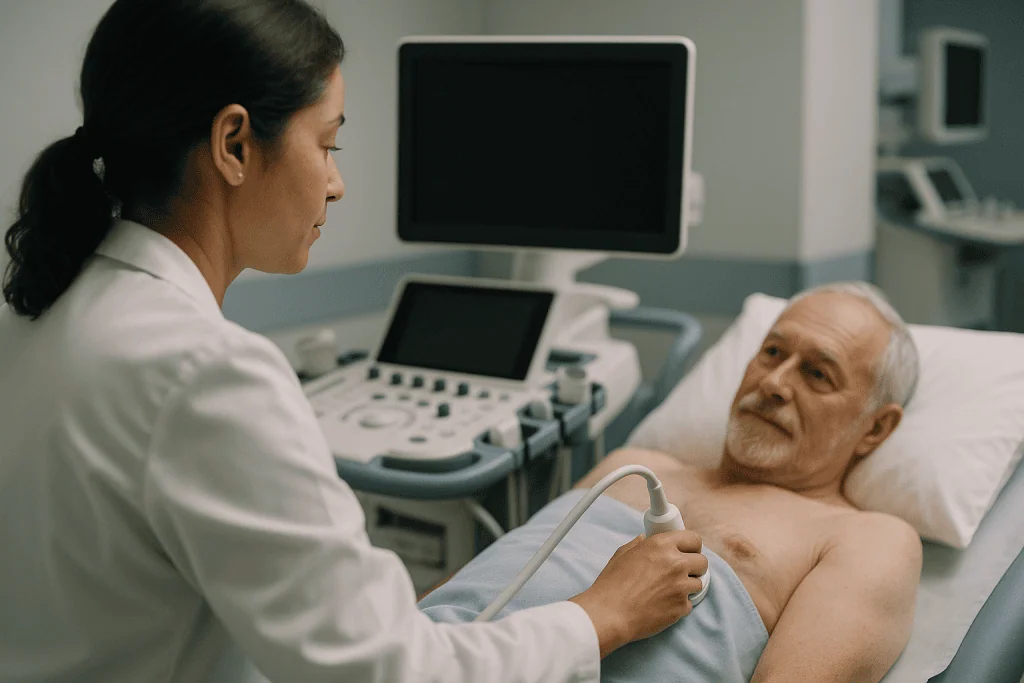
Coronary bypass surgery (CABG) creates new routes for blood to flow around blocked coronary arteries, using vessels taken from your chest, arm or leg. It is major surgery under general anaesthesia, with intensive care monitoring afterwards. International patients travelling to Turkey should plan for pre-operative testing, several days in hospital, a control visit and formal travel clearance before flying home.
This guide explains what coronary bypass surgery involves, when it is considered, how candidates are assessed, and what the operation and recovery actually look like. It also covers the practical side of having coronary bypass surgery in Turkey as an international patient: evaluation before travel, hospital stay, how quotations are structured and what to plan for the journey home.
At a glance
- Procedure type: Major cardiac surgery, coronary artery bypass grafting, also called CABG or heart bypass surgery
- Purpose: To restore blood flow to heart muscle when coronary arteries are severely narrowed or blocked
- Anaesthesia: General anaesthesia
- Hospital stay: Several days, beginning with intensive care monitoring; the exact length depends on your condition and how recovery progresses
- Early recovery: Measured in weeks; the breastbone and grafts need protection while they heal
- Full recovery: Stamina, wound healing and cardiac rehabilitation continue over several months
- Return to daily life: Light activity resumes gradually; driving, work and exercise each need your surgeon’s individual clearance
- Responsible departments: Cardiovascular Surgery, working with Cardiology, Anaesthesiology, Intensive Care and Rehabilitation
- International patient support: Preliminary record review, interpreters, transfers, accommodation guidance and remote follow-up coordination
What coronary bypass surgery is
Coronary artery bypass surgery, medically called coronary artery bypass grafting or CABG, creates a new route for blood to travel around a narrowed or blocked coronary artery. The coronary arteries supply oxygen-rich blood to the heart muscle itself. When one or more of them becomes severely blocked, the muscle can be starved of blood, particularly during exertion, which is why angina so often appears first on stairs, hills or in cold weather.
During the operation, a cardiovascular surgeon takes a healthy blood vessel from elsewhere in your body, most often an artery from inside the chest wall, an artery from the forearm, or a vein from the leg, and connects it beyond the blockage. Blood then flows through the graft instead of the diseased segment. Depending on how many arteries are affected, you may receive one graft or several; surgeons often describe this as single, double, triple or quadruple bypass.
One point deserves honesty from the start. Bypass surgery treats the consequences of coronary artery disease, not the disease itself. The tendency to form new narrowings, atherosclerosis, remains after the operation. That is why medication, blood pressure and diabetes control, smoking cessation and long-term cardiology follow-up stay important for the rest of your life, however well the surgery goes. If you are researching coronary bypass surgery in Turkey, build that long-term reality into your expectations, not just the trip itself.
When is it recommended?
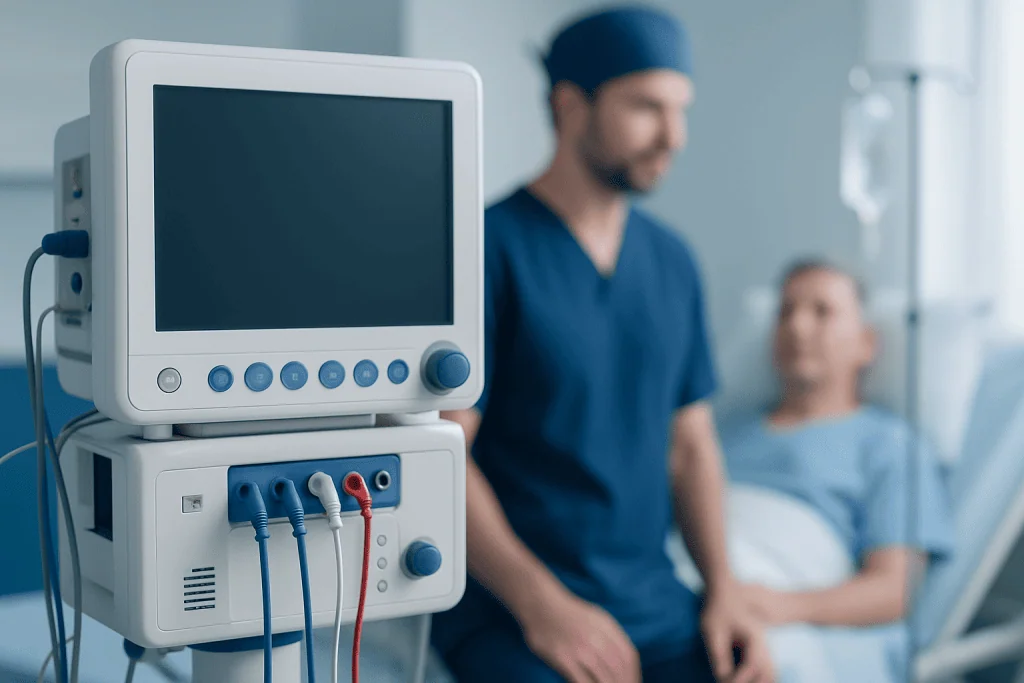
Bypass surgery tends to be recommended when coronary artery disease is severe, involves several vessels, affects the left main coronary artery or other critical territory, or is not well suited to treatment with medication or stents. It is also considered when previous stents have narrowed again, when angina persists despite full medical treatment, or when the anatomy of the blockages, long, calcified or branching segments, makes surgical grafting the more durable strategy.
The decision rests on many factors read together: the pattern shown on coronary angiography, how well the heart muscle pumps, your symptoms, any previous heart attack, diabetes, kidney function, lung health and general fitness for a major operation. Some patients need urgent surgery; for most international patients, the operation is planned in advance, which allows time for careful preparation.
In practice, this is a team decision. At Acibadem, bypass recommendations are made through collaboration between cardiology, cardiovascular surgery, anaesthesiology and intensive care: a heart-team approach that exists precisely so that surgery is chosen for the right reasons, and alternatives are weighed honestly rather than dismissed.
Who is a good candidate?

Candidates for CABG typically have significant coronary narrowing together with a clinical picture that surgery can meaningfully address: persistent angina, breathlessness on exertion, reduced exercise capacity, diabetes with complex multi-vessel disease, or left main coronary artery involvement. The angiogram alone does not decide the question. Age, heart muscle function, other illnesses, previous operations, current medications and your ability to take part in recovery all matter.
Some patients are not ready for surgery immediately. Poorly controlled blood sugar, anaemia, an active infection, untreated lung disease or an unstable non-cardiac condition may need to be corrected first: a process surgeons call optimisation. A smaller group of patients may be better served by another treatment altogether. Neither situation is a failure of planning; it is the evaluation doing its job. Only a physician who has examined you and reviewed your complete records can confirm suitability.
Surgical techniques and graft choices
Coronary bypass surgery is not one uniform operation. The most common approach is conventional on-pump CABG: the surgeon reaches the heart through the breastbone, and a heart-lung machine temporarily takes over circulation while the grafts are sewn in place. In selected patients, off-pump CABG is an option, with grafts placed while the heart continues beating. Some centres also offer smaller-incision approaches for suitable anatomy. Which technique is right depends on your coronary pattern, heart function and the surgeon’s judgement, not on which technique sounds most modern.
Graft choice is equally individualised. The internal mammary artery, taken from inside the chest wall, is widely favoured for the most important coronary targets because arterial grafts tend to hold up well over time. Leg vein and forearm artery grafts are commonly used for additional bypasses. Your surgeon should be able to explain which vessels are planned for your case and why: a reasonable question to ask at consultation.
Alternatives to bypass surgery
Not everyone with coronary artery disease needs an operation. Alternatives include optimised medical therapy alone, angioplasty with coronary stent placement, or occasionally a hybrid approach that combines surgical and catheter-based treatment. Stenting is less invasive and recovery is faster, but for certain patterns of disease, particularly diabetes with multi-vessel involvement, or left main disease, surgery is often the more durable choice. The comparison is made case by case, using your angiogram, symptoms and overall risk profile, and a good heart team will explain the reasoning rather than assume the answer.
Evaluation before travel
For an operation of this scale, evaluation begins long before the flight. International hospital teams, including Acibadem International, typically carry out a preliminary review of a patient’s records before travel dates are fixed: medical history, current symptoms, medication list, previous procedures, coronary angiography images with the written report, echocardiography findings, recent blood tests and hospital discharge summaries. Where documents are in another language, the international team advises which ones matter most to translate.
A preliminary review serves a specific, limited purpose: it indicates whether bypass surgery appears relevant, which departments will be involved, roughly how long you should plan to stay, and which tests may need repeating after arrival. It is not a diagnosis and not surgical clearance. Plans can and do change after physical examination, updated imaging and the anaesthesiology assessment, and that flexibility protects you, because it means the operation is based on current information rather than a file from months ago.
Before the operation
After arrival in Turkey, you meet the cardiovascular surgery and cardiology teams for examination and a full review of your records. Pre-operative testing commonly includes blood tests, an electrocardiogram, echocardiography, chest imaging, vascular assessment of the planned graft sites, lung function testing where relevant, and an anaesthesiology consultation. If earlier angiography images are incomplete or outdated, repeat coronary imaging may be needed.
Your medication plan is reviewed in detail. Blood thinners, diabetes medicines and blood pressure drugs often need adjustment around major surgery, and every one of those decisions belongs to the treating doctors, which is why the team needs a complete, honest list, including supplements and herbal products. Allergies, previous anaesthesia problems, bleeding history, kidney disease, stroke history, dental infections and recent fevers are all relevant and worth mentioning even if they seem minor.
Practical preparation follows: fasting instructions, antiseptic washing before surgery, removal of jewellery and nail polish, and, importantly, teaching of the breathing exercises and safe movement techniques you will use afterwards. Consent discussions cover the planned grafts, expected scars, intensive care monitoring, pain management and how your companion will receive updates during the operation.
During the operation
On the day of surgery you are taken to the operating theatre and placed under general anaesthesia; you are not awake for any part of the procedure. The anaesthesia team monitors your heart rhythm, blood pressure, oxygen levels and other vital parameters continuously. One surgical team prepares the graft vessels from the chest, leg or arm while the operation on the heart itself proceeds.
In a conventional operation, the surgeon reaches the heart through an incision in the breastbone and sews each graft in beyond the blocked segment of coronary artery. If a heart-lung machine is used, it supports circulation while the delicate connections are made; in off-pump surgery, stabilising instruments hold a small area of the beating heart still instead. At the end, the team checks flow through each graft, controls bleeding and closes the incisions.
You wake in the intensive care unit, usually with temporary drains, monitoring lines and, at first, a breathing tube. These look alarming to companions but are standard early equipment, removed step by step as you stabilise and breathe safely on your own.
Hospital stay and discharge
Intensive care comes first. Close observation lets the team manage pain, breathing, heart rhythm, blood pressure, fluid balance and drainage during the most sensitive hours. Most patients are encouraged to sit up, breathe deeply and begin gentle movement remarkably soon, early mobilisation genuinely helps recovery and reduces lung complications.
Once stable, you move to a regular ward. Nurses and physiotherapists help you walk safely, practise breathing exercises, protect your chest while coughing and care for the incisions. Doctors review blood tests, rhythm monitoring, wound healing and medications daily. Discharge is considered when you are medically stable, walking at an appropriate level, eating and breathing well, and your wounds and heart rhythm are satisfactory.
Before you leave, you receive written discharge documents covering wound care, activity limits, medication instructions and the changes in your condition that your doctors want reviewed. International patients should not plan an immediate long-distance journey; a first control visit is normally arranged before leaving Turkey, and remote follow-up can be coordinated after you return home.
Recovery timeline
Recovery after coronary bypass surgery is gradual and genuinely individual. It depends on the state of your heart before surgery, your age and general health, the number of grafts, wound healing and how consistently you follow rehabilitation advice. The table gives a general picture; your own surgeon’s instructions always take priority.
| Timeframe | What to expect |
|---|---|
| First 24 hours | Intensive care monitoring, support for breathing and circulation, pain control, drainage checks and gradual awakening from anaesthesia. |
| First week | Transfer to the ward, gentle walking, breathing exercises, medication adjustment, wound checks and preparation for discharge when safe. |
| Weeks 2–4 | Energy improves slowly. Walking continues daily; the breastbone is protected and heavy lifting avoided. Control visits as advised. |
| Months 1–3 | Stamina builds, often within a structured cardiac rehabilitation programme. Return to work, driving and exercise each need medical approval. |
| Beyond 3 months | Activity tolerance typically continues to improve, while long-term prevention, medication, lifestyle, cardiology follow-up, becomes the main focus. |
Tiredness, low mood, sleep changes, reduced appetite and mild incision discomfort are common in the early weeks and usually improve. Cardiac rehabilitation, supervised exercise, education and lifestyle support, is widely recommended after CABG and can often be continued in your home country if you leave Turkey before a programme finishes.
What to avoid during recovery
- Strain on the breastbone. Heavy lifting, pushing, pulling and sudden upper-body movements are avoided until your surgeon confirms the bone has healed.
- Driving and intense exercise. Both need individual clearance; reaction times and chest healing are assessed, not assumed.
- Smoking and tobacco. Tobacco directly damages blood vessels and graft function, and slows wound healing.
- Water immersion on healing wounds. Swimming, baths and saunas wait until incisions are fully healed and approved; showering guidance is given at discharge.
- Unplanned long flights. Long-distance travel is timed with your medical team, taking wound healing, rhythm stability and blood results into account.
Long-term medication is usually a permanent part of the plan after bypass surgery, protecting the grafts and controlling blood pressure, cholesterol and diabetes. Any change to that plan is a decision for your treating cardiologist, never something to adjust on your own judgement, and feeling well is not evidence that a medicine has finished its job.
Risks and possible complications
CABG is a serious operation: that is the honest answer to a question many patients search for. Possible complications include bleeding, infection, wound healing problems, heart rhythm disturbances (atrial fibrillation is particularly common early on), breathing difficulties, kidney strain, stroke, heart attack, blood clots, fluid around the heart or lungs, and anaesthesia-related reactions. Risk is not uniform: it rises with diabetes, kidney or lung disease, obesity, smoking, previous heart surgery, weakened heart function and emergency presentation, which is exactly why the pre-operative work-up is so detailed and why intensive care monitoring follows the operation.
Two realities deserve equal emphasis. First, experienced teams reduce risk through planning, sterile technique, medication management and early mobilisation, but no hospital and no surgeon can guarantee an outcome, and any provider who implies otherwise should be treated with caution. Second, grafts themselves can narrow over the years, and symptoms can return in some patients. Long-term results depend as much on what happens after surgery, medication, lifestyle, follow-up, as on the operation itself.
Results and expectations
The purpose of the operation is better blood flow to heart muscle that was being starved. After recovery, many patients report less angina, better exercise tolerance and more confidence in daily activity. The degree and pace of improvement vary with the condition of the heart muscle beforehand, other illnesses and rehabilitation progress.
Set expectations carefully. Some symptoms may not disappear entirely, especially where there is previous heart muscle damage, coexisting valve disease, lung disease or anaemia. Continuing to take medication after surgery is normal and is not a sign the operation fell short, medicines protect the grafts and manage the underlying disease. Follow-up is part of the result: cardiology monitoring, wound checks and a long-term prevention plan, with documentation prepared so your doctors at home can continue care seamlessly.
Is Turkey a reasonable choice for heart surgery?
Patients researching this question deserve a straight answer rather than a sales pitch. There is no single “best country” for bypass surgery. Cardiac surgical outcomes depend on the individual team, the volume of similar operations a centre performs, the quality of its intensive care, and the thoroughness of pre-operative assessment, factors that vary between hospitals within every country, Turkey included. Turkey has a large cardiac surgery sector, and major private hospital groups run dedicated cardiovascular surgery departments with on-site intensive care, catheterisation laboratories and rehabilitation support.
Sensible due diligence looks the same wherever you go: confirm that the hospital performs coronary bypass surgery routinely rather than occasionally; ask how decisions between surgery and stenting are made; check what the intensive care arrangements are; ask who manages complications and how follow-up works after you fly home; and get the scope of any quotation in writing. For heart patients specifically, the added consideration is travel itself, flying with significant coronary disease, and flying home after major surgery, both need medical input on timing, so build flexibility into your plans rather than booking a fixed return date.
Travel planning for international patients
Coronary bypass surgery abroad needs more time than most medical trips. Expect to arrive before surgery for consultation and testing, remain through the hospital stay, attend at least one post-discharge control visit and receive explicit travel clearance before flying. The total stay depends on your condition and your surgeon’s advice, not on a standard package length.
A companion is strongly recommended for major heart surgery, for mobility support in the first days after discharge, communication, medication organisation and travel logistics. Acibadem International coordinates interpreter support, airport transfers, appointment scheduling and accommodation guidance for patients and companions alike.
For the journey, keep all medical records in one clear folder and essential medication in hand luggage. Discuss flight timing, compression stockings, in-flight walking and hydration with your doctors before travelling in either direction. Implanted cardiac devices such as pacemakers, anticoagulant therapy and oxygen requirements all affect how a journey is planned, so they belong in the medical records shared at the start of the process rather than emerging at the airport.
How costs are structured
This guide gives no figures, because for cardiac surgery honest figures cannot exist in advance of a medical review. What can be explained is the structure. A quotation for coronary bypass surgery in Turkey reflects the complexity of the coronary disease, the number of grafts, the surgical technique, the tests required, the expected intensive care and ward duration, medications, blood products if needed, and any additional specialist input. Because every heart case differs, a personalised quotation is prepared after the medical records have been reviewed.
A typical international package covers hospital admission, operating theatre services, surgeon and anaesthesia fees, standard nursing care, intensive care and ward stay within an agreed scope, routine pre-operative tests, standard in-hospital medications, interpreter assistance and defined transfers. Items commonly outside a package include international flights, accommodation beyond the hospital, companion expenses, non-standard tests, treatment of unrelated conditions, extended intensive care or hospital stay, additional procedures and care after returning home. Read the written quotation carefully, and make sure you understand how unexpected medical needs are handled before you commit: a package that is vague on this point is a package to question.
Why choose Acibadem
An operation of this scale needs more than an operating theatre; it needs a complete cardiac pathway under one roof. Acibadem hospitals bring together cardiovascular surgery, cardiology, anaesthesiology, intensive care, imaging, laboratory services and rehabilitation support in a multidisciplinary structure, so that the assessment, the operation and the recovery are managed by teams that work together routinely.
For international patients, Acibadem International organises the practical layer around that clinical pathway: preliminary record review before travel, appointment coordination, interpreters, airport transfers, accommodation guidance and structured communication with companions during the hospital stay. After discharge, remote follow-up communication can be coordinated alongside the local cardiology care you continue at home. Suitability for surgery is always determined by the responsible physicians after complete, in-person evaluation, no coordination service replaces that step.
Medical review and disclaimer
This guide has been reviewed by the Acibadem International medical team and is intended to explain coronary bypass surgery in Turkey in clear, practical language for international patients.
It is general information, not medical advice, and it does not replace consultation with a qualified physician. Coronary artery disease is a serious condition, and treatment decisions must rest on your symptoms, test results, medical history and in-person examination. Your actual treatment plan, hospital stay, recovery time and results may differ from the general descriptions here. Always follow the guidance of your treating doctors.
Step by step
- Initial contact. You contact Acibadem International and share your diagnosis, symptoms, country of residence and preferred timing.
- Medical record submission. You submit coronary angiography images and reports, echocardiography results, blood tests, your medication list and previous discharge summaries.
- Preliminary medical review. Cardiology and cardiovascular surgery teams review the records to assess whether bypass surgery appears relevant and what further information is needed.
- Treatment plan and quotation. You receive a preliminary pathway and personalised quotation, with clear notes on what may change after in-person evaluation.
- Travel planning. The international patient team coordinates appointment dates, interpreter needs, transfers, accommodation guidance and companion arrangements.
- Arrival. You are met and guided to scheduled hospital appointments, with support for registration and communication.
- In-person consultation. The cardiovascular surgeon and cardiology team examine you, review records and confirm the safest plan.
- Pre-operative tests. Blood tests, imaging, heart and lung assessments and the anaesthesia evaluation are completed.
- Surgery. Coronary bypass surgery is performed under general anaesthesia with continuous monitoring.
- Hospital stay. You recover first in intensive care and then on the ward, with monitoring of rhythm, breathing, wounds, mobility and medication.
- First control. Before leaving Turkey, the surgical team reviews your recovery, medications and activity guidance.
- Discharge and travel clearance. You receive discharge documents, wound care guidance and clearance to fly when your doctors consider it safe.
- Remote follow-up. After returning home, you can share updates and test results with the Acibadem International team while continuing local cardiology care.
Your checklist
- Valid passport and any required visa or travel authorisation
- Coronary angiography images and the written report
- Recent echocardiography report and electrocardiogram if available
- Hospital discharge summaries and notes from previous heart procedures
- Complete medication list, including blood thinners, diabetes medicines and supplements
- Known allergies, medications, contrast dye, latex, anaesthesia
- Medical history: diabetes, kidney disease, lung disease, stroke, bleeding problems, infections
- List of previous surgeries, stents, pacemaker or other implanted cardiac devices
- Recent blood test results and imaging reports if available
- Notes on current symptoms, activity limits and recent changes in chest pain or breathlessness
- Contact details for your cardiologist or family doctor at home
- Travel insurance details and companion contact information
Key takeaways
- Coronary bypass surgery is considered when severe or complex coronary artery disease is not well suited to medication or stenting alone.
- Suitability is confirmed only after full cardiology and cardiovascular surgery evaluation, including in-person examination and up-to-date tests.
- The operation improves blood flow but does not remove the underlying disease; medication and lifelong cardiology follow-up remain essential.
- Plan enough time in Turkey for pre-operative testing, surgery, intensive care and ward recovery, a control visit and formal travel clearance, and keep return dates flexible.
- Quotations are structural, not fixed price lists: read the written scope carefully and understand how additional medical needs are handled.
Frequently asked questions
Which country is best for bypass surgery?
No country is uniformly best. Cardiac surgical quality depends on the individual hospital and team: how routinely the centre performs CABG, the standard of its intensive care, and how thoroughly candidates are assessed. Turkey has a large cardiac surgery sector with hospitals that perform bypass surgery routinely, but the sensible comparison is always between specific centres, not between flags on a map.
Is it safe to have heart surgery in Turkey?
Safety depends on the hospital, not the country alone. Established Turkish hospital groups operate dedicated cardiovascular surgery departments with on-site intensive care and heart-team decision-making. Wherever you go, check that bypass surgery is a routine procedure for the centre, ask how complications are managed, and confirm how follow-up works after you return home.
How serious is coronary artery bypass surgery?
It is major surgery under general anaesthesia, usually involving the breastbone and, in many cases, a heart-lung machine, followed by intensive care monitoring. Risks include bleeding, infection, rhythm disturbance, stroke and other complications, and recovery takes weeks to months. It is recommended precisely because, for the right patients, the benefit of restored blood flow justifies an operation of this scale.
How do I know if I need bypass surgery instead of a stent?
The choice depends on the number, location and pattern of blockages, your symptoms, heart function and conditions such as diabetes. Some patterns of disease are better treated with medication or stents; others, including left main disease and complex multi-vessel disease, are often more durably treated with surgery. A joint cardiology and cardiovascular surgery review makes the call.
How long should I plan to stay in Turkey?
Long enough for pre-operative evaluation, the operation itself, the hospital stay including intensive care, a first control visit after discharge and formal travel clearance. The exact duration depends on your condition and recovery speed, so build flexibility into flights and accommodation rather than fixing a tight return date.
Will I need intensive care after bypass surgery?
Yes, intensive care monitoring is a standard part of early recovery after CABG, not a sign that something has gone wrong. It allows close observation of breathing, heart rhythm, blood pressure, drainage and pain control. Transfer to the ward follows once doctors confirm you are stable.
When can I fly home after CABG?
Only after your surgeon gives travel clearance. The decision weighs wound healing, walking ability, heart rhythm, breathing and blood results. Long flights are planned with practical precautions, timing, in-flight walking, hydration and, where advised, compression stockings, rather than booked on a fixed assumption.
What affects the cost of coronary bypass surgery in Turkey?
Surgical complexity, the number of grafts, the technique used, required tests, intensive care and total hospital duration, medications and any additional medical needs. Because every case differs, a personalised quotation follows a review of your records. Always read the written scope, what is included, what is excluded, and how unexpected needs are billed.
Add us as a Preferred Source to see more of our trusted health content across Google Search, AI Overviews and Discover.

Update history
- PublishedJune 9, 2026
- Medical review approvedAugust 30, 2026
- Last content updateAugust 30, 2026
References2
More Patient Guides

HoLEP in Turkey: How It Compares With TURP and What Recovery Involves
HoLEP in Turkey treats enlarged prostate tissue with laser enucleation; learn how it compares with TURP, recovery, travel and follow-up.

Porcelain Veneers in Turkey: Who Is Suitable and How Many Visits Are Needed?
Porcelain veneers in Turkey can enhance tooth shape and colour in two visits for suitable patients after a personalised dental assessment.

How to Prepare for a Sedation Procedure in Turkey
Prepare safely for a sedation procedure in Turkey with guidance on fasting, medicines, travel, recovery and follow-up.

Treatment Delays in Turkey: What Happens If Tests or Recovery Change Your Schedule
Treatment delays in Turkey can happen if tests or recovery change your plan. Learn how to manage appointments, travel, accommodation and follow-up.