

Eating and Drinking During Recovery in Turkey
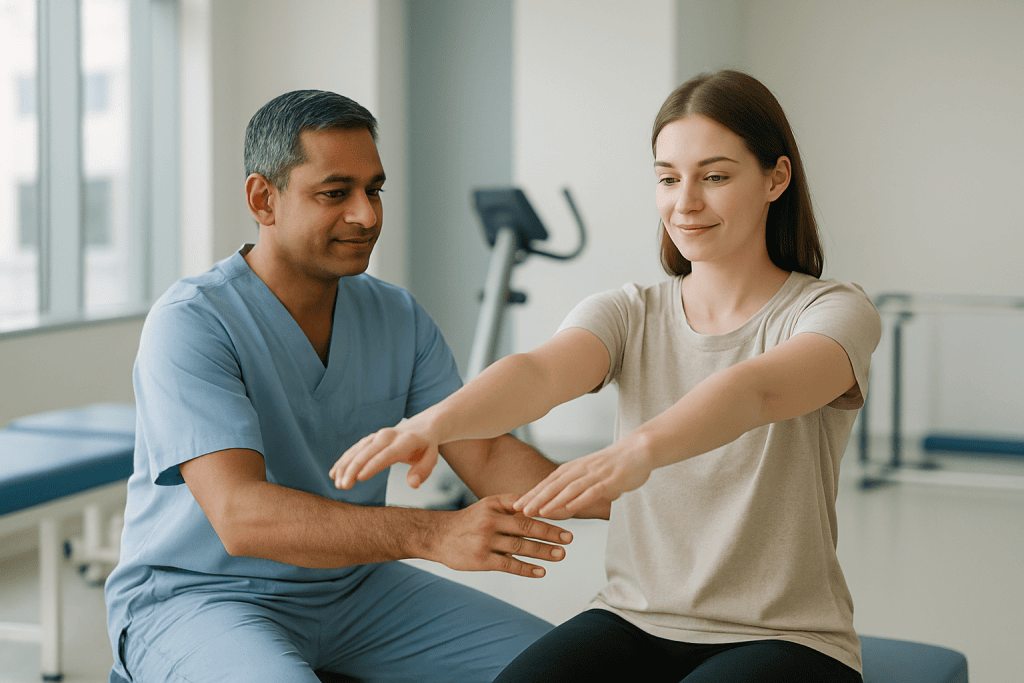
Follow your medical team's written diet instructions first. In the early days, choose small, simple, freshly prepared meals, soup, yoghurt, rice, grilled chicken or fish, and keep sealed bottled water within reach. Avoid alcohol unless your doctor confirms it is safe, be cautious with caffeine, and set up your hotel room with a fridge, kettle and easy food access before discharge.
You leave the hospital, you get back to your hotel room, and the first practical question arrives quickly: what can I actually eat and drink now? It is one of the most common questions international patients ask, and the answer matters more than most people expect. Sensible eating and drinking during recovery in Turkey makes the days after treatment calmer, more comfortable and easier to manage, and poor choices can make them harder.
This guide covers what to eat in the first days after discharge, how to handle hydration, tea, coffee and alcohol, how food safety works when you are healing away from home, and how to set up your hotel room so meals stop being a daily problem. One limit stated plainly at the start: nothing here replaces your own discharge instructions. Your medical team knows your procedure, your medications and your history. This guide helps you follow their plan, not work around it.
At a glance
- Best first step: Get written eating and drinking instructions from your doctor, nurse or dietitian before discharge, in a language you understand.
- Hydration: Keep sealed bottled water within reach and ask your care team how much fluid is right for you, some conditions need limits, not more.
- Meal style: Small, simple, familiar, freshly prepared meals. Early recovery is not the time for culinary experiments.
- Alcohol: Avoid it unless your medical team specifically confirms it is safe with your medications and procedure.
- Hotel planning: Confirm a fridge, kettle, room service and a nearby pharmacy or market before you check in.
- Support: Acibadem International patient services can help with interpreters, discharge clarification and practical aftercare questions.
Start with your medical team’s instructions, not the internet
Eating and drinking during recovery in Turkey begins with one rule that outranks everything else in this guide: your medical team’s instructions come first. What is right for you depends on your procedure, your medications, your medical history, your digestive tolerance and how mobile you are. A patient recovering from abdominal surgery, a patient after a dental procedure and a patient after orthopaedic treatment will get different advice, sometimes opposite advice.
Before you leave the hospital, ask four specific questions and get the answers written down:
- When exactly may I start eating, and what texture is safest to begin with?
- Which foods, drinks or supplements should I avoid, and for how long?
- How much fluid should I aim for each day, and is there an upper limit?
- What symptoms related to eating or drinking should prompt a call to the hospital?
Keep a photo of the written instructions on your phone. At Acibadem hospitals, discharge guidance is coordinated with the treating team and international patient services so you can go through it in your own language where possible. If any point is unclear, ask again before you leave the building: it is far easier to clarify at the nurses’ station than from a hotel room at 11pm.
Do not treat general internet advice, including this guide, as a substitute for your plan. Some patients are encouraged to eat protein-rich foods; others need a temporary soft, low-fat, low-salt, diabetic or liquid diet. If you have allergies, religious dietary needs or strong preferences, raise them early so the team can build them into the plan rather than patch around them later. The same principle applies before treatment, which is why it helps to read when to stop eating, drinking or smoking before a procedure in Turkey in advance of your admission.
What to eat in the first days after discharge
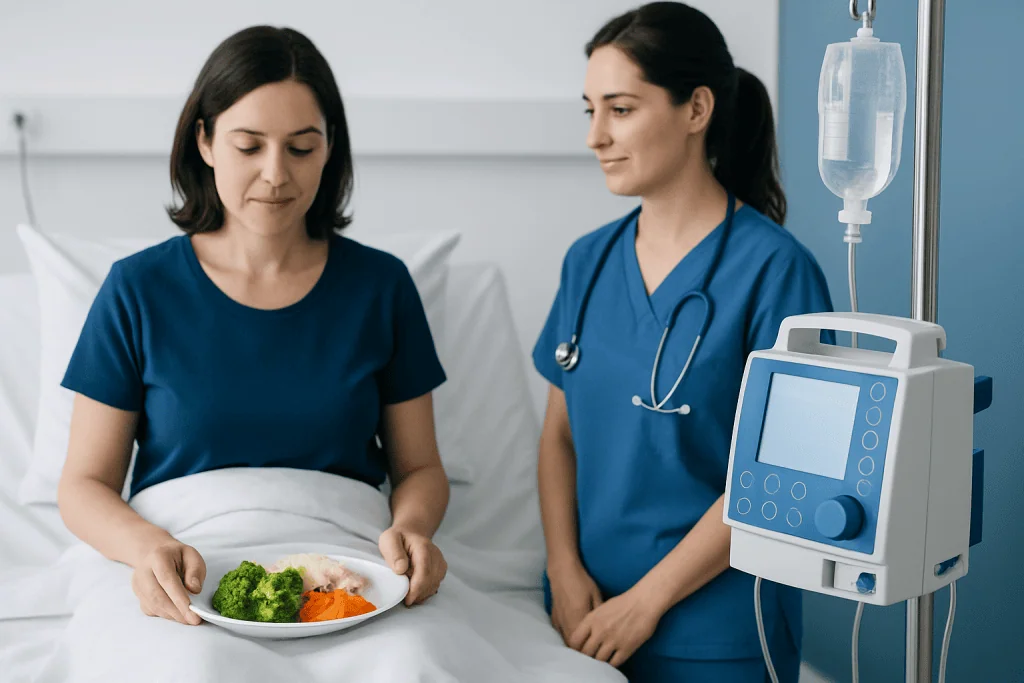
Unless your team has restricted your diet, the early-days formula is simple: small portions, more often, of food you already know. Large meals can feel heavy after anaesthesia, pain medication or reduced movement. Many patients do better with five or six small eating moments a day than with three full plates.
Foods that tend to work well when nothing is restricted include:
- Clear or blended soups, lentil soup (mercimek çorbası) is everywhere in Turkey, usually mild and freshly made
- Plain yoghurt, which is a staple of Turkish kitchens and easy to find in any market
- Eggs, boiled or gently cooked
- Rice, pasta, bread or oatmeal
- Soft cooked vegetables and fruit you can peel, such as bananas
- Grilled chicken or fish without heavy sauces
Turkey’s everyday food culture is genuinely helpful here. Fresh produce, soups, grilled dishes and dairy are the backbone of ordinary Turkish meals, not the exception. What you should be cautious with in the early days: very spicy dishes, heavily fried food, rich cream sauces, and anything sitting in a display case for an unknown number of hours.
Protein often matters for healing, but the right amount and type depends on your medical situation, some kidney and liver conditions require limits, not extra. If your appetite is poor, ask your team whether protein-rich snacks, smoothies, soups or a nutrition supplement are appropriate for you before buying anything from a pharmacy shelf. Steady intake you can actually tolerate beats a perfect meal you cannot finish. For a fuller day-by-day approach, see how to plan meals around surgery and recovery during your stay in Turkey.
Hydration, tea, coffee and alcohol

Hydration is the single most controllable part of eating and drinking during recovery in Turkey. Keep sealed bottled water within arm’s reach of your bed or chair, especially if you are moving less than usual or taking medication. Do not simply drink “as much as possible”: some heart, kidney and other conditions require fluid limits, so ask your team for a daily target and stick to it. There is a dedicated guide on drinking water and hydration during recovery in Turkey if you want more detail on that topic alone.
Tea and coffee
Turkey has one of the strongest tea cultures in the world, and you will be offered çay, small tulip-shaped glasses of black tea, constantly, along with Turkish coffee. For many patients, moderate caffeine is acceptable. For some, it worsens sleep, reflux, palpitations or dehydration, and certain medications interact with caffeine or with herbal teas. The honest answer is: it depends on your procedure and prescriptions, so ask your doctor or nurse specifically. Turkish coffee is also stronger per small cup than many visitors expect, and the grounds at the bottom are not meant to be drunk.
Alcohol during recovery
Avoid alcohol unless your medical team specifically says it is safe for you. This is not a cultural point; it is a medical one. Alcohol can interact with painkillers, antibiotics and blood thinners, increase bleeding risk, worsen dehydration, disturb sleep and affect your judgement while you are still healing. If you want something other than water, ayran (a salted yoghurt drink found everywhere in Turkey), fresh soup, diluted juice or caffeine-free warm drinks are the easier choices.
Alcohol laws and culture in Turkey, what visitors actually need to know
Patients often ask about this, so here are the facts without editorialising. Alcohol is legal in Turkey. The country is a secular republic, and drinking is a personal choice, some Muslims in Turkey drink, many do not, and both are ordinary. The minimum age to buy alcohol is 18. Shops and supermarkets cannot sell alcohol between 22:00 and 06:00, but licensed restaurants, bars and hotels can serve it during their normal hours. Alcohol advertising is restricted, and some municipalities limit drinking in certain public spaces, so drinking in the street is best avoided. Turkey has its own long-standing drinking tradition, rakı, an aniseed spirit, is the classic example, usually drunk slowly with food. Exact survey figures on how many people in Turkey drink vary, but a substantial share of the population does not drink at all, and nobody will find it strange if you decline. During recovery, none of this changes the medical advice above: skip it unless your doctor clears it.
Food safety while you are healing
Your body may be more sensitive to digestive upset during recovery, and even a mild stomach problem can complicate wound care, medication schedules and your flight home. A few practical habits reduce the risk considerably:
- Choose busy, established places. High turnover means fresher food. A restaurant full of locals at lunchtime is usually a safer bet than a quiet one with a large buffet.
- Eat food cooked thoroughly and served hot. Be cautious with dishes that have visibly been sitting out.
- Use sealed bottled water if that is what your care team or hotel recommends, and check the seal is intact. Be careful with ice where you are unsure how the water is handled.
- Wash fruit well and prefer fruit you can peel yourself if your stomach is sensitive.
- Handle leftovers properly. If your room has a fridge, store food promptly and reheat it thoroughly. If you have no refrigeration, order smaller portions and never keep cooked food at room temperature for later.
If you are immunocompromised, on chemotherapy, or have specific infection risks, ask your doctor whether you need stricter precautions than the general advice above, some patients are told to avoid raw salads, soft cheeses or undercooked eggs entirely for a period.
Managing common recovery issues with food and drink
Constipation, nausea, bloating and a flat appetite are among the most common complaints after anaesthesia, pain medication and reduced movement. They are also among the most under-reported, because patients feel embarrassed. Do not be. Your care team hears these concerns every single day, and the fix is often simple.
Constipation
If your doctor allows it, fluids, fruit, vegetables, whole grains, soups and gentle walking usually help. Prunes, pears, lentil soup and oatmeal work for many people. Introduce fibre gradually if you are not used to it: a sudden fibre load without enough fluid can make discomfort worse. Do not buy laxatives or stool softeners over the counter without checking with your team first, and never adjust prescribed medication on your own; that decision belongs to your treating doctor.
Nausea and poor appetite
Smaller meals, bland foods and slow sipping are the first-line habits. Ginger tea, plain crackers, yoghurt, rice or thin soup are often easier to tolerate. If you were given anti-nausea medication, use it exactly as directed. Report persistent vomiting, inability to keep fluids down, severe abdominal pain or signs of dehydration to your care team promptly rather than waiting to see if it passes. Some queasiness is also a medication side effect rather than a food problem: the guide on medicine side effects during hotel recovery in Turkey explains how to tell the difference and what to ask.
A simple written record helps here: noting what you ate, how much you drank and how you felt gives your team something concrete to work with if you call. Even a few lines a day, kept in your phone, is enough.
Planning meals in your hotel or apartment
Your accommodation determines how much effort eating and drinking during recovery in Turkey actually takes. Before arrival, not after, ask whether your room has a refrigerator, a kettle, a microwave, lift access and room service, and whether a companion has space to prepare simple snacks. If your mobility is limited, being close to the hospital, a pharmacy and a small market removes a daily source of stress.
Many international patients keep a small recovery shelf in the room. Useful items include:
- Sealed bottled water, and electrolyte drinks if your team has approved them
- Crackers, plain biscuits and bananas
- Yoghurt and ready-to-heat soup (fridge and kettle permitting)
- Tea bags, ideally including caffeine-free options
- Disposable cutlery, wet wipes and a bag for rubbish
- Any nutrition products your team specifically recommended
Keep medication separate from food and follow its storage instructions, some medicines need refrigeration, most do not, and a hot windowsill suits neither. Delivery apps and hotel room service can carry most of the load in the first days; the practical details, from choosing dishes to receiving orders at your door, are covered in ordering food and groceries during hotel recovery in Turkey.
Acibadem International’s patient services can guide you on practical arrangements, accommodation areas, interpreter support, local logistics, and can help you get clarification from the hospital team if your diet plan raises questions after discharge. They cannot replace your doctor’s medical instructions, and they will not try to.
Cultural comfort and special diets in Turkey
Recovering abroad can feel unfamiliar, especially when your appetite is low and your usual foods are nowhere on the menu. It is entirely acceptable, sensible, even, to eat simple, familiar meals rather than sampling local dishes. Comfort, predictability and safety outrank culinary adventure while you are healing. Turkey will still be there when you feel better.
If you follow a halal, vegetarian, vegan, kosher-style, gluten-free, lactose-free, diabetic, low-salt or allergy-specific diet, communicate this before admission and again before discharge. Halal food is the default in most of Turkey, which simplifies things for many patients; other restrictions take more explaining. Many restaurants can adapt meals, but language barriers make the details risky: an interpreter or a translated allergy card removes the guesswork. There is a full guide on how to manage special diets in Turkey during treatment and recovery.
When in doubt, keep requests simple: grilled chicken or fish without sauce, plain rice, soup without cream, boiled eggs, cooked vegetables, fruit you can peel. If a dish feels uncertain, take the safer option and ask your medical team later. Recovery is not the moment to test a serious allergy or gamble on a known intolerance.
Step by step
- Ask for written diet instructions before discharge. What you may eat and drink, what to avoid, and when to call for help, in a language you understand. Photograph the document and keep it on your phone.
- Prepare your recovery room. Bottled water, approved snacks, tissues, a rubbish bag and any prescribed nutrition items within reach of your bed or chair. Confirm the fridge, kettle and room service before check-in, not after.
- Start with small, simple meals. Familiar, easy-to-digest food. Eat slowly, stop if you feel unwell, and skip heavy, greasy or very spicy dishes in the early days unless your team says otherwise.
- Track fluids and symptoms. A short daily note of what you drank, whether you urinated normally, and any nausea, constipation or diarrhoea gives your care team something concrete to work with.
- Use interpreters for food restrictions. Allergies, diabetes, religious needs and medication-related restrictions deserve precise communication, not gestures. Acibadem International can support this between you, clinical staff and service teams.
- Choose safe food sources. Reputable restaurants, hotel dining, trusted markets, freshly prepared meals. Avoid old leftovers, uncertain street food and anything stored at unsafe temperatures.
- Check before taking supplements. No herbal products, vitamins, protein powders or weight-loss products without medical approval, some interfere with medication, bleeding risk or blood sugar control.
Your checklist
- Written eating and drinking instructions from your medical team
- List of foods, drinks, supplements or medications to avoid
- Sealed bottled water and approved drinks in your room
- Simple snacks such as crackers, bananas or yoghurt, if allowed
- Hotel fridge, kettle or microwave confirmed before arrival
- Translated allergy or dietary restriction card
- Emergency contact number for the hospital or patient services team
- Plan for constipation, nausea or appetite changes
- Companion or room service plan for the first days after discharge
Key takeaways
- Your personal discharge plan, not general advice, is the safest guide for what to eat and drink after treatment.
- Small, simple, freshly prepared meals and a hydration target from your team beat large or unfamiliar meals in the early days.
- Alcohol is legal in Turkey, but during recovery you should avoid it unless your doctor confirms it is safe with your medications.
- Food safety habits matter more while you are healing away from home: hot, fresh, sealed and refrigerated are the words to live by.
- Hotel logistics, a fridge, a kettle, room service, a nearby market, quietly determine how easy your aftercare feels.
- Ask for interpreter support when explaining allergies, special diets or restrictions; precision protects you.
Frequently asked questions
What are the drinking laws in Turkey?
Alcohol is legal in Turkey. The minimum age to buy it is 18. Shops and supermarkets cannot sell alcohol between 22:00 and 06:00, but licensed restaurants, bars and hotels can serve it during their normal hours. Alcohol advertising is restricted, and some municipalities limit drinking in certain public areas, so it is best not to drink in the street. None of this changes the medical advice: avoid alcohol during recovery unless your doctor confirms it is safe.
Can Muslims in Turkey drink alcohol, and do many Turkish people drink?
Legally, yes: Turkey is a secular republic and drinking is a personal choice. Some Muslims in Turkey drink and many do not; both are entirely ordinary. Turkey also has its own drinking tradition, with rakı as the classic example, usually enjoyed slowly with food. Survey figures vary, but a substantial share of the population does not drink at all, and declining a drink will never raise an eyebrow.
Can I eat Turkish food while recovering?
Often yes, if it fits your medical instructions. Choose simple, freshly prepared options, soups such as lentil soup, grilled chicken or fish, rice, yoghurt, cooked vegetables, rather than rich, fried or very spicy dishes. If you have restrictions, ask an interpreter or your care team to help you order safely.
Is tap water safe to drink during recovery in Turkey?
Most visitors and locals in cities drink bottled water, and during recovery sealed bottled water is the simpler, more consistent choice. Ask your hospital or hotel what they recommend for your specific location, and check that bottle seals are intact. If you are medically fragile or prone to stomach upset, stick with bottled water throughout your stay.
Can I drink coffee or Turkish tea after treatment?
It depends on your procedure, medications and symptoms. Caffeine can affect sleep, reflux, heart rhythm and hydration in some patients, and certain herbal teas can interact with prescriptions. Ask your doctor or nurse whether moderate tea or coffee is acceptable for you before making it part of your daily routine.
What should I do if I have no appetite?
Reduced appetite is common after treatment, travel, stress or medication. Try small portions, soft foods, soups and steady fluids rather than forcing large meals. Contact your care team if you genuinely cannot eat or drink, or if appetite loss comes with nausea, fever, pain or weakness, do not wait it out alone in a hotel room.
Should I take vitamins or protein supplements to heal faster?
Not without checking with your medical team first. Some supplements interact with prescriptions, affect blood sugar or increase bleeding risk, and pharmacy shelves in Turkey are as full of them as anywhere else. If your team believes extra nutrition would help you, they will recommend a specific, safer option.
How can I manage constipation after surgery or treatment?
Constipation is common after anaesthesia, pain medication and reduced movement. If your discharge plan allows, fluids, gentle walking and gradually increased fibre, fruit, vegetables, lentil soup, oatmeal, prunes, often help. Do not buy laxatives or stool softeners without asking your doctor first, unless they were already prescribed.
Add us as a Preferred Source to see more of our trusted health content across Google Search, AI Overviews and Discover.

Update history
- PublishedJune 8, 2026
- Medical review approvedSeptember 13, 2026
- Last content updateSeptember 12, 2026
References3
- CDC Travelers' Health: Food and Water Safety wwwnc.cdc.gov
- NHS: Eat well nhs.uk
- MedlinePlus: Nutrition medlineplus.gov
More Patient Guides
Septoplasty Recovery: Week by Week
Learn what to expect after deviated septum surgery: a week-by-week septoplasty recovery timeline, when it is usually safe to fly home, and…
Gallbladder Surgery Recovery: Week by Week
Learn what to expect after gallbladder surgery: a week-by-week recovery timeline, pain, diet, wound care, when it is safe to fly home…
Robotic Hysterectomy Recovery: Week by Week
Recovery from robotic hysterectomy week by week: pain, lifting, wounds, driving, flying home safely, warning signs and questions to ask before you…
Breast Reconstruction Recovery: Week by Week
DIEP flap recovery week by week: hospital stay, drains, pain, walking, showering, driving, when it is usually safe to fly home, and…