

Fasting Before Tests and Procedures in Turkey: Patient Guide
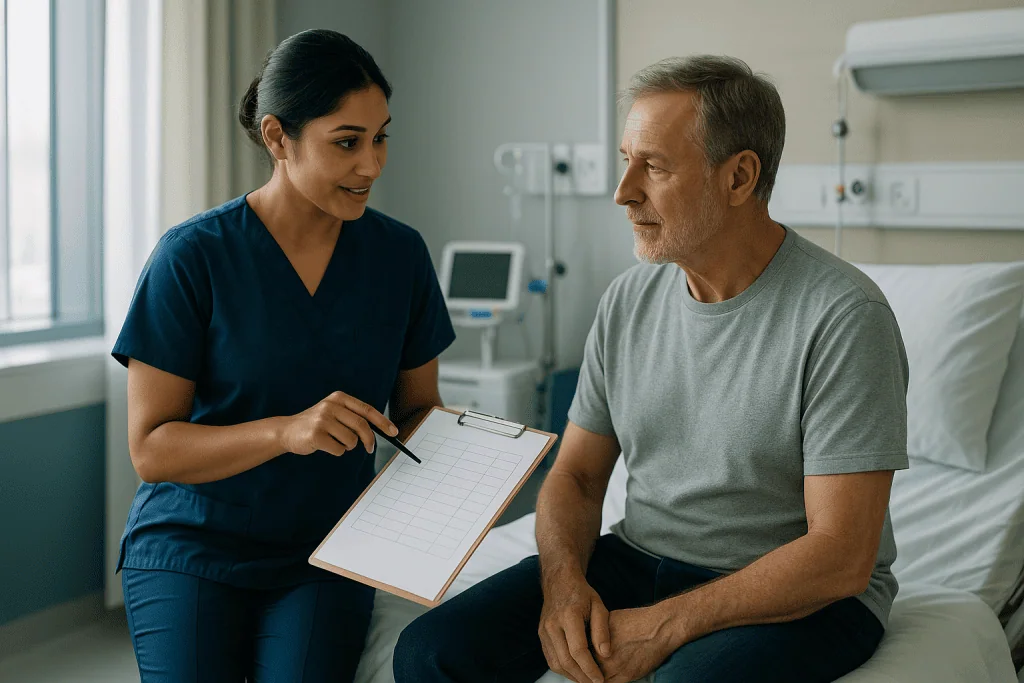
Fasting rules in Turkey depend on your specific test or procedure. Blood tests that need fasting often mean 8–12 hours without food. Before sedation or anaesthesia, teams commonly stop solid food around six hours before and clear fluids around two hours before, but your written hospital instructions always override these patterns. Confirm food, water, and medicine timing in writing before your fasting window starts.
Your appointment is early tomorrow, you are still adjusting to a new time zone, and you are not sure whether that morning tablet or a sip of water counts as breaking the fast. It is a common worry, and it is easier to sort out than it feels at midnight in a hotel room.
This guide explains how fasting before tests and procedures in Turkey usually works: what “fasting” actually covers, the typical time windows hospitals use, which tests tend to require it, how medicines fit in, and what to do if you accidentally eat or drink. It cannot replace your own written instructions, those always win, but it will help you ask the right questions before the fasting window begins.
At a glance
- Main purpose: To reduce risks linked to sedation and anaesthesia, and to keep certain blood tests, scans, and endoscopic procedures accurate and safe.
- Typical windows: Fasting blood tests often mean 8–12 hours without food. Before sedation, many teams stop solid food around six hours before and clear fluids around two hours before, but your own plan may differ.
- What to confirm in writing: Last food time, last drink time, medicine instructions, diabetes plan, arrival time, interpreter needs, and companion arrangements.
- If you break the fast: Tell the medical team immediately. Your safety matters more than keeping the schedule.
- Support available: Acibadem international patient teams can clarify instructions, arrange interpreter support, and coordinate your visit: the medical decision itself stays with your doctor.
Why fasting before tests and procedures in Turkey matters
Fasting before tests and procedures in Turkey serves two separate purposes, and it helps to know which one applies to you.
The first is safety. If you receive sedation or anaesthesia with food in your stomach, there is a risk that stomach contents move into your airway. This is why an empty stomach is required before general anaesthesia, most sedated procedures, and many endoscopies. The rules here are strict for a reason, and the team will check them more than once.
The second is accuracy. Some blood tests measure substances that change after eating, glucose is the clearest example, so a recent meal can distort the result. Certain scans also need an empty stomach or a prepared bowel so the images are readable.
Your fasting plan is not one-size-fits-all. It changes with the procedure, the time of day, your medicines, and conditions such as diabetes, reflux, kidney disease, or pregnancy. That is why the single most important rule is simple: follow the written instructions from your own care team, not advice from another patient, a forum, or a general article, including this one. If anything in your instructions is unclear, ask before the fasting window starts. A two-minute question can save a rescheduled procedure.
What fasting usually means: food, drinks, and small habits
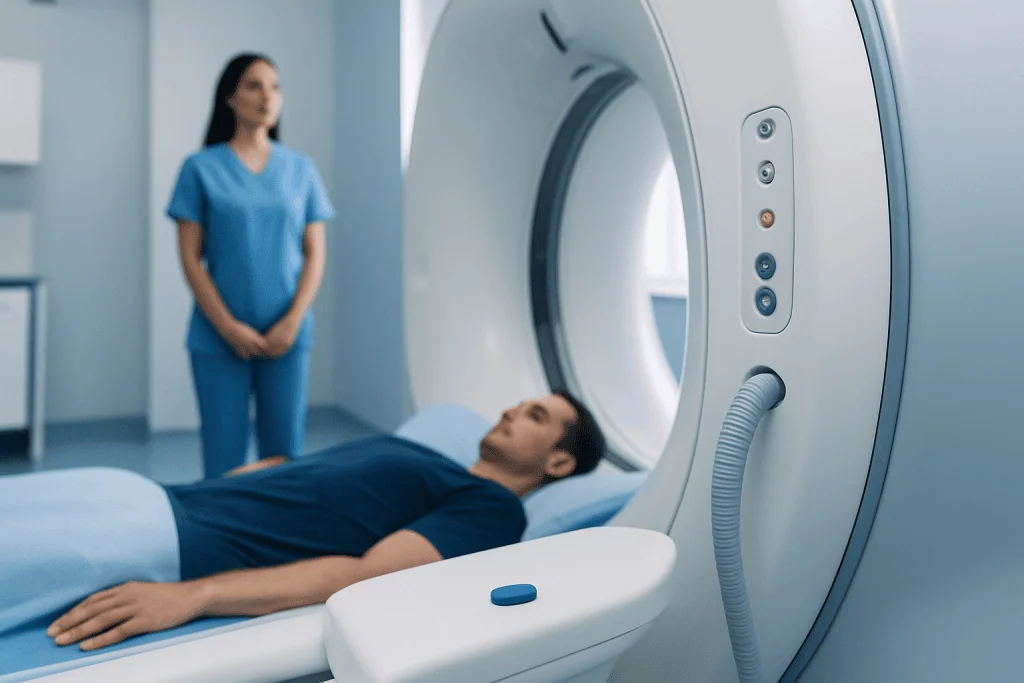
When a hospital tells you to fast, it usually means no solid food for a set period before your appointment. Depending on the test, it may also mean no milk, no juice, no alcohol, no protein drinks, no sweets, no chewing gum, and no smoking. These details matter: even small amounts can change stomach contents or shift a test result.
Clear fluids are the point where most confusion happens. “Clear fluids” generally means plain water and certain transparent drinks, not milky coffee, not tea with milk, not orange juice, not sports drinks. Some appointments allow clear fluids up to a set time; others allow nothing at all. If your instruction sheet says nothing by mouth, that includes water, unless the team specifically tells you otherwise.
Items worth clarifying in advance:
- Whether plain water is allowed, and until what exact time.
- Whether black coffee or plain tea counts as a clear fluid for your specific test, do not assume it does.
- Whether gum, mints, throat sweets, and smoking are allowed. Gum and smoking both stimulate the stomach, so many teams ban them during the fasting window.
- Whether a bowel preparation, contrast drink, or special diet is required before the fast even begins.
Can you brush your teeth?
For most fasting blood tests, yes, brushing your teeth is generally fine, as long as you do not swallow water or toothpaste. Before sedation or anaesthesia, most teams also allow brushing without swallowing, but this is exactly the kind of small habit worth confirming on your instruction sheet. If the answer is not written down, ask. There is a longer walkthrough of these practical details in our guide on how to prepare for medical tests in Turkey.
How many hours should you fast?
There is no single number, but there are common patterns you can use to understand your instructions.
- Fasting blood testssuch as fasting glucose, and some lipid or triglyceride tests, often require 8–12 hours without food, usually with plain water allowed. Many hospitals schedule these first thing in the morning so the fast overlaps with sleep.
- Sedation and anaesthesiamany anaesthesia teams work to a pattern of no solid food for roughly six hours before the procedure and no clear fluids for roughly two hours before. Heavy or fatty meals may need a longer gap.
- Endoscopy and some scansgastroscopy, colonoscopy, abdominal ultrasound, and some contrast imaging carry their own preparation rules, which can include diet changes a day or more in advance.
Treat these as context, not as your plan. Your own window may be longer or shorter depending on your health, your medicines, and the exact procedure. When your instructions differ from the patterns above, your instructions win, every time.
Which tests and procedures usually involve fasting?
Not every test requires an empty stomach, and it is worth knowing roughly where the line falls so your instructions make sense.
Tests that often require fasting include fasting blood glucose, some lipid and triglyceride panels, certain iron and vitamin tests, abdominal ultrasound (a full gallbladder images better when you have not eaten), gastroscopy, colonoscopy, and some CT or MRI scans that use contrast. Anything performed under sedation or anaesthesia, from cardiac procedures to endoscopic treatments, comes with strict fasting rules set by the anaesthesia team.
Tests that often do not require fasting include a full blood count, many hormone tests, and most plain X-rays. Some labs now accept non-fasting samples for tests that once required fasting, which is another reason not to guess: the ordering doctor decides, based on what they need to measure.
If your treatment involves a pre-operative work-up, the fasting rules sit inside a wider picture of blood tests, imaging, and anaesthesia review. Our guide to pre-op tests in Turkey explains what that work-up usually covers, and if you are heading into surgery specifically, the fasting before surgery rules deserve their own read.
Confirming your personal fasting plan before the appointment
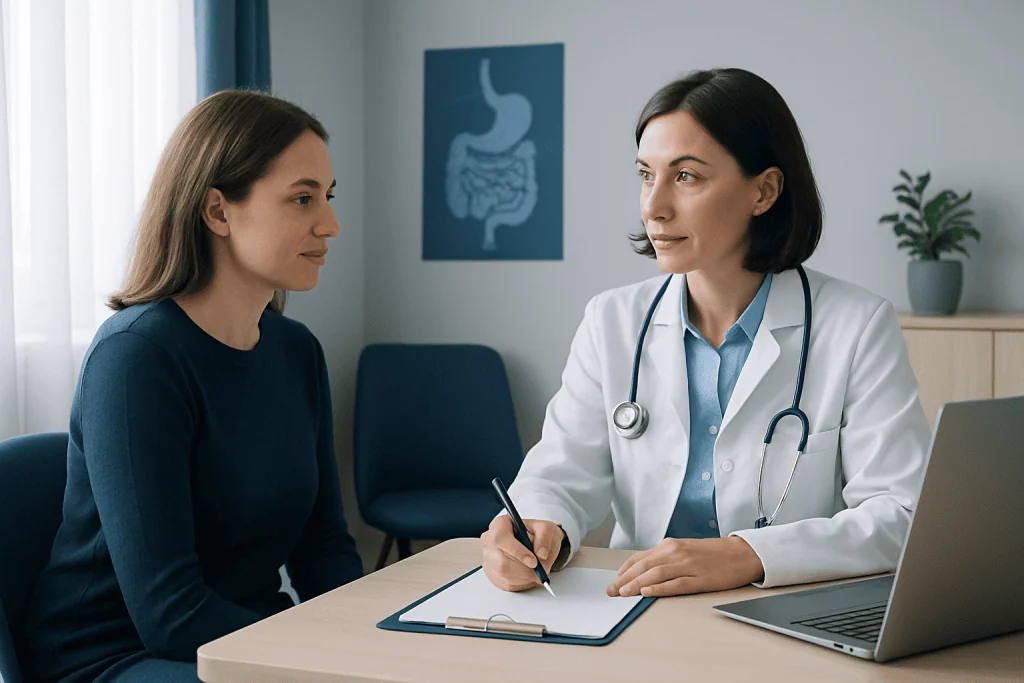
Before your hospital visit, ask for your fasting instructions in writing, in a language you understand. If you are working with international patient services, ask them to confirm or translate the plan. Write down five things: the appointment time, the arrival time, the last allowed food time, the last allowed drink time, and the medicine instructions.
Then translate everything into local Turkey time. This sounds obvious, but jet lag causes real fasting mistakes. Check that your phone has updated to the correct time zone, and set two alarms, one for the final food-and-drink deadline, one for leaving your hotel. If you have a companion, share the plan with them so they can catch an absent-minded coffee before it happens.
If your appointment moves earlier or later, do not recalculate the fasting window yourself. Contact the hospital coordinator, nurse, or physician secretary for updated instructions. Acibadem teams can route your question to the right department, which matters when a procedure involves more than one specialty. And if the hospital adds a test you were not expecting, that is common with international patientstests and scans are sometimes repeated in Turkey so the treating team can rely on current, locally verified results.
Medicines, diabetes, and special health conditions
Medication planning is the part of fasting that patients most often get wrong on their own, so keep the rule simple: never stop, skip, or change a prescribed medicine because you are fasting. Only your treating doctor decides what you take, what you pause, and when you restart. Some medicines are usually continued with a small sip of water; others need adjusting before a procedure. The categories that most often need a specific plan include diabetes medicines and insulin, blood thinners, blood pressure tablets, heart medicines, seizure medicines, steroids, and supplements.
If you use insulin or diabetes tablets, ask for a written plan covering the fasting hours: what to take, when to check your blood sugar, and what to do if your glucose is low or high before you leave for the hospital. Do not improvise this, ask.
Bring a complete medication list with brand names, doses, and timing. If your medicines were prescribed outside Turkey, photograph the packaging and bring the original boxes if you can. Brand names differ between countries, and the boxes help the team identify active ingredients and give safer guidance.
The evening before and the morning of your visit
Keep the day before simple. Eat a meal that follows your instructions, avoid alcohol, and skip unfamiliar or heavy food late at night. If you have been given a low-residue diet, a liquid diet, a bowel preparation, or a hydration plan, follow it exactly, and contact the team if vomiting or severe discomfort interrupts it, rather than pushing on regardless.
Pack your bag before you sleep: passport or ID, appointment documents, previous test results, medication list, insurance or payment documents, glasses or hearing aids, phone charger, and a light layer of clothing. If sedation or anaesthesia is planned, follow any instructions about jewellery, makeup, nail polish, and contact lenses.
On the morning itself, do not eat out of habit, most accidental fasting breaks are a reflex sip of coffee, a mint, a cigarette, or a bite of a companion’s breakfast. If your hotel serves breakfast, decide the night before how to handle it: skip the dining room entirely, or let your companion eat after you have checked in. Our guide on planning meals around tests and procedures in Turkey covers this in more detail, including how to time meals across a multi-day schedule.
Arrival, check-in, and what happens if the plan changes
Arrive at the arrival time you were given, not the procedure time. Registration, consent forms, nursing assessment, anaesthesia review, imaging preparation, and interpreter coordination all take time, and international patients may need extra minutes for passport details or insurance paperwork.
At check-in, tell the nurse when you last ate, what you ate, when you last drank, and which medicines you took. Be precise and be honest, even if you are worried the appointment will be delayed. The team needs accurate information to keep you safe, and they will decide whether the test goes ahead, moves later in the day, or needs a modified plan.
Expect the same fasting and medication questions from more than one staff member. This repetition is deliberate. Structured safety checks before procedures exist to catch mistakes, especially when sedation, contrast, or multiple departments are involved. Answer each time as if it were the first.
What about the cost of a full health check in Turkey?
Many people researching fasting are actually preparing for a check-up package, so a word on cost, without numbers, because honest numbers do not exist in the abstract. The price of a health check in Turkey depends on the scope of the package: how many blood tests it includes, whether imaging such as ultrasound, CT, or MRI is part of it, how many specialist consultations are built in, and whether add-ons like cardiac testing or endoscopy apply to you.
The practical route is to request a written quote from the hospital’s international patient team, itemised so you can see exactly what is included, and to ask what would trigger additional charges, for example, an abnormal result that leads to a further test. Fasting matters here too: many check-up packages start with fasting blood tests and an abdominal ultrasound in the morning, so you arrive without breakfast and eat once the fasting portion is done.
After the test or procedure: eating, drinking, and getting back
Wait for the team to tell you when you can eat and drink again. After a simple blood test, that is often straightaway, water and a light snack. After sedation, endoscopy, or anaesthesia, you may need to wait until the team confirms you are alert and swallowing safely. Start slowly unless told otherwise.
If you received sedation or anaesthesia, you may feel sleepy, lightheaded, or forgetful for several hours afterwards. Do not drive, sign important documents, drink alcohol, or travel alone until the care team says it is safe. Arrange a responsible adult companion or hospital-supported transport in advance, not on the day.
Know the difference between expected grogginess and a genuine emergency. If you develop difficulty breathing, chest pain, heavy or uncontrolled bleeding, severe vomiting, or new confusion after a procedure, call your local emergency number or go to the nearest emergency department now.
Before leaving, confirm four things: your discharge instructions, the warning signs to watch for, your medication restart plan, and your follow-up appointment. International patient staff can help explain instructions, coordinate a transfer to your hotel, and assist with documentation for travel, insurance, or your doctor at home.
Step by step
- Ask for written fasting instructions. Request them before your appointment day and check they cover food, water, medicines, and arrival time. If English is not your preferred language, ask the international patient team or an interpreter to confirm every detail with you.
- Translate the timing into local Turkey time. Check your phone has updated to Turkey time, write down the exact final times for eating and drinking, and set alarms so jet lag or an early start cannot catch you out.
- Review your medicines with the care team. Send or bring your full medication list, including insulin, diabetes tablets, blood thinners, heart and blood pressure medicines, and supplements. Do not stop or change anything without your doctor’s explicit instruction.
- Plan your last meal and your hotel routine. Choose a simple meal that follows your instructions and avoid late-night snacking. Decide in advance how to handle hotel breakfast on the fasting morning.
- Prepare documents and comfort items. Pack your passport, hospital paperwork, previous results, medication list, glasses or hearing aids, charger, and any insurance or payment documents. Follow instructions on jewellery, makeup, nail polish, and contact lenses.
- Arrive early and answer safety questions honestly. Tell the team exactly when you last ate, drank, smoked, chewed gum, or took medicine. If you broke the fast, say so immediately: the team can then choose the safest next step.
- Confirm your aftercare before you leave. Ask when you can eat, drink, restart medicines, and return to normal activity. If you had sedation, confirm your companion or transport is ready and that you understand which warning signs need medical attention.
Your checklist
- Written fasting instructions with exact times for food and fluids
- Appointment time, arrival time, hospital address, and department name
- Medication list with doses, timing, and original packaging if possible
- A specific plan for diabetes medicines, insulin, glucose checks, or blood thinners if relevant
- Passport or ID, previous test results, referral notes, and imaging discs or reports
- Interpreter or international patient coordinator contact details
- Comfortable clothing, phone charger, glasses, hearing aids, and essential mobility aids
- Companion or transport plan if sedation, anaesthesia, or limited mobility is expected
- Hotel plan for skipping breakfast, storing medicines, and leaving on time
- Your questions for the nurse, doctor, or coordinator, written down
Key takeaways
- Fasting rules depend on the specific test or procedure; your written hospital instructions override any general pattern, including the ones in this guide.
- Fasting blood tests often mean 8–12 hours without food; sedation and anaesthesia have stricter, separately set windows.
- Confirm food, water, medicines, diabetes care, and arrival time in writing before the fasting window begins.
- Use Turkey local time for every cutoff and set alarms, especially when jet-lagged.
- Never stop or change a prescribed medicine on your own: that decision belongs to your treating doctor.
- If you break the fast, tell the team immediately; the appointment may still go ahead, adjusted safely.
Frequently asked questions
How many hours should I fast before a medical test?
It depends on the test. Fasting blood tests often require 8–12 hours without food, usually with plain water allowed. Before sedation or anaesthesia, many teams stop solid food around six hours before and clear fluids around two hours before. Your own written instructions may differ, and they always take priority.
Which lab orders require fasting?
Fasting blood glucose is the most common, and some lipid, triglyceride, iron, and vitamin tests may also need it. Many tests, such as a full blood count and most hormone tests, do not require fasting. The ordering doctor decides, so check your instructions rather than assuming either way.
Can I brush my teeth before a fasting blood test?
Generally yes, as long as you do not swallow water or toothpaste. Before sedation or anaesthesia, most teams also allow brushing without swallowing, but confirm it with your care team if it is not covered on your instruction sheet.
Can I drink water while fasting?
Sometimes plain water is allowed until a specific time, but not always. If your instructions say nothing by mouth, do not drink water unless the medical team has specifically allowed it. When in doubt, call your coordinator or the hospital department before the cutoff, not after.
Can I take my regular medicines on the morning of the procedure?
Some medicines are taken as usual with a small sip of water; others may need adjusting or pausing, especially diabetes medicines, insulin, blood thinners, and heart medicines. Ask your doctor for a personalised plan and do not make any changes on your own.
What happens if I accidentally eat, drink coffee, or chew gum?
Tell the hospital team straight away. Depending on the procedure and the timing, they may continue, delay, adjust the plan, or reschedule. Honesty is far safer than risking a complication or an inaccurate result.
Do I need a companion if I am fasting for a procedure?
A companion is strongly recommended whenever sedation, anaesthesia, dizziness, mobility issues, or a long hospital day is expected. After sedation you may not be permitted to leave alone or drive. International patient services can explain the transport and companion requirements before your appointment.
Can Acibadem help me understand my fasting instructions?
Yes. International patient teams can coordinate with the relevant department, arrange interpreter support, and clarify practical details such as arrival time and documents. They cannot replace your doctor’s medical decision, but they can make sure the right instruction reaches you from the right team.
Add us as a Preferred Source to see more of our trusted health content across Google Search, AI Overviews and Discover.

Update history
- PublishedJune 8, 2026
- Medical review approvedSeptember 13, 2026
- Last content updateSeptember 12, 2026
References2
- Fasting for a Blood Test: MedlinePlus medlineplus.gov
- Blood tests: NHS nhs.uk
More Patient Guides
When a Hospital Stay in Turkey Becomes Longer Than Planned: What to Arrange
If your hospital stay in Turkey is longer than planned, arrange medical updates, accommodation, travel changes, insurance and support for your companion.
Waiting for Test Results in Turkey: How to Use Time Between Appointments
Waiting for test results in Turkey is easier with a clear plan for appointments, rest, records, questions and support in Istanbul.
Unexpected ICU Stay in Turkey: What Patients and Families Should Expect
Unexpected ICU stay in Turkey: learn what patients and families can expect, from communication and visiting to care updates and travel support.

How to Manage Special Diets During Medical Travel in Turkey
Special diets during medical travel in Turkey are easier to manage when you share your needs early, confirm meals and carry safe…