

How to Prepare a Caregiver for Your Recovery at Home

Caregiver preparation for recovery at home helps you plan safe support, medicines, appointments and warning signs after treatment in Turkey.
Preparing your caregiver before you leave the hospital can make your recovery at home calmer, safer and easier to manage. This guide helps you agree on practical roles, organize your home and know when to contact your care team.
At a glance
- Best time to prepare: Before discharge, while your care team is available to answer questions
- Caregiver role: Support daily routines, follow the care plan and notice changes
- Most important documents: Discharge summary, medication list, prescriptions and contact numbers
- Plan for: Transport, meals, mobility, personal care and follow-up appointments
- Ask for help urgently if: You have concerning symptoms or changes described in your discharge instructions
Start the conversation before you leave hospital
Your caregiver does not need to be a medical expert. Their main role is to help you follow your discharge plan, stay comfortable and communicate with your healthcare team if something does not feel right. Before you travel home, discuss what support you expect and what your caregiver can realistically provide.
Try to include your caregiver in discharge teaching whenever possible. Ask the nurse or doctor to explain medicines, wound-care instructions, movement restrictions, dietary advice, equipment and scheduled follow-up. If you are travelling internationally, make sure your caregiver understands which questions should be raised before travel and which can wait until you are home.
At Acibadem International, international patient services can help you coordinate practical questions around discharge, documentation and follow-up arrangements. If language is a concern, ask about interpreter support so both you and your caregiver can clearly understand the instructions you receive.
Agree on responsibilities without expecting one person to do everything
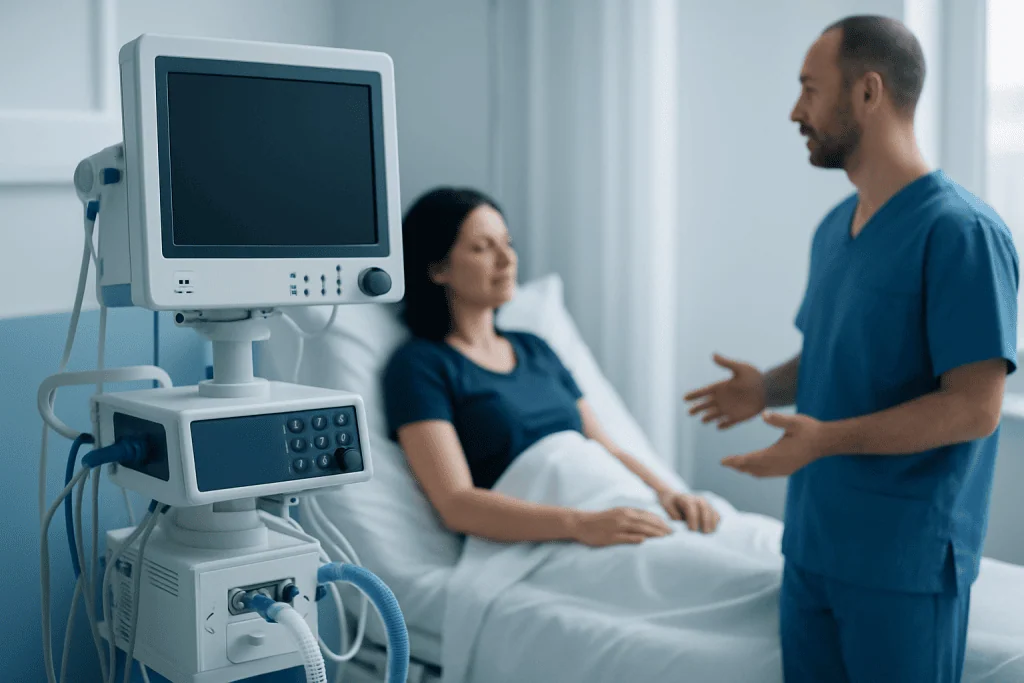
A clear plan can prevent stress for both of you. Talk through the first few days and weeks of recovery, when you may be tired, uncomfortable or less mobile. Decide who will handle essential tasks, who can step in if your main caregiver needs a break and which tasks you can continue doing independently.
Caregiver responsibilities may include preparing meals and drinks, helping you move safely, collecting prescriptions, keeping track of appointments, recording symptoms and arranging transport. Depending on your treatment, you may also need help with bathing, dressing, stairs, household tasks or childcare. Your care team can clarify which activities are safe and which should be avoided.
- Set a daily check-in time to review how you feel and what you need.
- Keep medical tasks separate from ordinary household tasks where possible.
- Share contact details with a trusted family member or friend for backup.
- Build in rest time for your caregiver as well as for you.
Prepare a recovery-friendly space at home

Set up the area where you will spend most of your time before you return home. Choose a clean, quiet and easily accessible room, ideally close to a bathroom. Keep a phone, charger, water, tissues, prescribed medicines, your discharge papers and any recommended equipment within easy reach.
Reduce common trip hazards. Clear walkways, secure loose rugs, improve lighting and keep frequently used items at waist height so you do not need to bend, stretch or climb. If your clinician has advised mobility aids or equipment, make sure these are available and that your caregiver knows how to use them safely.
Your caregiver should not lift, transfer or physically support you in a way that could hurt either of you. Ask the hospital team for practical guidance on getting in and out of bed, using stairs, showering or moving with a mobility aid. Follow the instructions specific to your treatment rather than relying on general advice from friends or online sources.
Make medicines and care instructions easy to follow
Medication errors are more likely when you are tired, in pain or adjusting to a new routine. Ask your caregiver to keep an up-to-date medication list that includes the medicine name, dose, timing, purpose and any instructions such as taking it with food. Include allergies and any regular medicines, supplements or herbal products you use.
Use one simple system: a written schedule, calendar, medication organizer or phone reminders. Your caregiver can remind you and record doses, but you should both follow the instructions on your discharge documents and prescriptions. Do not stop, restart, share or add medicines without checking with the clinician responsible for your care.
Review wound care, injections, compression garments or other home-care tasks before discharge if they apply to you. Your caregiver should know what is normal for your recovery, what should be documented and when to contact the hospital or a local healthcare professional for advice.
Plan follow-up, travel and communication across borders
Before leaving Turkey, confirm how your follow-up will take place. Some patients need an in-person review before travel, while others may have remote follow-up or continue care with a doctor at home. Keep copies of your discharge summary, test results, imaging reports, prescriptions and any treatment notes in both paper and secure digital form.
If you are travelling with a caregiver, agree on how you will manage the journey. Plan extra time at the airport, keep medicines and essential documents in hand luggage and consider mobility or accessibility support in advance if you need it. Your treating team should advise you about travel timing and any individual restrictions after your treatment.
Acibadem International can help direct you to the appropriate international patient contact for post-discharge questions. For urgent symptoms, however, do not delay seeking local emergency care simply because you are waiting for a remote response.
Know what changes need medical advice
Your discharge instructions are the most important source for recovery warning signs because they reflect your individual treatment. Read them together with your caregiver before you leave, and write down the relevant phone numbers, including out-of-hours contacts where provided.
Contact your care team or a local clinician promptly if you have symptoms that concern you, worsening pain not controlled as instructed, new or increasing redness or drainage around a wound, persistent vomiting, difficulty taking prescribed medicines, or a change in your ability to eat, drink, move or care for yourself. The right action depends on your condition and the advice you were given.
Seek emergency help immediately for severe or rapidly worsening symptoms, such as trouble breathing, chest pain, fainting, confusion, uncontrolled bleeding, signs of a severe allergic reaction or any emergency described in your discharge plan. Your caregiver should know the local emergency number and should take your medical documents with you if emergency assessment is needed.
Step by step
- Invite your caregiver into discharge planning. Ask your caregiver to attend discharge discussions in person or remotely if possible. Encourage them to ask questions and repeat key instructions back to the care team so that any misunderstandings can be corrected.
- Create one shared recovery plan. Write down your expected routine for medications, meals, rest, movement, hygiene and appointments. Keep it simple enough that both of you can use it when you are tired or busy.
- Set up your home before arrival. Prepare a clear path from the entrance to your recovery space and bathroom. Place essential supplies nearby and arrange recommended equipment before you need it.
- Organize medicines and documents. Keep prescriptions, medication schedules, discharge instructions and contact details together in one folder. Carry copies when travelling and share a secure digital copy with your caregiver if appropriate.
- Plan practical support for the first days. Arrange transport, groceries, meals and help with household responsibilities in advance. Identify a backup person who can assist if your caregiver is unavailable or overwhelmed.
- Review warning signs and contact routes. Read your treatment-specific warning signs together before discharge. Decide who to call for routine questions, where to seek urgent local care and when to call emergency services.
- Check in and adjust the plan daily. Recovery needs can change from day to day. Spend a few minutes each day reviewing symptoms, sleep, eating, medication needs and what level of help feels appropriate.
Your checklist
- Bring your caregiver to discharge teaching or arrange a call if they cannot attend.
- Keep your discharge summary, prescriptions and key phone numbers in one accessible folder.
- Make a written medication schedule, including regular medicines and allergies.
- Prepare a clean recovery area with clear walkways, good lighting and easy access to a bathroom.
- Arrange transport home and any required airport or mobility assistance before travel.
- Stock simple meals, water and other approved essentials for the first few days.
- Confirm follow-up appointments and how to contact your care team from home.
- Identify a backup caregiver, friend or family member for practical support.
- Review your individual warning signs and the local emergency number together.
Key takeaways
- Prepare your caregiver before discharge, not after you arrive home.
- A simple written plan makes medicines, appointments and daily support easier to manage.
- Adapt your home to reduce falls, strain and unnecessary movement during recovery.
- Your treatment-specific discharge instructions should guide decisions about symptoms and activity.
- For urgent or severe symptoms, seek local emergency care without delay.
Frequently asked questions
Does my caregiver need medical training?
No. Most caregivers provide practical and emotional support rather than medical care. Your care team should explain any treatment-specific tasks, and you should ask for clarification if either of you feels unsure about how to complete them safely.
What should my caregiver ask before I am discharged?
Ask about medication timing, wound or device care if relevant, activity restrictions, diet, bathing, follow-up and travel. Your caregiver should also ask which symptoms are expected, which need a prompt call and which require emergency help.
How long will I need a caregiver at home?
The amount of help needed depends on your treatment, mobility, home environment and overall health. Your treating team can give individualized guidance, but it is sensible to arrange more support at first and adjust as you become more independent.
Can my caregiver manage my medicines for me?
A caregiver can help organize reminders, collect prescriptions and record doses. However, medicines should always be taken exactly as prescribed, and neither of you should make changes without speaking to the relevant healthcare professional.
What documents should travel home with us?
Take your discharge summary, medication list, prescriptions, relevant test or imaging reports, follow-up instructions and hospital contact details. Keep essential documents and medicines in hand luggage rather than checked baggage when travelling.
What if my caregiver cannot travel with me from Turkey?
Discuss this before discharge with your care team and international patient coordinator. You may be able to arrange support from family or friends at home, adjust travel plans, or receive guidance on services to consider locally, depending on your needs.
When should my caregiver call emergency services?
Call emergency services for severe or rapidly worsening symptoms, including breathing difficulty, chest pain, fainting, confusion, uncontrolled bleeding or a severe allergic reaction. Follow the emergency guidance in your discharge plan and seek local urgent help immediately rather than waiting for a remote reply.
Add us as a Preferred Source to see more of our trusted health content across Google Search, AI Overviews and Discover.
More Patient Guides
Returning Home with New Medical Restrictions: A Travel Planning Guide
Returning home with medical restrictions: plan safe travel from Turkey with medical clearance, documents, medication and follow-up support.
8 min read
Remote Results Review After Returning Home: When to Book Your Next Check-In
Remote results review after treatment in Turkey helps you plan follow-up safely, understand results and know when to contact your care team.
8 min read
Compression Stockings for Travel After Treatment in Turkey
Compression stockings for travel after treatment in Turkey can support circulation, but use them only as advised by your care team.
8 min read