

How to Prepare Your Home for Recovery Before Leaving Turkey
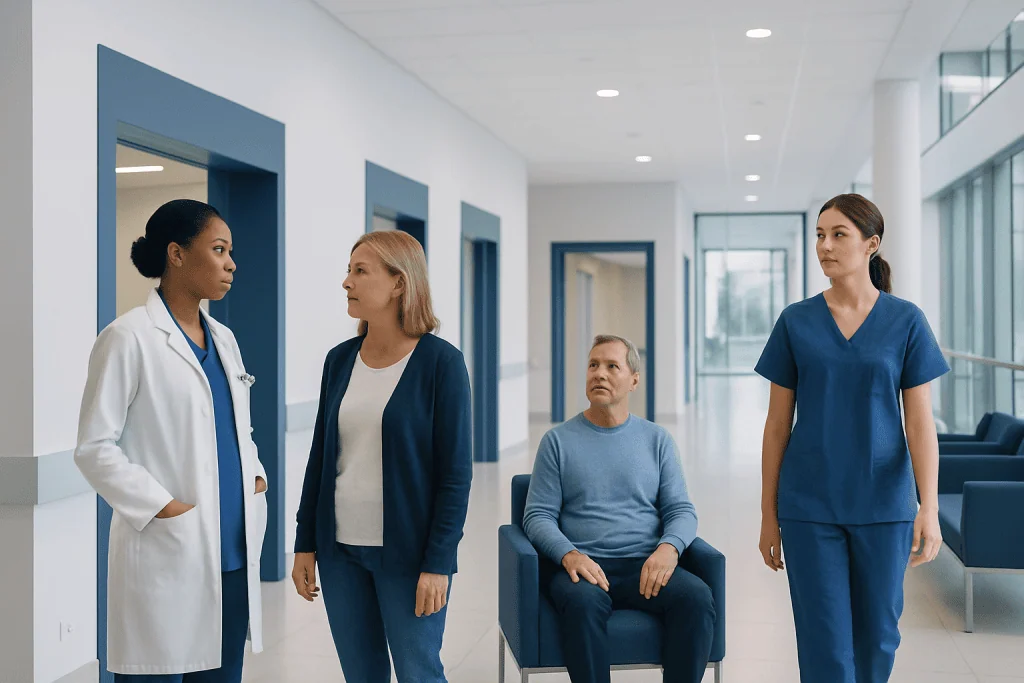
Prepare your home for recovery before leaving Turkey with practical planning for mobility, medicines, support and follow-up after treatment.
Preparing your home before you leave Turkey can make the first days after treatment calmer, safer and less demanding. Use this guide to arrange practical support, essential supplies and a clear follow-up plan that suits your individual recovery instructions.
At a glance
- Best time to plan: Before you travel to Turkey, then confirm arrangements before your return flight
- Priority: A safe sleeping area, easy access to essentials and reliable support
- Bring home: Your discharge summary, prescriptions, test results and contact details
- Ask your team: Your activity limits, wound-care plan, medication schedule and travel advice
- Extra help: Arrange it in advance if you may have reduced mobility or need personal care
Start planning before your return date is confirmed
Your home recovery plan should begin before you leave for treatment, not on the day you fly home. Think through your first one to two weeks after arrival: where you will sleep, who can help you, how you will obtain food and medicines, and how you will attend any local appointments. Your needs will depend on the treatment you have had and the recovery guidance given by your clinical team.
Ask your treating team for clear written instructions that you can share with a family member, friend or local healthcare professional if needed. It is helpful to confirm expected activity restrictions, lifting limits, bathing or wound-care instructions, diet guidance, warning signs and the date or method of follow-up.
At Acibadem International, your international patient services team can help you understand the practical information you need before departure, including how to keep your medical documents organised and how follow-up may be coordinated. They can also help ensure you know who to contact if questions arise after you return home.
Create one comfortable, low-effort recovery space
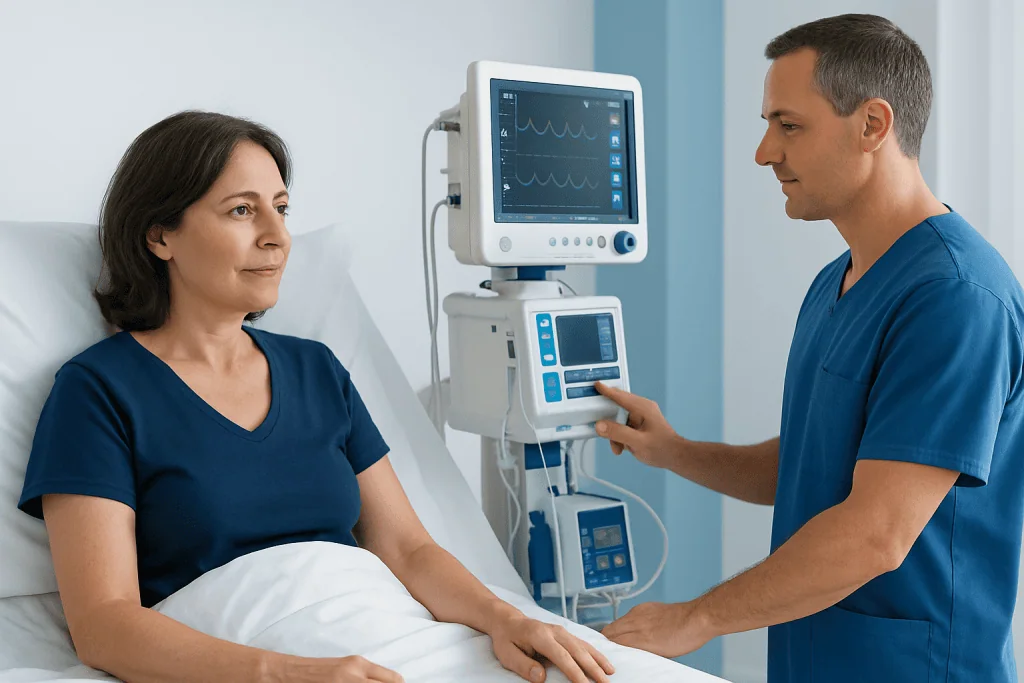
Set up your main recovery area on the floor you can access most easily. If stairs may be difficult, consider arranging a temporary sleeping space on the ground floor, with a nearby bathroom if possible. Avoid assuming you will manage your usual routine immediately after travel, even if you feel well when you arrive home.
Place everyday essentials within easy reach: a phone and charger, water, tissues, medications, written instructions, glasses, a thermometer if advised, and a small light for overnight use. A stable chair with arms can be easier to get in and out of than a deep, soft sofa. Use firm pillows only for positioning or support in the way your care team recommends.
Keep walkways clear of loose rugs, cables, low tables, pet toys and clutter. Make sure there is good lighting between the bed, bathroom and kitchen. If you use mobility equipment, check that doorways, bathroom access and turning space are suitable before you travel.
- Choose clothing that is loose, comfortable and easy to put on.
- Keep frequently used items between waist and shoulder height.
- Use non-slip footwear indoors rather than walking in socks.
- Ask someone to check smoke alarms and outdoor access in case you need assistance.
Arrange help for the first days at home

Recovery is easier when you do not need to make urgent decisions while tired, sore or adjusting after a long journey. Arrange a trusted adult to meet you on arrival, stay with you if recommended, or check in regularly. Be specific about what you may need: transport, meal preparation, collecting prescriptions, pet care, childcare, laundry or help reaching items safely.
If your procedure or health needs mean you may require personal care, nursing support or rehabilitation at home, explore local services before travelling. Availability can vary, and setting this up early gives you time to confirm what is covered by your insurance or paid for privately. Your local doctor or healthcare provider may also advise on services available in your area.
Tell your support person where your discharge papers, medication list and emergency contacts will be kept. They should understand that they are not expected to provide clinical care unless appropriately trained; their role is to help you follow the plan and seek professional advice if concerning symptoms develop.
Plan medicines, meals and daily essentials carefully
Before leaving Turkey, review every medication with your clinical team or pharmacist. Ask what each medicine is for, when to take it, whether it should be taken with food, how long you should continue it, and whether it has important interactions with your usual medicines or supplements. Keep medications in their original labelled packaging and carry them in your hand luggage, together with a copy of your prescription and medical letter.
Make sure you have enough prescribed medication for the journey and the period until you can safely arrange a supply at home. Do not stop, double or substitute medicines without medical advice. If you are travelling across time zones, ask exactly how to adjust the timing of medicines, especially those that must be taken at regular intervals.
Prepare simple food options that match any dietary guidance you have been given. Stock water, easy-to-prepare meals and nourishing snacks, but avoid making major dietary changes unless your team has advised them. If you have dietary restrictions, ask a family member or friend to help shop before you return.
Make follow-up and communication easy
Keep one complete set of records with you and another secure copy at home or in encrypted digital storage. Your folder should include your discharge summary, procedure or treatment information, medication list, laboratory or imaging results where provided, fit-to-fly or travel documents if applicable, and contact details for your care team.
Before departure, confirm how your follow-up will take place. Some patients may have a remote review, while others will need to see a local clinician or return for an in-person appointment. Acibadem International can support communication around planned follow-up, but your local healthcare provider remains important for urgent assessment close to home.
Save key numbers in your phone before travelling: your treating hospital or international patient contact, your local doctor, your insurer or assistance provider, and local emergency services. If English is not your preferred language, ask for translated instructions where available or arrange for someone you trust to review the plan with you.
Know when to ask for urgent help
Before you leave Turkey, ask your medical team which symptoms are expected during your specific recovery and which require urgent assessment. General warning signs can include new or worsening shortness of breath, chest pain, fainting, uncontrolled bleeding, severe or rapidly worsening pain, persistent vomiting, confusion, a high fever, or signs of an allergic reaction such as swelling of the face or difficulty breathing.
Changes around a wound may also need prompt medical advice, particularly spreading redness, increasing warmth, unusual discharge, worsening swelling or a wound that opens. These signs do not always mean there is a serious problem, but it is safer to seek professional guidance rather than waiting or trying to manage the issue alone.
If you believe you are experiencing an emergency, contact local emergency services immediately. For non-emergency questions related to your recent treatment, use the contact route provided in your discharge information and follow the advice of your treating or local clinical team.
Step by step
- Discuss your likely home needs before treatment. Talk with your clinical team about the practical effects of recovery, including walking, stairs, lifting, bathing, driving and work. This helps you arrange appropriate support before your journey begins.
- Choose and prepare your recovery area. Set up a sleeping and resting space that limits unnecessary movement and gives you easy access to a bathroom where possible. Clear hazards and place important items within reach before you leave Turkey.
- Organise support at home. Arrange someone to collect you, help with essentials and check in according to your needs. If more formal home care may be required, contact local providers early because services can take time to arrange.
- Review medicines and supplies. Ask for a written medication schedule and confirm how to manage doses across time zones. Pack medicines, prescriptions and medical letters in hand luggage, and make sure basic food and household supplies are ready at home.
- Prepare your medical records. Keep your discharge summary, results and follow-up instructions together in a clearly labelled folder. Save secure digital copies and give a trusted person access to the practical information they may need.
- Confirm follow-up before departure. Know whether your follow-up is remote, local or requires a future visit. Confirm contact details for Acibadem International, your local clinician and emergency services before you travel.
- Review warning signs with your support person. Explain what symptoms should prompt a call for advice and what requires emergency help. Having this conversation in advance can reduce uncertainty if you feel unwell after returning home.
Your checklist
- A safe, uncluttered resting and sleeping area is ready.
- Essential items are within easy reach, including your phone and charger.
- A trusted person can meet you or check in after you arrive home.
- Meals, water and basic household supplies are available.
- Your medications are labelled, packed in hand luggage and matched to a written schedule.
- Your discharge summary, prescriptions and results are stored together.
- You know your movement, bathing, wound-care and lifting restrictions.
- Follow-up arrangements and contact details are confirmed.
- Transport is arranged for your arrival and any early appointments.
- You and your support person know when to seek urgent medical help.
Key takeaways
- Prepare your home and support network before you travel, not after you arrive.
- Reduce effort and fall risks by creating one accessible, well-stocked recovery space.
- Carry medicines and medical documents in your hand luggage and keep copies at home.
- Confirm your follow-up route and save important contact details before departure.
- Seek prompt professional advice for worrying symptoms rather than waiting for them to improve.
Frequently asked questions
When should I prepare my home for recovery after treatment in Turkey?
Ideally, prepare your home before you travel to Turkey, then review the plan again once your treatment and discharge timing are confirmed. This gives you time to arrange help, supplies and any equipment you may need. Your team can advise which preparations are most relevant to your expected recovery.
Should someone stay with me when I return home?
That depends on your treatment, your general health and the advice in your discharge plan. Some people benefit from having a trusted adult stay with them for the first night or first few days, while others may only need regular check-ins. Ask your clinical team what level of support is appropriate for you.
What documents should I take home from Turkey?
Keep your discharge summary, medication list, prescriptions, treatment information, results provided to you and follow-up instructions together. You should also have contact details for your treating team and a local clinician. Carry these documents in your hand luggage and retain a secure copy at home.
How much medication should I bring home?
Bring the amount prescribed or recommended by your care team for the journey and the period before you can arrange ongoing supply at home. Ask how to take each medicine across time zones and whether any of your usual medicines or supplements need adjustment. Do not make changes without medical advice.
Can Acibadem International help with aftercare planning?
Acibadem International patient services can help you understand discharge information, organise relevant documentation and clarify planned follow-up communication. They can also support practical coordination for international patients, including interpreter support where needed. For urgent symptoms once home, seek local emergency or medical care without delay.
What should I do if I feel unwell after returning home?
Follow the instructions in your discharge information and contact the appropriate clinical team for non-emergency concerns. For serious symptoms such as chest pain, breathing difficulty, fainting, uncontrolled bleeding or severe allergic symptoms, contact local emergency services immediately. If you are unsure, it is safer to seek professional advice promptly.
Add us as a Preferred Source to see more of our trusted health content across Google Search, AI Overviews and Discover.
More Patient Guides

Aftercare Abroad: How to Prepare for Recovery Once You Return Home
Aftercare abroad planning helps you return home safely with clear follow-up, medication, travel and support arrangements after treatment in Turkey.
8 min read
When Recovery Does Not Go as Planned in Turkey: Signs You Should Contact Your Care Team
Recovery problems in Turkey can include new pain, fever, bleeding, or breathing changes. Contact your care team promptly for safe aftercare advice.
9 min read
When Is It Safe to Resume Exercise After Treatment in Turkey?
Resume exercise after treatment in Turkey only when your surgeon or care team clears you. Start gently, watch for warning signs, and…
8 min read