

Mammography in Turkey: Screening Visit Guide for International Patients
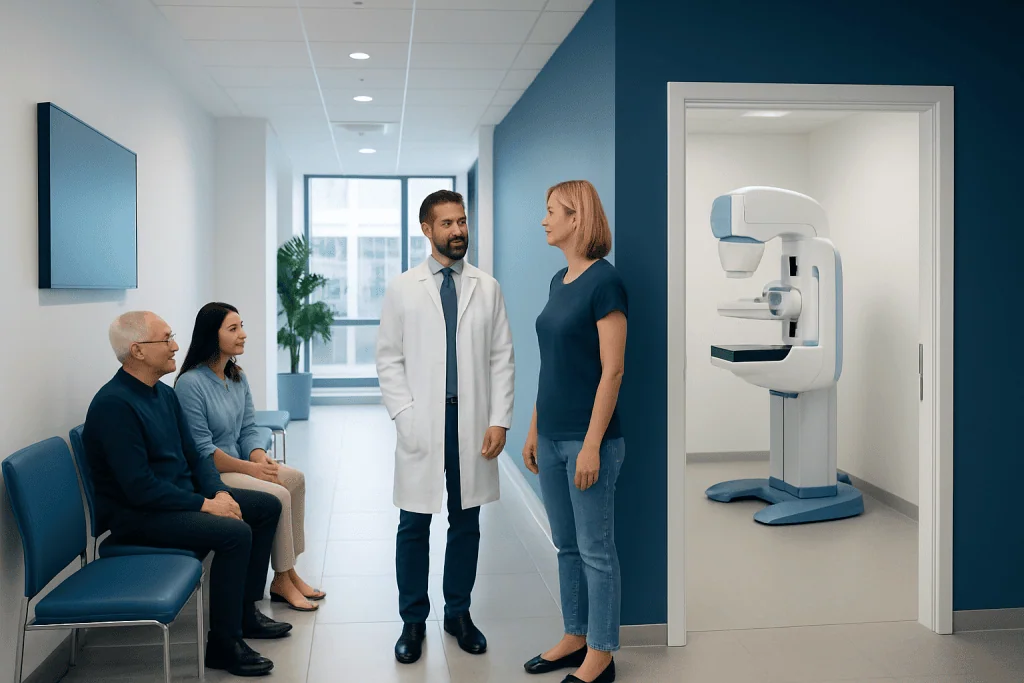
A mammography visit in Turkey is usually a short outpatient appointment. You register, a technologist takes the images, and a radiologist writes the report, often available before you fly home if you plan the timing. Bring prior breast images for comparison, avoid deodorant on the day, and confirm in advance how you will receive your report in English.
You want two things from a breast screening appointment abroad: a properly reported mammogram, and the report in your hands before your flight home. Both are realistic if you plan the visit sensibly. This guide explains how mammography in Turkey works for international patients, what to send ahead, what happens in the imaging room, how reporting is handled, and where the timing pressure actually sits.
At a glance
- Best for: Routine breast screening, doctor-requested breast imaging, or screening combined with a wider check-up during a trip to Turkey
- Typical visit length: A short outpatient appointment; allow extra time in your itinerary in case additional views or ultrasound are recommended
- What to bring: Passport, referral note if you have one, prior mammogram images (not just reports), and any breast ultrasound, MRI, biopsy or surgery records
- Support available: International patient coordination, interpreter support, appointment sequencing and help arranging English reports and image copies
- Results: Written by radiology specialists; if further imaging or a specialist review is recommended, staff explain the options for completing it during your stay or at home
Planning your mammography visit in Turkey
The single most useful thing you can do before booking mammography in Turkey is to state the purpose of the exam clearly. There are three common situations: you are due for routine screening and want to combine it with travel; your doctor at home has asked for updated breast imaging; or you are having a broader check-up in Istanbul and want breast screening included. Each of these leads to a slightly different appointment, so telling the coordination team which one applies helps them schedule the right pathway and enough time.
International patients at Acibadem are usually supported before arrival by a coordination team that matches appointments to travel dates, language needs and any related consultations. If mammography is one part of a larger check-up, it helps to read how a one-day evaluation in a single hospital visit is typically sequenced, because breast imaging fits naturally into that kind of schedule. If this is your first time at the hospital, the general guide to what international patients should expect on a first visit covers registration and orientation in more detail.
One planning rule matters more than the rest: book mammography early in your stay, not on your last day. Most screening visits are straightforward, but a radiologist may sometimes recommend additional views, a breast ultrasound or a specialist consultation. That recommendation is routine radiology practice, not an alarm, but it does need time. A mammogram scheduled two or three days before departure leaves room to complete recommended steps calmly. One scheduled the morning of your flight does not.
Screening or diagnostic mammography: which one you actually need
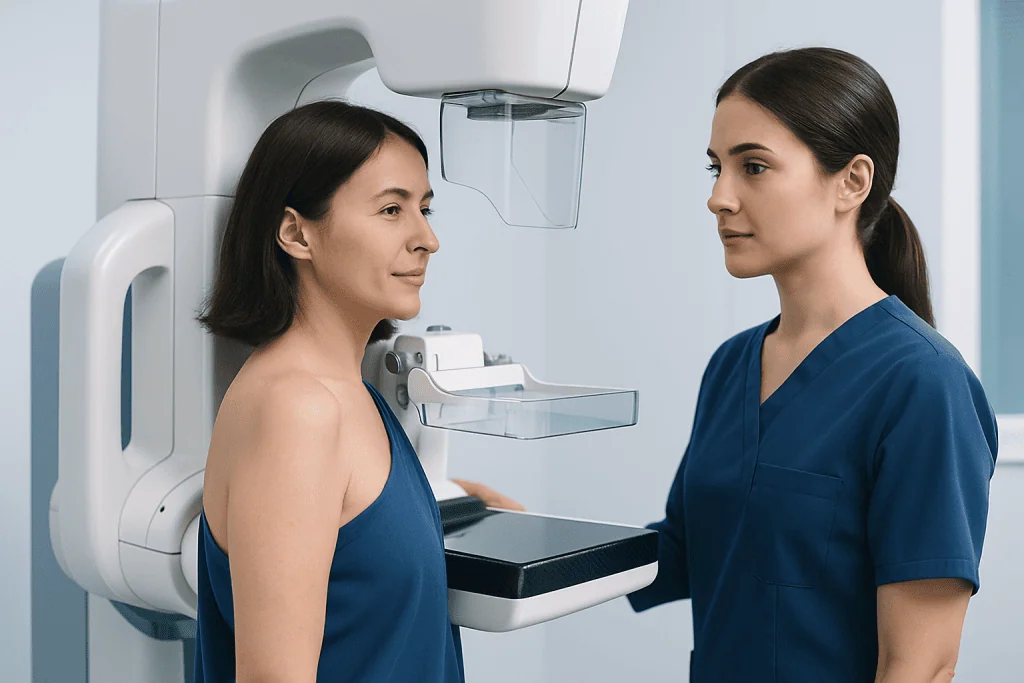
Patients often use the word mammography for any breast X-ray, but the reason for the exam changes how it is planned. A screening mammogram is performed when you have no new breast symptom and are attending a routine check. A diagnostic mammogram is arranged when there is something specific to assess: a lump, a nipple change, pain, a previous abnormal screening result or a finding that needs closer views. Diagnostic exams often involve more images and closer radiologist involvement on the day.
You are not expected to choose the technical pathway yourself, and you should not try to. What helps is giving the hospital an honest picture when booking: whether you have symptoms, previous findings, a family history of breast cancer, breast surgery, implants or past cancer treatment. With that information, the radiology team can decide whether mammography alone is appropriate or whether ultrasound, comparison review or a breast specialist appointment should be added to the same visit.
If you are carrying a referral from your doctor at home, bring it exactly as written, even if it is not in English or Turkish. Registration staff and interpreters can work from the original document, and this keeps the report focused on the question your referring doctor actually asked. A vague request produces a vague answer; a specific one produces a report your home doctor can act on.
Before you travel: records, images and preparation
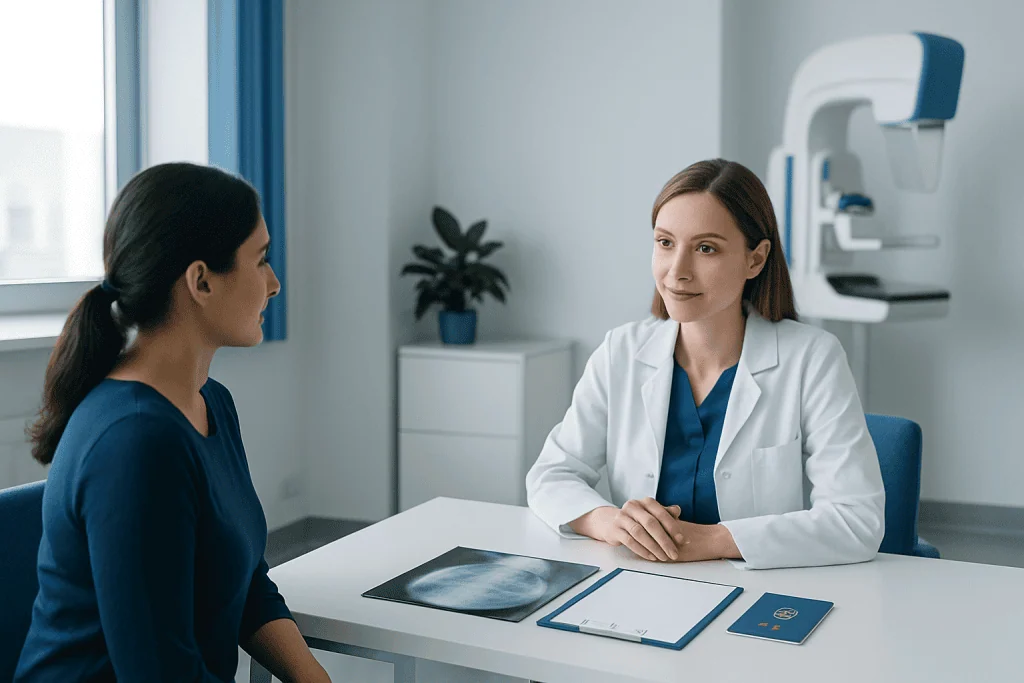
The most valuable thing in your luggage is your imaging history. Mammography is a comparative examination: radiologists read your current images against your previous ones, because knowing what has stayed stable over years is often as informative as the new pictures themselves. Bring prior mammogram imageson CD, USB or a secure digital link, not only the written reports. If images are genuinely unavailable, bring the reports and the exam dates. Prior breast ultrasound, MRI, biopsy results, surgery notes and oncology follow-up summaries are all worth packing if they exist.
Practical preparation for the day itself is simple. Do not apply deodorant, antiperspirant, powder, lotion or perfume to the chest and underarm area before the exam, because some products contain particles that can appear on the images. Wear a two-piece outfit so you only need to undress from the waist up. If your breasts are predictably tender at certain times of your cycle, schedule the appointment outside that window where possible.
Tell the coordination team before you travel if you are pregnant or might be, are breastfeeding, have breast implants, use a wheelchair, need step-free access or need help with positioning. None of these automatically prevents imaging, but each one changes how the team prepares, implants, for example, require modified positioning techniques. If you feel anxious about the exam, say so; a slower explanation and interpreter support genuinely change how the appointment feels. For the paperwork side of arrival, the guide to documents international patients should bring for hospital admission lists what registration desks typically ask for.
What happens on the day of your appointment
On arrival you complete registration, confirm your identity with your passport and share relevant medical information. International patient staff or an interpreter can assist with check-in, consent forms and directions inside the hospital. The imaging itself takes place in a private room with a radiology technologist, who is usually female for breast imaging; if this matters to you, ask when booking rather than assuming.
The technologist positions each breast on the machine and applies compression while the image is taken. Compression is not optional, it spreads the tissue so the image is clearer and the radiation dose lower, but it should be brief, lasting seconds per image. Many patients describe it as uncomfortable rather than painful; some find it briefly painful. Tell the technologist if you have shoulder problems, difficulty standing, implants or significant discomfort, because positioning can often be adjusted and pauses are always possible.
After the images are taken, you may be asked to wait while image quality is checked. This is a technical check, not a verdict: the team is confirming that the pictures are sharp and complete enough for reporting. If the radiologist recommends extra views or an ultrasound, staff will explain why and help arrange it around your schedule. Recommendations like these are one of the most common ways a short imaging visit changes shape, which is why the guide to handling unexpected test changes in Turkey is worth reading before any imaging trip.
Reports, translations and getting results home
Your images are reviewed by radiology specialists, and the written report summarises the findings together with any recommendation. Some reports simply support continuing routine screening on your usual schedule. Others recommend comparison with older images, targeted ultrasound, additional mammographic views, MRI, a biopsy consultation or review by a breast specialist. A recommendation for further assessment is a normal part of screening pathways worldwide and does not by itself mean a serious problem has been found.
For an international patient, the practical questions are about delivery, not just content. Ask three things before your appointment, not after it: whether the report can be provided in English, whether digital copies of the images can be arranged, and exactly how both will reach you, email, patient portal or physical media. Confirm the contact details the hospital holds for you are correct. Small administrative gaps are the most common reason results arrive late.
If you fly home shortly after the exam, do not leave the hospital without knowing who will contact you, when the report is expected and what the process is if further evaluation is advised. Keep a copy for your own doctor and store digital images securely. Screening only realises its value over years of comparison, so treat every mammogram, including this one, as a permanent part of your health file rather than a one-off document.
What a mammography visit costs, and why no honest page quotes one figure
Search results are full of pages promising a fixed price for mammography or breast surgery in Turkey. Treat those numbers with caution, because the honest answer is structural: the cost of an imaging visit depends on what the visit turns out to include. A standalone screening mammogram is priced differently from a diagnostic exam with additional views, from mammography plus ultrasound, or from breast imaging bundled into a wider check-up programme. Consultations, comparison reviews of external images and any recommended follow-up each carry their own component.
The workable approach is to request a written quote before travelling that states exactly what is included, and to ask separately what the most likely add-ons would cost if recommended on the day. The same logic applies to larger questions such as breast surgery or cancer treatment costs: quotes are built from the specific plan a doctor proposes after assessment, not from a menu. Two guides help with the wider picturehidden costs patients often miss when budgeting medical travel to Turkey, and what to check in travel insurance before treatment in Turkey, since standard holiday policies often treat planned medical visits differently from emergencies.
How screening in Turkey compares with programmes elsewhere
Patients from Europe often ask whether having a mammogram in Turkey is meaningfully different from having one at home. The technology is not: digital mammography and, in many centres, tomosynthesis are the same equipment classes used across European screening programmes, and the exam itself follows the same steps, positioning, compression, standard views, radiologist reporting. Organised population screening programmes exist across most of Europe, and national bodies such as the NHS publish detailed patient information about how the exam works; that information describes essentially the same experience you will have in Turkey.
What differs is the context around the exam. In a national programme you are invited at fixed intervals and results follow a standardised pathway. As a visiting international patient, you carry that continuity yourself: your prior images travel with you, your report travels home with you, and your usual doctor decides how the result fits your ongoing screening schedule. There is no single “best country” for breast care, whatever marketing pages claim, quality lives at the level of individual centres and, above all, in the continuity of your own records. Your job as a traveller is to keep that continuity intact.
Travel comfort, privacy and companions
Mammography is an outpatient exam with no recovery period, so you do not need a medical recovery plan. Even so, avoid stacking a heavy sightseeing day directly after the appointment if you tend to feel tender or emotionally drained after medical visits. A nearby hotel, easy transport and an unhurried meal make the day noticeably smoother.
Decide in advance how much companion involvement you want. Some patients want a family member handling paperwork and waiting nearby; others prefer complete privacy during breast imaging. Both are normal, and hospital staff can explain which areas companions may enter and where they can wait. Interpreters can be present for the explanation portions of the visit while the imaging itself remains private.
Keep the logistics in one place: appointment times, hospital address, coordinator contact details and your hotel details saved in a single note or message thread on your phone. It sounds trivial. On the day, it is the difference between a calm visit and a stressful one.
Step by step
- State your reason for the exam. Tell the coordination team whether this is routine screening, follow-up of a previous finding or assessment of a new symptom. This determines whether you are scheduled for a screening or diagnostic pathway and whether related appointments should be added.
- Send or carry prior breast records. Previous mammogram images matter most; ultrasound, MRI, biopsy and surgery records help too. Image files on CD, USB or a secure link are more useful than reports alone, but bring whatever exists.
- Confirm language, privacy and access needs. Request an interpreter if you are not fully comfortable discussing medical details in English or Turkish. Mention implants, pregnancy possibility, breastfeeding, mobility needs or anxiety so the team prepares properly.
- Prepare for the imaging day. Wear a two-piece outfit and skip deodorant, powder, lotion and perfume on the chest and underarm area. Arrive early enough that registration does not feel rushed.
- Complete the mammography exam. The technologist positions each breast and applies brief compression per image. Speak up about discomfort, shoulder limitations or the need for a pause, adjustments are usually possible.
- Pin down the reporting process before you leave the building. Ask when the report is expected, whether it will be in English, how images will be delivered and who your contact person is. Verify your email and phone number in the hospital’s records.
- Plan any recommended follow-up deliberately. If additional imaging or a specialist review is advised, ask whether it fits within your current trip. If you prefer to continue at home, request the full documentation your local doctor will need.
Your checklist
- Passport or official ID for hospital registration
- Referral note or screening request, if you have one
- Previous mammogram images and reports
- Breast ultrasound, MRI, biopsy or surgery records if relevant
- List of current medications and allergies
- Comfortable two-piece clothing for the appointment
- Interpreter request confirmed, if needed
- Hotel, transport and hospital contact details saved on your phone
- Written confirmation of how the English report and digital images will reach you
Key takeaways
- Mammography in Turkey works best as an early-trip outpatient appointment, leaving room for any recommended additional imaging.
- Prior images are the most valuable thing you can bring; mammography is read by comparison over time.
- Tell the hospital in advance about symptoms, implants, pregnancy possibility, mobility needs and language preferences.
- Skip deodorant, lotion, powder and perfume on the chest and underarm area on exam day.
- Costs depend on what the visit includes, ask for a written quote and likely add-on components rather than trusting fixed-price listings.
- Before leaving the hospital, confirm exactly how your report and images will reach you and your doctor at home.
Frequently asked questions
Can I travel to Turkey just for a screening mammogram?
Yes. Many international patients book breast screening as a standalone visit or as part of a check-up. Share your age, screening history, any symptoms and previous reports when booking so the appointment type and timing can be planned properly, ideally early in your stay.
Will I receive my mammography report in English?
English reporting is commonly arranged for international patients, but confirm the exact process when booking rather than assuming. Ask how the report and image copies will be delivered, verify your contact details, and keep copies for your own doctor and for future comparison.
How much does a mammogram or breast surgery cost in Turkey?
No fixed figure is honest, because cost depends on what the visit or treatment actually includes: exam type, additional views or ultrasound, consultations, and any wider check-up components. Request a written quote listing inclusions before travelling, and ask what likely add-ons would cost if recommended on the day.
Are mammograms done in Europe the same as in Turkey?
The exam is essentially the same: the same equipment classes, the same positioning and compression, and radiologist reporting. Organised screening programmes across Europe describe the identical procedure. What differs for a travelling patient is continuity: you carry your own images and reports between countries, so keeping records is essential.
Which country has the best treatment for breast cancer?
There is no single best country, despite what ranking pages suggest. Quality varies between individual centres everywhere, and good outcomes depend heavily on continuity of records, timely assessment and follow-up. Judge specific hospitals and pathways, not national labels, and keep your imaging history intact wherever you are treated.
What if the radiologist recommends more tests?
Additional views or ultrasound can be recommended for many reasons, including simple image clarification. It does not automatically mean a serious finding. Ask whether the next step fits within your current stay or can reasonably be completed at home, and request the documentation either way.
Is mammography painful?
The exam involves brief breast compression, which most patients find uncomfortable and some find briefly painful. Each compression lasts only seconds. Tell the technologist about significant pain, limited shoulder movement or the need for a pause, positioning can often be adjusted.
Can I have mammography with breast implants?
Yes, but tell the hospital before the appointment. Implants require modified positioning techniques, and the imaging team plans for this in advance. Bring any implant or surgery documentation you have, as it helps the team prepare and helps the radiologist interpret the images.
Add us as a Preferred Source to see more of our trusted health content across Google Search, AI Overviews and Discover.

Update history
- PublishedJune 16, 2026
- Medical review approvedSeptember 13, 2026
- Last content updateSeptember 12, 2026
References2
- Mammography: MedlinePlus medlineplus.gov
- Breast screening (mammogram): NHS nhs.uk
More Patient Guides
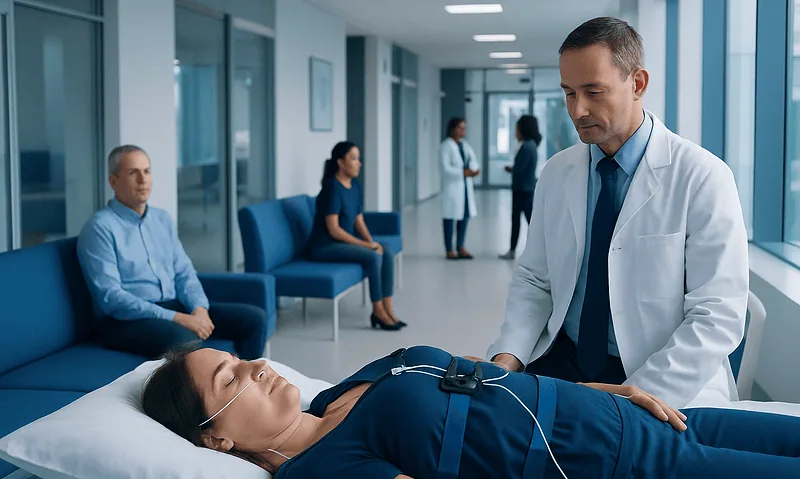
Sleep Apnea Testing in Turkey: What Happens During Your Evaluation
Sleep apnea testing in Turkey may include a consultation, overnight sleep study or home test, and a clear review of your results…

How to Organize Your Test Results Before Traveling to Turkey
Organize your test results before traveling to Turkey by sorting records, images, medicines and timelines so your Istanbul care team can review…

When Extra Tests Are Needed Before Treatment in Turkey
Extra tests before treatment in Turkey may be needed to confirm diagnosis, timing, and safety. Here is what you can expect in…

At Acibadem, How to Prepare for Blood Tests, Scans, and Pre-Op Checks
Blood tests, scans, and pre-op checks at Acibadem in Turkey help confirm you are ready for treatment and avoid delays on the…