

Second Opinion for Cancer Treatment in Turkey: What to Prepare

Gather your final pathology report, imaging in DICOM format, a dated treatment summary, your medication list and a short written timeline before requesting a second opinion for cancer treatment in Turkey. Most hospitals screen records remotely first, then advise whether an in-person visit, repeat imaging or pathology re-review is needed, so hold off on fixed travel bookings until that screening is done.
If you are weighing up a second opinion for cancer treatment in Turkey, the most useful thing you can do happens before anyone reviews anything: assemble a complete, well-organised medical file. Pathology, imaging, treatment history, medication list, your own questions, all in one place, all dated. A specialist team can only be as fast and as precise as the file you give them.
This guide covers what to collect, how to organise it, how the review process typically runs for international patients, how cost quotations work, and when it makes sense to book travel. It is a logistics guide, not medical advice: the clinical judgement always belongs to the oncology team reviewing your case and to your treating doctor at home.
At a glance
- Best for: Patients who want an expert review of a current cancer diagnosis or treatment plan before starting, changing or continuing treatment
- What to gather: Final pathology report, imaging reports plus the original image files, a dated treatment summary, medication and allergy lists, recent blood results
- How reviews usually happen: Remote document review first; an in-person visit only if examination, repeat imaging or pathology re-review is needed
- Who reviews the case: Multidisciplinary oncology teams, medical, surgical and radiation oncology, often with radiology and pathology input
- Travel planning: Wait for the hospital’s document screening and scheduling guidance before booking non-refundable travel
- Language: Key documents may need translation; interpreter support is commonly available for consultations
Why preparation matters for a second opinion for cancer treatment in Turkey
A second opinion is not a fresh diagnosis from scratch. The reviewing specialists need to understand exactly what has been found, what has been done, and which decisions are still open. Their job is to answer three questions: is the diagnosis confirmed, is the staging sound, and should the treatment plan stay as it is, change, or be sequenced differently. Every gap in your file slows that down: a missing pathology report can stall a review for weeks while it is chased across borders.
For international patients, preparation also protects your travel plans. In many cases, a second opinion for cancer treatment in Turkey begins entirely remotely: the oncology team reads your documents, then tells you whether you need to come in person, whether a pathology re-review would be useful, or whether repeat imaging is likely. That first screening step is what saves you from an unnecessary trip, or from arriving to discover that the one document that matters was never sent.
There is one more reason preparation matters. Cancer decisions are made by multidisciplinary oncology teamsmedical oncologists, surgeons, radiation oncologists, radiologists and pathologists reviewing a case together. A team like that works from evidence, not summaries of summaries. The closer your file is to the original source documents, the more useful the opinion you receive.
The records you should collect before requesting a review
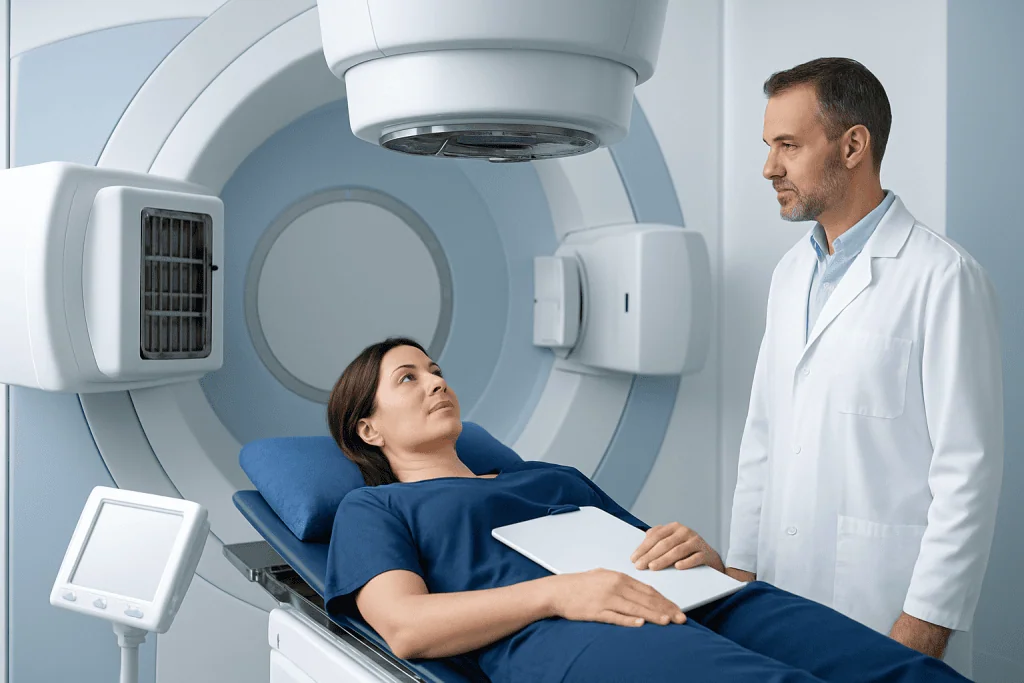
Pathology comes first. The final pathology report from your biopsy or surgery is usually the single most important document in the file, because it states what tissue was examined and what diagnosis was made. Alongside it, collect any immunohistochemistry results, molecular or genetic test reports if they were done, and the date and name of the laboratory that examined the tissue. In some cases the reviewing hospital will ask for the original pathology slides or tissue blocks so its own pathologists can re-examine them, but only send these if specifically requested, because they need careful handling and transport.
Imaging comes second, and reports alone are not enough. Gather the written reports and the actual image files for every relevant scan, CT, MRI, PET-CT, mammography, ultrasound, ideally in DICOM format on a disc, USB drive or secure digital link. Radiologists frequently need the original images to judge findings for themselves, compare scans over time and decide whether anything needs repeating. A written report describes what one radiologist saw; the images let another radiologist look.
Then build a concise treatment summary. Include previous surgeries, chemotherapy, immunotherapy, targeted therapy, radiotherapy, hospitalisations, and any complications or side effects you experienced. A simple dated timeline is the most useful format:
- Date of diagnosis
- Type and stage of cancer, as you were told it
- Tests completed, with dates
- Treatments received, with dates and where they were given
- Current symptoms or recent changes
Finally, add your current medication list including supplements, your allergies, any chronic conditions, recent blood results and discharge summaries, and, if you are comfortable sharing them, contact details for your current oncologist. These details matter because treatment planning depends on the whole patient, not only the tumour. There is a separate guide on which records help doctors advise you faster if you want a deeper breakdown by document type.
How to organise your file so specialists can review it quickly

Put everything in one clearly labelled folder, digital or printed, and name files so a stranger can navigate them: “Pathology report April 2026”, “PET-CT images March 2026”, “Chemotherapy summary”. If your records sit in three different hospitals in two different countries, a common situation, merge them into one master package yourself rather than expecting the reviewing team to reconstruct the sequence. Duplicate reports are fine; missing ones are not.
On language: ask in advance which documents must be translated and which can be reviewed in the original. Priorities are usually the pathology report, the treatment summary and the key imaging reports. Imaging files themselves need no translation, and many teams can work with common European languages directly, so do not pay to translate everything before you know what is actually required.
Then write a one-page case overview in your own words. Keep it strictly factual: your age, the diagnosis, the date it was made, the treatment you are on or have been offered, what you have been told so far, and why you want a second opinion. Be specific about that last point, confirmation of the diagnosis, advice on surgery timing, review of a chemotherapy plan, a multidisciplinary discussion of your options. A reviewer who knows what question you are asking can give you a far more useful answer.
How the review process usually works for international patients
Most second opinions for international patients follow the same broad sequence. First, your documents are screened: an international patient coordinator checks that the file is complete and readable, requests anything missing, and routes the case to the relevant specialists. Second, the clinical review takes place, sometimes by a single oncologist, sometimes by a tumour board, depending on the complexity of the case. Third, you receive the opinion, usually in writing, often followed by a call or video consultation where you can ask questions.
Only after that does the in-person question arise. Some patients never need to travel at all: the remote opinion confirms their plan or gives their home team a clear recommendation to consider. Others are asked to come because a physical examination, repeat imaging or a biopsy re-review genuinely requires their presence. The guide on what records to send and what answers to expect explains what a written remote opinion can and cannot cover.
Be realistic about timelines. Document screening is quick when the file is complete, slower when reports must be requested from other hospitals. Pathology re-review adds time because material must physically travel. None of this should be alarming, it is ordinary process, but it is why the preparation described above is the part of the timeline you actually control.
Questions worth asking during the consultation
Cancer consultations are dense, and consultations abroad add a layer of unfamiliarity. Write your questions down in advance and order them by the decisions in front of you now, rather than trying to cover everything at once.
Medical questions that tend to matter most: Does the diagnosis and stage look correct based on my records? Are further tests needed before treatment starts or changes? What are the main treatment options in my situation, and in what order would you sequence them? Would my case benefit from tumour board review? What would you want to see repeated, and why?
Practical questions deserve equal weight: How long does the document review take? Might my pathology or imaging need to be redone here? If I chose to proceed with treatment, how soon could it begin and how long would I need to stay? What would follow-up look like if I return home afterwards, and how would reports reach my local oncologist? Bring a companion if you can: a second set of ears is worth more than a recording when the conversation turns technical, and ask for interpreter support to be arranged for the consultation if you need it.
Cost and quotations: how the numbers are built
This guide gives no figures, because honest figures do not exist before a case is reviewed. What can be explained is the structure. The cost of a second opinion itself depends on its scope: a written review of documents is one service, a video consultation is another, and re-review of pathology material or fresh imaging are separate items again. The guide on how much a second opinion in Turkey costs walks through those components in detail.
If treatment follows, a quotation is normally built after the review, from the specifics of your case: the diagnosis and stage, the treatment modality proposed, the tests still needed, expected length of stay and the level of hospitalisation involved. A quote produced before anyone has read your records is a guess, and should be treated as one. If you are deciding what to ask for first, read whether to request a second opinion or a treatment quote firstfor cancer care, the opinion almost always comes first, because it defines what would actually be quoted.
Planning travel and logistics without adding pressure
Do not book fixed, non-refundable travel until your records have been screened and the hospital has told you what kind of review you need. That single rule prevents most of the avoidable stress in this process. Some patients complete everything remotely; others need one visit; a few need a longer stay for additional tests. You cannot know which group you are in until the file has been read: the guide on timing a second opinion before travelling to Turkey covers this sequencing in more depth.
When you do travel, check the basics early: passport validity, whether you need a visa for Turkey based on your nationality, flight flexibility, and accommodation near the hospital if appointments may stretch over several days. Cancer consultations often involve more than one meeting, an examination, a scan, a results discussion, so build slack into the schedule rather than planning a tight in-and-out trip.
Hospitals serving international patients in Istanbul and other Turkish cities commonly provide practical coordination: appointment scheduling, interpreters, guidance on transfers and accommodation. That support matters most when you are travelling while unwell, or when a family member is managing the paperwork alongside you. Ask what is available before you fly, not after you land.
What to expect after the review
A second opinion does not always change the plan, and that is not a failure of the exercise. Sometimes the outcome is confirmation that your diagnosis and current treatment path are appropriate, which has real value if you were feeling uncertain or rushed into a decision. In other cases, the team may recommend different sequencing, additional pathology analysis, repeat or additional imaging, or review by another specialty. Occasionally a review surfaces an option that was never discussed at home, which you can then weigh with your own doctor.
Ask for the opinion in writing. A written summary lets you discuss the findings properly with your local oncologist and keeps everyone working from the same document if you continue treatment at home. If you decide to proceed with treatment in Turkey instead, make sure you understand the immediate next steps: any pre-treatment testing, the documents still outstanding, and the realistic timeline.
If your care will be shared between countries, pin down how information will move. Before you leave, physically or virtually, confirm how you will receive reports, imaging and appointment summaries, and how they can be transferred to your home team. Continuity of information is one of the most reassuring parts of care abroad when it is arranged, and one of the most frustrating gaps when it is not.
Step by step
- Collect your core medical records. Start with the final pathology report and biopsy details, then all major scan reports and the original image files. Add treatment summaries, medication and allergy lists, recent blood results and discharge notes so the reviewing team sees the full sequence of events.
- Create a simple medical timeline. Write your diagnosis date, tests, treatments and major symptom changes in chronological order on one page. When records come from more than one hospital, this timeline is often the document that makes the rest of the file make sense.
- Ask what the reviewing hospital requires before sending anything. Document formats, translation priorities, whether digital submission is possible, and whether pathology slides or original imaging may be requested, confirming this first prevents duplicated effort and wasted courier costs.
- Prepare your questions and goals. Decide what you want from the second opinion: confirmation of the diagnosis, alternative options, advice on treatment timing, or a multidisciplinary review. A short written list of priorities keeps the consultation focused.
- Wait for case screening before booking final travel. Once your records are reviewed, you will know whether an in-person visit is necessary and roughly how long you may need to stay. That knowledge is worth more than any early-bird flight fare.
- Carry both digital and printed copies. Even if everything was uploaded in advance, bring the file on a USB drive or secure link plus printed key reports. If a system is down or a specialist wants to see something immediately, you will have it.
- Confirm follow-up and report sharing before you leave. Establish how you will receive the written opinion, test results and recommendations, and how these can be shared with your local oncologist if you continue care at home.
Your checklist
- Passport and travel documents
- Final pathology report and biopsy details
- Original pathology slides or tissue block, only if specifically requested
- All imaging reports and image files, in DICOM format where available
- Treatment history with dates for surgery, chemotherapy, radiotherapy or other therapies
- Current medication list, supplements and allergies
- Recent blood test results and discharge summaries, if relevant
- One-page medical timeline and your written list of questions
- Insurance or payment documents, if applicable
Key takeaways
- A complete pathology and imaging file, reports plus original image files, is the foundation of any cancer second opinion.
- A one-page dated timeline helps specialists review your case faster and more accurately than a stack of unsorted reports.
- Do not book fixed travel until the record screening tells you what kind of review you actually need.
- Cost quotations are built after review, from the specifics of your case; treat any earlier figure as a guess.
- Written questions and a written opinion keep the consultation focused and keep your home team in the loop.
Frequently asked questions
Can I get a second opinion on my cancer treatment?
Yes. Seeking a second opinion is a normal, widely accepted part of cancer care, not a sign of distrust in your current doctor. Many oncologists actively encourage it, particularly before major decisions such as surgery or a change of treatment line. Your existing hospital can provide copies of your records for this purpose: you are generally entitled to them.
Do I need to travel to Turkey, or can the review start remotely?
Many cases start with a remote document review, especially when the pathology reports, scans and treatment history are complete. After that initial assessment, the team advises whether an in-person consultation, repeat imaging or pathology re-review is actually necessary. Some patients never need to travel; others need one visit.
Which country has the best treatment for cancer?
No single country holds that title, and claims otherwise deserve scepticism. Quality in oncology depends on the specific team, its multidisciplinary structure, its equipment and its experience with your particular cancer, all of which vary within countries as much as between them. Turkey has hospitals with well-established international oncology programmes; the sensible comparison is between named institutions and teams, not flags.
How much does cancer treatment typically cost in Turkey?
There is no honest general figure. Costs depend on the diagnosis and stage, the treatment modality, the tests still required, the length of stay and the level of hospitalisation. A meaningful quotation can only be built after specialists have reviewed your records, which is one reason the second opinion usually comes before any quote. Be cautious with any price offered before your file has been read.
What is the single most important document to prepare?
Usually the final pathology report, because it confirms what tissue was examined and what diagnosis was made. That said, original imaging files and a dated treatment summary are close behind, cancer decisions rest on the full picture, not one report alone.
Should I bring my biopsy slides or tissue block?
Only if the reviewing hospital specifically requests them or tells you that pathology re-review may be helpful in your case. These materials can matter in complex or unusual diagnoses, but they require careful handling and transport, so confirm the need before arranging anything.
Will a second opinion delay my treatment?
It adds a review period, which good preparation keeps short. In some situations a second opinion prevents longer delays later, by clarifying the diagnosis, confirming staging or identifying missing tests before treatment begins. How much time your situation allows is a question for your treating doctor, who knows the urgency of your specific case.
When is it reasonable to stop cancer treatment?
That is a deeply individual decision, made between a patient and their treating team, never from a general rule. It involves weighing what further treatment can realistically achieve against its burden, and what matters most to the person receiving it. A second opinion can inform that conversation by clarifying which options remain and what each involves, but the decision itself belongs to you and the doctors who know your case.
Add us as a Preferred Source to see more of our trusted health content across Google Search, AI Overviews and Discover.

Update history
- PublishedJuly 8, 2026
- Medical review approvedSeptember 13, 2026
- Last content updateSeptember 12, 2026
References2
- Pathology Reports: National Cancer Institute cancer.gov
- Cancer Staging: National Cancer Institute cancer.gov
More Patient Guides
HoLEP in Turkey: How It Compares With TURP and What Recovery Involves
HoLEP in Turkey treats enlarged prostate tissue with laser enucleation; learn how it compares with TURP, recovery, travel and follow-up.
Porcelain Veneers in Turkey: Who Is Suitable and How Many Visits Are Needed?
Porcelain veneers in Turkey can enhance tooth shape and colour in two visits for suitable patients after a personalised dental assessment.
How to Prepare for a Sedation Procedure in Turkey
Prepare safely for a sedation procedure in Turkey with guidance on fasting, medicines, travel, recovery and follow-up.
Treatment Delays in Turkey: What Happens If Tests or Recovery Change Your Schedule
Treatment delays in Turkey can happen if tests or recovery change your plan. Learn how to manage appointments, travel, accommodation and follow-up.