

Second Opinion Before Treatment in Turkey: When It Helps

A second opinion before treatment in Turkey is a structured review of your records by another specialist, often completed remotely before you travel. It helps most when the proposed treatment is major, the diagnosis is uncertain, or recommendations differ. It can confirm your current plan, suggest alternatives, or identify tests you still need, but it has limits, and some cases require in-person examination before any final recommendation.
You have been told you need surgery, or a course of treatment, and something in you wants to check before you commit. That instinct is reasonable. You do not have to get on a plane to act on it.
This guide explains what a second opinion before treatment in Turkey actually involves, when it is worth pursuing, how a remote review works, and, just as importantly, where its limits sit. The aim is a better-informed decision, whatever that decision turns out to be.
At a glance
- What it is: A specialist review of your diagnosis and proposed treatment, often completed remotely before travel
- Purpose: To check whether the diagnosis is consistent, whether alternatives exist, and what still needs clarifying
- Anaesthesia: None for the opinion itself; depends entirely on any later treatment
- Hospital stay: Usually none for the opinion; any admission depends on the final treatment plan
- Recovery: No physical recovery from the review process itself
- Timeline: Depends on case complexity and how complete your records are
- Departments involved: Any specialty, oncology, neurosurgery, orthopaedics, cardiology, general surgery, gynaecology, urology and others as the case requires
- Key limit: A remote opinion based on records may remain provisional until in-person examination or updated tests
What is a second opinion before treatment in Turkey?
A second opinion is a structured review of your case by a specialist who was not involved in the original diagnosis. It is not a repetition of what you have already been told. The reviewing doctor looks at your imaging, pathology, laboratory results and clinical history and asks three questions: does the diagnosis hold together, are there other reasonable treatment pathways, and is anything missing that should be tested before a decision is made.
For international patients, a second opinion before treatment in Turkey usually starts remotely. You share your medical documents, and the relevant specialist, or, in complex cases, more than one department, reviews them before you commit to travel, treatment or payment. Sometimes the review confirms the original plan. Sometimes it refines the diagnosis, suggests a different technique, or recommends further evaluation first. All three outcomes are useful, because each one tells you something you did not know with confidence before.
One thing worth stating plainly: a second opinion is decision support, not a verdict. Two competent specialists can reasonably disagree about timing or technique. The value lies in understanding why they differ, so the final choice is yours and informed.
When is it recommended?
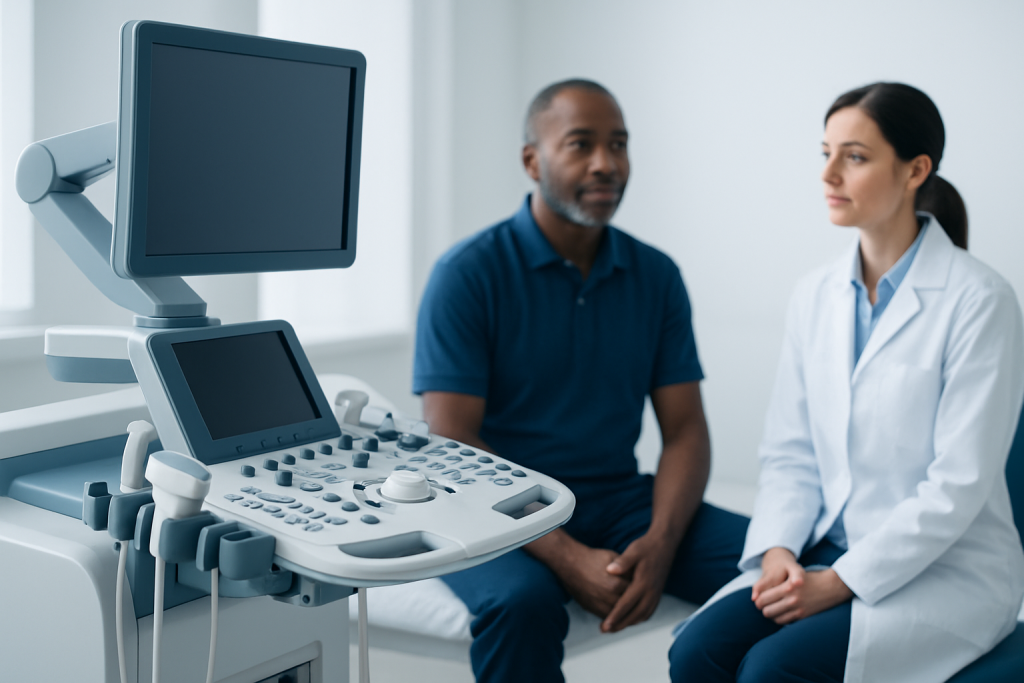
The clearest case for a second opinion is a major, irreversible or high-stakes decision: cancer treatment, spine surgery, heart procedures, organ-related interventions, fertility treatment, or a long-term treatment plan that will shape years of your life. The bigger and less reversible the step, the more a second review earns its place.
It also helps in quieter situations. Test results that are difficult to interpret. Symptoms that do not fully match the diagnosis. Previous treatment that has not produced improvement. Being told there is only one option, when you want to know whether less invasive, organ-preserving, staged or multidisciplinary alternatives exist. Patients considering a repeat procedure after earlier surgery elsewhere often benefit from a fresh review: our guide on revision surgery and second opinions covers that situation in detail.
Not every situation calls for one. When a condition is genuinely time-critical, delaying care to collect another review may cost more than it gains. How urgency is weighed depends on the specific diagnosis and is a judgement your treating doctor is positioned to make; a second opinion works best in the space between “urgent” and “whenever”, where most planned treatment actually sits.
Who is a good candidate?

You are a good candidate if you want more clarity before a treatment decision and can provide enough medical information for a meaningful review. That covers patients with new diagnoses, chronic conditions, recurrence after previous treatment, unresolved symptoms, or complex findings on imaging, pathology or blood tests.
For international patients, the remote format has a specific advantage: it reduces uncertainty before travel. A review of your records can indicate whether coming to Turkey is likely to be worthwhile, which specialty should lead your case, whether further tests are probable on arrival, and roughly how long a stay to plan for.
The process works best when records are recent, complete and organised. If your documents are limited, outdated or contradictory, a specialist can still offer general guidance, but the opinion may remain provisional, with a recommendation to repeat tests or attend in person before anything is decided. That is not a failure of the process; it is the process being honest.
What the review can lead to
A second opinion is not a treatment; it is a fork in the road that can change the route. Depending on your condition, the review may confirm the existing plan, recommend a different procedure, advise postponing intervention, or identify tests that should come first.
The range of possible directions is wide: conservative management, medication-based treatment, minimally invasive procedures, open surgery, robotic or image-guided techniques, combined treatments, rehabilitation planning, or referral to a multidisciplinary board. In some cases the opinion simply states that the care already planned in your home country is appropriate and no change is needed: a result many patients find just as valuable as a new recommendation.
Where cancer is involved, the review often touches diagnosis, staging, pathology interpretation, surgery, systemic therapy and radiation planning at once, which is why multidisciplinary input matters. If that is your situation, see what to prepare for a cancer second opinion in Turkey.
Online evaluation before travel
Most second opinions can begin online. You share your medical history, current symptoms, previous procedures, test reports, pathology results where relevant, and imaging: MRI, CT, PET-CT, ultrasound, mammography, X-rays, echocardiography or endoscopy reports, depending on the condition.
Two practical points make a real difference. First, original digital image files (DICOM format, usually on a disc or download link from the imaging centre) are far more useful than written reports alone, because the reviewing specialist can assess the images directly rather than relying on someone else’s description. Second, in cancer care and other complex specialties, pathology slides or blocks occasionally need re-evaluation, which involves shipping logistics and time, better discovered early than mid-plan.
An online evaluation can clarify whether your case suits planning from abroad, whether additional tests are likely on arrival, and whether a face-to-face assessment is essential before any final recommendation. Remote review has genuine limits: where physical examination matters, or records are incomplete, the opinion stays provisional until you are seen in person. A responsible team will say so rather than paper over it.
Preparing your records
Gather your records with the same care you would apply to the decision itself. Include diagnosis summaries, clinic notes, operation reports, pathology reports, laboratory tests, your medication list, allergy history, and all relevant imaging. If you have had treatment before, add dates, how you responded, and any complications or side effects. A detailed breakdown of what to include, and what answers a review can realistically give, is in our guide on which records to send and what to expect back.
If travel is a possibility, note practical details too: passport information, workable travel dates, whether a companion will come, language needs, and any mobility limitations. These do not affect the medical opinion, but they let coordination start early if you decide to proceed.
Should the opinion lead to treatment, expect further workup after arrival, repeat blood tests, updated imaging, anaesthesia review, cardiac assessment or other clearances, depending on what is planned. A good second opinion anticipates these needs; the final list always comes from physician evaluation.
What happens during the review
The core of the process is assessment, not procedure. The relevant specialist studies your records; complex cases may be discussed across departments. The doctor weighs whether the diagnosis is clear, whether more testing is needed, and which approaches fit your condition, general health, goals and travel circumstances.
You then receive a summary of the preliminary opinion, usually through an international patient coordinator. It typically covers the working diagnosis, the treatment options considered reasonable, whether treatment in Turkey appears appropriate, and what further information would sharpen the picture. In some cases a live online consultation can be arranged so you can ask questions directly, though this depends on the case type.
If you decide to continue, the process shifts from opinion to plan: consultations, tests, scheduling, expected length of stay and a travel timeline. If you decide not to continue, the opinion is still yours: a second opinion never commits you to treatment anywhere.
Hospital stay and discharge
The opinion itself requires no admission. If you travel for consultation and tests only, you may not stay in hospital overnight at all; many evaluations run on an outpatient basis, with a short observation period only if certain procedures or advanced tests are performed.
If the opinion leads to surgery, interventional treatment, chemotherapy, radiotherapy or other inpatient care, the stay depends on that specific treatment, anything from same-day discharge to a longer admission with monitoring. Your team explains which applies before you confirm plans.
Before leaving after any in-person assessment or treatment, you should hold clear written information on medications, wound care where relevant, activity restrictions and the timing of your next review, along with confirmation of when you are medically fit to fly. Our guide on what to check before leaving the hospital lists the documents worth having in hand.
Planning timeline
There is no physical recovery from a second opinion. The table below is a planning framework for what typically follows, not a promise about any specific treatment.
| Timeframe | What to expect |
|---|---|
| First 24 hours | Consultations and tests generally allow normal activity. If a procedure is performed, immediate aftercare depends on its type. |
| First week | Additional consultations, finalising the plan, or beginning treatment. Travel timing after any intervention is confirmed by the treating doctor. |
| Weeks 2–4 | Routine activities usually resume quickly if only evaluation took place. After treatment, follow-up needs vary widely by specialty. |
| Months 1–3 | Remote review of recovery, pathology, imaging or treatment response may continue after you return home, sometimes alongside local doctor visits. |
| Final result | The lasting benefit of the opinion is a better-grounded decision. Clinical results depend on the chosen treatment, the diagnosis and your individual response. |
Once your case has been reviewed in detail, your doctor can give a more specific timeline. If an intervention is recommended, ask directly about time in Turkey, return-to-work guidance and follow-up arrangements before confirming travel.
What to avoid
After the opinion itself there are usually no restrictions. The main thing to avoid is deciding under pressure on partial information, internet reading, informal advice, or a single conversation. If the case is complex, let the full record review finish before changing course; any change to medication or planned care belongs with the treating doctor.
Avoid, too, sending an incomplete or low-quality file. Missing imaging, pathology detail or operative reports either delays the review or produces a hedged answer. A well-prepared case file is the single biggest factor within your control.
If treatment follows, the specific restrictions depend on the procedure. As a general principle, flying soon after surgery without medical clearance and skipping planned follow-up tests are the two shortcuts international patients most often regret.
Risks and honest limits
A second opinion is low-risk, but not limit-free. The biggest pitfall is overestimating what a remote review can do. Records-based guidance is valuable, yet some diagnoses cannot be confirmed without physical examination, repeat imaging, new laboratory work or pathology re-review. A provisional opinion labelled as provisional is a feature, not a flaw.
Delay is the second consideration. In time-sensitive situations, the value of another review has to be weighed against the need for prompt care: a balance your treating doctor helps you judge for your specific condition.
Third, specialists may reasonably differ. Divergent opinions do not automatically mean one is wrong; medicine involves judgement about risk, timing and patient priorities. A good second opinion makes those trade-offs visible rather than pretending they do not exist.
Results and expectations
The primary result is clarity. You may learn that your original diagnosis and plan are sound, or that other valid options deserve consideration, or that the honest answer is “we need more information before anyone should operate”. All three are legitimate outcomes of a second opinion before treatment in Turkey, and none of them wastes your time.
Expect balanced guidance rather than certainty. Some decisions remain complex after expert review, particularly when records are incomplete or the condition is unusual. A responsible opinion names its areas of uncertainty and recommends tests instead of overpromising.
If you do proceed, the review makes the journey more efficient: the right department identified, a likely pathway sketched, a realistic timeline set. Final decisions still follow in-person physician evaluation and updated tests where needed.
International patient travel planning
A second opinion sharpens travel planning. It can clarify whether to come for consultation only, consultation plus tests, or a full treatment programme, which changes how you arrange flights, accommodation, leave from work and aftercare at home.
Ask early about likely length of stay, whether travelling alone is realistic, and whether mobility support may be needed afterwards. If someone is coming with you, our guide on bringing a companion to Turkey for treatment covers what to plan. Interpreter support can be arranged in advance where needed.
Build in flexibility. Additional tests, anaesthesia assessment, pathology review or a revised recommendation after in-person evaluation can all shift a schedule, more often with complex conditions than simple ones.
Cost and how quotations work
This guide gives no figures, because honest figures do not exist before a physician has reviewed a specific case. What can be explained is structure. The cost connected to a second opinion and any later treatment depends on the specialty involved, the complexity of the case, whether one doctor or a multidisciplinary team reviews the records, whether repeat imaging or pathology re-review is needed, and whether you proceed to outpatient care, surgery or longer treatment.
A quotation for international patients should describe what it includes: typically specialist consultation, review of submitted records, defined pre-treatment tests, hospital services, operating theatre use where surgery is planned, standard inpatient care and basic follow-up within the agreed treatment period. Some arrangements also coordinate interpreter support and transfers.
Just as important is what is usually excluded unless stated: flights, visas, personal and companion expenses, extended hotel stays, treatment of unexpected unrelated conditions, tests not initially anticipated, special implants or devices, pathology shipping logistics, intensive care needs, prolonged admission, and medication or follow-up beyond the planned scope. Because a second opinion before treatment in Turkey often changes what a quote should contain, many patients weigh whether to request the opinion or the quote first.
Why patients choose Acibadem
A useful second opinion often needs more than one perspective. Imaging, pathology, surgery, oncology, cardiology, anaesthesia and rehabilitation may all bear on a complex plan, and having those services connected within one group makes the step from record review to consultation, testing and treatment more coherent if you choose to continue.
Acibadem International supports this with specialist-led review, multidisciplinary discussion where cases warrant it, and a dedicated international patient team handling documentation, appointment coordination, interpreters, transfers, accommodation guidance and remote follow-up after you return home. The medical decision stays where it belongs, with you and the treating physicians.
Medical review and disclaimer
This guide has been medically reviewed by the Acibadem International medical team. It provides general information for international patients considering a second opinion before treatment in Turkey.
It does not replace consultation, physical examination, diagnostic testing or personalised medical advice. The appropriateness of travel, testing, timing and treatment depends on your diagnosis, symptoms, previous care and overall health, and suitability for any treatment requires physician evaluation.
Step by step
- Enquiry. The process begins with an initial enquiry describing the condition, diagnosis or treatment decision to be reviewed.
- Record submission. Reports, imaging files, pathology results, medication details, previous operation notes and, where relevant to the specialty, photos or videos are shared.
- Preliminary medical review. The case is directed to the appropriate specialist or multidisciplinary team for assessment of the available records.
- Opinion and outline. Feedback follows on whether the diagnosis appears consistent, whether further tests are advisable, and whether treatment in Turkey may be appropriate, together with a case-based quotation outline where relevant.
- Travel planning. If travel is chosen, dates, expected length of stay, interpreter needs and practical arrangements are planned.
- Arrival. Transfers and the first hospital visit are coordinated to the agreed schedule.
- In-person consultation. The specialist reviews the records with the patient, answers questions and clarifies the recommended approach.
- Pre-treatment tests. Where treatment is planned: blood tests, updated imaging, anaesthesia assessment or other specialty-specific evaluations.
- Treatment. If appropriate and agreed, the recommended procedure or therapy proceeds on the basis of final physician evaluation.
- Hospital stay. Admission length follows the treatment type, from same-day care to inpatient monitoring where necessary.
- First control. An early follow-up review checks condition, results and next steps.
- Discharge and travel clearance. Fitness to travel is confirmed, with documents, prescriptions and aftercare guidance provided.
- Remote follow-up. After return home, follow-up communication can continue remotely to review recovery, reports and outstanding questions.
Your checklist
- Passport copy
- Brief medical history summary
- Current diagnosis or reason for seeking a second opinion
- List of current medications and supplements
- Known drug, food or material allergies
- Previous surgeries or procedures with dates if possible
- Current symptoms and how long you have had them
- Recent blood test and laboratory results relevant to the condition
- Imaging reports and original image files (DICOM) where available
- Pathology reports or biopsy results where relevant
- Hospital discharge summaries or clinic notes from previous treatment
- Photos, videos or functional assessments if relevant to the specialty
Key takeaways
- A second opinion helps most when treatment is major, the diagnosis is uncertain, or recommendations differ, and it never commits you to treatment.
- Most reviews can begin online using your reports, scans, pathology results and history; original image files are more useful than reports alone.
- A remote opinion may stay provisional until in-person examination or updated tests: a responsible reviewer will say so.
- Confirmation of your existing plan is a valid, useful outcome, not a wasted effort.
- Complete, recent, organised records are the biggest factor within your control for a clear answer.
Frequently asked questions
When should a patient get a second opinion?
The strongest cases are major or irreversible decisions, cancer treatment, spine or heart surgery, organ-related interventions, plus situations where test results are ambiguous, symptoms do not match the diagnosis, previous treatment has not helped, or you have been offered only one option and want to know whether alternatives exist. Genuinely time-critical conditions are the exception, where the value of another review is weighed against the need for prompt care.
How do I get a second opinion without offending my doctor?
Say it plainly: the decision is significant and you want to be sure before committing. Most doctors regard this as normal, and many welcome it: a confirmed plan strengthens their recommendation. Ask for copies of your records and imaging, which you are generally entitled to. A second opinion is standard practice in medicine, not a challenge to anyone’s competence.
What medical treatment is Turkey famous for?
International patients commonly travel to Turkey for oncology, cardiovascular procedures, orthopaedics and spine surgery, ophthalmology, fertility treatment, dental work and hair restoration, among other fields. Large hospital groups offer multidisciplinary care across these specialties. Whether Turkey suits your specific case depends on your diagnosis and needs, which is precisely what a second opinion helps establish before you travel.
How much does cancer treatment typically cost in Turkey?
There is no honest single figure, and any guide quoting one is guessing. Cost depends on the diagnosis and stage, the treatment modalities involved, surgery, systemic therapy, radiotherapy or combinations, length of stay, pathology and imaging needs, and follow-up scope. A meaningful quotation is only possible after physicians review your records, and it should itemise what is included and excluded.
Can I get a second opinion online without traveling to Turkey first?
In many cases, yes. With complete reports, original imaging files and relevant history, a specialist can often give a preliminary opinion remotely. Some cases still require in-person examination or repeat testing before any final recommendation, and a trustworthy review will state clearly when the remote opinion is provisional.
What medical documents should I send for a useful review?
The most complete and recent set you have: diagnosis summaries, imaging reports plus original image files, pathology or biopsy results where relevant, blood tests, previous operation notes, a medication list, allergy history, and a summary of current symptoms with their timeline. Missing operative reports and imaging files are the most common causes of delayed or hedged opinions.
How long do I need to stay in Turkey for a second opinion?
If only consultation and a limited number of tests are needed, the stay can be short, often without any hospital admission. If the review leads to further diagnostics or treatment, the stay lengthens according to the specialty, the procedure and your recovery. The remote review usually gives a realistic estimate before you book anything.
Will a second opinion always change my treatment plan?
No, and it does not need to in order to be worthwhile. It often confirms that the existing plan is appropriate. Even then, patients gain a clearer explanation of the reasoning, a check on the diagnosis, and more confidence in the decision they were already leaning towards.
Add us as a Preferred Source to see more of our trusted health content across Google Search, AI Overviews and Discover.

Update history
- PublishedJune 22, 2026
- Medical review approvedSeptember 13, 2026
- Last content updateSeptember 12, 2026
References1
- CDC Travelers' Health: Medical Tourism wwwnc.cdc.gov
More Patient Guides

HoLEP in Turkey: How It Compares With TURP and What Recovery Involves
HoLEP in Turkey treats enlarged prostate tissue with laser enucleation; learn how it compares with TURP, recovery, travel and follow-up.

Porcelain Veneers in Turkey: Who Is Suitable and How Many Visits Are Needed?
Porcelain veneers in Turkey can enhance tooth shape and colour in two visits for suitable patients after a personalised dental assessment.

How to Prepare for a Sedation Procedure in Turkey
Prepare safely for a sedation procedure in Turkey with guidance on fasting, medicines, travel, recovery and follow-up.

Treatment Delays in Turkey: What Happens If Tests or Recovery Change Your Schedule
Treatment delays in Turkey can happen if tests or recovery change your plan. Learn how to manage appointments, travel, accommodation and follow-up.