

Sinus Surgery in Turkey: Treatment Guide
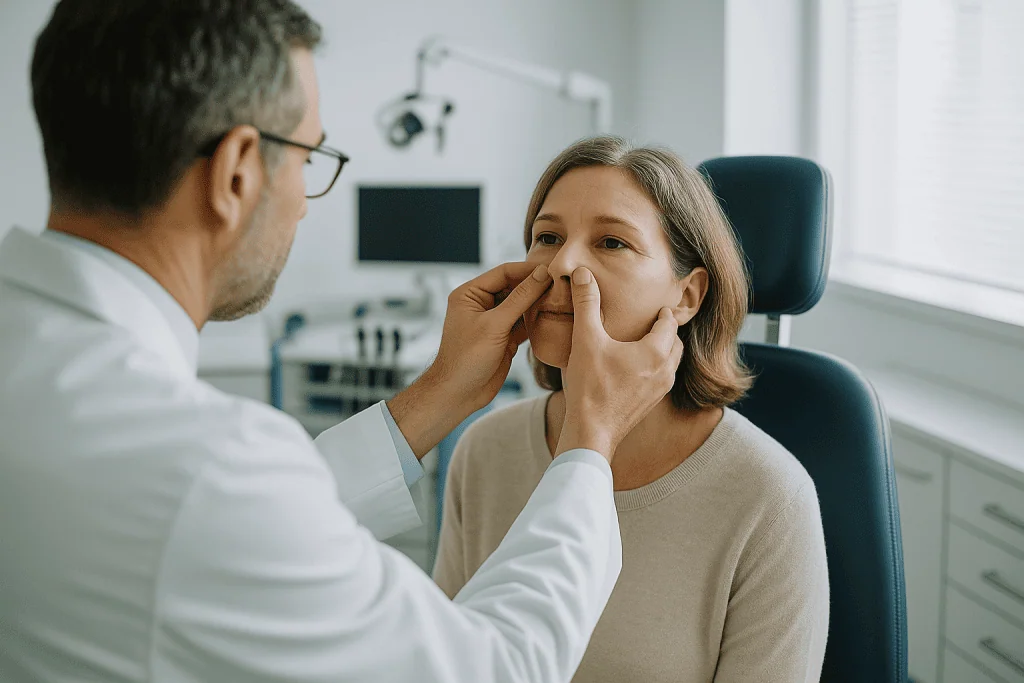
Sinus surgery in Turkey is usually endoscopic, performed through the nostrils under general anaesthesia to open blocked sinus drainage pathways. It is considered when chronic sinusitis, nasal polyps or structural blockage persist despite well-planned medical treatment. Most international patients allow one to two weeks in the country for consultation, tests, the operation, early healing and a follow-up check before flying home.
Sinus surgery is what happens after everything else has been honestly tried, and that sentence is the most important one in this guide. Functional endoscopic sinus surgery (FESS) transforms lives for the right patients: the ones whose chronic sinusitis has defeated proper medical treatment, whose scans show disease matching their symptoms, and whose expectations target drainage and breathing rather than a cure for every headache. For them, modern endoscopic surgery is precise, scarless from the outside, and durable. This guide covers what it actually does, the balloon-sinuplasty alternative, the honest recovery weeks, and the selection logic that separates good outcomes from disappointed ones.
The disease context in one paragraph: chronic rhinosinusitis is months-long inflammation of the sinus linings, congestion, facial pressure, drainage, smell loss, sustained by blocked drainage pathways, with or without nasal polyps. Medical therapy comes first and genuinely works for many: intranasal steroids properly used, saline irrigation as discipline rather than gesture, allergy management, and antibiotic or biologic strategies where indicated. Surgery’s job is anatomical: reopening the drainage corridors so sinuses can ventilate and medication can actually reach the tissue.
That last clause deserves emphasis, post-surgical medical care is not an admission of failure; it is the design. Surgery opens the doors; sprays and rinses keep the house in order.
What FESS actually does
Under general anaesthesia, entirely through the nostrils with endoscopes, the surgeon removes the bony partitions and diseased tissue blocking the sinus drainage pathways, uncinate process, obstructing ethmoid cells, narrowed openings widened, and clears polyps where present. Navigation systems guide work near the eyes and skull base in modern units. No external cuts, no bruised face, commonly day surgery or one observed night.
Scope is tailored to disease: limited disease earns limited surgery; extensive polypoid disease earns a fuller opening. Frequently, septoplasty and turbinate reduction join the same anaesthetic when structural blockage compounds sinus disease: that pairing, and its own recovery, is covered in our septoplasty and turbinate guide. The one-operation-fixes-all version of that pairing is legitimate and common; just insist the indication for each component is named, not bundled.
Balloon sinuplasty: the honest comparison
Balloon sinuplasty dilates blocked sinus openings with a small balloon rather than removing tissue, office-friendly in selected cases, quick recovery, genuinely useful for limited disease of specific sinuses in patients whose anatomy suits it. Its honest boundaries: it removes nothing, so polyps, extensive ethmoid disease and thick chronic tissue remain untreated by it, and marketing that sells ballooning as universal FESS-lite serves the seller, not the sinuses.
The selection sentence: balloon procedures suit some early or focal disease; established chronic disease with polyps or broad involvement belongs with formal endoscopic surgery. A surgeon who offers both and matches the tool to the CT scan is practising; one whose every patient happens to need the tool they own is marketing.
Recovery: the honest weeks
Week one: congestion rather than pain: the nose blocked with swelling and healing debris, mild bloody discharge early, pressure headaches possible; managed with saline rinses (the star of this recovery), elevation and simple analgesia. No nose-blowing; sneezing happens mouth-open. Most desk workers return within a week, breathing worse than they expected and better than they will remember.
Weeks two to four: the debridement window, follow-up visits where the surgeon clears healing crusts endoscopically. These appointments matter as much as the surgery: they keep the newly opened corridors open, and skipping them is how good operations scar into mediocre outcomes. Congestion lifts progressively; smell often begins returning where polyps had stolen it. Weeks four to twelve: linings settle, rinses continue, maintenance sprays typically resume, and the honest verdict on breathing, pressure and smell forms across months as inflammation quiets. For polyp patients, long-term medical maintenance is the expectation, surgery reset the anatomy; biology still needs managing.
Who should, and should not, have sinus surgery
Strong candidates: chronic sinusitis persisting through genuinely maximal medical therapy, CT findings that match the story, recurrent acute infections clustering around fixable anatomy, polyps blocking breathing and smell, and specific situations (fungal disease, mucoceles, complications) where surgery is simply the treatment. Weak candidates deserve the honest no: headache or facial pain with clean scans (surgery does not fix what is not sinus), symptom stories that are actually allergy or reflux in costume, and anyone whose medical therapy was never properly tried.
The selection conversation is where units show their quality: insist your CT is reviewed with you, symptom by symptom against finding by finding. International patients can run assessment (endoscopy plus CT), surgery and the first debridement inside roughly ten days, with the hospital-choosing checks on our ENT hospitals in Turkey comparison, but the follow-up debridement plan must be written before travel, whether completed in Türkiye or handed off home.
Frequently asked questions
How long is recovery after sinus surgery?
Desk work around a week; congestion easing across two to four; linings settling and the honest verdict forming over one to three months. The rinse-and-debridement discipline of the first month shapes the whole outcome.
Is FESS painful?
Congestion and pressure dominate rather than sharp pain, simple analgesia usually suffices. The old packing-era horror stories belong to a previous generation of practice; ask your surgeon what they use.
What is the difference between FESS and balloon sinuplasty?
FESS removes obstructing tissue and opens pathways under endoscopic vision; ballooning only dilates openings. Balloons suit limited, focal disease; polyps and broad chronic disease need formal surgery. The CT scan, not the brochure, chooses.
Why are the follow-up debridements so important?
Because healing crusts and early scar can re-close the corridors surgery opened, endoscopic clean-ups in weeks two to four keep them patent. They are part of the operation’s result, not optional aftercare.
Will surgery cure my sinus headaches?
Only if they are genuinely sinus-driven with matching CT findings. Clean-scan facial pain has other owners (migraine chief among them), and honest units say so before operating rather than after disappointing.
Do nasal polyps come back after surgery?
They can, polypoid disease is inflammatory biology, and surgery resets anatomy without abolishing the tendency. Long-term steroid sprays, rinses and sometimes biologic therapy are the maintenance plan; surgery makes that maintenance effective.
When will my sense of smell return?
Where polyps or swelling caused the loss, improvement often begins within weeks of surgery and matures over months. Long-standing severe loss recovers less predictably: an honest pre-operative conversation calibrates hope.
Can septoplasty be done at the same time?
Frequently and sensibly, when a deviated septum compounds the blockage, one anaesthetic, combined recovery. Each component should carry its own named indication in your plan.
When can I fly after sinus surgery?
Commonly cleared within seven to ten days, ideally after the first debridement, with saline for the flight and your surgeon’s written date governing. Pressure changes on a healing nose argue against improvising earlier.
How much does sinus surgery cost in Turkey?
A fraction of UK or US self-pay pricing, typically packaged with navigation-equipped endoscopic surgery and follow-up debridement. The honest figure follows CT review, itemised, with the debridement plan in writing.
Add us as a Preferred Source to see more of our trusted health content across Google Search, AI Overviews and Discover.

Update history
- PublishedJune 9, 2026
- Medical review approvedSeptember 1, 2026
- Last content updateSeptember 2, 2026
References2
- Sinusitis (sinus infection): NHS nhs.uk
- Endoscopic sinus surgery: MedlinePlus medlineplus.gov
More Patient Guides

HoLEP in Turkey: How It Compares With TURP and What Recovery Involves
HoLEP in Turkey treats enlarged prostate tissue with laser enucleation; learn how it compares with TURP, recovery, travel and follow-up.

Porcelain Veneers in Turkey: Who Is Suitable and How Many Visits Are Needed?
Porcelain veneers in Turkey can enhance tooth shape and colour in two visits for suitable patients after a personalised dental assessment.

How to Prepare for a Sedation Procedure in Turkey
Prepare safely for a sedation procedure in Turkey with guidance on fasting, medicines, travel, recovery and follow-up.

Treatment Delays in Turkey: What Happens If Tests or Recovery Change Your Schedule
Treatment delays in Turkey can happen if tests or recovery change your plan. Learn how to manage appointments, travel, accommodation and follow-up.