Sinusitis
Sinusitis is inflammation of the sinus linings, often after a cold. Learn about sinusitis symptoms, causes, how it is diagnosed and treatment options.
Quick answer
Sinusitis is inflammation of the lining of the sinuses, the air-filled spaces around the nose and eyes. It usually follows a cold and causes nasal congestion, thick discharge, facial pressure and reduced smell. Most acute cases resolve within weeks with self-care; chronic sinusitis lasting over twelve weeks may need nasal steroid sprays, saline rinses or, less often, surgery.
What is sinusitis?
Sinusitis is inflammation of the lining of the sinuses. The sinuses are air-filled spaces in the bones of the face and skull, located behind the cheeks, forehead, between the eyes and deeper behind the nose. They are lined with a thin membrane that produces mucus, which normally drains into the nose through small openings. When this lining becomes swollen, the openings can narrow or close, mucus builds up, and pressure and infection may follow. Because the nose and sinuses are closely connected and usually inflamed together, doctors often use the term rhinosinusitis, meaning inflammation of both the nasal passages and the sinuses.
Sinusitis is very common and affects people of all ages, including children. Most episodes follow a common cold and settle on their own within a few weeks. Doctors describe sinusitis by how long it lasts:
- Acute sinusitis lasts less than about four weeks.
- Subacute sinusitis lasts roughly four to twelve weeks.
- Chronic sinusitis lasts twelve weeks or longer despite attempts at treatment.
- Recurrent acute sinusitis means several separate episodes in a year, with symptoms clearing fully between them.
Understanding what sinusitis is, and which type you may have, helps explain why treatment can range from simple home measures to, in a minority of cases, surgery. Ear, nose and throat specialists, also called otorhinolaryngologists, manage more complex or persistent cases. At Acibadem, this care sits within the Otorhinolaryngology (ENT) department.
Sinusitis symptoms
Sinusitis symptoms overlap with those of a cold or allergies, which is why the condition is sometimes hard to recognize at first. The most typical features include:
- A blocked or congested nose
- Thick nasal discharge, which may be yellow or green, dripping from the front of the nose or down the back of the throat (postnasal drip)
- Pain, pressure or fullness in the face, particularly around the cheeks, forehead or between the eyes
- Reduced or lost sense of smell
- Headache, often worse when bending forward
- Cough, especially at night
- Toothache in the upper teeth
- Bad breath
- Tiredness
- Fever, more common in acute infections
In acute sinusitis, symptoms usually begin during or shortly after a cold. A cold normally improves within about ten days. If symptoms last longer than that, or if they improve and then clearly worsen again, a bacterial infection may have developed on top of the original viral illness. Facial pain and thick, discolored discharge tend to be more prominent than in a simple cold.
In chronic sinusitis, the picture is often less dramatic but more persistent. People may notice constant congestion, postnasal drip, a dull facial pressure, a reduced sense of smell and a lingering feeling of being unwell, rather than fever or sharp pain. Symptoms may fluctuate but do not fully clear. Some people with chronic sinusitis also have nasal polyps, which are soft, painless growths of the lining inside the nose and sinuses.
In children, sinusitis symptoms can be less specific and may include irritability, a prolonged cough, nasal discharge and swelling around the eyes. Children have many colds each year, so persistent or unusually severe symptoms are what tend to prompt evaluation.
Causes and risk factors
Sinusitis causes usually come down to anything that blocks sinus drainage or inflames the lining. The most frequent trigger is a viral infection, such as the common cold. Viruses cause the lining to swell, which traps mucus. In most cases the body clears the virus and the swelling settles. In a smaller number of cases, trapped mucus allows bacteria to multiply, leading to a bacterial sinus infection. Fungal sinusitis is uncommon and occurs mainly in people with weakened immune systems or, in a different form, as an allergic reaction to fungi in the environment.
Other conditions and factors that can contribute to or prolong sinusitis include:
- Allergic rhinitis (hay fever), where allergens such as pollen, dust mites or pet dander keep the nasal lining inflamed
- Nasal polyps, which can block drainage pathways
- A deviated septum, meaning the wall dividing the two sides of the nose is off-center and narrows one side
- Asthma, which often coexists with chronic sinus inflammation
- Smoking or regular exposure to secondhand smoke and other airborne irritants
- A weakened immune system, for example due to certain medications or medical conditions
- Dental infections in the upper teeth, whose roots lie close to the cheek sinuses
- Cystic fibrosis and other conditions that thicken mucus or impair its clearance
- Frequent changes in air pressure, such as flying or diving, in some people
Having one or more of these risk factors does not mean you will develop sinusitis, and many people with sinusitis have no obvious underlying cause other than a recent cold. However, when episodes are frequent or long-lasting, your doctor may look for a contributing factor that could be addressed.
Sinusitis diagnosis
Sinusitis diagnosis is based mainly on your symptoms, how long they have lasted and a physical examination. For a typical acute episode, no tests are usually needed. Your doctor will ask about the timeline of your illness, the color and thickness of nasal discharge, facial pain, fever and any history of allergies or previous sinus problems. During the examination, the doctor may look inside your nose, gently press on your face to check for tenderness, and examine your throat and ears.
Doctors generally consider bacterial sinusitis more likely when symptoms have lasted more than about ten days without improving, when they are severe from the start with high fever and facial pain, or when they clearly worsen after initially getting better. These patterns are guides rather than firm rules, and clinical judgment remains important.
For persistent, recurrent or unclear cases, additional methods may be used:
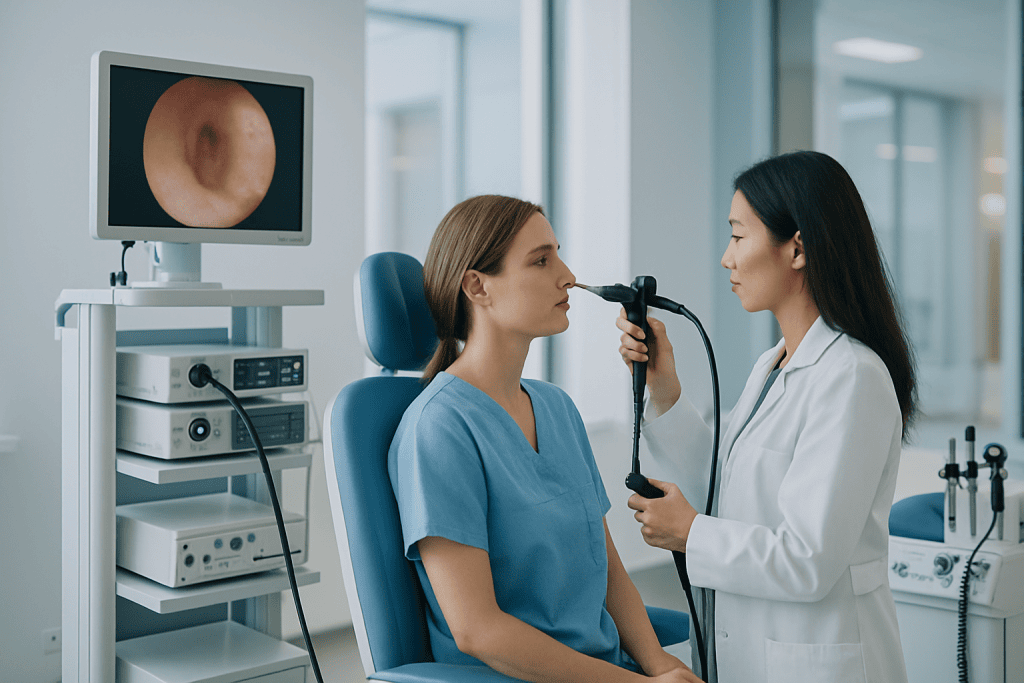
- Nasal endoscopy: a thin, flexible or rigid tube with a light and camera is passed into the nose, allowing the doctor to see swelling, discharge, polyps or structural problems directly. This is usually done in the clinic after a numbing spray.
- Computed tomography (CT) scan: a detailed X-ray-based scan that shows the sinuses and surrounding bone. It is used mainly to confirm chronic sinusitis, to plan surgery or when complications are suspected. It is not routinely needed for a simple acute infection.
- Magnetic resonance imaging (MRI): sometimes used when a fungal infection, a tumor or spread of infection toward the eye or brain is a concern.
- Nasal or sinus cultures: a sample of mucus is taken, ideally under endoscopic guidance, to identify bacteria or fungi when infections are not responding to treatment.
- Allergy testing: skin or blood tests may help identify allergic triggers in people with chronic or recurrent symptoms.
- Other blood tests: occasionally ordered to check immune function when infections are unusually frequent or severe.
For chronic sinusitis, doctors typically require both symptoms lasting at least twelve weeks and objective evidence of inflammation, seen on endoscopy or CT, before confirming the diagnosis. This is because long-standing facial pressure or headache can have other causes, including migraine and tension-type headache, which are managed very differently.
Sinusitis treatment options
Sinusitis treatment options depend on the type, the likely cause and how much symptoms are affecting daily life. The overall aim is to relieve symptoms, help the sinuses drain, treat infection when it is truly present, and address any underlying contributing factor.
Observation and self-care. Most acute sinusitis is viral and improves on its own. Supportive measures often used include rest, drinking enough fluids, breathing in steam or using a humidifier, applying warm compresses to the face, and rinsing the nose with a saline (salt water) solution using a spray, squeeze bottle or neti pot prepared with sterile, distilled or previously boiled water. Over-the-counter pain relievers such as acetaminophen or ibuprofen can help with facial pain and fever, following package directions and your doctor’s advice.
Medications. Several types of medicine may be recommended:
- Nasal corticosteroid sprays reduce swelling of the lining and are a mainstay for chronic sinusitis and for acute episodes with an allergic component. They are generally used daily and may take days to weeks to show full effect.
- Decongestant sprays or tablets can temporarily open the nose, but nasal decongestant sprays should usually not be used for more than a few days, as longer use can worsen congestion. Oral decongestants may not be suitable for people with high blood pressure or certain other conditions.
- Antihistamines may help when allergies are a driver, though they are less useful for non-allergic sinusitis.
- Antibiotics are reserved for cases in which a bacterial infection is likely, based on the patterns described above. Because most sinusitis is viral, antibiotics often do not help and can cause side effects and contribute to antibiotic resistance. Your doctor may suggest a period of watchful waiting before prescribing them.
- Oral corticosteroids may be prescribed for short courses in some cases of chronic sinusitis with nasal polyps, weighing benefits against side effects.
- Biologic medicines, given by injection, are newer treatments that target specific inflammatory pathways and may be considered for severe chronic sinusitis with nasal polyps that has not responded to other measures. They are not appropriate for everyone and are usually prescribed by specialists.
- Antifungal medicines are used only when a fungal infection has been confirmed.
Procedures and surgery. Surgery is not a first-line treatment and is considered mainly for chronic or recurrent sinusitis that continues despite appropriate medical therapy, for large polyps, for structural blockages, or for complications. The most common approach is functional endoscopic sinus surgery, in which the surgeon works through the nostrils using an endoscope to widen the natural sinus openings and remove polyps or diseased tissue. There are no external cuts. Balloon sinus dilation is a less extensive procedure in which a small balloon is inflated to widen a sinus opening; it suits some, but not all, patients. Operations to straighten a deviated septum (septoplasty) may be combined with sinus surgery when the septum contributes to blockage. Surgery aims to improve drainage and make medical treatment more effective; it does not remove the tendency toward inflammation, so ongoing use of saline rinses and nasal steroid sprays is usually still needed afterward.
Managing contributing conditions. Treating allergies, avoiding smoke and known irritants, managing asthma and addressing dental infections can all reduce how often sinusitis returns.
Living with sinusitis and outlook
For most people, acute sinusitis is a short-lived illness that resolves completely within a few weeks, either on its own or with simple treatment. Serious complications are uncommon.
Chronic sinusitis behaves more like a long-term condition than a single infection. Many people achieve good symptom control with regular nasal steroid sprays and saline rinses, but symptoms may flare with colds, allergy seasons or exposure to irritants. Surgery helps many people who need it, though symptoms can return over time, and some individuals, particularly those with nasal polyps, asthma or aspirin sensitivity, may require ongoing specialist follow-up. A realistic goal is to reduce symptoms and flare-ups rather than to expect a permanent cure.
Practical measures that many people find helpful include keeping the nose moist with saline, using a humidifier in dry environments, treating colds early with supportive care, staying up to date with recommended vaccines such as the seasonal flu vaccine, washing hands regularly to reduce infections, avoiding smoking, and following any allergy management plan. Keeping a simple record of when symptoms flare and what seemed to trigger them can help you and your doctor adjust the plan.
Frequently asked questions
What is sinusitis, and how is it different from a cold?
Sinusitis is inflammation of the sinus lining, while a cold is a viral infection of the nose and throat. The two overlap because colds are the most common cause of sinusitis. A cold usually improves within about ten days. Sinusitis is more likely when symptoms last longer, when facial pain and thick discharge are prominent, or when symptoms worsen after seeming to improve.
What are the most common sinusitis symptoms?
The most typical sinusitis symptoms are nasal congestion, thick nasal discharge or postnasal drip, facial pressure or pain, and a reduced sense of smell. Headache, cough, tiredness and fever can also occur. Chronic sinusitis tends to cause persistent congestion and pressure with little or no fever, while acute infections more often cause fever and sharper pain.
What are the main sinusitis causes?
Viral infections such as the common cold are the leading cause. Bacteria can take hold when mucus is trapped, and less often fungi are involved. Allergies, nasal polyps, a deviated septum, smoking, asthma, dental infections and a weakened immune system can all make sinusitis more likely or more persistent.
How is sinusitis diagnosis confirmed?
In most acute cases, sinusitis diagnosis is made from your symptoms and a physical examination without tests. For persistent, recurrent or complicated cases, your doctor may use nasal endoscopy to look inside the nose, a CT scan to view the sinuses, and occasionally cultures or allergy tests to guide treatment.
What are the main sinusitis treatment options?
Sinusitis treatment options include self-care such as saline rinses and pain relievers, nasal steroid sprays, short-term decongestants, antihistamines for allergy-related cases, and antibiotics only when a bacterial infection is likely. Surgery, most often endoscopic sinus surgery, is reserved for chronic or recurrent disease that does not respond to medical treatment.
Do I need antibiotics for sinusitis?
Often not. Most sinusitis is caused by viruses, which antibiotics do not treat. Doctors usually consider antibiotics when symptoms have lasted more than about ten days without improving, are severe with high fever, or worsen after initially improving. Your doctor may suggest waiting a few days first to see whether symptoms settle on their own.
Can sinusitis be prevented?
Not always, but the risk may be reduced by limiting exposure to colds through hand washing, managing allergies, avoiding smoke and irritants, keeping the nasal lining moist and treating conditions such as asthma. People with recurrent sinusitis may benefit from a specialist review to identify a treatable underlying cause.
When to see a doctor
Most sinusitis can be managed at home for the first week or so. It is reasonable to see a doctor if symptoms last more than about ten days without improving, if they get worse after seeming to improve, if you have repeated episodes, or if symptoms are severe enough to interfere with sleep, work or daily life. People with weakened immune systems should seek advice earlier.
Seek urgent medical care if sinusitis is accompanied by any of the following red-flag signs, which may indicate spread of infection to the eye, brain or nearby tissues:
- Swelling, redness or severe pain around the eye or eyelid
- Double vision, reduced vision or difficulty moving the eye
- Severe headache that is sudden or the worst you have experienced
- Stiff neck, confusion, drowsiness or difficulty staying awake
- High fever that does not respond to medication
- Swelling or redness of the forehead or face
- Seizures
- Persistent vomiting with headache
These complications are rare, but they require prompt evaluation. If in doubt, it is safer to seek medical assessment.
Medically reviewed by the Acıbadem International Medical Board September 9, 2026
See our medical review board →
Update history
- PublishedSeptember 9, 2026
- Medical review approvedSeptember 9, 2026
- Last content updateSeptember 9, 2026