

Staying in Turkey for Biopsy Results: How to Plan the Next Steps
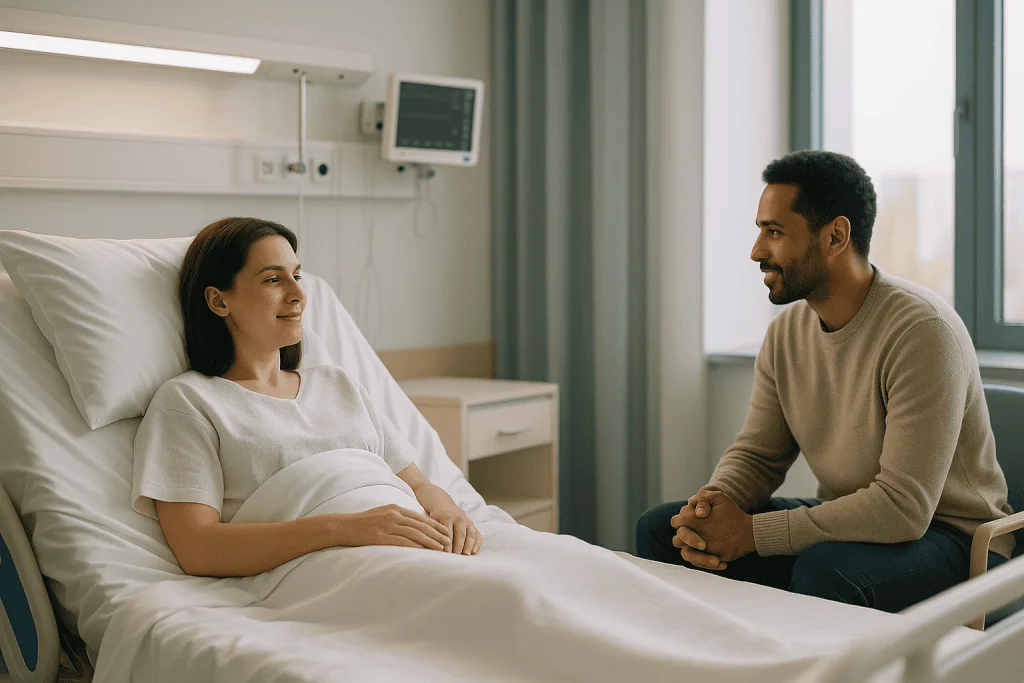
Plan your departure around the follow-up decision, not the biopsy date. Pathology review can take several days, and complex samples sometimes need extra testing before your doctor can advise you. Keep your accommodation and return flight flexible, gather your documents in one folder, and confirm how the result will be discussed, in person or online, before you commit to a travel date.
The biopsy itself is over in a morning. The waiting is what fills the days afterwards, and if you are in a hotel room in an unfamiliar city, every extra night is a decision. Should you extend? Rebook the flight? Go home and wait there? This guide walks through those decisions in order.
Staying in Turkey for biopsy results is easier to manage when you treat the wait as a planned phase of your trip rather than an interruption to it. What follows covers realistic timelines, what to organise while you wait, how costs and cover work for visitors, and what to confirm before you fly home.
At a glance
- Best for: International patients who have had a biopsy in Turkey and are deciding how long to stay
- Main goal: Plan accommodation, communication and follow-up around the result, not around the procedure date
- Key practical point: Keep lodging and flights flexible until your doctor confirms the next step
- Support available: Interpreters, international patient coordination and help with appointment scheduling
- What to keep together: Passport, reports, imaging, medication list, insurance details and contact numbers
Why the wait deserves a plan of its own
If you are staying in Turkey for biopsy results, the single most useful shift in thinking is this: the milestone that matters is not the day your sample was taken, but the day your doctor has reviewed the report and told you what it means for your plan. Those two dates are rarely the same.
Biopsy samples go through a laboratory process that cannot be rushed without losing accuracy. Tissue must be fixed, processed, cut and stained before a pathologist examines it. Some samples then need additional stains, molecular tests or a second review, and some cases go to a multidisciplinary meeting before a recommendation is made. None of this means something is wrong: it means the interpretation is being done properly.
For you, the wait is also logistical. It touches your hotel booking, your return flight, your budget, your work arrangements and the plans of anyone travelling with you. A short, honest plan, flexible bookings, documents in order, communication channels confirmed, turns an open-ended wait into a manageable one. Our guide to waiting for test results in Turkey covers the general planning principles; this page focuses on the biopsy-specific questions.
How long you may need to stay
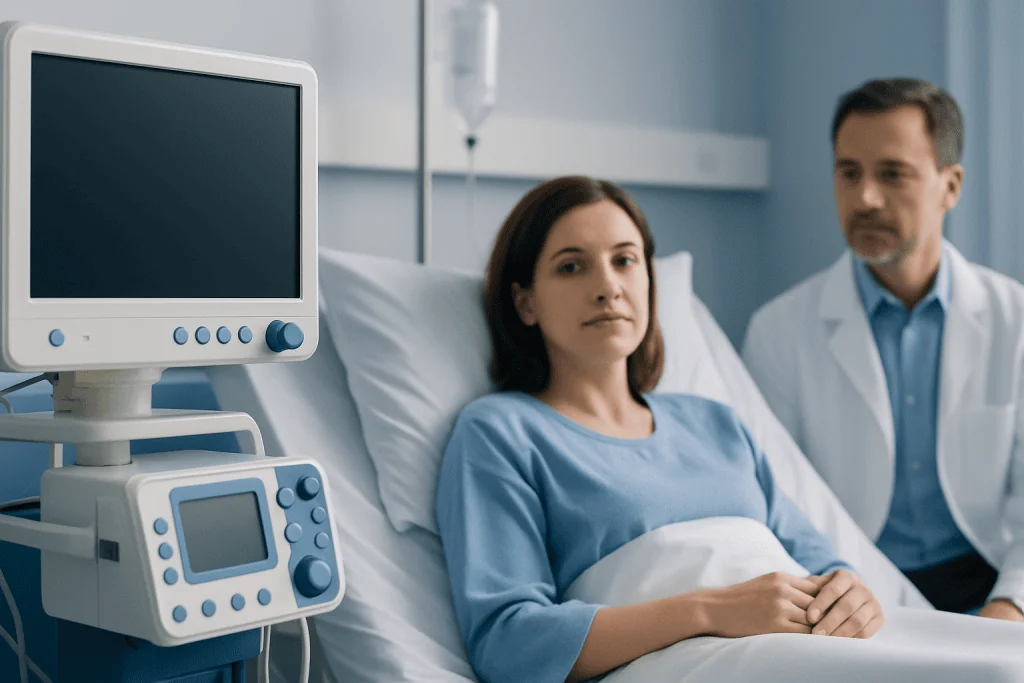
There is no single timeline that fits every biopsy. How long you wait depends on the type of tissue, how much of it was taken, whether special techniques are needed, and whether your case will be discussed by a wider specialist team before anything is recommended. A straightforward skin sample and a bone marrow sample sit at very different ends of that range, and only your own care team can give you a realistic estimate for your case.
Because of that variability, the practical rule is simple: do not lock in non-changeable travel arrangements before you know the reporting timeline. Even when the report arrives on schedule, you may still need a face-to-face consultation, extra imaging or blood tests before your doctor is happy for you to travel. One or two buffer days in your itinerary usually absorb this comfortably.
Before you plan your departure, ask your care team three things:
- When is the result expected, as a date range, not a single day?
- Does your doctor want to see you in person once the report is ready?
- If you leave first, can the discussion happen remotely, and how would that be arranged?
The answers give you a far more reliable planning basis than any general estimate, including the ones on this page.
What actually happens to your sample
Understanding the laboratory process makes the waiting time feel less arbitrary. After collection, your tissue is preserved in a fixative, embedded in wax, sliced into extremely thin sections and stained so that cell structures become visible under a microscope. A pathologist, a doctor who specialises in diagnosing disease from tissue, then examines the slides and writes a report.
Several things can lengthen this process legitimately. The pathologist may order additional stains to characterise the cells more precisely. Some findings call for immunohistochemistry or molecular tests, which take extra days. Difficult cases may be shown to a second pathologist. And in many hospitals, results that could lead to significant treatment decisions are discussed at a multidisciplinary meeting that brings pathology, radiology, surgery and other specialties together before anything is recommended to the patient.
A longer wait, in other words, is not a coded message about your diagnosis. It usually reflects the complexity of the analysis, not the seriousness of the finding. For a fuller picture of how reporting works, see our guide to biopsy and pathology results in Turkey.
What to organise while you wait
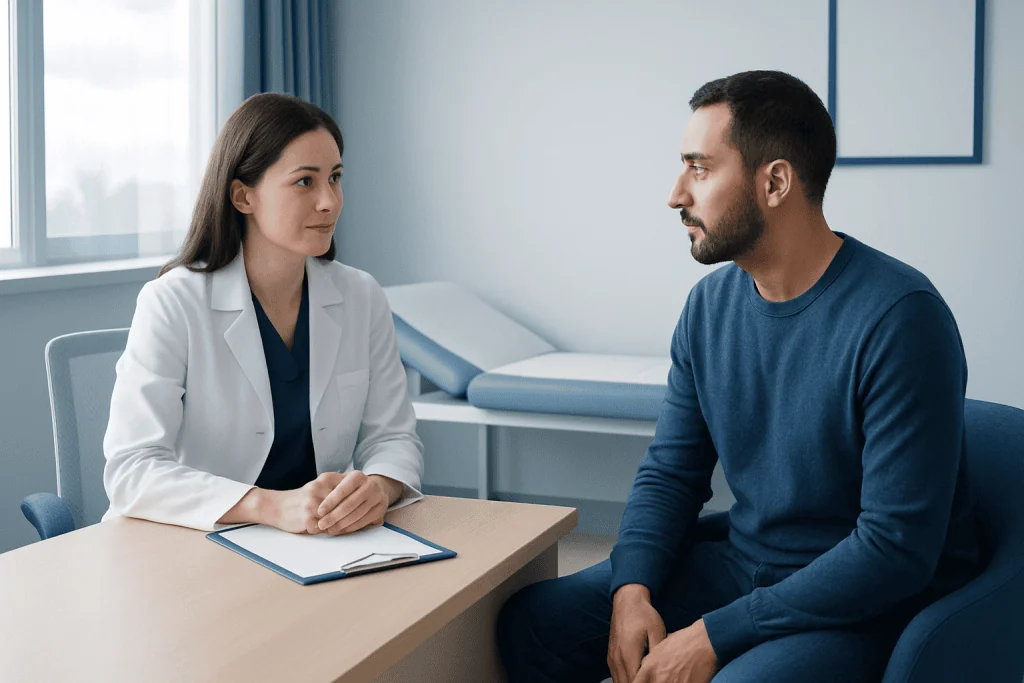
Use the waiting days for practical tasks that make any next step easier. Gather your passport, hospital registration details, pathology request papers, imaging discs or download links, medication list, allergy information and insurance documents into one folder, paper and digital. If your plans change quickly later, having everything in one place saves real time.
Think about where you are staying. Accommodation within easy reach of the hospital, with reliable internet and a quiet space for phone calls or a video consultation, is worth more during this period than a scenic location an hour away. If you are travelling with a companion, make sure they know the expected result window and have the contact details for the international patient desk and interpreter service, so that communication does not depend on you alone.
At Acibadem International, international patient services can help coordinate appointments, arrange language support and give practical guidance on transport and accommodation. Even when the medical next step is still unknown, knowing who handles the logistics makes the waiting period considerably calmer.
Two smaller points that patients often overlook: keep your phone charged and reachable on the numbers the hospital holds for you, and check that the hospital has an email address you actually monitor. Reports and appointment confirmations are only useful if they reach you.
Is it safe to have a biopsy and treatment in Turkey?
Many readers arrive at this guide asking a broader question: is it safe to travel to Turkey for medical procedures at all? The honest answer is that safety is never a property of a country. It depends on the specific hospital, the qualifications of the team treating you, and how well your care is planned and followed up.
Turkey has a large, well-established private hospital sector that treats substantial numbers of international patients, and major hospital groups operate modern pathology laboratories and diagnostic facilities. That said, the sensible checks are the same as they would be anywhere: confirm that the hospital is licensed, ask who will perform and interpret your biopsy, ask how complications would be handled, and make sure you understand the follow-up plan before you agree to anything. A biopsy is generally a low-risk procedure, but every procedure carries some risk, and a trustworthy team will discuss that with you plainly rather than wave it away.
One factor specific to travel is continuity. A biopsy done abroad only serves you well if the report, images and recommendations travel home with you in a form your local doctor can use. Build that requirement into your planning from the start.
Money and cover: how costs work for visitors
This guide deliberately quotes no figures, because no figure would be honest for every case. What you can usefully understand is the structure. The cost of a biopsy, or of a full health check, which many visitors combine with other appointments, depends on the type of procedure, whether sedation or anaesthesia is involved, the imaging used to guide it, the extent of the pathology work-up, and any consultations bundled around it. Hospitals provide itemised quotes on request, and it is entirely reasonable to ask what a quote includes and what would trigger additional charges before you commit. If you have already accepted a quote, our guide on planning steps after accepting a treatment quote explains what usually happens next.
On the question of free healthcare: tourists are not covered by Turkey’s public health insurance system, which serves residents enrolled in it. As a visitor, you pay for planned private care yourself or through insurance. Emergency departments will treat genuine emergencies, but that is emergency stabilisation, not free ongoing care. Travel insurance policies commonly cover unexpected illness abroad while excluding treatment you travelled specifically to receive, read your policy carefully, and if an insurer is involved in your care, tell them early and keep every invoice and report.
Preparing for more than one outcome
Most patients staying in Turkey for biopsy results feel steadier once they have thought through the realistic scenarios rather than circling around one feared outcome. Broadly, a result leads to one of three paths: no further action is needed for now, further testing is recommended, or a specialist discussion about treatment should happen promptly. Preparing for all three is not pessimism: it is what lets you decide quickly instead of scrambling.
For each path, note what you would need. If you can go home, ask how the written report will reach you and whether a summary can be issued in English for your local physician. If more tests are recommended, ask whether they can be done during the same stay or whether a separate trip makes more sense. If treatment is discussed, ask how time-sensitive it is, whether a multidisciplinary review will happen first, and roughly how long you would need to remain in Turkey before it could begin.
This is also the moment to warn the people who depend on your return date. A short message to your employer, school, insurer or family, “my return may shift by a few days depending on results”, prevents larger problems later. If plans do shift, our guide on rebooking and extra nights when travel plans change covers the mechanics.
Questions to ask at the result appointment
When the result is finally discussed, emotion competes with memory. Written questions, and ideally a companion or interpreter in the room, protect you from leaving with half the picture. Ask your doctor to explain the finding in plain language, what it means for your situation now, and whether anything needs to happen immediately or can safely wait until you are home.
- What exactly does the biopsy show?
- Are more tests needed before a final plan can be made?
- Is any recommended treatment urgent, soon, or elective?
- Am I safe to fly now, and are there any activity restrictions?
- Which documents should I take home, and in what language?
- Who should I ask if questions come up after I leave?
Ask for copies of the pathology report, imaging and laboratory reports, discharge notes and any medication instructions from your treating doctor. If treatment is proposed, ask what its aim is, what timeline is recommended, and whether stages of it could reasonably happen in your home country instead. Hospitals within Acibadem use multidisciplinary specialist teams for many complex cases, bringing pathology, imaging, surgery, oncology and other expertise together, which matters to you because it means the plan you hear reflects more than one opinion, and you avoid booking travel before all the key views are in. Our guide to understanding medical test results in Turkey goes deeper on reading and using your reports.
Looking after yourself during the wait
Waiting is tiring even when you feel physically well. Keep the days simple: rest, eat regularly, stay hydrated, and resist filling the gap with ambitious excursions far from the hospital until your follow-up appointment is confirmed. If your biopsy involved sedation or left a wound, follow the activity and wound-care instructions your doctor gave you.
Emotionally, routines beat vigilance. Rather than watching the phone all day, set fixed times to check messages, and make sure the hospital holds correct local and international numbers for you and your companion. If you do not speak Turkish, confirm in advance that interpretation is arranged for the result discussion: that conversation is not one to navigate through a translation app.
It is normal for this period to feel heavier than the procedure itself. International patient teams are accustomed to supporting people through exactly this stretch of uncertainty, language barriers included, and knowing when the next update is due is often the single most calming piece of information you can have.
Before you decide to fly home
Do not base your departure on whether the biopsy is finished. Base it on whether your doctor has reviewed the result and clearly stated what should happen next. In many cases, going home with a written follow-up plan is entirely reasonable. In others, staying a few extra days lets you complete tests or begin planning without an avoidable second trip.
Before leaving Turkey, confirm how any pending documents will reach you, who will answer questions after you return, and whether your next appointment will be in person or online. Ask your doctor about medication instructions, warning signs that would warrant urgent medical attention locally, and any restrictions on flying, physical activity or wound care. If another hospital may need to review your case, ask how pathology slides or blocks can be transferred: this is routine, but it works far better when arranged before you leave than requested from abroad.
Finally, check the paperwork: digital copies of all reports, invoices and insurance documentation, and the contact details for your doctor or coordinator. If your result review will happen after you are home, our guide to remote results review after returning home explains how to time that check-in.
Step by step
- Ask for the expected result timeline before discharge. Get a date range, not a single day, and ask whether extra pathology work could extend it. Confirm whether your doctor prefers to discuss the result in person, by phone or online.
- Keep travel plans flexible. Choose accommodation and flights that can be changed without heavy penalties, and build one or two buffer days into your itinerary for a follow-up consultation or additional tests.
- Organise your documents in one place. Passport, registration details, pathology request papers, reports, medication list, insurance papers, one folder, with digital copies saved on your phone and email.
- Stay reachable. Confirm the hospital holds your current phone number, messaging details, email address and your companion’s contacts. Arrange interpreter support for the result discussion in advance if you need it.
- Write your questions before the appointment. What does the result show, are more tests needed, how urgent is any treatment, and can you travel safely? Written questions keep the conversation on decisions, not just emotions.
- Plan for more than one outcome. Sketch what you would do if told to go home, stay for more tests, or remain for treatment planning. A simple fallback for each scenario removes most of the last-minute stress.
- Do not leave until follow-up is clearly arranged. Confirm how final reports will reach you, who your ongoing contact is, and what warning signs your doctor wants you to act on. If further care is recommended, get its timing and location in writing.
Your checklist
- Passport and visa documents kept accessible
- Flexible hotel and return flight terms checked
- Hospital reports, imaging and test paperwork collected
- Medication list, allergies and regular prescriptions noted
- Doctor, coordinator and interpreter contact details saved
- Questions for the result appointment written down
- Insurance or payment paperwork organised
- Companion or family updated on the possible timeline
- Local transport plan to and from the hospital arranged
Key takeaways
- Pathology review takes time, and complex samples legitimately take longer: a slower report is not a hidden message about your diagnosis.
- Flexible accommodation and flights make staying in Turkey for biopsy results far less stressful than fixed bookings.
- Tourists pay for planned private care in Turkey; check your travel insurance terms early and keep every document.
- Prepare for three outcomes, go home, more tests, or treatment planning, so any result leads to a decision, not a scramble.
- Leave only when follow-up is arranged: reports in hand or in transit, a named contact, and clear travel and wound-care advice from your doctor.
Frequently asked questions
How long should I stay in Turkey after a biopsy?
It depends on the tissue type, the pathology work required and whether your doctor wants to see you in person once the report is ready. Rather than fixing a departure date at the time of the procedure, ask for an expected result range and keep your bookings flexible until the follow-up plan is confirmed.
Can I fly home before my biopsy result is ready?
Sometimes, yes, but only if your doctor confirms it is medically appropriate and there is a clear plan for how you will receive the result and what happens next. Before leaving, confirm who will contact you, through which channel, and whether a remote consultation can replace an in-person review.
Is it safe to go to Turkey for medical procedures?
Safety depends on the individual hospital and team, not the country. Turkey has a large, established private hospital sector treating many international patients. The sensible checks are universal: confirm the hospital is licensed, ask who performs and interprets your procedure, ask how complications would be managed, and make sure follow-up is planned before you agree to treatment.
How much does a full health check or biopsy cost in Turkey?
There is no single figure, and any page quoting one is simplifying. Costs depend on the procedure type, anaesthesia or sedation, imaging guidance, the extent of the pathology work-up and which consultations are included. Hospitals provide itemised quotes on request; ask what a quote covers and what could add to it before committing.
Do tourists get free healthcare in Turkey?
No. Turkey’s public health insurance covers enrolled residents, not visitors. Tourists pay for planned private care directly or through insurance. Emergency departments treat genuine emergencies, but that is stabilisation rather than free ongoing care. Travel insurance often covers unexpected illness abroad while excluding treatment you travelled specifically to receive, check your policy’s terms early.
Should I book a non-refundable return flight?
Avoid it if you can. Even when the pathology report arrives on time, you may still need a consultation, extra imaging or blood tests before your doctor advises travel. Flexible fares or changeable bookings usually cost less than rebooking a fixed flight under time pressure.
What documents should I collect before leaving Turkey?
Aim to leave with the pathology report when available, a discharge summary, imaging and laboratory reports, medication instructions and contact details for follow-up questions. If anything is still pending, ask how and when it will be sent, in what language, and whether a summary can be prepared for your doctor at home.
Can someone help me if I do not speak Turkish?
Yes. Hospitals that treat international patients routinely arrange interpreter support for consultations and result discussions. At Acibadem, international patient services also assist with appointment coordination and practical guidance during your stay, confirm interpretation for the result appointment in advance so nothing important is lost in translation.
Add us as a Preferred Source to see more of our trusted health content across Google Search, AI Overviews and Discover.

Update history
- PublishedJuly 8, 2026
- Medical review approvedSeptember 13, 2026
- Last content updateSeptember 13, 2026
References2
- Biopsy: MedlinePlus, US National Library of Medicine medlineplus.gov
- Biopsy: NHS nhs.uk
More Patient Guides
When a Hospital Stay in Turkey Becomes Longer Than Planned: What to Arrange
If your hospital stay in Turkey is longer than planned, arrange medical updates, accommodation, travel changes, insurance and support for your companion.
Waiting for Test Results in Turkey: How to Use Time Between Appointments
Waiting for test results in Turkey is easier with a clear plan for appointments, rest, records, questions and support in Istanbul.
Unexpected ICU Stay in Turkey: What Patients and Families Should Expect
Unexpected ICU stay in Turkey: learn what patients and families can expect, from communication and visiting to care updates and travel support.

How to Manage Special Diets During Medical Travel in Turkey
Special diets during medical travel in Turkey are easier to manage when you share your needs early, confirm meals and carry safe…