

Treatment in Turkey vs Home Country: Key Differences for Patients

The medicine itself is usually similar; the organisation around it is not. Treatment in Turkey is typically arranged as one planned trip, review, tests, treatment and early follow-up in a compressed timeline, while care at home is often spread across referrals and waiting periods. The trade-offs are recovery away from home, travel logistics and the need to plan follow-up before you fly.
Should you travel for treatment, or stay and wait for an appointment at home? If you are weighing that decision, your real questions are probably practical: how long the wait is at home, how quickly a specialist can see you in Turkey, what recovering in a hotel actually feels like, and who reviews you once you are back.
This guide compares treatment in Turkey vs home country care step by step, evaluation, travel planning, the hospital experience, recovery, follow-up, cost structure and risk. It will not tell you which choice is right for you. It will tell you what genuinely differs between the two pathways, and where the differences are smaller than marketing suggests.
At a glance
- Procedure type: Varies by diagnosis and treatment plan; this guide compares pathways, not one procedure
- Purpose: To help you compare treatment in Turkey with the same care in your home country, logistics, timing, recovery and follow-up
- Anaesthesia: Depends on the treatment; local, sedation, regional or general anaesthesia may be used in either country
- Hospital stay: From same-day discharge to several inpatient days, depending on the procedure
- Estimated recovery: Varies widely by treatment and your health; travelling patients need extra buffer days
- Return to daily life: Days to weeks, set by your treating doctor, not by your flight booking
- Final result timeline: Some results are immediate; surgical and functional outcomes often mature over weeks or months
- Suitable department: The specialty relevant to your diagnosis, with multidisciplinary input where needed
- International patient support: Interpreters, transfer coordination, accommodation guidance and remote follow-up communication
Treatment in Turkey vs home country: what actually differs
Start with what does not differ. A hip replacement, a dental implant, a cardiac procedure or a hair transplant follows the same medical logic wherever it is done: accurate diagnosis, careful planning, informed consent, appropriate anaesthesia, safety checks and monitored recovery. When people compare treatment in Turkey vs home country options, they are rarely comparing two different medical procedures. They are comparing two different ways of organising the same one.
At home, care is usually delivered through referrals: a general practitioner, a specialist appointment, imaging at one site, surgery at another, spread over weeks or months depending on your health system. In Turkey, international patients typically compress that sequence into a planned trip, records reviewed remotely first, then consultation, testing, treatment and an early follow-up check within one stay, coordinated through a single point of contact.
That compression is the core advantage and the core constraint. It can shorten the path to treatment considerably. It also means you recover, at least initially, away from your own home, your own doctor and your own health system, and that part has to be planned as seriously as the procedure itself.
When is this comparison worth making?
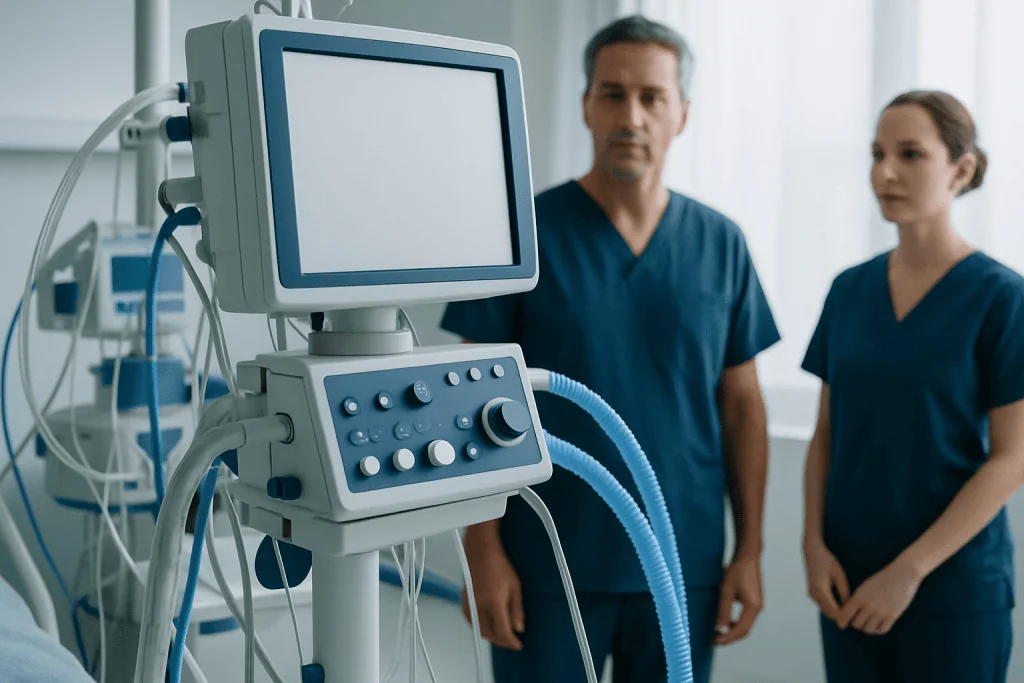
Comparing the two pathways properly makes sense when you are actively considering medical travel, not just browsing. Typical situations include long waiting times that are affecting your quality of life, a treatment that is hard to access locally, a wish for a second specialist opinion before committing, or care that requires several coordinated steps: imaging, laboratory tests, specialist consultations, surgery and short-term postoperative review. An integrated hospital system can make that kind of multi-step plan simpler to run in one place.
The comparison is also worth making when your open questions are practical rather than medical: how long you would need to stay in Turkey, whether a companion should travel with you, how language support works during consent discussions, and when flying home would be reasonable. These questions belong at the start of planning, not the end, because their answers shape flights, leave from work and who comes with you.
Some treatments differ more by country than others. Dental work, elective surgery and hair restoration have well-established international pathways; complex, staged or long-term care leans more heavily on local follow-up.
Who travels well for treatment, and who does not

Patients who manage medical travel well tend to share a profile: medically stable enough to fly, able to gather and share complete records in advance, realistic about recovery time, and willing to follow pre- and post-treatment instructions closely. Being organised matters more than people expect. The compressed timeline in Turkey rewards patients who arrive with everything the team needs and enough flexibility in their schedule to absorb changes.
Travelling for treatment suits you less well if you are medically unstable, need emergency care, have a condition that demands prolonged local follow-up, or are unlikely to be fit to travel safely after the procedure. Some patients also simply prefer treatment close to home, family support, a familiar health system and existing insurance arrangements are legitimate reasons, not failures of nerve.
Suitability is not something you can settle from a website, including this one. It is decided by a physician who has seen your records and, ultimately, examined you. A remote review can only ever be preliminary.
How the treatment pathways differ in practice
Your treatment options are set by your diagnosis, not your destination. In both Turkey and your home country, the plan may involve non-surgical management, day-case procedures, minimally invasive intervention or major surgery. What differs is how quickly options can be assessed and scheduled, whether multidisciplinary opinions sit under one roof, and how much of the pathway fits into a single trip.
Doctors in either country may also discuss alternatives that reduce travel burden altogether, medication, rehabilitation, monitoring or local testing before committing to an overseas procedure. A hospital that recommends waiting, or staying home, is giving you useful information about how it makes decisions.
- Local treatment in your home country, with familiar follow-up
- A second opinion before deciding where to proceed
- Single-trip treatment in Turkey with a planned recovery period before flying
- Staged care: evaluation and treatment in Turkey, some follow-up at home
- Multidisciplinary treatment in one connected system for complex conditions
Online evaluation before travel
Before any travel is booked, your case is normally reviewed remotely. Useful material includes your diagnosis, symptom history, medication list, previous procedure notes, laboratory results, scans, pathology reports and photographs where relevant. From this, the medical team can give a preliminary view: whether treatment in Turkey looks appropriate, which specialist should see you, what additional tests are likely on arrival, and roughly how long you would need to stay.
Treat this stage as what it is, preliminary. A remote opinion based on records is not a confirmed plan. The final plan is set only after in-person examination and any necessary tests in the hospital, and it can differ from the remote assessment. Patients who understand this from the start handle changes far better than those who booked flights around a plan they treated as fixed.
This is also the right stage to raise the unglamorous questions: companions, mobility needs, dietary requirements, and what happens to the schedule if a test result changes the picture.
Before the treatment
Preparation in Turkey is often more concentrated than at home. Specialist review, blood tests, imaging, anaesthesia assessment and consent discussions may all happen within a few days of arrival rather than across separate appointments over weeks. That efficiency depends on you: travel with all relevant records, and leave slack in your schedule for the plan to be adjusted. Our guide to pre-op tests in Turkey explains what is commonly checked and why.
Chronic conditions such as diabetes or high blood pressure, blood thinners, pacemakers, implanted devices, allergies and any previous anaesthesia problems must be disclosed early: they affect both safety and timing. Any adjustment to your medicines before treatment is a decision for your treating doctors, made after they have seen your full history; it is never something to change on your own initiative or on the basis of general advice.
Practical preparation matters too: passport, reports, imaging files or discs, a written prescription list, and contact details for your regular doctors at home. If the procedure will limit your mobility afterwards, plan a companion, accommodation near the hospital and transport that will not strain early recovery.
What happens during the treatment
The treatment itself depends entirely on the procedure, from a few outpatient hours to surgery with anaesthesia, operating theatre care and inpatient monitoring. The clinical fundamentals are the same in Turkey as at home. The visible difference for international patients is usually coordination: a dedicated team moving you through consultation, testing, admission, treatment and early review, with interpreters present for the conversations that matter, including consent. Understanding what you sign is not optional; our guide to medical consent forms in Turkey covers this in detail.
Expect to meet your treating doctor in person, review the benefits and limits of the treatment, discuss risks and confirm the plan before anything proceeds. If in-person assessment reveals something new, the team may modify the approach or delay the procedure for safety. That can be frustrating when you have flown in for it, but a plan that never changes regardless of findings would be the greater warning sign.
Hospital stay and discharge
Length of stay is driven by the procedure, your age and general health, and how you recover from anaesthesia or surgery. Many minor procedures are day cases; larger operations need inpatient monitoring, pain control, wound care and a mobility check before discharge.
Discharge deserves more attention abroad than at home, because you are leaving hospital for a hotel room, not your own house and your own GP. Before you leave the ward, you should hold written instructions on medications, dressings, showering, activity limits, diet, the warning signs specific to your procedure, and your next review appointment, plus reports, prescriptions and a summary your home doctor can actually use. If you have drains, stitches, compression garments or mobility aids, confirm exactly how long each is needed and who removes or reviews them.
Recovery timeline
Recovery abroad is shaped by two things: the procedure, and the fact that part of your healing happens away from home. Some patients walk and eat comfortably the same day; others need several days before hotel recovery is realistic, and longer before flying is sensible. The timing of your return flight is a medical question, not a booking questionwhen it is safe to fly home after surgery in Turkey depends on the operation and your individual progress.
| Timeframe | What to expect |
|---|---|
| First 24 hours | Monitoring, rest, early pain and symptom control, review by the care team. Some patients return to accommodation the same day; others stay in hospital. |
| First week | Swelling, tiredness and mild discomfort are common after many procedures. Medications, wound care, hydration and a follow-up check before travel clearance. |
| Weeks 2–4 | Gradual return to routine daily activities for many treatments. Restrictions on exercise, heavy lifting, driving or long-distance travel may still apply. |
| Months 1–3 | Recovery stabilises for many treatments, with improving energy and function. Some procedures still require protection, rehabilitation or check-ins. |
| Final result | Depends on the treatment. Some results are assessed quickly; surgical and functional outcomes often continue to mature over weeks or months. |
Your own timeline may differ from this outline in either direction. Follow the advice of your treating team, particularly on travel, work, exercise, bathing and driving, rather than a general table.
What to avoid after treatment
The list is unexciting and important: smoking, alcohol, dehydration, deviating from medication instructions, heavy lifting, intense exercise, swimming, long periods of immobility, and returning to work too early. The exact restrictions depend on your procedure, your anaesthesia and how early recovery is going.
For travelling patients, add two more. Do not book the return trip tightly around the procedure date: you may need extra days for review, dressing changes or travel clearance, and a rigid itinerary turns a normal delay into a crisis. And do not benchmark your recovery against other patients online. Two people with the same operation can heal at very different speeds because of age, health conditions, anatomy and healing response. When something is unclear, the answer comes from your care team, not a forum.
Risks: medical and practical
Every medical treatment carries risk, in Turkey and in your home country alike. The specific risks depend on the diagnosis, the procedure, the anaesthesia, your age and health, and your medical history. Common concerns across most procedures include pain, swelling, bleeding, infection, delayed healing, medication side effects, anaesthesia-related issues, and the possibility of needing further testing or treatment.
Medical travel adds a practical layer on top: flying too soon after treatment, underestimating the stay needed, travelling without adequate cover, or returning home without a clear follow-up plan. A procedure can go well medically and still become stressful if the logistics around it were built on best-case assumptions. Checking your policy carefully, most standard holiday policies exclude planned treatment, is covered in our guide to travel insurance for treatment in Turkey.
Planning reduces risk but does not remove it. Accurate medical disclosure, following pre-treatment instructions, allowing generous time in Turkey and choosing a hospital with genuine specialist depth all help. Even then, complications can happen anywhere. Approach the decision with realistic expectations, not certainty.
Results and expectations
Results are determined mainly by the condition, the treatment and your body’s healing response, not by the country the treatment happened in. Some treatments give quick, visible outcomes; others are part of a longer process involving rehabilitation, medication adjustment or monitoring over time.
Separate convenience from outcome. Faster scheduling and smoother coordination genuinely improve the experience of care, but no hospital, in any country, can promise a particular result. Some patients recover quickly and are very satisfied; others need longer healing, additional treatment or staged care. Honest consultations describe a realistic range of outcomes and the limits of what a procedure can achieve, and a provider willing to state those limits plainly is telling you something useful about itself.
Hair transplants and other high-volume comparisons
Much of the treatment in Turkey vs home country debate online is really a debate about hair transplants, so it is worth addressing directly. Is a transplant in Turkey better than one in the US or UK? The honest answer: the country does not determine quality: the team does. Turkey performs a very large volume of hair restoration procedures, which builds deep procedural experience in good clinics; the US, UK and other countries have excellent surgeons working at lower volume and typically higher unit cost. Poor work exists in every country. What matters is who plans your case, who performs which parts of the procedure, how graft numbers are decided, and what follow-up looks like.
The same logic applies to the perennial question of the “best country” for medical treatment. There isn’t one. There are strong and weak providers in every system, and the right choice depends on your diagnosis, your travel fitness, your follow-up needs and your circumstances. For a detailed treatment-specific comparison, see our guide on hair transplants in Turkey vs your home country.
International patient travel planning
Travel planning should begin only after a preliminary medical review, because the review determines everything else: likely length of stay, whether a companion is recommended, how mobile you will be afterwards, and the earliest realistic return date. Flexible or changeable tickets are usually worth their premium, since final travel clearance depends on your recovery, not your itinerary.
Think beyond flights. You may need airport transfers, accommodation close to the hospital, wheelchair assistance, interpretation support, or a room that is manageable during early recovery, think lifts, not stairs. If your procedure affects movement, breathing comfort or energy, staying near the hospital for early follow-up beats commuting across a large city.
Check the administrative layer yourself: visa requirements for your nationality, your travel insurance terms, fit-to-fly considerations, and your airline’s rules on recent surgery. Government travel advice pages for Turkey are worth reading before any medical trip, exactly as they would be for a holiday.
Cost: how quotes are built, at home and in Turkey
Cost is usually part of the decision. It should never be the whole decision, and it can only be compared properly if you understand how quotes are constructed. The total depends on the diagnosis, the complexity of the treatment, the hospital setting, the specialist team, the anaesthesia type, additional tests, length of stay and the aftercare required. If the plan changes after in-person evaluation, the figure can change with it, ask in advance how that is handled.
Packages can make international care easier to organise, but read the inclusions line by line. Typical inclusions: the planned procedure, hospital stay within the expected duration, standard nursing care, theatre use where relevant, routine preoperative tests and scheduled early follow-up. Frequent exclusions: flights, visas, accommodation outside hospital, companion expenses, extended stays due to slower recovery, tests added after in-person assessment, unrelated medical issues, special implants or materials, intensive care, and treatment of complications.
Then add the costs no quote mentions, time off work, a companion’s expenses, currency movement, the buffer days. Our guide on how to compare surgery quotes from Turkey and your home country takes this apart line by line.
Why choose Acibadem
If coordination is the real difference between the two pathways, then the question to ask any provider, including us, is how well care is organised from first inquiry to follow-up after you return. Acibadem supports international patients with structured communication, document collection for medical review, appointment coordination and practical help with travel-related details, which matters most when several specialties are involved in one case.
Because Acibadem is a large hospital group, consultations, imaging, laboratory work, surgery, anaesthesia assessment and postoperative review can often be organised within one connected system rather than across separate facilities. Interpreters, transfer coordination, accommodation guidance and remote follow-up communication sit around the medical care.
The most important reason to choose any provider, here or at home, remains the same: medical suitability, transparent communication and a treatment plan that fits your case, not price, and not speed.
Medical review and disclaimer
This guide has been medically reviewed by the Acibadem International medical team. It provides general information about comparing treatment in Turkey with treatment in your home country, including planning, logistics, recovery and follow-up considerations.
It does not replace a personal consultation, diagnosis or treatment recommendation from a qualified physician. Every patient is different, and the right option depends on your medical history, examination findings, test results, travel fitness and treatment goals. A final treatment plan, its risks, its timing and its travel advice can only be determined after appropriate medical review and, where necessary, in-person assessment.
Step by step
- Initial contact. The process begins when you get in touch with an international patient team and describe the treatment or opinion you are seeking.
- Medical record / photo submission. You share relevant reports, imaging, test results, medication details and photos where useful for preliminary review.
- Preliminary medical review. The appropriate specialist team assesses whether treatment in Turkey may be suitable based on your information.
- Treatment plan and quotation. You receive a preliminary plan, expected stay guidance and a personalised quotation based on the available information.
- Travel planning. You arrange flights, accommodation, visas if needed, and decide whether a companion should travel with you.
- Arrival. After arriving in Turkey, you are supported with transfers and practical orientation as needed.
- In-person consultation. You meet the specialist, review your history, discuss expectations and confirm whether the proposed treatment remains appropriate.
- Pre-operative tests. If needed, you complete blood tests, imaging, anaesthesia assessment or other evaluations before treatment.
- Treatment. Your procedure or therapy takes place according to the confirmed medical plan.
- Hospital stay. You recover under observation for the expected period, from same-day discharge to several inpatient days.
- First control. Your doctor checks early recovery, reviews results and updates instructions for medications, wound care, activity and travel.
- Discharge / travel clearance. You are discharged when medically appropriate and advised when travelling home is reasonable.
- Remote follow-up. After returning home, communication continues for report sharing, recovery questions and coordination with local doctors where needed.
Your checklist
- Valid passport
- Brief medical history and current diagnosis
- List of current medications and supplements
- Known allergies or previous reactions to medications or anaesthesia
- Details of previous surgeries or hospitalisations
- Description of your current symptoms and how long you have had them
- Relevant blood tests, imaging, pathology or specialist reports
- Imaging files or discs where applicable
- Photos if requested for preliminary review
- Contact details for your regular doctor or treating specialist at home
- Flexible or changeable return travel where possible
Key takeaways
- The medicine is usually comparable; the organisation, timeline and recovery setting are what differ between Turkey and home.
- Turkey typically compresses review, tests, treatment and early follow-up into one coordinated trip; home care spreads them over more visits.
- Your length of stay and return flight are set by your recovery, not your booking, build buffer days in.
- Compare full quotations, inclusions and exclusions, plus travel and companion costs, never headline figures alone.
- The safest decision rests on a personalised medical review, not on price, speed or destination.
Frequently asked questions
Is Turkey good for medical treatment?
Turkey has a large, established medical sector that treats many international patients, particularly in dentistry, elective surgery, hair restoration and multi-specialty hospital care. As anywhere, quality varies by provider. The useful question is not whether the country is good but whether a specific hospital and team are suitable for your specific case, something a preliminary medical review of your records can begin to answer.
Are hair transplants in Turkey better than in the US?
Neither country holds an automatic advantage. Turkey’s high procedure volume builds deep experience in good clinics; the US and UK have excellent surgeons working at lower volume and generally higher cost. Quality depends on who plans and performs your procedure, how graft numbers are decided and what follow-up looks like, not on the flag over the clinic.
What is the best country to get medical treatment?
There is no single best country. Strong and weak providers exist in every health system. The right destination depends on your diagnosis, your travel fitness, the follow-up your treatment will need and your personal circumstances. Compare specific hospitals and teams, not countries.
How much do 3,000 hair grafts cost in Turkey?
No honest fixed figure exists, because the price depends on the technique, the team, whether the graft number is confirmed at in-person examination, and what the quotation includes, theatre, medications, aftercare, accommodation and follow-up vary between providers. A meaningful figure comes from a personalised quotation after review of your case, compared line by line against a home-country quote for the same scope.
How long do I need to stay in Turkey?
It depends on the procedure, whether tests are needed after arrival, and how your early recovery progresses. Some treatments need only a short stay; others require more days for monitoring, postoperative review and travel clearance. The preliminary medical review gives an expected range, and the final answer follows your actual recovery.
Can the treatment plan change after I arrive?
Yes. A preliminary plan is based on the information available before travel. In-person examination and new test results can change the treatment type, add tests, delay the procedure or lead to a recommendation that a different option is safer. Flexible travel arrangements make these adjustments far easier to absorb.
Should I travel alone or with a companion?
It depends on the treatment and expected recovery. Some patients manage minor outpatient care independently. For surgery, sedation, reduced mobility or simply reassurance in an unfamiliar setting, a companion is often worthwhile, and their flights and accommodation belong in your budget from the start.
What if I need follow-up after I go back home?
Follow-up should be planned before treatment, not afterwards. Many international patients have an early postoperative review in Turkey, then continue follow-up remotely or with a local doctor at home, using the discharge summary, reports and prescriptions issued before departure. Knowing in advance who reviews you at home, and with what documents, is part of a complete treatment plan.
Add us as a Preferred Source to see more of our trusted health content across Google Search, AI Overviews and Discover.

Update history
- PublishedJune 22, 2026
- Medical review approvedSeptember 13, 2026
- Last content updateSeptember 12, 2026
References2
- CDC Travelers' Health: Medical Tourism wwwnc.cdc.gov
- GOV.UK: Foreign travel advice: Turkey gov.uk
More Patient Guides

HoLEP in Turkey: How It Compares With TURP and What Recovery Involves
HoLEP in Turkey treats enlarged prostate tissue with laser enucleation; learn how it compares with TURP, recovery, travel and follow-up.
Porcelain Veneers in Turkey: Who Is Suitable and How Many Visits Are Needed?
Porcelain veneers in Turkey can enhance tooth shape and colour in two visits for suitable patients after a personalised dental assessment.

How to Prepare for a Sedation Procedure in Turkey
Prepare safely for a sedation procedure in Turkey with guidance on fasting, medicines, travel, recovery and follow-up.

Treatment Delays in Turkey: What Happens If Tests or Recovery Change Your Schedule
Treatment delays in Turkey can happen if tests or recovery change your plan. Learn how to manage appointments, travel, accommodation and follow-up.