

Using Battery-Powered Medical Devices During Travel to Turkey
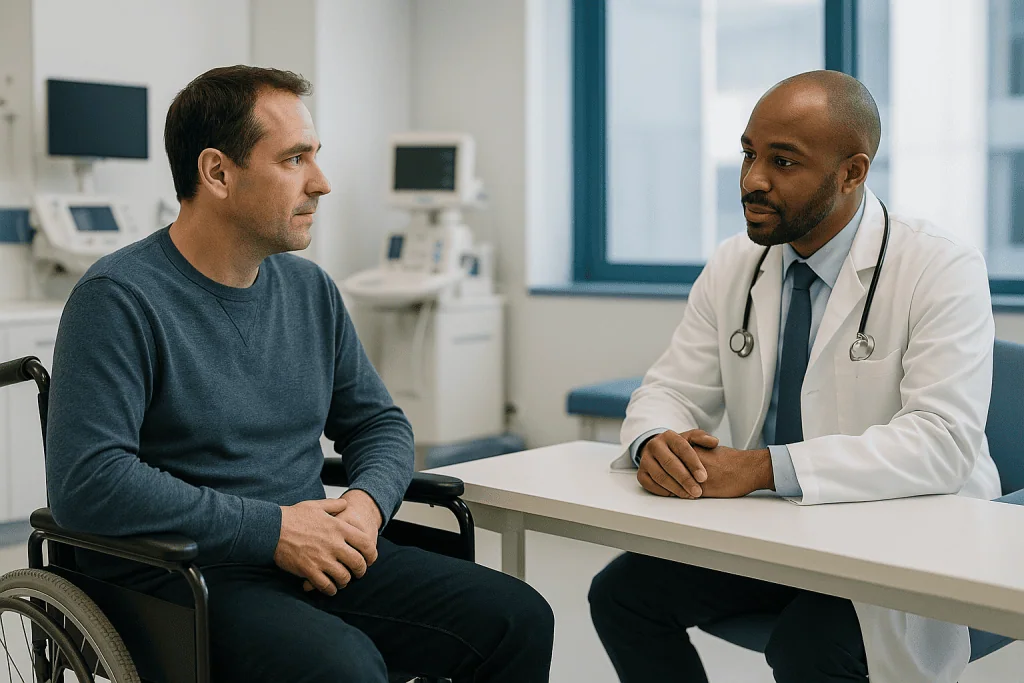
Yes, you can travel to Turkey with CPAP machines, portable oxygen concentrators, insulin pumps, powered wheelchairs and similar devices. Notify your airline early, carry written battery specifications and a doctor's letter, keep everything essential in your cabin bag, and bring adapters for Turkey's 230V, 50Hz, Type C and Type F sockets. Start preparing three to six weeks before departure, earlier for oxygen or powered mobility equipment.
Will the airline let you use your device on board? Will your charger survive a Turkish socket? If your day, or your night, depends on a battery-powered medical device, these are the questions that matter before anything else gets booked.
The honest answer is that using battery-powered medical devices during travel to Turkey works well when it is planned, and badly when it is improvised. Airlines have paperwork. Batteries have limits. Sockets have shapes. This guide walks you through each of those in order, so that the travel day is dull in the best possible way, and so you know exactly what to do if something goes wrong after you arrive.
At a glance
- When to start: 3–6 weeks before departure; earlier for portable oxygen concentrators or powered wheelchairs
- Documents to carry: Doctor’s travel letter, prescriptions, device manual or technical sheet, battery watt-hour details, airline approval
- Power in Turkey: 230V, 50Hz; Type C and Type F plugs are the common socket types
- Golden rule: Anything your safety depends on travels in the cabin with you, never in checked luggage
- Spare lithium batteries: Usually cabin baggage only, terminals protected, confirm your airline’s exact limits
- Support you can request: Airport assistance, wheelchair support, interpreter help and hospital coordination through Acibadem International
Why using battery-powered medical devices during travel to Turkey needs a real plan
When a device supports your breathing, mobility, medication delivery or monitoring, travel logistics stop being logistics and become part of your care. A CPAP left in a checked bag that misses a connection is not an inconvenience. A wheelchair battery refused at the gate because nobody can read its worn label is not bad luck. Both are preventable, and both happen to unprepared travellers every week.
The devices this guide covers include CPAP and BiPAP machines, portable oxygen concentrators, powered wheelchairs and mobility scooters, insulin pumps, continuous glucose monitors, neurostimulators, infusion pumps, suction devices, hearing devices and rechargeable communication aids. Each carries different rules for batteries, in-flight use, security screening and charging, which is why using battery-powered medical devices during travel to Turkey is not one problem to solve but four or five smaller ones, each with its own deadline.
Acibadem International supports many patients who arrive with medical equipment. If you are coming for treatment, share your device list with the international patient services team before travel. They can help coordinate interpreter support, appointment timing, accessible transfers and communication with your clinical team. What they cannot do is replace your airline paperwork or your spare batteries: those remain your job, and this guide shows you how to do it.
Speak with your doctor and device supplier before booking
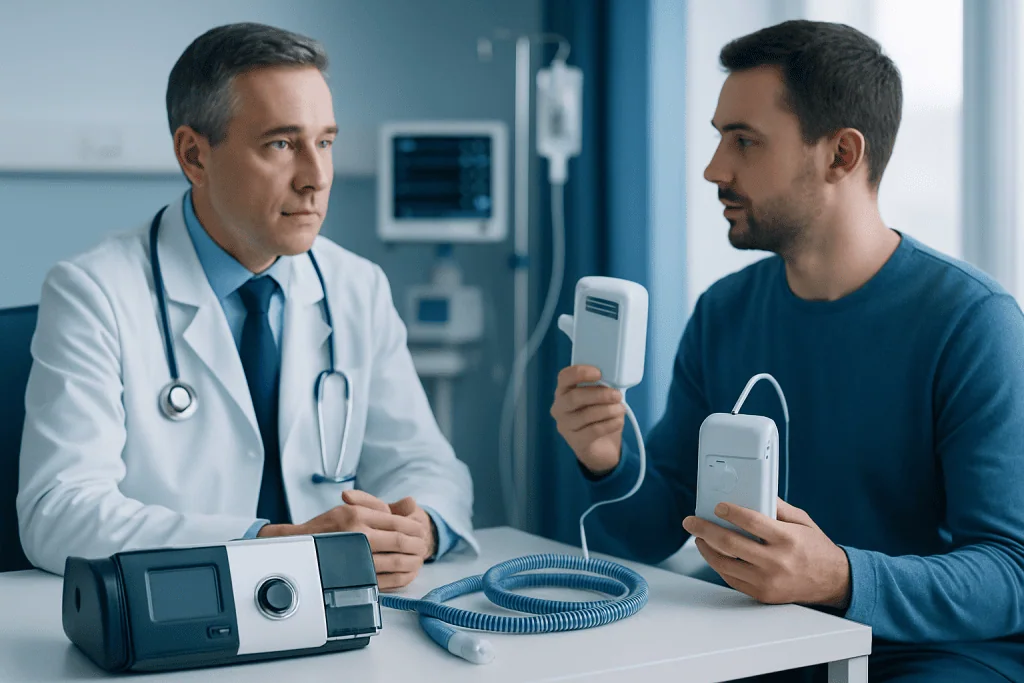
Before you confirm flights, ask your treating doctor two things: whether you are fit to fly, and whether anything about your device routine needs adjusting for a travel day that may last twelve hours or more. If you use oxygen, non-invasive ventilation, an infusion pump or any device that is essential overnight, this conversation is not optional. Your doctor can also tell you whether you should travel with a companion: a question better answered honestly at home than discovered at 35,000 feet.
Then contact your device supplier or manufacturer. Ask for five specific things: the battery type and chemistry, the watt-hour rating, whether the device is approved for in-flight use, whether it has an airplane mode, and whether consumables or spare parts for your model are available in Turkey. Get the answers in writing. A worn battery label is one of the most common reasons a device is questioned at check-in, and a printed specification sheet from the manufacturer settles the matter in seconds.
Prepare a one-page device summary in English: device name, model, serial number, what it does, battery details, charger voltage range, required accessories and the supplier’s contact number. If your medical documents are in another language, bring an English translation alongside the originals. For the full documentation picture, letters, prescriptions and customs paperwork, see our guide on how to bring medical devices for treatment travel to Turkey.
Airline approval, batteries and cabin rules
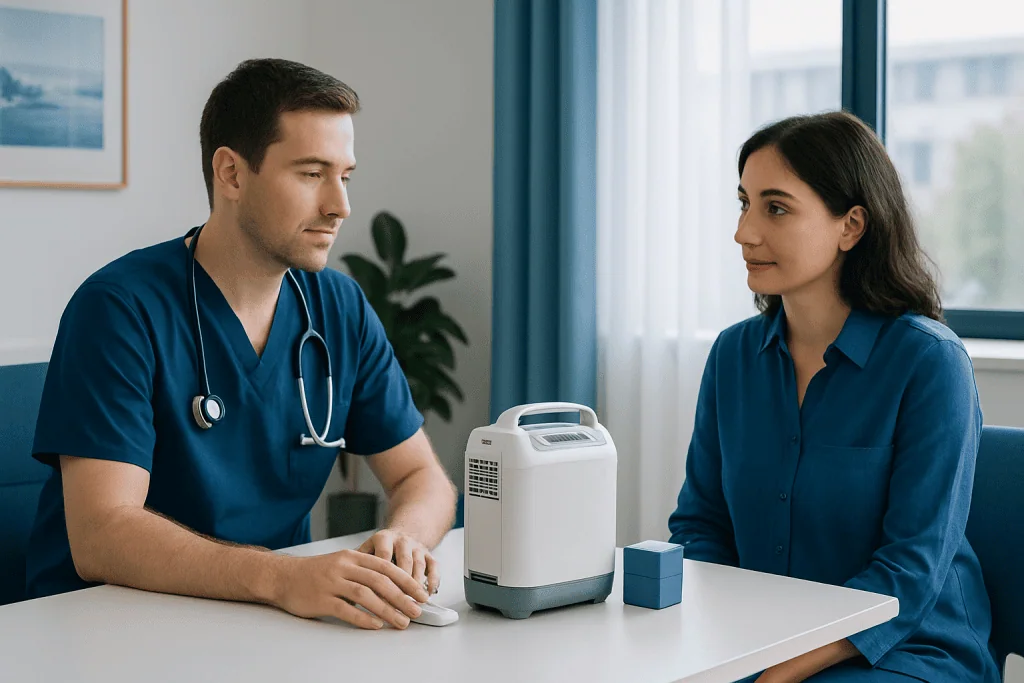
Airlines set their own rules for medical devices and batteries, and those rules vary by carrier, route and even aircraft type. Notify the airline when you book, or at the latest several weeks before departure. Never assume that a device accepted by one airline will be accepted by another: this is the assumption that strands people at connecting airports.
For lithium batteries, expect the airline to ask for the watt-hour rating, the battery chemistry, the number of spares you are carrying and whether the terminals are protected against short circuit. Spare lithium batteries almost always belong in cabin baggage, not checked luggage, with terminals taped or in original packaging, but the exact watt-hour thresholds and quantity limits depend on the airline and aviation safety rules, so confirm them for your specific carrier and route.
Devices you may need during the flight, a portable oxygen concentrator or a CPAP for a night flight, often require advance medical clearance. Some airlines ask for forms completed by your doctor, proof that your model is approved for in-flight use, and battery capacity covering the flight time plus a margin for delays. Many carriers expect significantly more battery time than the scheduled flight length; ask your airline for its exact requirement. If you rely on oxygen, read our dedicated guide to oxygen needs during medical travel to Turkey before you approach the airline, so you know which questions to ask.
Print everything. Email confirmations have a habit of being unreachable exactly when a gate agent wants to see them. Bring paper copies of airline approvals, medical clearance forms and battery specifications, and keep them in the same pouch as your passport.
Airport security, customs and arrival in Turkey
At security screening, tell the officer you are carrying medical devices and batteries before your bag goes through the scanner, not after a question is raised. Keep devices in a separate pouch or a dedicated section of your carry-on so you can present them without unpacking everything. If your device should not pass through X-ray, or if you cannot safely walk through a body scanner, carry a doctor’s letter that says so explicitly and ask for alternative screening. Screening staff handle these requests routinely; the letter simply makes it fast.
If you use an insulin pump, a continuous glucose sensor, a neurostimulator or any implanted device, ask both your treating team and the manufacturer for screening advice before you travel. Some devices tolerate standard screening; others need special handling. Do not disconnect or switch off a critical device at a checkpoint unless your medical team has told you how to do so safely.
On arrival in Turkey, keep your device list and medical documents within reach in case customs officers have questions. Most travellers with medical equipment pass through without any difficulty, but clear paperwork turns a possible twenty-minute conversation into a thirty-second one. If you booked wheelchair or mobility assistance, confirm it at your departure gate and again on landing so support is actually waiting at immigration, baggage claim and the arrivals meeting point.
Medicines that travel alongside your device
Many battery-powered devices travel with medicines, insulin with a pump, inhaled or injected medication with a nebuliser or infusion set. Turkey generally allows travellers to bring medicines for personal use, but controlled substances such as opioid painkillers, certain sedatives and some ADHD medications are regulated and may require documentation such as the original prescription and a doctor’s letter stating the diagnosis and dosage. Rules can change, so check current Turkish customs guidance or ask the nearest Turkish embassy before travel if any of your medicines fall into a controlled category.
Common over-the-counter medicines such as ibuprofen are not a problem in reasonable personal quantities, and equivalents are widely available in Turkish pharmacies if you run out. Keep all medicines in original packaging, carry prescriptions for anything prescription-only, and pack the full supply in your cabin bag alongside your device. Do not start, stop or change any medicine for travel convenience, if the trip raises a dosing or timing question, that decision belongs to your treating doctor.
Two related guides go deeper: keeping your regular medicines on schedule during medical travel covers time zones and dosing routines, and temperature-sensitive medicines during medical travel to Turkey covers insulin and other cold-chain items.
Charging, plug adapters and backup power in Turkey
Turkey uses 230V, 50Hz electricity with Type C and Type F plugs. Many modern medical chargers accept 100–240V and only need a plug adapter, but check the input range printed on the charger label rather than assuming. If your charger does not support 230V, ask your supplier whether you need a voltage converter suitable for medical equipment. An ordinary travel converter bought at an airport kiosk is not the right tool for a device your health depends on.
Bring at least two plug adapters if you charge nightly, and keep one in your carry-on. For essential devices, build a backup plan: extra approved batteries, a manufacturer-approved external battery, or a travel power option your supplier has confirmed is compatible. Avoid unapproved power accessories entirely: they can damage equipment or create genuine safety risks, and a damaged device abroad is far harder to fix than a heavier bag at home.
At your hotel, check the socket positions before your first night. If you use CPAP, BiPAP, oxygen or a pump overnight, ask for a room layout that lets the device sit near the bed without stretched cables, and keep leads out of walkways: a small precaution that matters more than usual after sedation, treatment or a long travel day. If you are staying near an Acibadem hospital, the international patient team can often communicate practical accommodation needs in advance, such as lift access, bedside power or a room that suits a mobility device. These arrangements complement your own equipment; they do not replace it.
If your device fails while you are in Turkey
Plan for this before it happens, because the right response depends entirely on what the device does. If a device that supports your breathing, oxygen supply or medication delivery stops working and you develop symptoms, breathlessness, chest tightness, confusion, or signs of dangerously high or low blood sugar, call your local emergency number or go to the nearest emergency department now. In Turkey, the emergency number is 112. Do not wait to reach a coordinator, a supplier helpline or anyone else first; a failing critical device with symptoms is an emergency, and the emergency system is the correct route.
For failures that are inconvenient rather than dangerous: a cracked mask, a charger that has stopped working, a wheelchair fault while you have a manual backup, start with the manufacturer or supplier contact details you packed, and your device manual. If you are an Acibadem patient, your patient coordinator can help you find local repair or replacement options during working hours. Reliable mobile data makes all of this easier; our guide to using eSIMs and mobile data in Turkey explains how to stay connected from the moment you land.
Coordinating hospital visits with your device needs
Before your first appointment, share your full device list with Acibadem International: what you use continuously, what you use only at night, and what you carry for emergencies. This lets the team plan appointment timing, arrange interpreter support where needed, and allow extra time for transfers or check-in if your equipment requires it.
Bring your device, its charger and key accessories to appointments if your doctor has asked to review them, along with current settings information where relevant. Do not change settings yourself for travel convenience, if something needs adjusting, that is a conversation with the appropriate clinician, not a menu option.
Before any test, imaging or procedure, tell the hospital team about every electronic, battery-powered or implanted device you have. Some departments, particularly imaging, have strict safety rules about what can enter the room. Mention devices at registration and again to the clinical team; saying it twice costs nothing and prevents interruptions.
Packing strategy for a calmer travel day
The system is simple: essentials in the cabin, spares distributed, everything labelled. Put critical devices, batteries, chargers and medicines in your personal item or cabin bag, never deep in a large suitcase, and never in checked luggage unless the airline specifically requires it and you have a safe backup. Use labelled pouches for chargers, spare batteries, consumables and documents so security checks take seconds rather than minutes.
Pack more consumables than the trip should need. Delays, changed appointments and unexpected recovery time all stretch supplies. For masks, filters, tubing, infusion sets, sensors, dressings and electrodes, ask your clinician or supplier what a sensible surplus looks like for your trip length, then add a little more. For a full packing walkthrough, see how to pack medical devices and supplies for treatment travel to Turkey.
Finally, your carry-on should hold a small paper emergency plan: device instructions, doctor’s letter, medication list, allergy information, insurance details, your accommodation address and, if you are being treated at Acibadem, the hospital contact details. If you travel with a companion, make sure they know where this pouch is and what your device routine looks like: the plan only works if someone other than you can use it.
A word on general travel safety
Travellers often ask whether Turkey is currently safe to visit: a fair question, and one this guide will not answer with reassurance. The honest approach is to check your own government’s current travel advice shortly before you book and again before you fly. The US State Department, the UK Foreign Office and equivalent bodies publish country pages for Turkey that are updated as conditions change, including any regional advisories. Millions of people visit Turkey each year, including for medical care, but the current official advisory for your nationality is the right source, not a hospital website.
Step by step
- List every device and battery. Write down each device, charger, spare battery and accessory. Add battery type, watt-hour rating where available, and whether the device is needed in flight or only at your destination.
- Gather medical and technical documents. Ask your doctor for a travel letter covering your condition, why the device is needed and any screening precautions. Ask the manufacturer for written battery specifications and travel guidance for your exact model.
- Contact the airline early. Declare your devices, batteries, mobility needs and any in-flight use. Complete medical clearance forms where required and print the written approval.
- Pack the cabin bag properly. Essential devices, batteries, chargers, medicines and consumables stay with you. Protect battery terminals, label pouches, and keep nothing critical in checked luggage.
- Arrange airport and transfer support. Request wheelchair assistance, priority boarding or connection help if you need it. If you are an Acibadem International patient, share arrival details so interpreter, transfer or accessibility support can be coordinated.
- Confirm power needs for Turkey. Check that your charger accepts 230V, 50Hz, pack Type C or Type F adapters, and bring approved backup batteries for anything used overnight or continuously.
- Reconfirm before departure. A few days out, reconfirm airline approval, airport assistance and accommodation needs. Charge every battery fully, pack the printed documents, and brief your companion on your routine.
Your checklist
- Doctor’s travel letter in English or with English translation
- Prescription or medical necessity note for the device and related supplies
- Device model, serial number, battery type and watt-hour details in writing
- Airline approval emails printed, plus completed medical clearance forms
- Chargers, Type C/F plug adapters and manufacturer-approved backup power
- Spare consumables: tubing, masks, filters, sensors, infusion sets as relevant
- All medicines in original packaging, in cabin luggage, with prescriptions
- Travel insurance details and emergency contact numbers
- Device manual or quick-start guide in your carry-on
- Accommodation address and hospital contact details easily accessible
Key takeaways
- Start planning 3–6 weeks out, earlier for oxygen, ventilation, infusion pumps or powered mobility equipment.
- Airline rules for medical devices and lithium batteries vary by carrier and route; get approval in writing and print it.
- Turkey uses 230V, 50Hz power with Type C and Type F plugs, check your charger’s input range before you fly.
- Critical devices, batteries, medicines and accessories travel in the cabin with you, never in checked luggage.
- If a critical device fails and symptoms develop, the local emergency route comes first, in Turkey, that number is 112.
- Share your device list with Acibadem International before arrival so practical support can be arranged in advance.
Frequently asked questions
How do I travel with a medical device?
Follow four steps in order: confirm with your doctor that you are fit to fly and gather a travel letter; get written battery and in-flight-use specifications from the manufacturer; notify your airline and complete any medical clearance forms; and pack the device, batteries, chargers and documents in your cabin bag. Declare the device at security before screening, and carry a backup power plan for anything you use overnight.
Can I bring a CPAP or BiPAP machine on a flight to Turkey?
Usually yes, but notify your airline before travel and check whether your model can be used in flight. Carry a medical letter, the device details and enough approved battery power if you may need it during the journey. If your machine uses distilled water, plan to buy it after arrival rather than carrying liquid through security.
Can I travel with a portable oxygen concentrator?
Portable oxygen concentrators usually require advance airline approval and often a medical clearance form completed by your doctor. Airlines typically want proof that your model is permitted in flight and that your battery capacity covers the flight plus a margin for delays. Contact both your doctor and the airline early, because requirements differ significantly between carriers.
Should medical batteries go in checked or carry-on luggage?
Spare lithium batteries are normally required to travel in cabin baggage with terminals protected against short circuit, taped or in original packaging. Critical devices and their batteries should stay with you in the cabin in any case, so they cannot be lost or damaged in the hold. Confirm your airline’s exact watt-hour limits and quantity rules before departure.
Will my device charger work in Turkey?
Turkey uses 230V, 50Hz electricity with Type C and Type F sockets. Check the input label on your charger: many modern chargers accept 100–240V and only need a plug adapter, but not all do. If your charger does not support 230V, ask your device supplier about a suitable medical-grade converter rather than improvising.
What medications can I not take into Turkey?
Turkey generally permits medicines for personal use, but controlled substances, including opioid painkillers, certain sedatives and some stimulant medications, are regulated and may require the original prescription and a doctor’s letter stating diagnosis and dosage. Rules change, so verify current Turkish customs guidance or ask a Turkish embassy before travel if any of your medicines may be controlled. Keep everything in original packaging.
Can I bring ibuprofen to Turkey?
Common over-the-counter medicines such as ibuprofen are generally fine to bring in reasonable personal quantities, and equivalents are widely available in Turkish pharmacies. Keep it in original packaging alongside your other medicines. Larger quantities or prescription-strength versions are best supported by a prescription or doctor’s note.
Is Turkey safe for Americans now?
Check the current US State Department travel advisory for Turkey shortly before booking and again before you fly: it is updated as conditions change and includes any regional advisories. Travellers of other nationalities should use their own government’s equivalent, such as the UK Foreign Office travel advice. Official advisories, not hospital websites, are the right source for this question.
Add us as a Preferred Source to see more of our trusted health content across Google Search, AI Overviews and Discover.

Update history
- PublishedJune 9, 2026
- Medical review approvedSeptember 13, 2026
- Last content updateSeptember 12, 2026
References2
- GOV.UK: Foreign travel advice: Turkey gov.uk
- CDC Travelers' Health: Türkiye (Turkey) wwwnc.cdc.gov
More Patient Guides

Airport Wheelchair Assistance: How to Book It for a Medical Trip
Airport wheelchair assistance is free, it exists at every commercial airport, and airlines are legally required to provide it, yet half…

Travelling With a Stoma: Flights, Supplies and Airport Screening
Traveling to Turkey with a stoma is manageable with the right supplies, airport screening plan, and recovery support in Istanbul or Turkey.
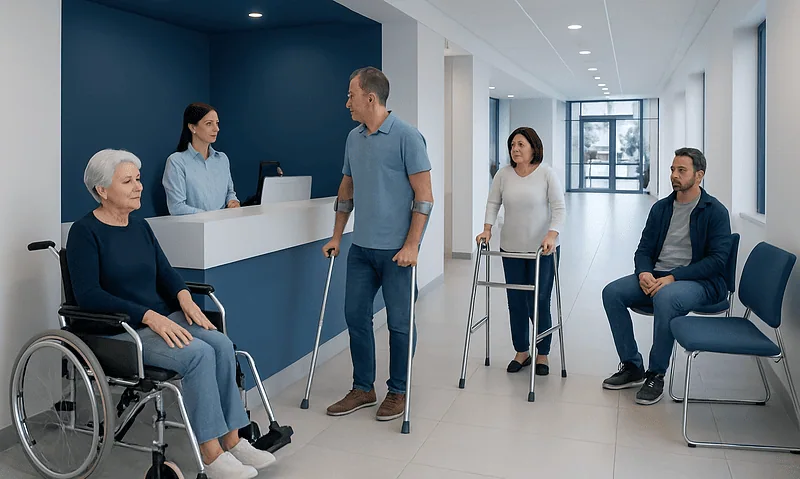
Mobility Aids in Turkey: Renting a Wheelchair, Walker, or Crutches
Mobility aids in Turkey can be rented through medical suppliers, pharmacies, and hospital-linked services in Istanbul and other cities.

Traveling to Turkey with Food Allergies or Special Diet Needs
Traveling to Turkey with food allergies or special diet needs is manageable with planning, translated allergy cards, and hotel and hospital support…