

What to Expect on Chemotherapy Day in Turkey
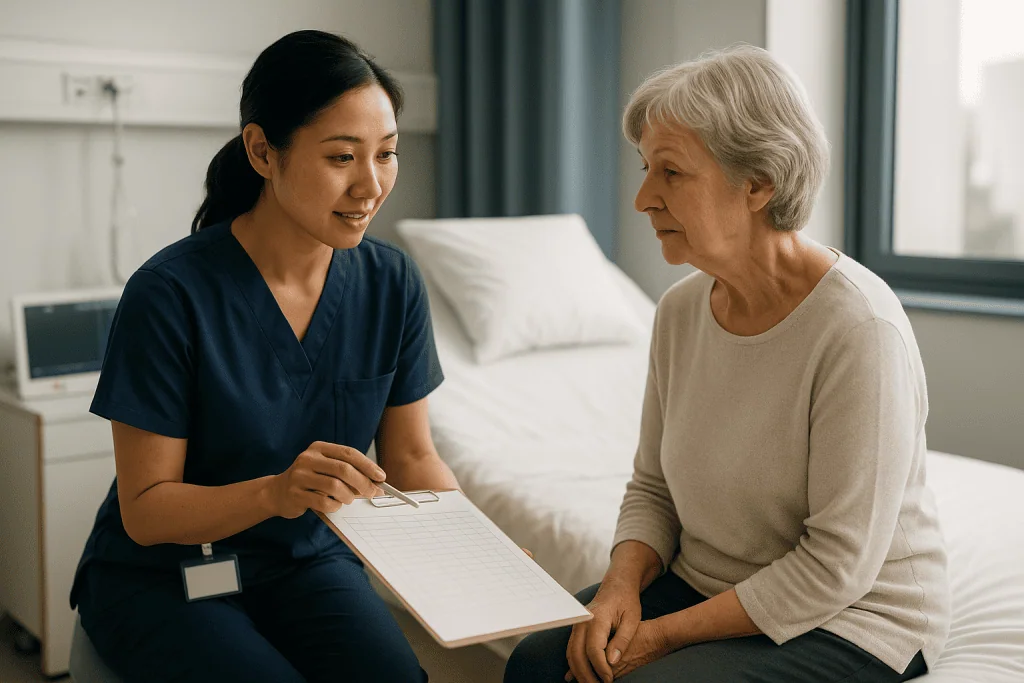
Chemotherapy day in Turkey is usually a structured outpatient visit. Expect check-in, blood tests, a doctor's review, pharmacy preparation of your medicines, the infusion itself, and observation before discharge. Most people return to their accommodation the same day, though some regimens need admission. Total time varies from a few hours to most of the day, depending on the medicines and safety checks involved.
Two questions come up the night before a first session: how long will you actually be at the hospital, and will you feel well enough to get back to your hotel afterwards? This guide answers both, and walks through everything else you can expect on chemotherapy day in Turkey, from arrival and pre-treatment checks to the infusion, discharge and the days that follow.
Chemotherapy day is more predictable than most people fear. It follows a fixed sequence of safety checks, and once you know that sequence, the day loses much of its uncertainty. What we cannot tell you here is how your particular regimen will feel: that depends on your diagnosis and your treatment plan, and only your oncology team can speak to it. What we can do is explain the structure honestly, including the parts that take longer than patients expect.
At a glance
- Procedure type: Outpatient cancer treatment session; some regimens are given during a short hospital admission
- Purpose: To deliver anti-cancer medicines under supervision, monitor how you respond during the infusion, and manage side effects early
- Anesthesia: Usually none; local numbing may be used for port access or line placement
- Hospital stay: Most sessions are day treatments; certain medicines require longer observation or inpatient administration
- Time at hospital: Varies widely, blood test review and pharmacy preparation add time before the infusion even begins
- Return to daily life: Many people manage light activity within a few days, depending on the regimen and how they feel
- Result timeline: Response is assessed over multiple cycles with examination, blood tests and imaging, never after a single day
- Suitable department: Medical Oncology, supported by Haematology, Radiation Oncology, Pharmacy, Laboratory and supportive care teams
- International patient support: Interpreter services, transfer coordination, accommodation guidance and remote follow-up support
What happens on chemotherapy day in Turkey?
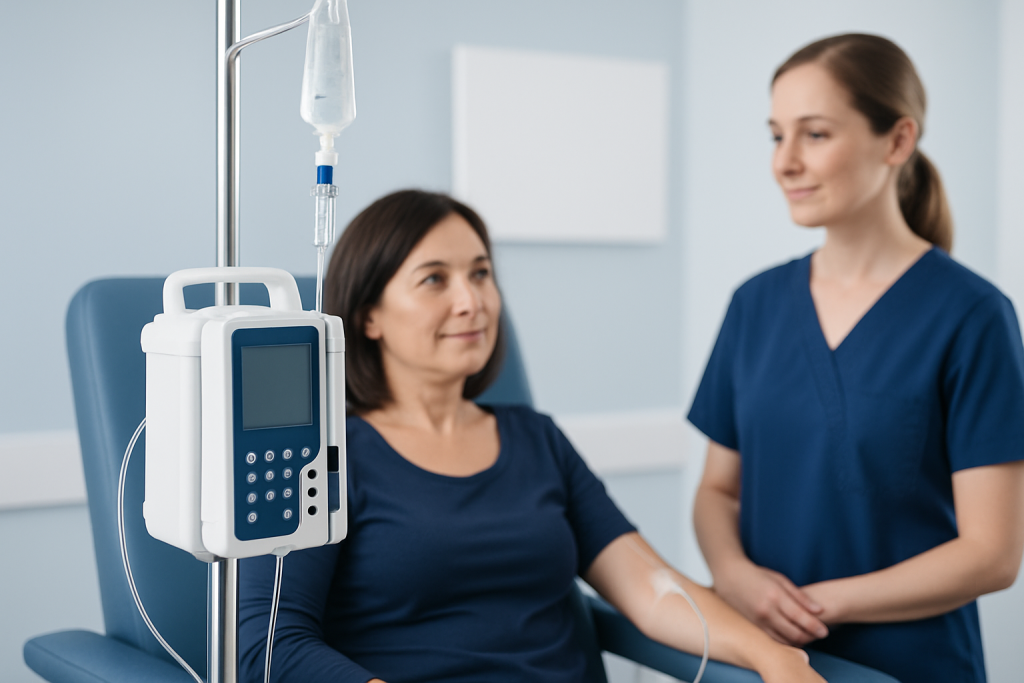
Chemotherapy uses anti-cancer medicines to destroy cancer cells, slow their growth, reduce the chance of recurrence, or help control symptoms. On treatment day, you receive the planned medicines in a monitored setting, usually a medical oncology day unit. The medicines may go through a vein in your hand or arm, through a central venous catheter, or through an implanted port. Some plans include oral medicines or supportive drugs alongside the infusion.
The day itself is built around safety checks rather than the infusion alone. A typical sequence: check-in and vital signs, blood tests or review of recent results, a clinical review by the oncologist, confirmation of the treatment order, preparation of the medicines by the pharmacy, administration by oncology nurses, then observation before you leave. Each step exists because chemotherapy doses are individual and are only released once your results confirm treatment can go ahead safely.
If you want the pharmacological detail behind the regimens themselves, our chemotherapy treatment page covers how the medicines work. This guide stays with the practical question most people search for: what to expect on chemotherapy day in Turkey, hour by hour.
When is chemotherapy recommended?
Chemotherapy may be recommended for many different cancers, on its own or combined with surgery, radiotherapy, immunotherapy or targeted treatment. The oncology team weighs the type of cancer, its stage, molecular features where relevant, and your overall health before recommending it.
It can be used before surgery to shrink a tumour, after surgery to reduce recurrence risk, as the main treatment for certain cancers, or to help control symptoms in advanced disease. The goal differs from patient to patient, in some plans the aim is to eliminate the disease, in others it is control, symptom relief or preserving function and quality of life. Your team should state which goal applies to you, in plain words.
For international patients, treatment in Turkey may be considered when you want a specialist oncology review, coordinated multidisciplinary care, or a plan that can be continued safely across borders. That decision should follow a detailed medical assessment, not travel convenience.
Who is a suitable candidate?
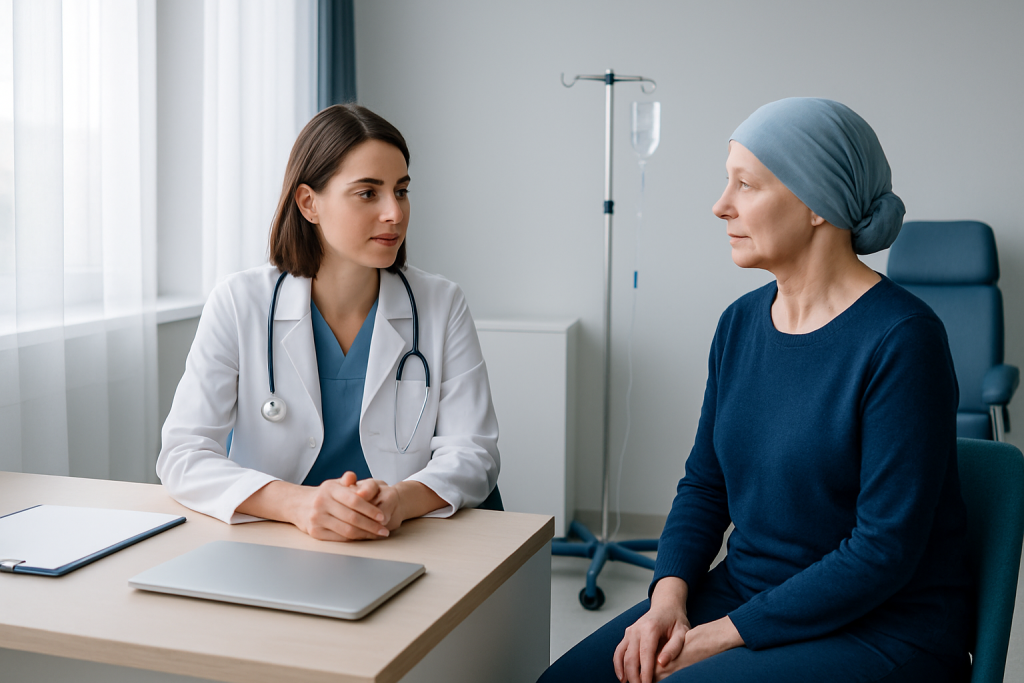
Suitability rests on whether the expected benefits outweigh the risks for your specific condition. Oncologists look at your diagnosis, treatment goals, previous cancer treatments, blood counts, organ function, nutrition, current symptoms and general performance status. Age alone does not decide it, treatment is matched to health, not to birthdate. Some patients need a modified schedule, dose adjustments or extra monitoring because of other medical conditions.
Practical suitability matters too. Chemotherapy works best when you can follow the schedule, report side effects promptly and attend the required tests. If you are travelling internationally, doctors also consider whether ongoing cycles can be coordinated safely with your home team: a genuine limitation worth discussing early, not after the first cycle.
Treatment options
Chemotherapy is not one standard treatment. Your regimen may involve a single medicine or a combination, given in cycles, and the session may be short or run over several hours. Common variations include:
- Intravenous chemotherapy through a peripheral cannula
- Chemotherapy through a port or central venous line
- Oral chemotherapy as part of a treatment cycle
- Combination regimens with supportive pre-medications such as anti-nausea drugs, hydration or allergy-prevention medicines
- Chemotherapy integrated with targeted or immune-based treatment when medically indicated
If you have difficult vein access or face repeated cycles, your team may recommend a port or another central line to make future sessions easier and safer. That is a separate small procedure, planned in advance rather than on treatment day.
Online evaluation before travel
Before you travel, the oncology team needs a clear picture of your diagnosis and prior treatment: pathology and biopsy reports, imaging reports, operation notes, previous chemotherapy details, medication lists and recent blood tests. Translated summaries help if documents are in another language. Our guide to preparing records for a remote medical review explains what a useful file looks like.
A remote pre-evaluation helps the team judge whether treatment in Turkey is appropriate, what kind of visit you need, and whether additional tests are likely on arrival. It also surfaces practical points: an existing port, previous reactions to chemotherapy medicines, or urgent issues better addressed before travel. Be clear about its limit: a remote review does not replace an in-person consultation, and plans made from records alone can change after examination.
Before the treatment
In the days before chemotherapy, your doctor may request blood tests and sometimes further investigations to confirm your body is ready. These typically cover blood counts, kidney and liver function, infection risk and any regimen-specific requirements. If results are not suitable, treatment may be postponed or adjusted: this is a safety mechanism, not a setback in itself, and international patients should build slack into their itinerary for it.
You will also have a medical review to go through the plan, expected effects and precautions. Mention fever, infections, dental problems, recent hospital admissions, new medications or pregnancy concerns at this point. Do not change any of your regular medicines on your own initiative before travel: that decision sits with your treating doctor.
On the day, most patients are advised to eat lightly, stay hydrated unless told otherwise, and wear comfortable clothing that allows easy access to the arm or port area. Bring identification, your treatment records, your regular medications and a written list of questions.
What happens during the session
On arrival you check in and have vital signs recorded. Blood may be drawn again, or recent results reviewed. This first stage is where waiting time accumulates: the oncologist must confirm your results before releasing the treatment order, and only then does the pharmacy begin preparing your medicines under strict protocols. Chemotherapy drugs are prepared individually per patient per day, which is why they cannot simply be waiting for you when you walk in.
An oncology nurse then places a cannula or accesses your port and starts any pre-medications. The infusion itself may be relatively short or run for several hours, depending on the regimen. Throughout, nurses monitor your comfort, blood pressure and any early reactions. You can usually read, rest, use your phone, or have a companion beside you where unit policy allows.
Some people feel entirely well during the infusion. Others notice tiredness, a metallic taste, flushing or mild nausea. Anything unusual is worth mentioning to the nurse straight away, infusion units are staffed and equipped to respond immediately, which is precisely why chemotherapy is given in this setting rather than at home.
Hospital stay and discharge
Most sessions finish as day treatment, and you return to your accommodation the same day. Before discharge, the team confirms you are stable, the infusion is complete, and you understand your medicines and aftercare instructions. A cannula is removed unless there is a reason to keep access.
Some regimens need longer observation, special hydration, slow infusion schedules or inpatient administration, and occasionally a same-day plan becomes an admission after a reaction or an unexpected result. It is sensible to plan with flexibility: our guide on unexpected overnight stays in Turkey covers what patients and companions should have ready just in case.
At discharge you receive written guidance covering expected side effects, the warning signs your team wants reported, diet and hydration, infection precautions, a contact route for questions after hours, and the date of your next review. Keep this document with you for the rest of your stay.
The days after: what tends to be hardest
Two questions dominate searches on this topic: which day after chemo is hardest, and which week. There is no universal answer, because regimens differ so much, but two honest patterns are worth knowing.
First, day one is often not the hardest. Pre-medications given with the infusion, particularly anti-nausea drugs and sometimes steroids, frequently carry people through treatment day feeling better than they expected. As those medicines taper over the following days, fatigue, nausea or general malaise can build. Many patients describe the middle of the first week after infusion as the low point.
Second, for regimens that lower blood counts, the middle of the cycle is when counts typically reach their lowest level, clinicians call this the nadir. This is often when fatigue is deepest and infection risk highest, before counts recover ahead of the next cycle. Your oncologist will tell you whether your regimen behaves this way and when your nadir is expected.
| Timeframe | What people commonly experience |
|---|---|
| First 24 hours | Often better than feared: possible tiredness, sleepiness from pre-medications, mild nausea, or feeling emotionally drained. Fluids and rest as advised. |
| First week | Fatigue, nausea, bowel changes, appetite and taste changes, mouth sensitivity or body aches may develop as pre-medications wear off. |
| Weeks 2–4 | Blood counts may dip and then recover. Energy often returns before the next cycle; some regimens bring delayed effects such as hair loss. |
| Months 1–3 | With repeated cycles, the team monitors tolerance and adjusts as needed. Response assessment may begin for some cancers. |
| Overall result | Judged over time with examination, blood tests and imaging. The timeline varies by cancer type, stage and treatment goal. |
Side effects are usually easier to manage when treated early, which is why discharge instructions ask you to report them promptly rather than endure them.
What to avoid after treatment
If your regimen is expected to lower white cell counts, be sensible about infection risk: crowded enclosed spaces, close contact with people who are visibly unwell, and lapses in hand hygiene matter more during the nadir period. This is caution, not isolation.
Do not start new medicines, supplements or herbal products without checking with your oncology team, some interact with treatment or affect bleeding, liver function or other safety parameters. Alcohol, smoking and dehydration can worsen how you feel with some regimens. If you feel weak, dizzy or drowsy, avoid driving and demanding travel plans immediately after treatment. Strenuous exercise, strong sun, high-risk raw foods and dental procedures may also need caution depending on your regimen and blood counts; your team gives regimen-specific advice.
Risks and possible complications
Chemotherapy affects healthy cells as well as cancer cells, and side effects deserve straight talk. Common issues include fatigue, nausea, vomiting, constipation or diarrhoea, hair loss with some regimens, appetite changes, mouth sores, skin or nail changes, and temporary lowering of blood counts.
More significant complications can include infection during periods of low white cells, anaemia, bleeding risk from low platelets, dehydration, allergic or infusion reactions, nerve symptoms, blood clots, and effects on the liver, kidneys, heart or lungs depending on the medicines used. Some effects appear quickly; others develop over repeated cycles.
Not every risk applies to every regimen, and no honest clinician will promise you an easy course. What a good team does promise is close monitoring, early management of problems, and adjustment of the plan when needed. Ask your oncologist which risks are most relevant to your specific medicines: that conversation is part of proper consent, not an optional extra.
How problems are monitored after discharge
Oncology units treat fever after chemotherapy as a significant finding, because it can signal infection at a time when the body’s defences are reduced. This is why your discharge paperwork lists the specific warning signs your team wants reported for your regimen, along with a way to reach them, including outside normal hours while you are staying in Turkey.
Between cycles, monitoring typically involves scheduled blood tests and clinic or remote reviews. If you are returning home between cycles, the team coordinates what should be checked locally and shares treatment summaries so your home doctors can interpret results in context.
Results and expectations
Results are never judged after a single treatment day. Doctors assess progress over time using your symptoms, examination findings, blood tests, tumour markers where relevant, and imaging such as CT, MRI or PET. Improvement may be gradual, some patients need dose changes or supportive treatment along the way, and some need a different plan if the disease does not respond as hoped.
Keep expectations anchored in your own case rather than in general figures. Your team should define what success means for your diagnosis and when reassessment is planned.
International patient travel planning
Your itinerary should allow time for pre-treatment tests, possible delays, and early follow-up, not just the session itself. The right length of stay depends on your regimen and whether this is a first consultation, a single cycle or part of a longer course. Very tight schedules work against you here.
Bring organised medical records, digitally and in print if possible: regular medications, allergies, implanted devices, previous drug reactions, and contact details for your home oncology team. Flying after treatment needs its own planning, because timing depends on your blood counts, hydration and how you feel: our guide on flying after chemotherapy covers the timing and safety checks in detail. Your doctor gives individual travel clearance; no general rule replaces that.
Cost and how quotes work
Chemotherapy is highly individualised, so cost is too. What a quotation depends on: the type of cancer, the medicines prescribed, the number and length of infusions, pre-treatment tests and imaging, whether hospitalisation is required, and whether supportive treatments, line placement, hydration, transfusion, growth factor support, are needed. Whether you are seeking a second opinion, a single cycle or a longer plan also shapes the proposal.
A quotation typically covers the oncologist consultation, standard day-unit nursing care, planned infusion administration and routine treatment-day tests. Accommodation, flights, visa expenses, companion costs, emergency care outside the plan, extra imaging, home medicines and treatment changes after new findings are usually separate unless specifically listed. Because plans can change after safety checks, ask for a written breakdown of what is included, what may be added later, and how additions are communicated. Our guide on unexpected changes in your bill in Turkey explains the right questions to ask before you agree to anything.
Why choose Acibadem
Chemotherapy demands precision, coordination and rapid access to support when side effects occur, which is why the organisation around the infusion matters as much as the infusion itself. Acibadem brings together medical oncology specialists, experienced oncology nurses, pharmacy services, laboratory support and imaging within one care pathway, alongside the practical side international patients depend on: communication in your language, planning before arrival, and clear discharge instructions.
Where treatment spans multiple cycles or continues at home, continuity becomes the real test. Acibadem structures records, treatment summaries and follow-up recommendations so they can be shared and understood across borders, and when plans need to change mid-course, we explain how unexpected changes to a treatment plan are managed rather than leaving you to guess.
Medical review and disclaimer
This guide has been reviewed by the Acibadem International medical team. It provides general information about what to expect on chemotherapy day in Turkey and helps you prepare practical questions before treatment.
It does not replace a consultation, medical examination or individualised treatment plan. Chemotherapy is tailored to the exact diagnosis, treatment goals, previous therapies and your overall health, so your care may differ from the outline here. Suitability, expected benefits, risks, travel timing and follow-up can only be confirmed after evaluation by a qualified physician.
Step by step
- Initial contact. You share your request, diagnosis summary and preferred travel timing with the international patient team.
- Medical record submission. You send pathology reports, imaging reports, previous treatment details, medication lists and recent blood tests.
- Preliminary medical review. The oncology team assesses whether chemotherapy or further evaluation in Turkey is appropriate.
- Treatment plan and quotation. You receive a preliminary outline, likely arrival tests, and a written quotation based on the available information.
- Travel planning. Visit dates, transfers, accommodation options, interpreter needs and estimated length of stay are coordinated.
- Arrival. The support team assists with logistics and your scheduled appointments.
- In-person consultation. The oncologist examines you, reviews records, discusses goals and confirms the plan.
- Pre-treatment tests. Blood tests and any regimen-specific checks confirm treatment can proceed safely.
- Treatment. Pre-medications if needed, then the planned infusion under oncology nursing supervision.
- Observation or stay. Most sessions end as day treatment; some regimens require observation or short admission.
- Discharge briefing. The team reviews how you feel and gives written instructions for medicines, hydration and warning signs.
- Travel clearance. Your doctor advises when local travel or flying is appropriate for you.
- Remote follow-up. The team continues follow-up remotely and coordinates records and next steps with your doctors at home.
Your checklist
- Passport and travel documents
- Pathology and biopsy reports
- Imaging reports and image files if available
- Previous chemotherapy or cancer treatment records
- Complete medical history and current diagnoses
- List of current medications, vitamins and supplements
- Known drug or food allergies
- Details of previous surgeries or implanted devices such as a port
- Recent blood test results and other relevant investigations
- Notes on current symptoms and any recent fever, infection or hospital admission
- Contact details for your home oncologist or treating physician
Key takeaways
- Chemotherapy day is a structured visit: checks, blood test review, pharmacy preparation, infusion, observation and a discharge briefing.
- Waiting time before the infusion is normal, medicines are prepared individually only after your results are confirmed.
- Day one is often not the hardest; effects commonly build over the following days as pre-medications wear off.
- Discharge instructions list the warning signs specific to your regimen and how to reach the team, including after hours.
- Plan your stay in Turkey with flexibility, because safety checks can postpone or adjust treatment, and travel clearance is individual.
Frequently asked questions
What is day 1 of chemo like?
Usually calmer than expected. It involves check-in, vital signs, blood test review, a wait while the pharmacy prepares your medicines, then the infusion with pre-medications, followed by observation. Many people feel reasonably well on the day itself, partly because anti-nausea and other supportive medicines are working at full strength.
What is the hardest day after chemo?
It varies by regimen and person, but many patients find the middle of the first week after infusion harder than treatment day itself, as pre-medications taper and fatigue or nausea builds. Your oncologist can tell you the pattern typical of your specific medicines.
What week of chemo is the hardest?
For regimens that lower blood counts, the middle of the cycle, when counts reach their lowest point, called the nadir, often brings the deepest fatigue and highest infection risk before recovery begins. Not all regimens behave this way, so ask when your nadir is expected.
How long does chemotherapy day usually take?
Total time varies widely. Blood test review, the doctor’s confirmation and pharmacy preparation all happen before the infusion starts, and the infusion itself may be short or run for several hours. Plan for the possibility of most of a day, especially for a first session.
Will I need to stay overnight in the hospital?
Most sessions are day treatments, so you usually leave the same day. Some medicines require longer monitoring, hydration, slow administration or inpatient care, and occasionally an unexpected finding turns a day visit into a short admission, so build some flexibility into your plans.
Which is the best country for cancer treatment?
There is no single best country. Chemotherapy regimens follow broadly international protocols, so what matters most is the specific team: its experience with your cancer type, multidisciplinary review, safety systems, and how well care is coordinated with your doctors at home. Judge providers on those points rather than on national claims.
What should I bring on chemotherapy day?
Passport or ID, medical records, your current medication list, allergy information, and any medicines your doctor told you to take. Comfortable clothing with easy arm or port access, water, light snacks if allowed, and something to pass the time all help, as does a companion where unit policy permits.
When can I fly after chemotherapy?
It depends on how you feel, your blood counts, your regimen and your risk of dehydration or infection. There is no universal safe interval: your doctor gives individual travel clearance, and it is wise to keep return flights flexible rather than booking a fixed departure immediately after treatment.
Add us as a Preferred Source to see more of our trusted health content across Google Search, AI Overviews and Discover.

Update history
- PublishedJune 22, 2026
- Medical review approvedSeptember 13, 2026
- Last content updateSeptember 12, 2026
References4
- Chemotherapy to Treat Cancer: National Cancer Institute cancer.gov
- Chemotherapy: NHS nhs.uk
- Cancer Chemotherapy: MedlinePlus medlineplus.gov
- Chemotherapy: What It Is and What to Expect: Cleveland Clinic my.clevelandclinic.org
More Patient Guides

HoLEP in Turkey: How It Compares With TURP and What Recovery Involves
HoLEP in Turkey treats enlarged prostate tissue with laser enucleation; learn how it compares with TURP, recovery, travel and follow-up.
Porcelain Veneers in Turkey: Who Is Suitable and How Many Visits Are Needed?
Porcelain veneers in Turkey can enhance tooth shape and colour in two visits for suitable patients after a personalised dental assessment.
How to Prepare for a Sedation Procedure in Turkey
Prepare safely for a sedation procedure in Turkey with guidance on fasting, medicines, travel, recovery and follow-up.
Treatment Delays in Turkey: What Happens If Tests or Recovery Change Your Schedule
Treatment delays in Turkey can happen if tests or recovery change your plan. Learn how to manage appointments, travel, accommodation and follow-up.