

What Your Treatment Package in Turkey Should Include

A treatment package in Turkey should include a written treatment plan, the consultation, planned hospital services, anaesthesia where relevant, standard tests, at least one follow-up visit, and coordination support such as interpreters and transfers. Just as importantly, it should list what is excluded, flights, accommodation, companion costs, extra tests, and care for unexpected complications, and state which items may change after in-person examination.
You have a quotation in your inbox and you are trying to work out what it actually covers. Does that figure include the tests? The hotel nights? The follow-up visit before you fly home? These are fair questions, and you should have clear answers to all of them before you book anything.
This guide explains what your treatment package in Turkey should include, what is commonly left out, and how to read a quotation so you can compare offers on scope rather than headline price. It applies whether you are planning surgery, dental work, a hair transplant, fertility treatment or a check-up.
At a glance
- What this covers: Pre-travel review of a medical treatment package: the medical and non-medical services arranged around your planned care
- Purpose: To help you see what is included, what is excluded, and what may change after in-person examination
- Anaesthesia: Depends on your planned treatment; the package should state whether anaesthesia services are covered
- Hospital stay: Varies from same-day care to several nights; the package should name the planned admission type and room category
- Estimated recovery: Procedure-specific; a good package outlines expected milestones and the timing of control visits
- Length of stay in Turkey: Set by recovery checks and travel clearance, not by the treatment date alone
- Suitable department: International Patient Services together with the relevant medical or surgical specialty
- Support usually offered: Care coordination, interpreter support, transfer planning, accommodation guidance, and remote follow-up communication
What a treatment package actually is
A treatment package is not a medical procedure. It is the structured set of medical and non-medical services arranged around your planned care: the preliminary record review, the consultation, hospital services, interpreter assistance, transfers, discharge planning, and follow-up communication after you return home. When people search for what a “Turkey treatment” means, this is usually it, planned medical care abroad, organised as a single coordinated pathway rather than a series of separate bookings.
The single most important feature of a good package is clarity. Your treatment package in Turkey should include three clearly separated lists: what is covered, what may change after in-person examination, and what is not covered at all. A quotation that blurs those three categories is not necessarily dishonest, but it is harder to compare and easier to misread.
Everything else in this guide flows from that principle. A package built around a named plan, a named specialty, and a written scope protects you from the most common source of frustration in medical travel: discovering after arrival that an item you assumed was included was never part of the offer.
When a careful package review matters most
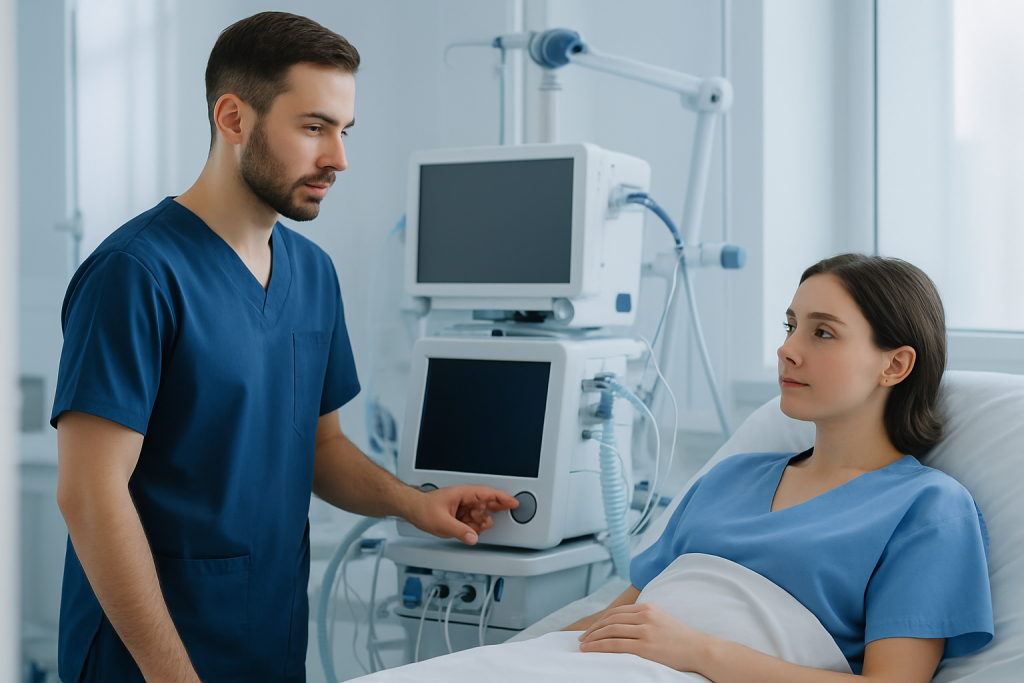
Review a package carefully whenever your planned care involves more than a single appointment: surgery, a procedure under anaesthesia, dental treatment across several sessions, fertility care, or any pathway with tests before treatment and controls after it. When you travel internationally, the full pathway matters as much as the procedure itself, because small omissions ripple into hotel nights, companion plans and return flights.
Scrutiny matters even more if your care could involve more than one specialist, an overnight or multi-night stay, or implants and special materials. These are the areas where quotations most often diverge, one provider bundles them, another lists them separately, and the two offers stop being comparable at a glance.
It also matters if you have an existing condition, take regular medication, or may need extra evaluations before treatment. In those situations the final plan may reasonably change after the doctor examines you, so the quotation should say so plainly rather than presenting every line as fixed.
Who benefits from package-based planning

Package-based planning suits you if you want to know the likely steps before you leave home. That is particularly useful when you are balancing work leave, family arrangements or a companion’s travel dates, because the package tells you not just what will happen but roughly when.
It also suits you if you value a single coordination point for medical records, appointment timing, interpreter needs, transport and post-discharge communication. Managing those threads yourself in another country, in another language, is possible, but it is work, and it is work that a well-run international patient service exists to absorb.
Packages work best for elective, planned treatment that is suitable for remote pre-assessment. Final suitability always depends on physician evaluation after arrival: a package organises your journey, it does not pre-approve your treatment.
Types of package you may be offered
The right structure depends on the care you need. A cosmetic surgery package looks nothing like an orthopaedic, dental, IVF, cardiology, bariatric or oncology pathway. In general you may see:
- consultation-only packages for assessment and planning
- day-case procedure packages with same-day discharge
- inpatient surgical packages covering the operating theatre, anaesthesia and an overnight stay
- multidisciplinary packages involving more than one specialty
- diagnostic packages with laboratory tests and imaging
- aftercare-focused packages that include dressings, control visits or rehabilitation planning
Some treatments follow standard pathways; others are individualised. At Acibadem, packages are coordinated through International Patient Services together with the relevant specialty team, so the plan reflects your diagnosis, travel timeline and recovery needs rather than a fixed template.
Hair transplants and the treatments Turkey is known for
Turkey is widely known for hair restoration, dentistry, eye surgery, cosmetic and reconstructive surgery, IVF, orthopaedics, cardiology, oncology and comprehensive check-ups. Hair transplant packages dominate the advertising, which is why so many people first meet the word “package” in that context.
There is no single “best” hair transplant package. The strongest offer is the clearest one: it names who performs the procedure and in what setting, states the technique after assessment rather than before it, includes the pre-procedure evaluation, aftercare products and at least one control, and puts exclusions in writing. A package that leads with the hotel and stays vague about the clinical team has its priorities reversed.
Many hair transplant packages do bundle hotel nights and transfers, and some marketing frames this as a holiday. Treat that framing cautiously. The days around a procedure are structured around aftercare, rest and controls, not sightseeing, and your activity in the first days is limited by the treatment itself. If you want a holiday as well, plan it as a separate stage of the trip and confirm the timing with the treating doctor rather than the brochure.
Online evaluation before travel
Before you travel, you will usually be asked to share your medical history and relevant records: clinic notes, test results, pathology reports, a medication list, photographs, or imaging such as X-rays, MRI, CT, ultrasound or dental scans. This lets the medical team make a preliminary assessment of whether treatment appears suitable, what else is needed, and how long you may need to stay in Turkey.
Understand what this stage is and is not. A remote review supports planning and produces a more meaningful quotation, but it does not replace in-person examination. Your final treatment plan, the final package scope and travel clearance all depend on the doctor’s assessment after arrival. A provider that presents a remote quotation as unconditionally final is promising more certainty than remote review can deliver.
Before the treatment
Your package should make clear what happens from the moment you accept the plan: appointment scheduling, pre-arrival instructions, fasting guidance where relevant, and how far ahead of your consultation or procedure you should arrive. It should also state whether pre-operative tests are included and whether they happen the same day as the consultation or on a separate date: a detail that can add a day to your stay.
Sometimes extra tests are needed because of your age, health history or examination findings. You should know in advance whether such tests would be included, optional or billed separately. The same applies to interpreter support, local transfers and accommodation guidance: ask, rather than assume.
Paperwork is part of preparation too. Knowing which documents to bring for hospital admission in Turkey before you pack saves time at registration and avoids delays on the day.
What happens during the treatment
A clear package explains the expected flow of the treatment day: admission, nursing preparation, consultation, anaesthesia review if needed, the treatment itself, and immediate observation afterwards. For surgical or procedural care, confirm whether the package covers the surgeon’s fee, anaesthesia services, operating theatre use, standard consumables, routine nursing care and the planned room category.
If implants, prostheses, special devices or additional pathology could be relevant to your case, these should be addressed in advance wherever possible, because they are among the most common separately billed items. And if your care might change based on findings during the procedure, a different technique, additional materials, longer observation, a trustworthy package says so honestly rather than implying every case is fully fixed in advance.
Hospital stay and discharge
If your treatment involves admission, the package should state whether it is day-case, overnight or multi-night, and whether standard room charges, routine nursing care, patient meals and planned in-hospital medications are covered. If you will have a companion, check whether your room type accommodates one and whether companion costs are included.
Ask what discharge depends on. It is rarely just the passage of time: examination findings, pain control, mobility, fluid intake, wound review and test results all play a role. For international patients this matters doubly, because it drives hotel nights and return flight timing.
At discharge you should receive written instructions covering medications, dressings, activity restrictions, hygiene, warning signs specific to your procedure, and the timing of your first control. Before you fly, it is worth knowing what your discharge summary should include, since that document is what your doctor at home will rely on.
Recovery timeline
Recovery depends on the specific treatment, but a responsible provider outlines typical milestones as part of the package, along with when a control visit is usually required before travel clearance. The pattern below is general; your doctor adjusts it to your treatment and examination findings.
| Timeframe | What to expect |
|---|---|
| First 24 hours | Monitoring, rest, basic symptom control and assessment of your immediate condition after the consultation, procedure or surgery. |
| First week | Close adherence to instructions, planned control visits, prescribed medications as directed, and limited exertion. Some swelling, fatigue or discomfort may be expected depending on the treatment. |
| Weeks 2–4 | A gradual return to lighter routines for many patients, with activity limits still in place. Follow-up findings guide whether recovery is progressing as expected. |
| Months 1–3 | Deeper healing and functional improvement continue for many treatments. Some procedures need staged review, imaging, pathology discussion or rehabilitation planning. |
| Final result | Timing depends on the treatment. Some results are apparent quickly; others become clear only after healing completes or a treatment course finishes. |
Your package should state which controls happen in Turkey and what remote follow-up is available after you return home. If extra visits become necessary, they may or may not fall within the original package, confirm this before travel, not after.
What to avoid after treatment
Specific restrictions depend on the procedure, and your discharge plan should spell them out. As a general rule, activities that strain the treated area, interfere with wound care or work against rest are best deferred, which is why long excursions immediately after treatment are usually unwise. Decisions about starting, stopping or adjusting any medication, including over-the-counter products and supplements, belong to your treating doctor, not to the itinerary.
For travel planning, resist booking the earliest convenient return flight. Doctors generally want at least one post-treatment review before confirming travel clearance, and dressing changes or test results occasionally shift the schedule. A slightly flexible booking costs less in stress than a rigid one.
Risks, complications and who pays for them
Every medical treatment carries some uncertainty, even routine ones. Depending on the procedure, risks may relate to anaesthesia, infection, bleeding, wound healing, medication reactions, unexpected findings, or the need for further tests or treatment. Your doctor explains the risks specific to your case before you consent.
In package terms, the common misunderstanding is assuming every possible issue is automatically covered. Many packages cover the standard planned pathway only, while treatment for unexpected complications, prolonged stays, extra imaging, intensive care, blood products or additional consultations may be billed separately. That does not mean complications are expected: it means you should know in advance how they would be handled, who would coordinate your care, and how your travel dates might be affected. This is also exactly the gap that travel insurance for treatment in Turkey may or may not fill, so check both documents side by side.
Aftercare contact and warning signs
A complete package tells you, in writing, who handles questions after discharge and how they can be reached during and outside office hours, while you are still in Turkey and once you are home. Your discharge instructions should list the warning signs relevant to your specific procedure, because they differ from one treatment to another.
Before you leave the hospital, make sure that contact route, your medication list and your hospital details are written down and kept with you. A package that goes silent after discharge is incomplete, however generous it looked before treatment.
Results and expectations
A package organises your care; it does not determine your medical result. Outcomes depend on your condition, the treatment selected, your general health, how your body heals and how closely you follow medical advice. What you should expect from any provider is clear communication about the treatment goal, likely milestones and realistic limitations, whether the aim is symptom relief, improved function, diagnosis, fertility support, appearance or disease control.
Expectations are often refined after in-person consultation. Occasionally a doctor recommends changing the plan, postponing treatment, or not proceeding at all. That is not a failure of the package. Honest evaluation is part of safe care, and a provider willing to say no is usually one worth listening to.
Travel planning as part of the package
Treat travel planning as part of treatment planning. Before booking flights, confirm the expected length of stay, whether you should arrive a day or two before consultation or testing, and when travel clearance is usually given after your type of treatment. These details often matter more than the treatment date itself.
Then confirm the logistics: interpreter support, airport–hotel–hospital transfers, accommodation guidance and appointment coordination. If your treatment involves surgery or reduced mobility, choose accommodation that is practical rather than merely close, lift access, meal options, quiet rest and short transfer times all make recovery easier.
Cost and package information
This guide gives no figures, because a figure without a scope is meaningless. What a package costs depends on the specialty involved, the hospital resources required, whether anaesthesia is needed, the planned length of stay, implants or special materials, laboratory tests, imaging, pathology, medications, room category, the number of follow-up visits and the complexity of your condition. Two quotations for the “same” procedure can differ simply because one includes items the other lists separately.
A well-built package typically bundles some combination of the doctor’s fee, hospital admission, standard nursing care, theatre use where relevant, anaesthesia for planned procedures, routine in-hospital medications, standard tests, one or more control visits, and coordination through International Patient Services.
Items that are often not included unless specifically stated: flights, visas, travel insurance, accommodation outside the hospital, companion expenses, room upgrades, consultations outside the original plan, extra imaging or laboratory tests, treatment of unexpected complications, prolonged hospitalisation, intensive care, blood products, special implants or devices, and medications used after discharge.
Always ask for a written breakdown separating included, conditional and excluded items. If you are weighing more than one offer, our guide on how to compare surgery packages without missing hidden extras walks through that comparison line by line.
Why choose Acibadem
Acibadem coordinates care for international patients through its hospitals in Turkey, combining specialist medical teams with a dedicated international patient service. That structure covers the practical side of a medical journey, interpreter support, transfer coordination, appointment planning, discharge guidance and remote follow-up, alongside the clinical pathway itself.
Just as importantly, the approach is built on stated limits: suitability is assessed medically, plans may change after in-person evaluation, and inclusions and exclusions are explained rather than implied. You can read more about what a treatment package at Acibadem includes and excludes before you weigh your options.
Medical review and disclaimer
This guide has been medically reviewed by the Acibadem International medical team. It is intended to help you understand how treatment packages for international patients are commonly structured and what questions to ask before traveling.
The information here is for general educational purposes only. It does not replace a consultation, examination, diagnosis, or personalized treatment recommendation from a qualified physician.
Your suitability for any treatment, package, travel timing, or recovery plan requires individual medical evaluation. Final recommendations may change after your records are reviewed, after in-person examination, or if additional tests are needed.
Step by step
- Initial contact. You contact the international patient team and explain the treatment or medical concern you would like assessed.
- Medical record / photo submission. You share your passport details for registration and send relevant reports, imaging, your medication list, and photos if needed for preliminary review.
- Preliminary medical review. The relevant specialist team reviews your records to assess whether treatment appears suitable and what additional information is required.
- Treatment plan and quotation. You receive a preliminary plan with expected steps, estimated stay, package inclusions, exclusions, and the conditions that could change the plan after examination.
- Travel planning. Once you decide to proceed, appointments are coordinated and you receive guidance on arrival timing, fasting or preparation instructions, and practical travel details.
- Arrival. Transfer and accommodation arrangements are carried out according to your plan, and your appointments are reconfirmed.
- In-person consultation. You meet your doctor for examination, discussion of goals and risks, and confirmation of whether the planned treatment remains appropriate.
- Pre-operative tests. If required, you complete blood tests, imaging, anaesthesia evaluation or other checks before the procedure.
- Treatment. Your treatment is carried out according to the final medical plan, with nursing and hospital support matched to day-case or inpatient care.
- Hospital stay. If admission is needed, you are monitored for the planned period while the team checks your recovery.
- First control. Your doctor reviews healing, symptoms, dressings, medications and your readiness to travel.
- Discharge and travel clearance. When medically appropriate, you receive discharge instructions and advice on when it is safe to return home.
- Remote follow-up. After you travel back, the team may continue follow-up remotely and guide you on next steps and any further reports or images needed.
Your checklist
- Passport or travel ID
- Brief medical history and current symptoms
- List of current medications and supplements
- Known allergies or previous reactions to medications or anaesthesia
- Details of previous surgeries or hospitalisations
- Recent test results relevant to your condition
- Imaging files or reports where relevant
- Pathology reports if applicable
- Doctor referral letters or clinic notes if available
- Photos of the treatment area when requested
- Companion details if someone will travel with you
- Preferred travel dates and expected length of stay
Key takeaways
- Your treatment package in Turkey should include three clearly separated lists: included, conditional, and excluded items.
- A preliminary remote review supports planning but never replaces in-person examination; final plans can change after arrival.
- Confirm hospital stay, tests, anaesthesia, medications, transfers, interpreter support and follow-up before you book flights.
- Length of stay depends on recovery checks and travel clearance, not just the treatment date.
- Common exclusions are flights, visas, accommodation, companion costs, extra tests and care for unexpected complications.
- Compare packages on written scope, not on the headline figure.
Frequently asked questions
What is the best hair transplant package in Turkey?
There is no single best package. The strongest offer is the clearest one: it names who performs the procedure and where, decides the technique after assessment rather than before, includes the evaluation, aftercare items and at least one control visit, and puts exclusions in writing. A package that leads with the hotel and stays vague about the clinical team is a weak offer regardless of what it bundles.
What is the “Turkey treatment” people talk about?
It usually refers to travelling to Turkey for planned medical care arranged as a package: a coordinated pathway covering the medical procedure plus supporting services such as record review, interpreter support, transfers and follow-up, rather than one specific treatment.
Does a Turkey hair transplant package include a holiday?
Some packages bundle hotel nights and transfers, and marketing sometimes frames this as a holiday. In practice, the days around the procedure are structured around aftercare, rest and control visits, with limited activity. If you want leisure time as well, plan it as a separate stage of the trip and confirm the timing with the treating doctor.
What medical treatment is Turkey famous for?
Turkey is widely known for hair restoration, dentistry, eye surgery, cosmetic and reconstructive surgery, IVF, orthopaedics, cardiology, oncology and comprehensive check-ups. Hair transplants attract the most attention, but international patients travel for a much wider range of planned care.
Is the quoted package final before I travel?
Not always. Many quotations are preliminary because the final plan may depend on physical examination, new test results or findings during evaluation. A reliable provider explains upfront which items are fixed and which could change after you are seen in person.
How long should I plan to stay in Turkey?
That depends on your treatment, whether pre-tests are needed, and when your doctor expects to give discharge and travel clearance. Some patients stay only a few days; others need longer for recovery checks or staged care. Keep your return booking slightly flexible.
What medical items are commonly excluded from a package?
Frequent exclusions include extra imaging, additional specialist consultations, prolonged hospitalisation, intensive care, treatment for complications, blood products, special implants, and medications after discharge. Exact exclusions vary between providers, which is why a written breakdown matters.
What if the doctor decides I am not suitable after I arrive?
This can happen, and it is part of responsible medical practice. If examination or tests suggest treatment should be changed, postponed or not performed, your doctor should explain the reasons and discuss appropriate next steps with you.
Add us as a Preferred Source to see more of our trusted health content across Google Search, AI Overviews and Discover.

Update history
- PublishedJune 22, 2026
- Medical review approvedSeptember 13, 2026
- Last content updateSeptember 12, 2026
References2
- CDC Travelers' Health: Medical Tourism wwwnc.cdc.gov
- NHS: Going abroad for medical treatment nhs.uk
More Patient Guides

HoLEP in Turkey: How It Compares With TURP and What Recovery Involves
HoLEP in Turkey treats enlarged prostate tissue with laser enucleation; learn how it compares with TURP, recovery, travel and follow-up.

Porcelain Veneers in Turkey: Who Is Suitable and How Many Visits Are Needed?
Porcelain veneers in Turkey can enhance tooth shape and colour in two visits for suitable patients after a personalised dental assessment.

How to Prepare for a Sedation Procedure in Turkey
Prepare safely for a sedation procedure in Turkey with guidance on fasting, medicines, travel, recovery and follow-up.

Treatment Delays in Turkey: What Happens If Tests or Recovery Change Your Schedule
Treatment delays in Turkey can happen if tests or recovery change your plan. Learn how to manage appointments, travel, accommodation and follow-up.