How Common Is Huntington’s Disease?

Huntington’s disease is uncommon, but it is one of the best-known inherited neurodegenerative conditions. It is caused by a gene change passed from parent to child in an autosomal dominant pattern.
Key Takeaways
- Huntington’s disease is uncommon, but it is one of the best-known inherited neurodegenerative conditions.
- It is caused by a gene change passed from parent to child in an autosomal dominant pattern.
- Symptoms often begin in adulthood and may involve movement, behavior, mood, and thinking.
- A family history is the strongest risk factor, though genetic testing and specialist evaluation are needed for diagnosis.
- Treatment focuses on symptom management, supportive care, and long-term planning for the person and family.
Huntington’s disease is a rare inherited brain disorder, so it is not common in the general population. Its impact can still be significant because it tends to run in families and often affects movement, thinking, and mood over time.
Overview: How common is Huntington’s disease?
Huntington’s disease is considered a rare condition. It does not affect most families, and many people may never meet someone with the disorder. Even so, it is an important condition in neurology because it has a clear genetic cause and can affect several generations within the same family.
How common Huntington’s disease is can vary by region and ancestry. It has historically been reported more often in some populations of European descent and less often in certain Asian and African populations, although it can occur in any ethnic group. Differences in diagnosis, awareness, and access to genetic testing may also affect how often the condition is identified.
Because Huntington’s disease is inherited, the question of how common it is is not only about the general population. It is also about family risk. A person with an affected parent may face a much higher chance of developing the condition than someone without a family history. For this reason, prevalence matters both medically and emotionally.
Huntington’s disease belongs to a group of progressive neurological conditions. It affects the brain over time, leading to changes in movement, thinking, and emotional health. Learning about how common it is can help people understand why family history, early evaluation, and genetic counseling are so important.
What is Huntington’s disease?
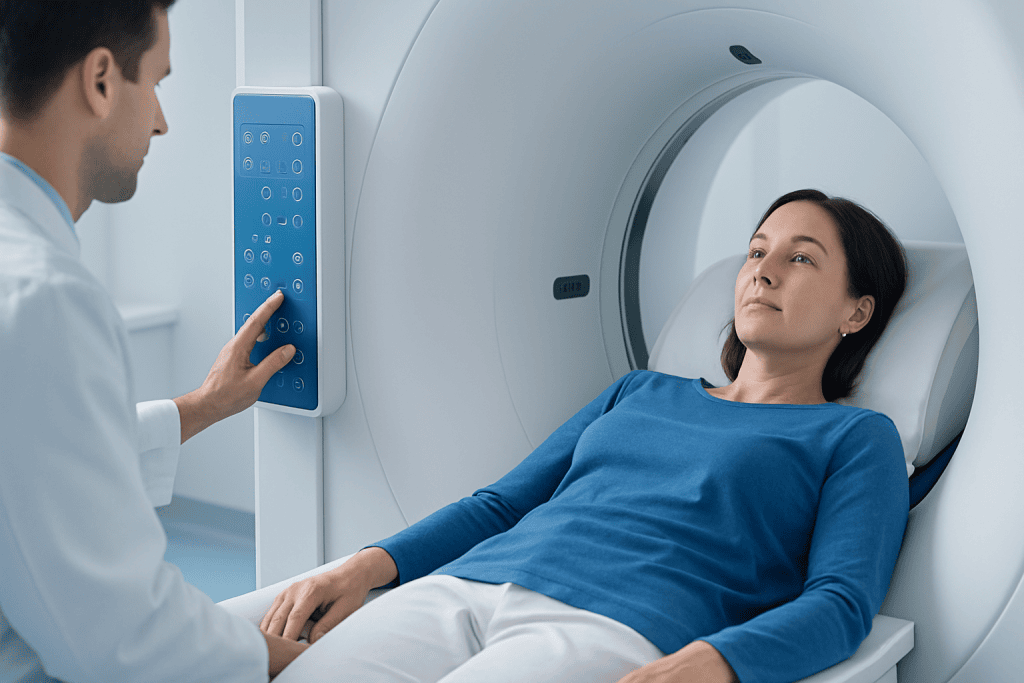
Huntington’s disease is an inherited disorder that causes gradual damage to nerve cells in certain parts of the brain. Over time, this can affect a person’s ability to move smoothly, think clearly, manage emotions, and carry out everyday tasks. The condition is progressive, which means symptoms usually worsen over the years.
The disease is caused by a change in the HTT gene. This gene provides instructions for making a protein called huntingtin. In Huntington’s disease, an expanded section of DNA leads to an abnormal form of this protein, which is harmful to brain cells. The condition is not caused by lifestyle, injury, infection, or stress.
Symptoms most often begin in adulthood, commonly between the ages of 30 and 50, but onset can happen earlier or later. A less common form, juvenile Huntington’s disease, begins in childhood or adolescence and may present differently. People with early-onset disease may have stiffness, changes in school performance, or behavioral symptoms rather than the more typical involuntary movements.
Huntington’s disease can sometimes be confused with other neurological conditions in its early stages. For example, movement symptoms may overlap with Parkinson’s disease or with other movement disorders. This is one reason why specialist assessment is important when symptoms or family history raise concern.
Symptoms and how the condition affects daily life

Symptoms of Huntington’s disease can vary from person to person. Some people first notice physical changes, while others develop mood or thinking symptoms before movement problems become clear. Early signs may be subtle, such as clumsiness, difficulty concentrating, irritability, or changes in work performance.
Common movement symptoms include involuntary jerking or writhing movements, known as chorea, as well as balance problems, slowed movements, muscle stiffness, and difficulty with coordination. Speech and swallowing can also become affected over time. These changes may increase the risk of falls, weight loss, and fatigue.
Cognitive symptoms can include trouble with planning, organizing, multitasking, attention, and judgment. Emotional and behavioral symptoms may include depression, anxiety, apathy, impulsiveness, or personality change. These symptoms are part of the brain disorder itself and are not simply a reaction to stress.
Daily life may become more challenging as symptoms progress. A person may need support with driving, managing finances, preparing meals, or maintaining employment. However, many people continue meaningful activities for years with the help of tailored treatment, rehabilitation, and family support.
- Movement changes: chorea, stiffness, balance problems
- Thinking changes: attention, planning, memory, judgment
- Mood changes: depression, anxiety, irritability, apathy
- Functional impact: work, communication, swallowing, safety
Causes and risk factors
The main cause of Huntington’s disease is a mutation in the HTT gene. The disorder follows an autosomal dominant inheritance pattern. This means a child of an affected parent has a 50% chance of inheriting the gene change. If the altered gene is inherited, the person may develop the disease at some point in life, although the exact age of onset and symptom pattern can vary.
Family history is the strongest risk factor by far. In most cases, there is a known affected parent or close relative. Sometimes a family history may not be recognized because previous generations were misdiagnosed, died before symptoms appeared, or were never formally evaluated.
The number of repeated DNA segments in the gene can influence the likelihood of developing symptoms and, in some cases, the age at which they begin. In general, larger expansions are associated with earlier onset. This is particularly relevant in juvenile Huntington’s disease, though genetics can be complex and individual outcomes are not always predictable.
Huntington’s disease is not caused by diet, exercise habits, or environmental exposure. Healthy lifestyle measures still matter because they support general wellbeing, mobility, and emotional health. For people with a family history, genetic counseling can help them understand inheritance, testing options, and future planning.
Diagnosis and genetic testing
Diagnosis usually begins with a detailed medical history, symptom review, and neurological examination. Doctors look at movement, balance, speech, reflexes, mood, and cognitive function. Family history is especially important, since the condition often follows a recognizable pattern across generations.
Genetic testing is the most specific way to confirm Huntington’s disease. A blood test can identify the HTT gene mutation. However, genetic testing is not simply a routine lab result. It may have important emotional, social, and family implications, so it is often offered with pre-test and post-test counseling.
Brain imaging such as MRI scans may be used to support evaluation and rule out other conditions, especially when the diagnosis is uncertain or symptoms are unusual. Imaging cannot by itself prove Huntington’s disease, but it can help neurologists understand the broader neurological picture. Cognitive and psychiatric assessment may also be part of the workup.
Some people seek predictive genetic testing because they have a family history but no symptoms. This is a personal decision that should be made carefully with specialist guidance. Counseling can help people think through the possible effects on mental wellbeing, relationships, employment, and future planning.
Treatment options and supportive care
There is currently no cure that stops or reverses Huntington’s disease, but treatment can help manage symptoms and improve quality of life. Care is usually individualized, because each person’s symptoms and priorities are different. A neurologist often works together with psychiatrists, physiotherapists, speech and language therapists, dietitians, and other rehabilitation professionals.
Medicines may be used to reduce involuntary movements, manage mood symptoms, or support sleep and behavior when needed. Treatment plans are reviewed regularly because symptoms change over time. Non-drug care is also important, including exercise guidance, fall prevention, swallowing support, communication strategies, and nutritional planning.
Rehabilitation can play a central role. Physical therapy and rehabilitation may help maintain balance, mobility, posture, and everyday function. If swallowing, speech, or weight loss become concerns, referral to appropriate specialists can make daily life safer and more comfortable.
Some people may need broader neurological evaluation to distinguish Huntington’s disease from other movement disorders or overlapping conditions. In specialized centers, care may involve advanced neurology care and coordinated follow-up. Near the end of the care journey, some international patients choose centers such as Acibadem International, where multidisciplinary specialists in JCI-accredited hospitals diagnose and treat Huntington’s disease and related neurological problems.
Living with Huntington’s disease: self-care and family planning
Although Huntington’s disease cannot be prevented if the gene change is inherited, many self-care steps can support health and independence. Regular medical follow-up, physical activity suited to ability, good nutrition, structured routines, and sleep support may all help. Emotional support is equally important for both the person affected and their family.
Because swallowing difficulties and weight loss can develop, nutrition should be monitored over time. Home safety adjustments may reduce fall risk, and planning ahead for driving, work, finances, and daily assistance can ease future transitions. Early planning is often reassuring because it allows decisions to be made gradually rather than during a crisis.
Families may benefit from genetic counseling before having children or pursuing testing. Counseling can explain inheritance clearly and discuss reproductive options in a neutral, supportive way. It can also help relatives who are unsure whether to be tested or how to talk about risk within the family.
Support groups, counseling, and social services may help reduce isolation and stress. Since Huntington’s disease affects movement, mood, and thinking together, practical support often works best when it addresses the whole person rather than one symptom at a time.
When to see a doctor
A person should see a doctor if they develop unexplained movement changes, frequent falls, new coordination problems, speech difficulty, or changes in thinking and behavior that affect daily life. An evaluation is especially important if there is a known family history of Huntington’s disease. Early assessment does not change the gene itself, but it can help with diagnosis, support, and planning.
Urgent medical attention is needed if there are signs of severe depression, suicidal thoughts, major swallowing problems, choking, repeated falls, or sudden worsening of symptoms. These issues may require prompt treatment and safety planning. Caregivers should not hesitate to seek help if they are concerned.
People with a family history but no symptoms may also wish to speak with a neurologist or genetic counselor. They can discuss whether predictive testing is appropriate and what the possible benefits and drawbacks may be. This conversation should happen in a calm, supportive setting with access to mental health support if needed.
In general, earlier specialist input can help people understand what is happening and connect them with the right services. Even when a diagnosis is not yet confirmed, monitoring over time may clarify the cause of symptoms and guide the next steps.
Frequently asked questions
How rare is Huntington’s disease?
Huntington’s disease is considered rare in the general population. Its frequency varies by region and ancestry, but it is much less common than many other neurological conditions. Even so, it can have a major effect within families because it is inherited.
Who is most likely to get Huntington’s disease?
The people at highest risk are those who have a parent with Huntington’s disease. Because it is inherited in an autosomal dominant pattern, each child of an affected parent has a 50% chance of inheriting the gene change. Without a family history, the condition is much less likely.
At what age does Huntington’s disease usually start?
Symptoms most often begin in adulthood, commonly between ages 30 and 50. However, onset can happen earlier or later. A juvenile form can begin in childhood or adolescence and may look different from adult-onset disease.
Can someone have the gene and not know it?
Yes. A person can carry the HTT gene mutation for many years before symptoms appear. Some people learn about this risk only after a relative is diagnosed, which is why genetic counseling is an important part of care.
Is there a cure for Huntington’s disease?
There is currently no cure that stops the disease completely. Treatment focuses on managing movement, mood, behavior, and thinking symptoms, while also supporting safety and quality of life. Many people benefit from coordinated care involving several specialists.
Should family members get tested?
Genetic testing is a personal choice and should usually be considered with professional counseling. Testing can provide clarity, but it may also bring emotional and practical challenges. A qualified doctor or genetic counselor can help each person decide what is right for them.
References
- National Institute of Neurological Disorders and Stroke
- NHS
- MedlinePlus
- GeneReviews
- Huntington's Disease Society of America
This article is for general information only and is not a substitute for professional medical advice. Please consult a qualified doctor about your individual situation.
Explore treatments in Turkey — costs, top hospitals & a free quote
JCI-accredited · board-certified surgeons · reply within 24h
Add us as a Preferred Source to see more of our trusted health content across Google Search, AI Overviews and Discover.