MRCP Scan: How This MRI Test Looks at the Bile Ducts and Pancreas
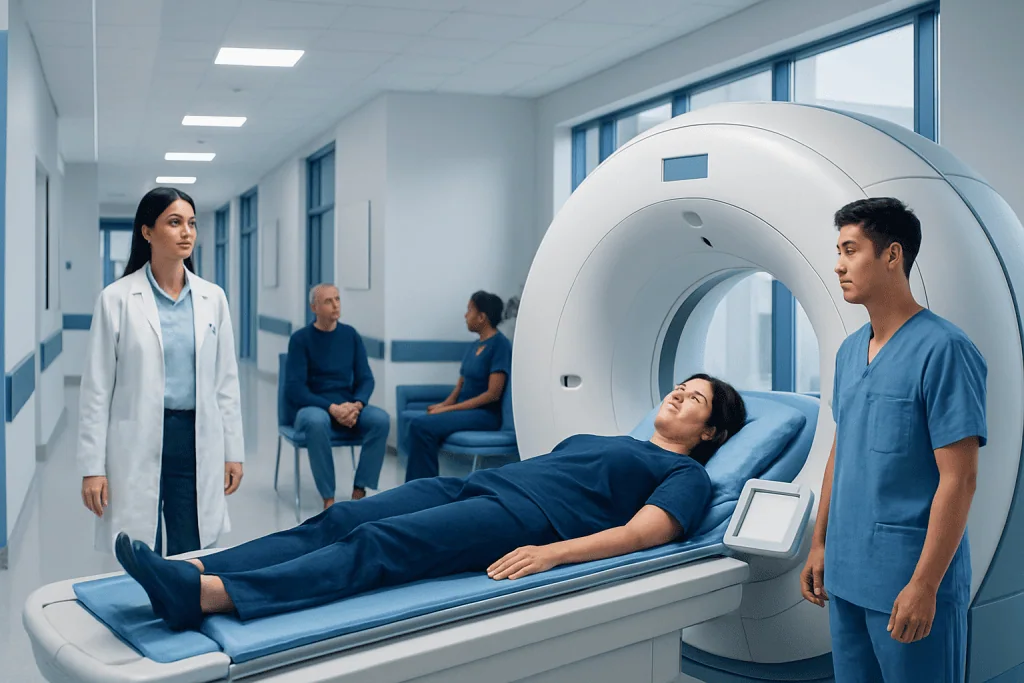
MRCP scan is a non-invasive MRI technique used to examine the bile ducts and pancreatic ducts. It can help detect gallstones, bile duct narrowing, inflammation, cysts, and some tumors.
Key Takeaways
- MRCP scan is a non-invasive MRI technique used to examine the bile ducts and pancreatic ducts.
- It can help detect gallstones, bile duct narrowing, inflammation, cysts, and some tumors.
- The test does not usually require instruments to be passed into the body, unlike endoscopic procedures.
- Preparation may include fasting for several hours and removing metal items before the scan.
- MRCP images help doctors decide whether monitoring, medication, endoscopy, or surgery is needed.
An MRCP scan is a specialized MRI test that creates detailed images of the bile ducts, gallbladder, pancreas, and pancreatic duct. It is a non-invasive way for doctors to look for blockages, stones, inflammation, or other problems without using surgical instruments.
Overview: What an MRCP Scan Is
MRCP stands for magnetic resonance cholangiopancreatography. It is a specialized form of MRI designed to produce clear images of the fluid-filled structures in the upper digestive system, especially the bile ducts, gallbladder, pancreas, and pancreatic duct. Because these ducts contain fluid, they can stand out well on MRI images, helping doctors evaluate areas that may be difficult to assess with standard imaging alone.
This test is often used when a person has symptoms or test results suggesting a problem in the biliary system or pancreas. For example, it may be recommended when there is unexplained jaundice, abnormal liver blood tests, repeated upper abdominal pain, suspected gallstones in the bile duct, or concern about pancreatitis. MRCP can also help assess structural problems such as narrowing, dilatation, cysts, or congenital differences in the ducts.
One of the main advantages of MRCP is that it is non-invasive. Unlike procedures that use an endoscope or instruments to enter the body, MRCP relies on magnetic fields and radio waves to create images. This means there is no surgical incision, and in many cases no contrast dye is needed. For many patients, it provides important diagnostic information while avoiding the risks associated with more invasive tests.
What the Scan Shows and Why It Is Used
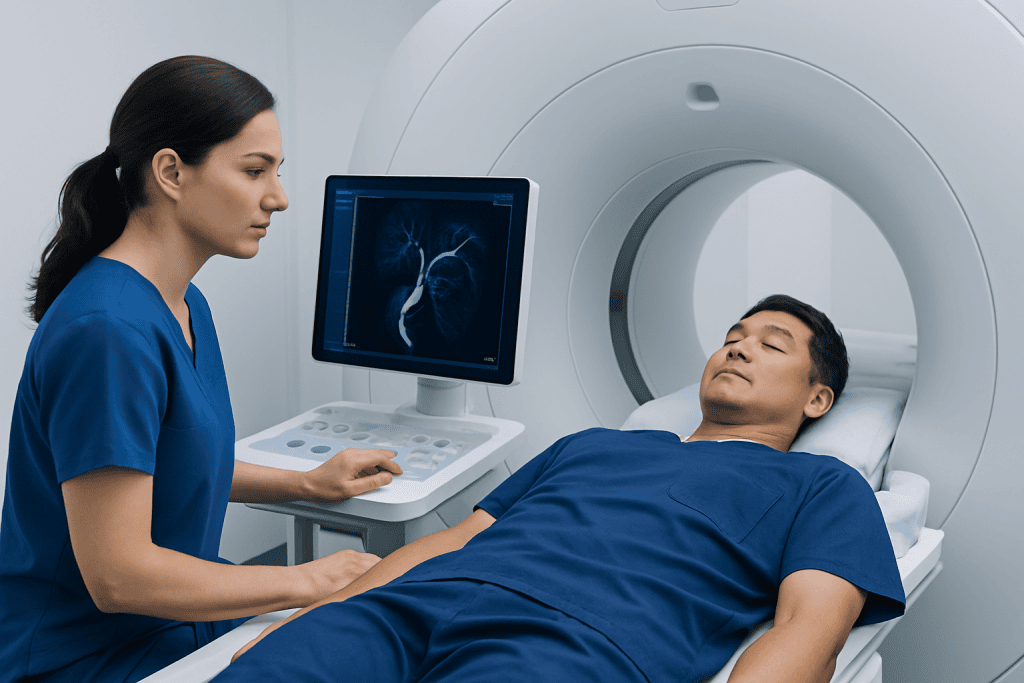
An MRCP scan is particularly useful for looking at the pathways that carry bile from the liver and gallbladder into the small intestine, as well as the duct that carries digestive enzymes from the pancreas. When one of these ducts becomes blocked or narrowed, symptoms can develop and blood tests may become abnormal. MRCP helps doctors locate where the problem is and how extensive it may be.
Conditions that may be evaluated with MRCP include stones in the common bile duct, inflammation related to pancreatitis, bile duct strictures, postoperative changes, cystic lesions, and possible tumors affecting the pancreas or biliary tract. It can also be used to investigate disorders such as pancreatitis or suspected bile duct obstruction. In some cases, MRCP is requested after ultrasound or CT scanning if those tests did not fully explain a patient’s symptoms.
Doctors may choose MRCP because it can answer important questions without immediately moving to an invasive procedure. If the images show a blockage that needs treatment, the next step may be a targeted procedure such as ERCP to remove a stone, place a stent, or collect tissue samples. In this way, MRCP often helps guide the safest and most appropriate treatment plan.
When Doctors Recommend an MRCP Scan

A doctor may suggest an MRCP scan when symptoms point to a problem involving the liver, gallbladder, bile ducts, or pancreas. Common reasons include jaundice, dark urine, pale stools, itching related to bile flow problems, nausea, vomiting, fever with suspected biliary infection, or persistent pain in the upper abdomen that may spread to the back. Blood tests showing high bilirubin, elevated liver enzymes, or signs of pancreatic irritation may also prompt further imaging.
MRCP is also useful in people who have had previous gallstones, recurrent pancreatitis, or surgery affecting the biliary tract. It may help assess whether the ducts are blocked, dilated, or altered by scarring. In some patients, it is used to monitor known conditions over time, especially when a doctor wants detailed imaging without radiation exposure.
In children or adults with anatomical differences present from birth, MRCP can offer a careful view of duct structure. It may also be considered when standard ultrasound is limited by body habitus, bowel gas, or uncertain findings. While MRCP is highly informative, the decision to order it depends on the person’s symptoms, medical history, blood test results, and prior imaging.
How to Prepare and What Happens During the Test
Preparation for an MRCP scan is usually straightforward. Many imaging centers ask patients not to eat or drink for several hours before the appointment. Fasting can reduce fluid and movement in the stomach and intestines and may improve visibility of the gallbladder and ducts. The care team will also ask about implanted devices, prior surgeries, kidney problems, allergies, pregnancy, and any history of claustrophobia.
Because MRI uses a strong magnet, patients need to remove metal objects such as jewelry, watches, hairpins, hearing aids, removable dental appliances, and clothing with metal fasteners if requested. It is important to tell the team about pacemakers, aneurysm clips, insulin pumps, cochlear implants, or other medical devices. Many modern implants are MRI-compatible, but each device must be checked carefully before scanning.
During the exam, the patient lies still on a table that moves into the MRI scanner. The machine makes knocking or humming sounds, and ear protection is usually provided. The test itself is painless, although some people feel mildly uncomfortable from lying still or being in an enclosed space. In some cases, additional MRI images of the abdomen are obtained at the same time, and occasionally contrast is used if the doctor needs broader information beyond the ducts.
The scan often takes between about 15 and 45 minutes, depending on the imaging plan. Afterward, most people can return to normal activities right away unless they received medication for relaxation. A radiologist reviews the images and sends a report to the referring doctor, who then explains the findings and next steps.
Benefits, Limits, and Safety Considerations
MRCP offers several important benefits. It is non-invasive, does not use ionizing radiation, and can provide detailed images of the biliary and pancreatic duct systems. This makes it especially helpful when doctors want to investigate symptoms thoroughly while avoiding unnecessary procedural risks. For many people, it can reduce the need for diagnostic endoscopy and reserve invasive treatment for cases where intervention is actually needed.
Like any imaging test, MRCP also has limitations. It shows anatomy very well, but it does not treat a blockage or remove a stone. If a scan identifies a problem that requires action, a therapeutic procedure may still be necessary. Very small stones, subtle early changes, or motion-related image blurring can sometimes make interpretation more difficult. In some cases, other tests such as ultrasound, CT, blood tests, or endoscopy may still be needed.
MRI is generally considered safe for most people, but it is not suitable for everyone. Some implanted devices may prevent scanning or require special precautions. People with severe claustrophobia may need support or mild sedation. If contrast is needed as part of a broader MRI study, the care team will review kidney function and any prior reactions. Overall, MRCP is widely used because it combines strong diagnostic value with a favorable safety profile.
Understanding Results and Possible Next Steps
MRCP results may show a normal duct system or reveal findings such as gallstones in the bile duct, widening of the ducts, a narrowing called a stricture, inflammation, fluid collections, cysts, or signs of a mass. The report is interpreted together with symptoms, physical examination, blood tests, and any earlier imaging. A finding on MRCP does not always mean a serious disease, but it does help narrow down the cause of symptoms and guide further care.
If a stone or blockage is found, treatment may involve endoscopic or surgical care rather than another imaging test. For example, a doctor may recommend gallbladder surgery if gallstones are causing repeated problems, or further evaluation of the pancreas through gastroenterology care. If a narrowed area is seen, the next step might include endoscopy, tissue sampling, or follow-up imaging to understand the cause more clearly.
In cases where inflammation is suspected, doctors may combine MRCP findings with clinical signs and blood tests to diagnose conditions such as bile duct infection or pancreatitis. If there is concern about a tumor or complex pancreatic disease, the patient may be referred to a multidisciplinary team for tailored assessment. Near the end of the diagnostic pathway, some international patients choose centers such as Acibadem International, where multidisciplinary specialists in JCI-accredited hospitals evaluate and treat biliary and pancreatic conditions.
When to See a Doctor
A person should seek medical attention for symptoms that may suggest a problem with the bile ducts or pancreas, especially if they are persistent or worsening. These include yellowing of the skin or eyes, severe or repeated upper abdominal pain, fever with chills, unexplained vomiting, dark urine, pale stools, or significant itching. These symptoms do not always point to a serious condition, but they deserve timely evaluation.
Urgent care is especially important if abdominal pain is intense, comes with jaundice or fever, or is associated with fainting, confusion, or signs of dehydration. Such combinations can sometimes suggest infection, obstruction, or acute pancreatitis and should not be ignored. Early medical assessment helps doctors decide whether blood tests, ultrasound, CT, MRCP, or a treatment procedure is the most appropriate next step.
Even when symptoms are mild, recurring episodes should be discussed with a qualified doctor. Ongoing bloating, indigestion after meals, repeated pain under the right ribs, or unexplained abnormal liver tests may justify further investigation. An MRCP scan is one of the tools that can help clarify the cause and support a more confident treatment plan.
Frequently asked questions
What does MRCP stand for?
MRCP stands for magnetic resonance cholangiopancreatography. It is a special MRI technique used to look closely at the bile ducts, gallbladder, pancreas, and pancreatic duct.
Is an MRCP scan painful?
No, an MRCP scan is usually painless. The main challenge for some people is lying still in the MRI scanner and tolerating the enclosed space and machine noise.
How is MRCP different from ERCP?
MRCP is a non-invasive imaging test that shows the ducts using MRI technology. ERCP is an endoscopic procedure that can both diagnose and treat certain problems, such as removing stones or placing a stent.
Do patients need contrast dye for MRCP?
Many MRCP scans are performed without contrast dye because the fluid in the ducts shows up naturally on MRI. In some situations, contrast may be used if additional abdominal MRI information is needed.
How long does an MRCP scan take?
The exam commonly takes about 15 to 45 minutes, depending on how many images are needed. Patients should also allow extra time for check-in, safety screening, and preparation.
Can an MRCP scan detect gallstones?
Yes, MRCP can often detect gallstones that have moved into the bile ducts. It is especially helpful when doctors suspect a duct blockage that may not be fully visible on ultrasound.
Who should not have an MRCP scan?
Some people with certain implanted medical devices or metal fragments in the body may not be suitable for MRI-based tests. The imaging team reviews each person's medical history carefully to decide whether MRCP is safe.
References
- National Institute of Diabetes and Digestive and Kidney Diseases
- Radiological Society of North America
- American College of Radiology
- National Health Service
- Mayo Clinic
This article is for general information only and is not a substitute for professional medical advice. Please consult a qualified doctor about your individual situation.
Explore treatments in Turkey — costs, top hospitals & a free quote
JCI-accredited · board-certified surgeons · reply within 24h
Add us as a Preferred Source to see more of our trusted health content across Google Search, AI Overviews and Discover.