Hemorrhagic Stroke: Bleeding in the Brain, Emergency Care, and Outcomes

Hemorrhagic stroke is caused by bleeding in or around the brain and requires urgent emergency care. Common warning signs include sudden weakness, trouble speaking, severe headache, confusion, vision changes, and loss of balance.
Key Takeaways
- Hemorrhagic stroke is caused by bleeding in or around the brain and requires urgent emergency care.
- Common warning signs include sudden weakness, trouble speaking, severe headache, confusion, vision changes, and loss of balance.
- Brain imaging, especially CT or MRI, helps doctors confirm bleeding and guide treatment decisions quickly.
- Treatment may include blood pressure control, reversal of blood thinners, intensive monitoring, and sometimes surgery or minimally invasive procedures.
- Recovery varies, but rehabilitation and careful prevention of future stroke risks are important parts of care.
Hemorrhagic stroke happens when a blood vessel in or around the brain bursts and causes bleeding. It is a medical emergency, but prompt diagnosis, expert treatment, and rehabilitation can improve outcomes and support recovery.
Overview
Hemorrhagic stroke is a type of stroke caused by bleeding in the brain or in the space around it. The bleeding puts pressure on delicate brain tissue and can interrupt the normal blood supply that brain cells need to function. Because brain cells are highly sensitive to pressure and loss of oxygen, this condition needs immediate medical attention.
There are two main forms of hemorrhagic stroke. Intracerebral hemorrhage means bleeding occurs within the brain tissue itself. Subarachnoid hemorrhage means bleeding happens in the space between the brain and the tissues covering it. Both are serious, but the symptoms, causes, and treatments may differ depending on the location and extent of bleeding.
Hemorrhagic stroke is different from ischemic stroke, which happens when a blood vessel is blocked rather than ruptured. This distinction is very important because the treatments are not the same. Medicines that help some people with blocked-vessel strokes can be dangerous in a hemorrhagic stroke, which is why rapid brain imaging is essential.
Symptoms and emergency warning signs
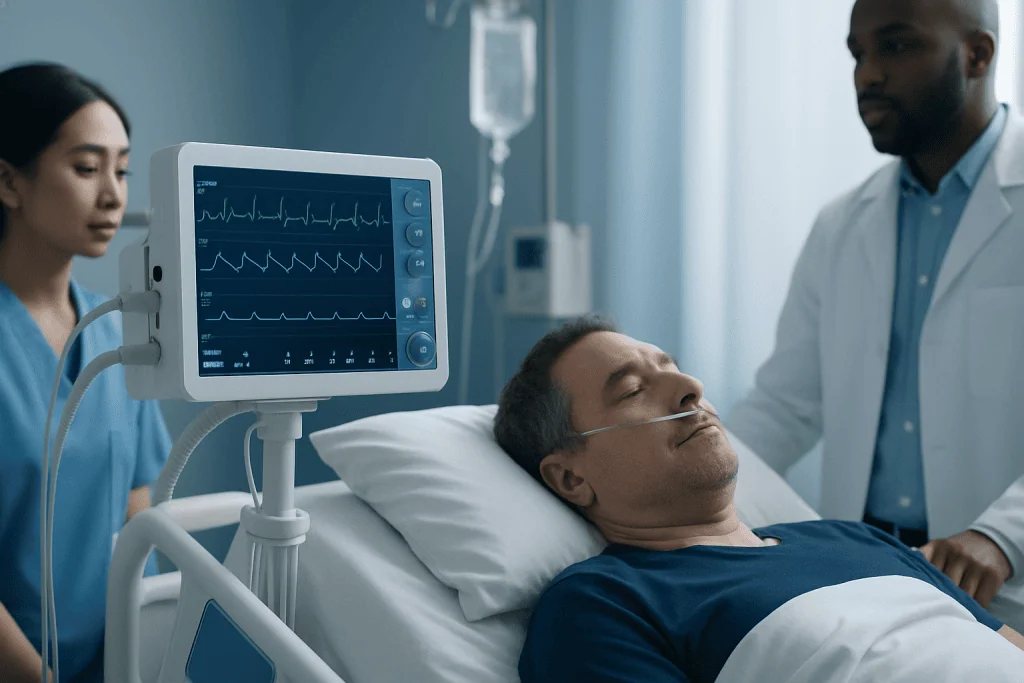
Symptoms of hemorrhagic stroke usually begin suddenly. They depend on where the bleeding occurs, how much bleeding is present, and how much pressure builds in the brain. Some people remain awake but confused, while others may become very drowsy or lose consciousness.
Common symptoms can include:
- Sudden weakness or numbness, especially on one side of the body
- Difficulty speaking or understanding speech
- A sudden, very severe headache
- Nausea or vomiting
- Problems with balance, walking, or coordination
- Vision changes, such as blurred or double vision
- Confusion, decreased alertness, or fainting
- Seizures in some cases
A subarachnoid hemorrhage may cause what people often describe as the worst headache of their life. Not every severe headache is a hemorrhagic stroke, but any sudden, unusual, intense headache deserves urgent evaluation. If stroke symptoms appear, emergency services should be contacted right away rather than waiting to see if they improve.
Using a simple stroke recognition tool can help. Facial drooping, arm weakness, and speech difficulty are important clues, and time matters. Even if symptoms come and go, immediate assessment is still needed because early treatment can reduce complications and guide safe care.
Causes and risk factors
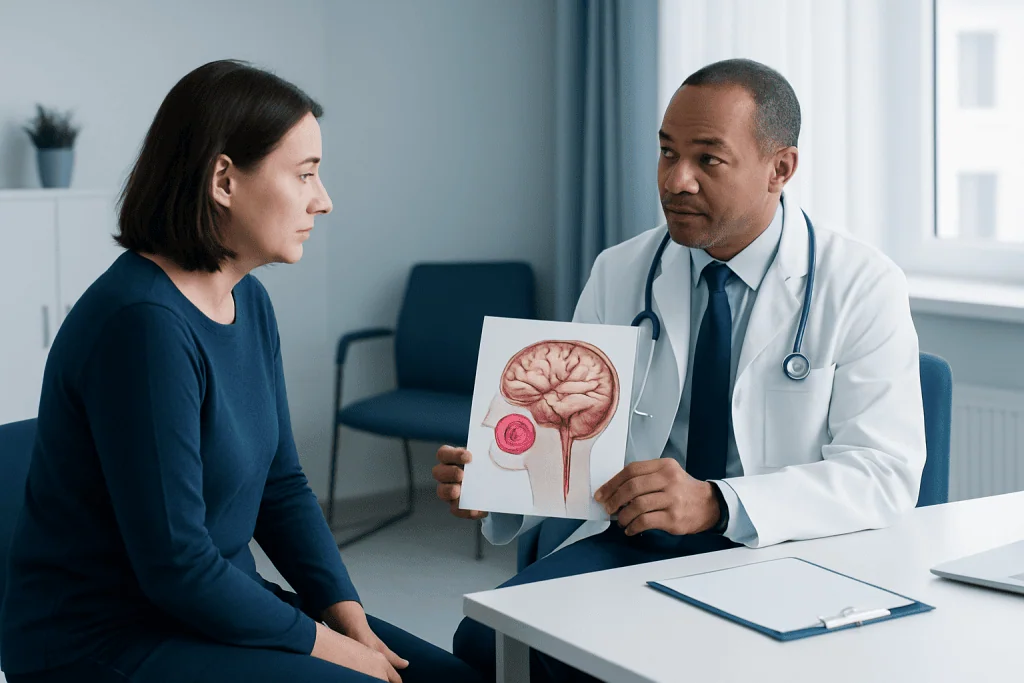
Hemorrhagic stroke occurs when a blood vessel becomes weak and ruptures. One of the most common causes is long-standing high blood pressure, which can damage the walls of small arteries in the brain over time. Other causes include abnormal blood vessels, head injury, bleeding disorders, and the use of medications that affect clotting.
Important risk factors include:
- High blood pressure
- Older age
- Smoking
- Heavy alcohol use
- Use of blood thinners or antiplatelet medicines
- Brain aneurysm
- Arteriovenous malformation or other vascular abnormalities
- Certain blood clotting disorders
- Previous stroke or underlying blood vessel disease
In some cases, bleeding is related to an aneurysm, which is a weak, bulging area in a blood vessel wall. If an aneurysm ruptures, it can lead to a brain aneurysm emergency with subarachnoid hemorrhage. In other people, a vascular tangle called an arteriovenous malformation may be responsible.
Doctors also consider less common causes, such as tumors that bleed, inflammation of blood vessels, illicit stimulant use, or conditions linked to fragile brain vessels in older adults. Finding the underlying cause is an important part of treatment because it affects the chances of recurrent bleeding and the best long-term plan.
How doctors diagnose hemorrhagic stroke
Diagnosis begins with a rapid medical assessment focused on airway, breathing, circulation, neurological function, and symptom timing. Doctors ask when symptoms started, whether the person takes blood thinners, and whether there has been trauma, severe headache, or loss of consciousness. A neurological examination helps identify which parts of the brain may be affected.
The most important first test is usually an urgent CT scan of the head because it can quickly show fresh bleeding. In some situations, MRI may provide additional detail. These scans help distinguish hemorrhagic stroke from ischemic stroke and show the size and location of the bleed.
Additional tests may include blood tests to check clotting, blood counts, kidney function, and other medical factors. Doctors may also use CT angiography, MR angiography, or catheter angiography to look for aneurysms or abnormal blood vessels. When a more detailed look at the brain’s blood vessels is needed, specialized interventional neuroradiology techniques may be part of the evaluation and treatment plan.
Continuous monitoring is also part of diagnosis because a person’s condition can change quickly. Blood pressure, consciousness level, breathing, and signs of increased pressure in the brain are watched closely, especially during the first hours and days after the stroke.
Treatment options and hospital care
Hemorrhagic stroke treatment focuses on stabilizing the patient, limiting further bleeding, reducing pressure on the brain, and treating the underlying cause. Care often begins in the emergency department and continues in an intensive care or specialized stroke unit. The exact plan depends on the location of bleeding, the size of the hemorrhage, symptoms, and the person’s general health.
Initial treatment may include careful blood pressure control, reversal of blood-thinning medication when appropriate, management of breathing, and treatment of fever, pain, or seizures if they occur. Doctors also try to prevent complications such as aspiration, deep vein thrombosis, or worsening brain swelling. Some patients need temporary support with nutrition or ventilation.
When bleeding is caused by a ruptured aneurysm or another vascular problem, a procedure may be needed to secure the blood vessel and prevent rebleeding. Depending on the situation, this may involve brain aneurysm treatment or a specialized endovascular treatment approach. Some people may require neurosurgical care to remove a clot, relieve pressure, or place a drain if fluid builds up around the brain.
Because each hemorrhagic stroke is different, care is often coordinated by neurologists, neurosurgeons, intensive care specialists, radiologists, and rehabilitation experts. Near the end of the hospital stay, families usually receive guidance on rehabilitation needs, possible complications, and measures to reduce the risk of another stroke. Acibadem International’s multidisciplinary specialists and JCI-accredited hospitals diagnose and treat hemorrhagic stroke for international patients when advanced evaluation and coordinated care are needed.
Recovery, rehabilitation, and outcomes
Recovery after hemorrhagic stroke varies widely. Some people improve steadily over weeks and months, while others may have lasting difficulties with movement, speech, memory, vision, or daily activities. The outcome depends on factors such as the location and volume of bleeding, age, level of consciousness at presentation, and the speed of treatment.
Rehabilitation usually starts early, often while the person is still in the hospital. It may include physical therapy to improve strength and balance, occupational therapy to support daily living skills, and speech-language therapy for communication or swallowing problems. Emotional support is also important because stroke recovery can be physically and mentally demanding.
Families often notice that progress is not always linear. Small improvements can add up over time, and goals may change as the person regains strength and function. Follow-up appointments help doctors monitor blood pressure, review medications, assess cognition and mood, and watch for complications such as spasticity or seizures.
Some survivors need long-term support, while others return to many of their usual activities. A structured rehabilitation plan, realistic expectations, and consistent medical follow-up can make a meaningful difference in independence and quality of life.
Prevention, self-care, and when to seek medical help
The most important step in prevention is controlling high blood pressure. This usually includes regular checkups, taking prescribed medicines as directed, limiting excess salt, staying physically active when medically appropriate, and maintaining a healthy weight. Not smoking and avoiding heavy alcohol use are also important for brain and blood vessel health.
People who take blood thinners should use them only as prescribed and attend regular follow-up visits. They should tell their doctor about falls, unusual bruising, or bleeding symptoms. If imaging has shown an aneurysm or another vessel abnormality, specialist follow-up is essential because preventive treatment may sometimes reduce the risk of future hemorrhage.
Anyone with sudden stroke symptoms should seek emergency help immediately. Warning signs include one-sided weakness, trouble speaking, sudden severe headache, confusion, fainting, or new trouble seeing or walking. It is safer to treat these symptoms as an emergency rather than assuming they will pass.
Even after recovery, regular follow-up remains important. Doctors may review risk factors, evaluate for related problems such as carotid artery disease when appropriate, and help manage overall stroke risk. Quick action, careful prevention, and ongoing rehabilitation together offer the best chance for a safer recovery path.
Frequently asked questions
What is the difference between hemorrhagic stroke and ischemic stroke?
A hemorrhagic stroke happens when a blood vessel ruptures and causes bleeding in or around the brain. An ischemic stroke happens when a blood vessel is blocked. The difference matters because the treatments are very different, and brain imaging is needed to confirm the type.
Is hemorrhagic stroke always caused by high blood pressure?
No. High blood pressure is a major risk factor, but hemorrhagic stroke can also be caused by aneurysms, abnormal blood vessels, blood-thinning medicines, head injury, and some bleeding disorders. Doctors look for the specific cause to help guide treatment and prevention.
Can a person recover from a hemorrhagic stroke?
Yes, recovery is possible, but it varies from person to person. Some people recover well, while others have long-term effects on movement, speech, memory, or independence. Early treatment and rehabilitation can improve the chance of a better outcome.
What should family members do if they suspect a hemorrhagic stroke?
They should call emergency services immediately and note when symptoms started. The person should not be given food, drink, or medication unless advised by a medical professional. Fast medical evaluation is essential because treatment decisions depend on urgent imaging and close monitoring.
Can hemorrhagic stroke be prevented?
Not every case can be prevented, but risk can often be reduced. Good blood pressure control, avoiding smoking, limiting alcohol, managing medications carefully, and following up on known aneurysms or vascular problems are important prevention steps.
How long does rehabilitation take after hemorrhagic stroke?
There is no single timeline. Some people need only a short period of therapy, while others benefit from months of rehabilitation and follow-up care. Recovery often continues gradually over time, especially with consistent therapy and support.
References
- World Stroke Organization
- American Stroke Association
- National Institute of Neurological Disorders and Stroke
- Centers for Disease Control and Prevention
- European Stroke Organisation
This article is for general information only and is not a substitute for professional medical advice. Please consult a qualified doctor about your individual situation.
Explore treatments in Turkey — costs, top hospitals & a free quote
JCI-accredited · board-certified surgeons · reply within 24h
Add us as a Preferred Source to see more of our trusted health content across Google Search, AI Overviews and Discover.
Check your numbers in seconds
BMI, calories, due date, blood pressure and 30+ more clinical calculators — free, instant, doctor-reviewed ranges.

More from the Health Library



Related Specialists

Prof. Dr. Murat Toprak
Otorhinolaryngology
Dr. Meliha Kovancı Bayraktaroğlu
Gynecology & Obstetrics
Assoc. Prof. Dr. Barış Görgün
Orthopedic Surgery & Traumatology
Prof. Dr. Fatih Oğuz Önder
Gastroenterology