Epilepsy and Sleep: Why Seizures, Medications, and Poor Rest Can Affect Each Other

Poor sleep is a common seizure trigger for many people with epilepsy. Seizures may happen during sleep, on waking, or after sleep deprivation depending on the epilepsy type.
Key Takeaways
- Poor sleep is a common seizure trigger for many people with epilepsy.
- Seizures may happen during sleep, on waking, or after sleep deprivation depending on the epilepsy type.
- Anti-seizure medicines can improve seizure control but may also affect alertness, sleep quality, or sleep timing.
- A sleep evaluation may help if seizures remain difficult to control or if snoring, insomnia, or daytime sleepiness are present.
- Regular sleep habits, medication adherence, and specialist follow-up can help improve both seizure control and rest.
Epilepsy and sleep are closely connected. Sleep loss can lower the seizure threshold, while seizures, nighttime brain activity, and some medications can interfere with sleep quality and daytime energy.
Overview: the link between epilepsy and sleep
Epilepsy and sleep influence each other in several important ways. Epilepsy is a condition that causes recurrent seizures due to bursts of abnormal electrical activity in the brain. Sleep is a natural brain state with its own patterns of electrical activity, so changes in sleep can affect how easily seizures happen, and seizures can affect how restful sleep feels.
For many people, not getting enough sleep is a well-known seizure trigger. Even one night of poor rest may increase seizure risk in some individuals. At the same time, seizures that happen during the night may fragment sleep without a person fully realizing it, leading to fatigue, poor concentration, and daytime sleepiness.
Sleep disorders can also overlap with epilepsy. Conditions such as insomnia, obstructive sleep apnea, restless sleep, and circadian rhythm problems may worsen overall health and sometimes make seizure control more difficult. Because of this two-way relationship, improving sleep is often an important part of epilepsy care, not only a comfort issue.
How sleep affects seizures
The brain changes its activity across wakefulness, light sleep, deep sleep, and dream sleep. In some people with epilepsy, these natural shifts can make seizures more or less likely. Certain seizure types happen more often during sleep, while others are more common shortly after waking. This pattern can help doctors understand the underlying epilepsy syndrome.
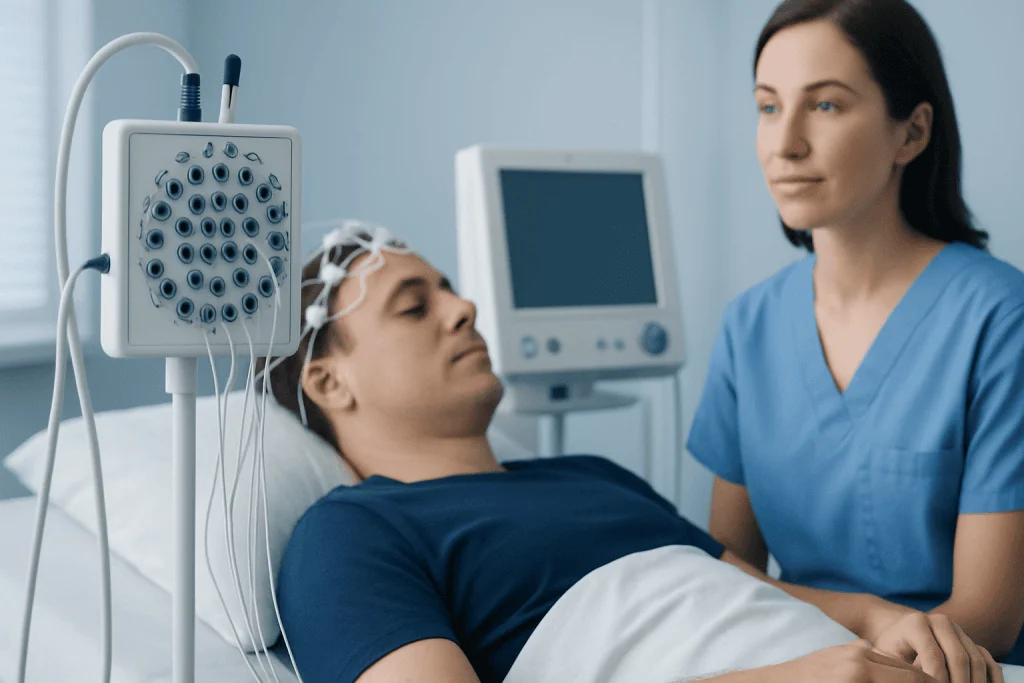
Sleep deprivation is one of the most common and recognized seizure triggers. Missing sleep can make brain networks more excitable, lowering the threshold for a seizure. This is why doctors sometimes use partial sleep deprivation before an electroencephalogram (EEG), because it may increase the chance of detecting abnormal electrical activity.
Stress, shift work, jet lag, and irregular bedtimes can have similar effects because they disrupt normal sleep timing and quality. Alcohol, illness, and medication changes may add to the problem. For some people, even if the total sleep time seems adequate, fragmented or poor-quality sleep may still contribute to seizure vulnerability.
- Seizures may become more likely after a short night of sleep.
- Irregular sleep schedules can interfere with seizure stability.
- Some epilepsy syndromes have seizures mainly during sleep or on waking.
- Improving sleep hygiene may reduce one important trigger.
How epilepsy can disturb sleep

Epilepsy can affect sleep in visible and less obvious ways. A person may have noticeable nighttime seizures, movements, tongue biting, bedwetting, confusion on waking, or injuries from falling out of bed. In other cases, there may be brief electrical discharges or subtle seizures during sleep that do not fully wake the person but still interrupt normal sleep structure.
After a seizure, some people sleep deeply for a period of time, while others wake with headache, muscle soreness, or confusion. Repeated nighttime events can reduce restorative sleep and lead to daytime sleepiness, memory problems, mood changes, and reduced quality of life. Family members may be the first to notice unusual nighttime behaviors.
It can sometimes be difficult to tell whether nighttime episodes are seizures, parasomnias, panic attacks, movement disorders, or episodes related to sleep apnea. This is one reason why a careful history and sometimes overnight testing are helpful. If a person snores loudly, gasps during sleep, or feels very sleepy during the day, a coexisting sleep disorder should be considered alongside epilepsy.
Symptoms and warning signs to watch for
Symptoms linked to epilepsy and sleep may be different from person to person. Some people notice seizures after nights of poor sleep, while others have signs that suggest seizures are happening during the night. Common clues include waking confused, finding blood on the pillow from tongue biting, muscle aches in the morning, unexplained bedwetting, or injuries with no clear cause.
Daytime symptoms may include excessive sleepiness, difficulty concentrating, mood changes, headaches on waking, and trouble with school or work performance. These symptoms do not prove that seizures are happening at night, but they can point to poor-quality sleep or an overlapping sleep disorder.
Anti-seizure medicines may also affect sleep and alertness. Some medications can cause drowsiness, vivid dreams, insomnia, or changes in sleep timing. Others may indirectly improve sleep by reducing seizure frequency. Any new sleep-related symptom after a medication change is worth discussing with the treating doctor rather than stopping treatment without advice.
- Seizures after sleep loss or at specific times, such as early morning
- Unexplained confusion or severe tiredness on waking
- Nocturnal movements, vocalization, or unusual behaviors during sleep
- Loud snoring, pauses in breathing, or daytime sleepiness
- Changes in sleep after starting or adjusting medication
Diagnosis: how doctors evaluate sleep-related seizure concerns
Evaluation usually begins with a detailed history. Doctors ask when seizures happen, whether they are linked to sleep loss, what the person remembers, and whether a bed partner or family member has observed nighttime events. Information about medications, alcohol use, shift work, mood, and snoring is also important because these can affect both seizures and sleep.
Tests may include an EEG to look for abnormal brain activity and brain imaging, often with MRI, to look for structural causes when appropriate. In some cases, prolonged video EEG monitoring is needed to capture events and determine whether they are seizures or another sleep-related condition. This may be especially useful when episodes occur mainly at night or the diagnosis is uncertain. Depending on the clinical picture, patients may undergo evaluation for electroencephalography (EEG), MRI, or video EEG monitoring.
If symptoms suggest obstructive sleep apnea or another primary sleep disorder, the doctor may recommend a sleep study. Assessing sleep quality is important because untreated sleep disorders can worsen fatigue and may complicate seizure management. A combined neurology and sleep medicine approach is often the most helpful when symptoms overlap.
Treatment options and improving both seizure control and sleep
The main treatment goal is to control seizures while supporting healthy sleep. This usually involves anti-seizure medication chosen according to seizure type, age, other medical conditions, and lifestyle. The right medicine and dose vary from person to person, and follow-up is important to balance seizure control with side effects such as sedation or insomnia.
When seizures continue despite treatment, doctors may review the diagnosis, check medication adherence, look for triggers such as sleep deprivation, and evaluate for coexisting sleep disorders. In some people, treatment may include dietary therapy, implanted devices, or procedures for seizure control. For selected patients, options such as epilepsy surgery may be considered after a specialist assessment.
Treating a sleep disorder can also help. For example, managing sleep apnea, chronic insomnia, or circadian rhythm disruption may improve daytime function and may reduce one source of seizure instability. Care is individualized, and any changes to medication or sleep treatment should be guided by a qualified clinician.
Near the end of the care pathway, some patients may benefit from multidisciplinary assessment in specialized centers. Acibadem International’s multidisciplinary specialists and JCI-accredited hospitals evaluate and treat epilepsy and related sleep concerns for international patients when advanced diagnosis or coordinated care is needed.
Prevention and self-care strategies
Self-care plays an important role in managing epilepsy and sleep. Keeping a regular sleep schedule is one of the most practical steps. Going to bed and waking at similar times each day helps support the body clock and may reduce the effects of sleep deprivation. This can be especially helpful for people who notice a clear relationship between poor sleep and seizures.
Medication adherence is equally important. Skipping doses can increase seizure risk, and taking medicines at inconsistent times may affect both seizure control and daily alertness. A seizure and sleep diary can help identify patterns, such as seizures after late nights, travel, illness, or stress. This information can be useful during clinic visits.
General sleep habits also matter. Limiting caffeine late in the day, reducing alcohol, creating a quiet dark sleep environment, and avoiding screen use close to bedtime may improve rest. If the person snores, wakes up gasping, has persistent insomnia, or remains very tired despite enough time in bed, they should ask whether a formal sleep evaluation is appropriate.
- Keep regular bedtimes and wake times, including weekends when possible.
- Take anti-seizure medicines exactly as prescribed.
- Avoid known personal triggers such as sleep loss and excess alcohol.
- Record seizures, sleep duration, and symptoms in a diary.
- Discuss travel, shift work, or fasting plans with the care team in advance.
When to see a doctor
A doctor should be consulted if seizures are new, changing, or happening more often, especially after periods of poor sleep. Medical review is also important if there are signs of nighttime seizures, such as unexplained injuries, tongue biting, severe confusion on waking, or repeated bedwetting. Any concern about medication side effects affecting sleep should be discussed promptly.
Urgent medical attention is needed for a seizure lasting longer than usual, repeated seizures without recovery in between, breathing difficulties, injury, or a first seizure. Caregivers should know the person’s seizure action plan and when emergency help is appropriate.
It is also worth seeking advice if snoring, witnessed pauses in breathing, chronic insomnia, or excessive daytime sleepiness are present. These symptoms may point to a treatable sleep disorder that is adding to the overall burden. Timely assessment can help clarify the cause and guide safer, more effective treatment.
Frequently asked questions
Can lack of sleep trigger seizures?
Yes. Sleep deprivation is a common seizure trigger for many people with epilepsy because it can make the brain more excitable. Even short-term sleep loss may increase seizure risk in some individuals.
Do seizures happen more often during sleep?
Some seizures do occur mainly during sleep, while others are more likely after waking. The pattern depends on the type of epilepsy and can help doctors with diagnosis and treatment planning.
Can epilepsy medication affect sleep?
Yes. Anti-seizure medicines can sometimes cause drowsiness, insomnia, vivid dreams, or changes in daytime alertness. However, they may also improve sleep indirectly by reducing seizure frequency, so any concerns should be reviewed with a doctor before making changes.
How can someone tell if seizures are happening at night?
Possible clues include waking confused, sore, or very tired, finding evidence of tongue biting, unexplained bedwetting, or unusual movements noticed by a partner or family member. Because other sleep disorders can look similar, a medical evaluation is often needed.
Should people with epilepsy have a sleep study?
A sleep study may be helpful if there is loud snoring, pauses in breathing, chronic insomnia, unusual nighttime behaviors, or persistent daytime sleepiness. It can also be useful when doctors need to separate seizures from other sleep-related conditions.
What sleep habits are best for people with epilepsy?
Regular sleep and wake times, enough total sleep, consistent medication use, and avoiding known triggers such as alcohol excess or all-night wakefulness are often helpful. A simple sleep and seizure diary can also make patterns easier to spot.
References
- World Health Organization
- International League Against Epilepsy
- National Institute of Neurological Disorders and Stroke
- American Academy of Sleep Medicine
- Epilepsy Foundation
This article is for general information only and is not a substitute for professional medical advice. Please consult a qualified doctor about your individual situation.
Epilepsy in Turkey — costs, top hospitals & a free quote
JCI-accredited · board-certified surgeons · reply within 24h
Add us as a Preferred Source to see more of our trusted health content across Google Search, AI Overviews and Discover.

Neurology
Diagnosis and treatment of disorders of the brain, spinal cord, nerves and muscles.
51 specialists in this unit