COVID Symptoms: Possible Causes and When to Seek Care

COVID symptoms commonly include sore throat, cough, fever, fatigue, congestion, and body aches. Some people also develop headache, nausea, diarrhea, or loss of taste and smell.
Key Takeaways
- COVID symptoms commonly include sore throat, cough, fever, fatigue, congestion, and body aches.
- Some people also develop headache, nausea, diarrhea, or loss of taste and smell.
- Symptoms vary by age, health status, immunity, and the viral variant involved.
- Trouble breathing, chest pain, confusion, or low oxygen levels need urgent medical attention.
- Testing, rest, fluids, symptom relief, and medical guidance help support recovery and reduce spread.
COVID symptoms can range from mild cold-like signs to more serious breathing problems, and they may change over the first several days of illness. Knowing which symptoms are common, which are less typical, and when medical evaluation is needed can help people respond appropriately and safely.
Overview: What COVID Symptoms Usually Feel Like
COVID symptoms most often affect the nose, throat, lungs, and whole body. In many people, the illness begins with symptoms that resemble a cold or flu, such as sore throat, congestion, cough, fever, fatigue, or body aches. Some people have only mild symptoms, while others become more unwell over several days.
One important feature of COVID-19 is that symptoms do not always follow the same pattern in every person. A person may start with tiredness and a scratchy throat, while another may first notice fever or headache. Some people never develop a fever, and some have stomach symptoms such as nausea or diarrhea instead of prominent respiratory symptoms.
Symptoms usually begin within a few days after exposure, but timing can vary. People can also spread the virus before they realize they are sick, which is why testing and sensible precautions remain important when symptoms begin.
Common and Less Common Symptoms

The most common COVID symptoms include:
- Sore throat
- Runny or stuffy nose
- Cough
- Fever or chills
- Fatigue
- Headache
- Muscle or body aches
Many people also report changes in smell or taste, although these symptoms may be less common than earlier in the pandemic. Some have hoarseness, sinus pressure, dizziness, or poor appetite. Digestive symptoms can occur as well, including nausea, vomiting, abdominal discomfort, or diarrhea.
COVID can look different in children, older adults, and people with chronic health conditions. Children may have fever, sore throat, cough, tiredness, or stomach upset. Older adults may show less obvious signs at first, such as weakness, reduced appetite, sleepiness, or confusion rather than a clear fever or cough.
Because these symptoms overlap with other infections, COVID cannot be diagnosed by symptoms alone. A viral illness such as influenza, RSV, or another respiratory infection may feel very similar, so testing can help clarify the cause.
How Symptoms Can Change Over Time
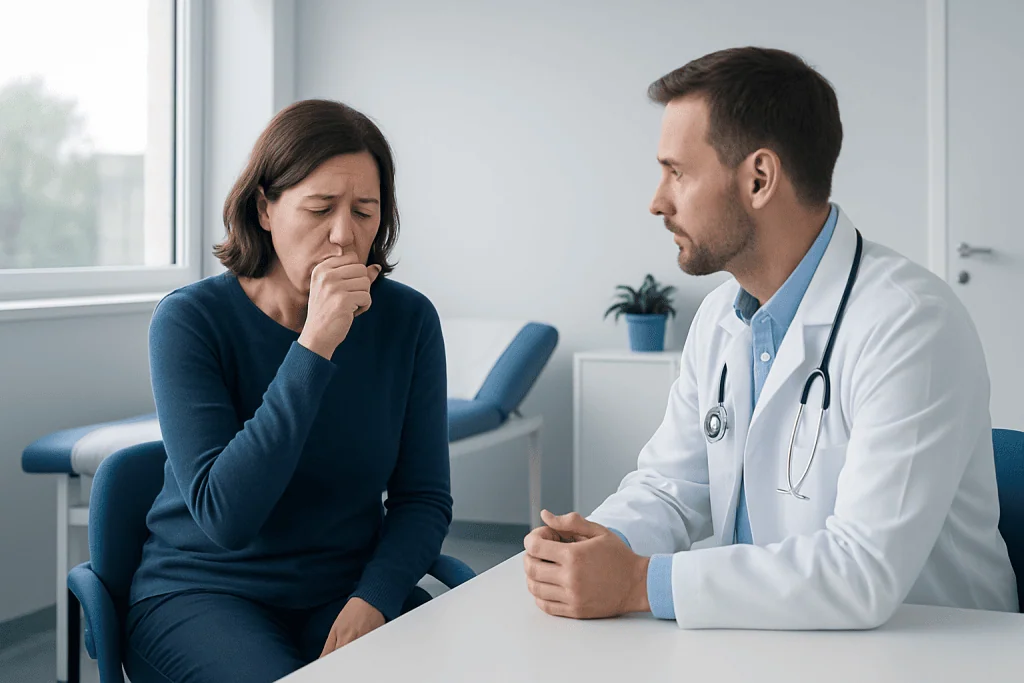
COVID symptoms often evolve in stages rather than appearing all at once. Early symptoms may include throat irritation, nasal congestion, mild cough, or unusual tiredness. Over the next few days, some people improve quickly, while others develop more cough, fever, chest tightness, or shortness of breath.
For many people, symptoms are worst during the first several days and then gradually ease. Cough and fatigue may last longer than other symptoms, sometimes continuing for weeks after the infection itself has improved. A lingering cough, lower exercise tolerance, or feeling “not quite back to normal” can occur during recovery.
Some people develop symptoms that continue or newly appear after the acute infection has passed. Ongoing fatigue, brain fog, palpitations, breathlessness, sleep disturbance, or smell changes may be part of long COVID. If symptoms persist or affect daily life, a medical review is appropriate.
Why COVID Symptoms Vary From Person to Person
COVID symptoms vary because the body’s response to infection is not the same in every individual. Age, vaccination status, previous infection, immune system function, pregnancy, and chronic conditions such as lung disease, heart disease, diabetes, or obesity can all influence how symptoms appear and how severe they become.
The amount of virus a person is exposed to and the variant circulating at the time may also affect symptom patterns. In more recent periods, many people have reported upper-respiratory symptoms such as sore throat, congestion, and cough, but serious lower-respiratory illness can still occur, especially in higher-risk groups.
People who are immunocompromised may have subtle or prolonged symptoms and can remain ill longer. Individuals with conditions such as pneumonia or asthma may notice greater breathing difficulty during infection. This is one reason doctors consider both the symptoms themselves and the person’s overall health profile.
How COVID Is Diagnosed
Doctors diagnose COVID using a combination of symptoms, exposure history, and viral testing. At-home rapid antigen tests can be useful, especially when symptoms begin, but a negative result early in illness does not always rule out infection. If symptoms strongly suggest COVID, repeating a rapid test after 24 to 48 hours may be advised according to current public health guidance.
In some situations, a laboratory-based PCR test may be recommended, particularly if the diagnosis will affect treatment decisions or infection-control planning. A clinician may also check oxygen levels, listen to the lungs, and ask about risk factors such as age, pregnancy, immune suppression, or chronic disease.
If symptoms are more severe, additional evaluation may be needed. This can include blood tests or chest imaging to look for complications such as dehydration or lung involvement. When breathing symptoms are significant, doctors may assess whether supportive hospital care or oxygen therapy is necessary.
Treatment Options and Symptom Relief
Most people with mild COVID symptoms recover at home with rest, fluids, and symptom-directed care. This may include fever reducers or pain relievers, throat-soothing measures, and attention to hydration and nutrition. People should follow current local guidance about testing, reducing spread to others, and returning to work, school, or travel.
Medical treatment is more important for people at higher risk of severe disease, including older adults, pregnant people, and those with chronic medical conditions or reduced immunity. In these cases, early contact with a doctor matters because antiviral treatment may be most helpful when started soon after symptoms begin. Hospital care may be required if there is worsening breathing difficulty, dehydration, or evidence of complications.
When COVID leads to significant lung inflammation or low oxygen levels, care may include COVID-19 treatment in a hospital setting and, in selected cases, intensive care. Management depends on symptom severity, oxygen needs, and any complications rather than on a single symptom alone.
When to Seek Medical Care
Medical advice should be sought promptly if a person with COVID symptoms is at high risk for severe illness or if symptoms are getting worse instead of better. This includes persistent high fever, worsening cough, poor fluid intake, repeated vomiting, or symptoms that interfere with normal breathing, walking, or staying awake.
Urgent care is needed for warning signs such as trouble breathing, chest pain or pressure, blue or gray lips, new confusion, fainting, severe weakness, or oxygen saturation lower than a doctor has advised is safe. In children, urgent concerns can include fast breathing, difficulty waking, poor feeding, dehydration, or unusual sleepiness.
If symptoms continue well beyond the expected recovery period, follow-up can help identify ongoing inflammation, lingering respiratory problems, or post-viral effects. Multidisciplinary specialists at Acibadem International’s JCI-accredited hospitals evaluate and treat international patients with acute COVID-related complications and recovery concerns.
Frequently asked questions
What are the first COVID symptoms most people notice?
Many people first notice a sore throat, congestion, runny nose, fatigue, or cough. Others may begin with fever, headache, or body aches. The earliest symptoms can be mild, so testing is often helpful when there is a possible exposure or a new respiratory illness.
Can COVID symptoms feel like a common cold?
Yes. COVID can look very similar to a common cold, especially when symptoms are limited to the nose and throat. Because symptoms overlap so much, a test is often the best way to tell whether COVID is the cause.
How long do COVID symptoms usually last?
Many people improve within several days to two weeks, especially if the illness is mild. However, cough, tiredness, and reduced stamina can last longer. If symptoms are worsening or not gradually improving, medical advice is recommended.
Is loss of taste or smell still a COVID symptom?
Yes, loss or change in taste or smell can still occur with COVID, although it may be less common than it was earlier in the pandemic. Some people recover these senses quickly, while others need more time. Persistent changes should be discussed with a doctor.
When should someone worry about COVID symptoms?
Warning signs include trouble breathing, chest pain, confusion, bluish lips, severe weakness, or dehydration. People at higher risk of severe illness should also seek medical advice early, even if symptoms seem mild at first. Early evaluation can guide monitoring and treatment.
Can children have different COVID symptoms than adults?
Yes. Children may have fever, sore throat, cough, fatigue, or stomach symptoms such as vomiting or diarrhea. Babies and young children may show fewer specific signs, so poor feeding, unusual sleepiness, or breathing changes should be taken seriously.
References
- World Health Organization
- Centers for Disease Control and Prevention
- National Institutes of Health
- Mayo Clinic
- American Lung Association
This article is for general information only and is not a substitute for professional medical advice. Please consult a qualified doctor about your individual situation.
Explore treatments in Turkey — costs, top hospitals & a free quote
JCI-accredited · board-certified surgeons · reply within 24h
Add us as a Preferred Source to see more of our trusted health content across Google Search, AI Overviews and Discover.