Mono Symptoms: Common Causes, Related Conditions, and When to See a Doctor

Mono symptoms often center on fatigue, sore throat, fever, and swollen glands. Infectious mononucleosis is usually caused by the Epstein-Barr virus, but similar symptoms can occur with other infections.
Key Takeaways
- Mono symptoms often center on fatigue, sore throat, fever, and swollen glands.
- Infectious mononucleosis is usually caused by the Epstein-Barr virus, but similar symptoms can occur with other infections.
- Diagnosis may involve a physical exam, blood tests, and review of symptom timing and exposure history.
- Treatment is generally supportive, with rest, fluids, pain relief, and temporary activity limits.
- Urgent care is needed for trouble breathing, severe abdominal pain, dehydration, or worsening symptoms.
Mono symptoms commonly include marked tiredness, sore throat, fever, and swollen lymph nodes, most often caused by infectious mononucleosis linked to the Epstein-Barr virus. While many people recover with rest and supportive care, symptoms can resemble other illnesses, so medical evaluation may be important when symptoms are severe, prolonged, or unusual.
Overview: What Mono Symptoms Usually Mean
Mono symptoms usually refer to the cluster of problems seen in infectious mononucleosis, a viral illness best known for causing intense fatigue, sore throat, fever, and swollen lymph nodes. In many cases, the cause is the Epstein-Barr virus, though some people use the term “mono” more broadly when they mean an illness that feels similar.
What makes mono symptoms distinctive is not only which symptoms appear, but also how long they can last. A sore throat may improve within days to a couple of weeks, but low energy can continue for several weeks and sometimes longer. This prolonged tiredness is one reason people often seek medical advice.
Mono can affect teenagers and young adults most commonly, but children and adults can develop it as well. In younger children, symptoms may be mild or less typical, while adolescents and adults are more likely to notice the classic pattern of fever, throat pain, swollen glands, and fatigue.
Because mono symptoms overlap with strep throat, influenza, COVID-19, and other viral infections, a diagnosis should not be assumed based on fatigue or sore throat alone. A qualified clinician can help distinguish infectious causes of illness and decide whether testing or monitoring is needed.
Common Mono Symptoms and How They Feel
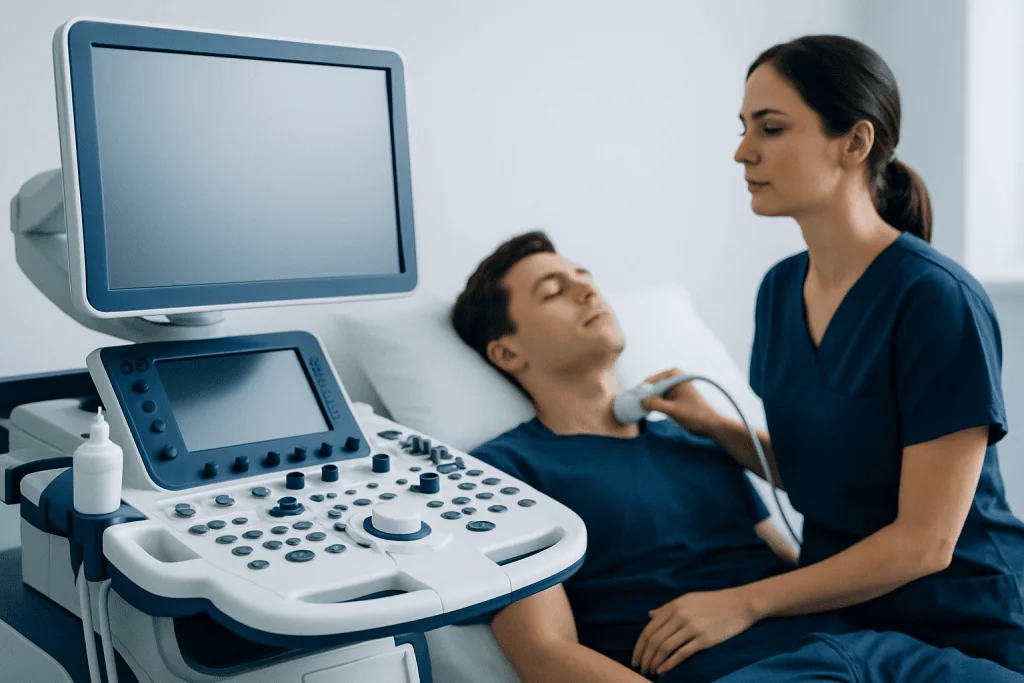
The most frequently reported mono symptoms are profound tiredness, fever, sore throat, and swollen lymph nodes in the neck. Many people describe the fatigue as more intense than ordinary tiredness, with a reduced ability to keep up with school, work, exercise, or daily routines. The sore throat can feel severe and may be accompanied by enlarged tonsils.
Other symptoms can include headache, body aches, poor appetite, and a general sense of weakness or malaise. Some people notice swollen glands in the armpits or groin, and others develop discomfort in the upper left abdomen if the spleen becomes enlarged. Mild liver irritation can also occur, sometimes causing nausea or, less commonly, yellowing of the skin or eyes.
Symptoms do not always appear all at once. A person may first feel run-down, then develop a fever and sore throat, followed by lingering fatigue after the throat symptoms begin to settle. This pattern can make mono easy to confuse with several other conditions, especially early in the illness.
- Extreme fatigue or low energy
- Sore throat, sometimes with swollen tonsils
- Fever
- Swollen lymph nodes, especially in the neck
- Headache and body aches
- Reduced appetite
- Possible enlarged spleen or mild liver involvement
Common Causes and Related Conditions

The classic cause of mono symptoms is infectious mononucleosis due to the Epstein-Barr virus. This virus spreads mainly through saliva, which is why mono is sometimes called the “kissing disease,” though sharing drinks, utensils, or close personal contact can also contribute. Once infected, a person may develop symptoms after an incubation period of several weeks.
However, mono symptoms are not unique to Epstein-Barr virus. Other viral infections, including cytomegalovirus, can cause a mono-like illness. In some cases, early HIV infection, viral hepatitis, or other infections may produce overlapping features such as fever, swollen glands, and fatigue. This is one reason the clinical context and testing can matter.
Not all sore throats with swollen glands are mono. Bacterial infections such as strep throat can look similar at first, especially when throat pain is prominent. Clinicians may also consider tonsillitis or other upper respiratory illnesses if the symptom pattern points in that direction.
Several noninfectious conditions can also mimic prolonged fatigue and swollen glands, though they are less common. If symptoms continue, recur, or do not fit the usual course, a doctor may evaluate for blood disorders, autoimmune diseases, or other systemic illnesses rather than assuming mono is the only explanation.
Who Is More Likely to Develop Mono Symptoms
Mono symptoms are seen most often in adolescents and young adults, particularly those in close-contact settings such as schools, universities, military environments, or shared housing. In these groups, exposure to saliva through everyday social contact is more common, and primary Epstein-Barr virus infection is more likely to cause noticeable illness.
Children can acquire Epstein-Barr virus too, but they often have mild symptoms or none at all. Adults who have not previously been exposed may also develop mono, and when they do, the illness can still bring substantial fatigue and throat symptoms. The severity can vary widely from one person to another.
People whose immune systems are weakened may need closer medical attention because infections can behave differently in them. Although mono itself is usually self-limited, anyone with chronic illness, pregnancy, or immune suppression should speak with a clinician if compatible symptoms develop.
Risk is linked more to exposure than to lifestyle in general. Close contact with an infected person, sharing cups or utensils, and crowded living conditions can all increase the chance of transmission. Good hygiene can reduce risk, although it cannot eliminate it entirely because people may spread the virus before realizing they are unwell.
How Doctors Diagnose the Cause of Mono Symptoms
Diagnosis begins with a medical history and physical examination. A clinician will ask about symptom onset, how severe the fatigue is, whether there has been recent fever, sick contacts, throat pain, abdominal discomfort, or trouble swallowing. During the exam, the doctor may check the throat, lymph nodes, liver, and spleen.
Blood tests are often used when mono is suspected. Depending on the timing of the illness, a doctor may order a heterophile antibody test or tests that look more specifically for Epstein-Barr virus antibodies. A complete blood count may also be helpful, as certain patterns in white blood cells can support the diagnosis.
Testing may also be used to rule out related conditions. For example, a throat swab or other laboratory work may help distinguish mono from strep throat, influenza, COVID-19, or other infections that cause similar symptoms. When abdominal pain is present, imaging may occasionally be used to assess for spleen enlargement or other concerns.
When symptoms are complex or prolonged, doctors may coordinate diagnostic imaging and laboratory evaluation to look for complications or alternative explanations. The goal is not simply to confirm mono, but to identify the true cause of symptoms and guide safe recovery.
Treatment and Recovery
There is no single curative medication for typical viral mono, so treatment is usually supportive. Rest, adequate fluids, and over-the-counter pain or fever medicines recommended by a doctor are the mainstays of care. Many people improve gradually over a few weeks, though full energy levels may take longer to return.
Antibiotics do not treat Epstein-Barr virus and are not routinely used unless a bacterial infection is also present. In selected situations, such as significant tonsil swelling causing breathing or swallowing difficulty, a doctor may consider additional treatment. Any medication decision should be individualized and guided by a qualified professional.
Physical activity often needs to be limited temporarily, especially contact sports or heavy lifting. This is because the spleen can become enlarged during mono, and although uncommon, splenic injury is a serious complication. A clinician can advise when it is safe to resume exercise based on symptoms, exam findings, and sometimes imaging.
If symptoms are severe or complications develop, specialist care may be helpful. In some cases, patients may benefit from evaluation by infectious diseases specialists or internal medicine specialists to assess persistent fever, prolonged fatigue, liver abnormalities, or an unclear diagnosis.
Self-Care, Prevention, and Reducing Spread
Self-care focuses on helping the body recover while avoiding complications. Rest is important, but complete inactivity for long periods is not always necessary once symptoms begin to improve. Gentle daily activity may be resumed gradually if approved by a doctor, while strenuous exercise should wait until it is considered safe.
Hydration and soothing measures for the throat can make recovery more comfortable. Warm liquids, cool drinks, and soft foods may help when swallowing is painful. Good sleep, balanced nutrition, and avoiding alcohol are often advised, especially if there is any liver irritation.
To reduce spread, people with mono symptoms should avoid sharing drinks, utensils, lip products, or toothbrushes. Hand hygiene and minimizing close saliva exposure are sensible precautions. Because the virus can remain in saliva for a period of time, people should follow their clinician’s advice about returning to close-contact activities.
Prevention is not always straightforward because many infections that cause mono symptoms can spread before diagnosis. Even so, practical habits can help:
- Do not share cups, bottles, or eating utensils
- Cover coughs and sneezes and wash hands regularly
- Rest and stay home when fever or significant throat symptoms are present
- Return to sports only after medical clearance if mono is confirmed or strongly suspected
When to Seek Medical Care
Medical care is appropriate when mono symptoms are intense, last longer than expected, or interfere with eating, drinking, breathing, or normal activity. A doctor should also assess symptoms if the diagnosis is uncertain, since mono can resemble several other illnesses that may need different treatment.
Prompt evaluation is especially important for severe throat swelling, trouble breathing, signs of dehydration, fainting, persistent high fever, chest pain, or new confusion. Severe pain in the upper left abdomen also needs urgent attention because it can suggest a spleen-related complication. Any yellowing of the skin or eyes should be discussed with a clinician as well.
People who are pregnant, immunocompromised, or living with significant chronic medical conditions should seek advice earlier in the course of illness. Ongoing fatigue lasting many weeks may also deserve review to confirm recovery is on track and that no other condition is contributing.
For patients needing specialist assessment, Acibadem International’s multidisciplinary teams in JCI-accredited hospitals diagnose and treat infectious and related conditions for international patients. The right evaluation can help clarify whether symptoms truly reflect mono or another illness requiring a different plan.
Frequently asked questions
What are the first signs of mono?
Early mono symptoms often include unusual tiredness, sore throat, fever, and swollen glands in the neck. Some people also notice headache, body aches, or reduced appetite before the illness becomes more recognizable.
How long do mono symptoms last?
The sore throat and fever often improve within days to a couple of weeks, but fatigue can last much longer. Recovery time varies, and some people need several weeks before energy levels return closer to normal.
Can mono symptoms happen without a sore throat?
Yes. Although sore throat is common, some people mainly experience fatigue, fever, and swollen lymph nodes. In children especially, symptoms may be mild or not follow the classic pattern.
How can someone tell mono apart from strep throat?
Mono and strep throat can both cause throat pain and swollen glands, so symptoms alone are not always enough to tell them apart. Mono is more often linked with significant fatigue and a longer course, while testing may be needed to confirm the cause.
Is mono contagious?
Yes, mono can spread through saliva. Sharing drinks, utensils, or close personal contact can increase the chance of transmission, although careful hygiene may help reduce risk.
Why should exercise be limited with mono?
Mono can sometimes enlarge the spleen, even if a person does not feel abdominal symptoms. Strenuous activity or contact sports may raise the risk of spleen injury, so a doctor should advise when it is safe to return to exercise.
When should someone worry about mono symptoms?
A person should seek prompt medical care for trouble breathing, severe throat swelling, dehydration, persistent high fever, severe abdominal pain, or yellowing of the skin or eyes. Medical review is also sensible when symptoms are prolonged, unusually severe, or not clearly improving.
References
- Centers for Disease Control and Prevention
- National Institute of Allergy and Infectious Diseases
- Mayo Clinic
- Merck Manual Consumer Version
- American Academy of Family Physicians
This article is for general information only and is not a substitute for professional medical advice. Please consult a qualified doctor about your individual situation.
Explore treatments in Turkey — costs, top hospitals & a free quote
JCI-accredited · board-certified surgeons · reply within 24h
Add us as a Preferred Source to see more of our trusted health content across Google Search, AI Overviews and Discover.