Pulmonary Embolism: A Complete Medical Overview

Pulmonary embolism usually happens when a clot travels to the lungs from a deep vein in the leg or pelvis. Common symptoms include sudden shortness of breath, chest pain, fast heartbeat, and coughing, sometimes with blood.
Key Takeaways
- Pulmonary embolism usually happens when a clot travels to the lungs from a deep vein in the leg or pelvis.
- Common symptoms include sudden shortness of breath, chest pain, fast heartbeat, and coughing, sometimes with blood.
- Diagnosis often involves imaging tests, blood tests, and an assessment of clotting risk factors.
- Treatment focuses on blood thinners, emergency clot-busting or clot-removal procedures in selected cases, and prevention of future clots.
- Anyone with sudden breathing difficulty, chest pain, or fainting should seek urgent medical care.
Pulmonary embolism is a blockage in an artery of the lungs, usually caused by a blood clot that travels from the legs or pelvis. It can become serious quickly, but prompt diagnosis and treatment often lead to good outcomes and help prevent further clots.
Overview
Pulmonary embolism is a condition in which one or more arteries in the lungs become blocked, most often by a blood clot. In many cases, the clot starts in a deep vein in the leg or pelvis and then travels through the bloodstream to the lungs. This is why pulmonary embolism is closely linked to deep vein thrombosis (DVT).
The effects of pulmonary embolism depend on the size and number of clots, how much of the lung circulation is blocked, and the person’s overall heart and lung health. Small clots may cause mild or even vague symptoms, while larger clots can strain the heart and reduce oxygen levels. Because of this range, pulmonary embolism may be mistaken for other conditions unless it is carefully evaluated.
Although the condition can be life-threatening, effective treatment is available. The key is early recognition, urgent assessment when warning symptoms appear, and a treatment plan that lowers the chance of complications or another clot in the future.
How pulmonary embolism affects the body
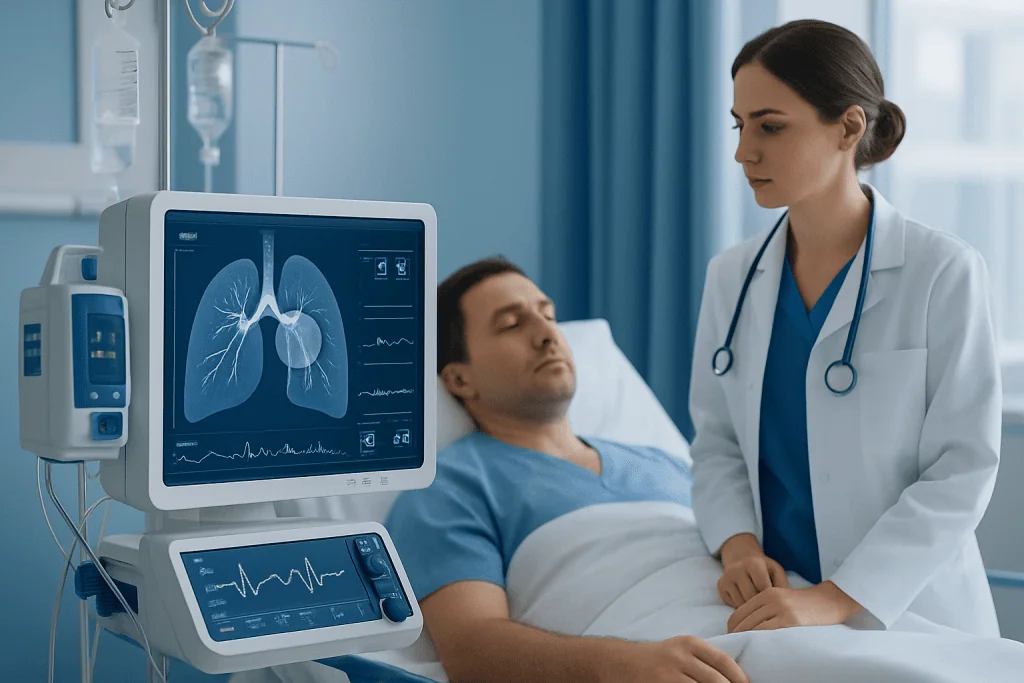
The lungs receive blood from the right side of the heart through the pulmonary arteries. When a clot blocks one of these arteries, blood flow to part of the lung is reduced or cut off. This can interfere with oxygen exchange and make breathing feel difficult or uncomfortable.
If the blockage is large, the right side of the heart must work harder to push blood through the narrowed lung circulation. In some people, this can lead to low blood pressure, dizziness, or collapse. Smaller clots may not cause immediate severe instability, but they can still damage lung tissue or cause recurring symptoms.
Not every clot causes the same pattern. Some people have a sudden event with clear symptoms, while others have a more subtle presentation. This is one reason doctors look at the whole picture, including symptoms, recent travel or surgery, cancer history, pregnancy status, medications, and possible signs of DVT.
Symptoms and warning signs
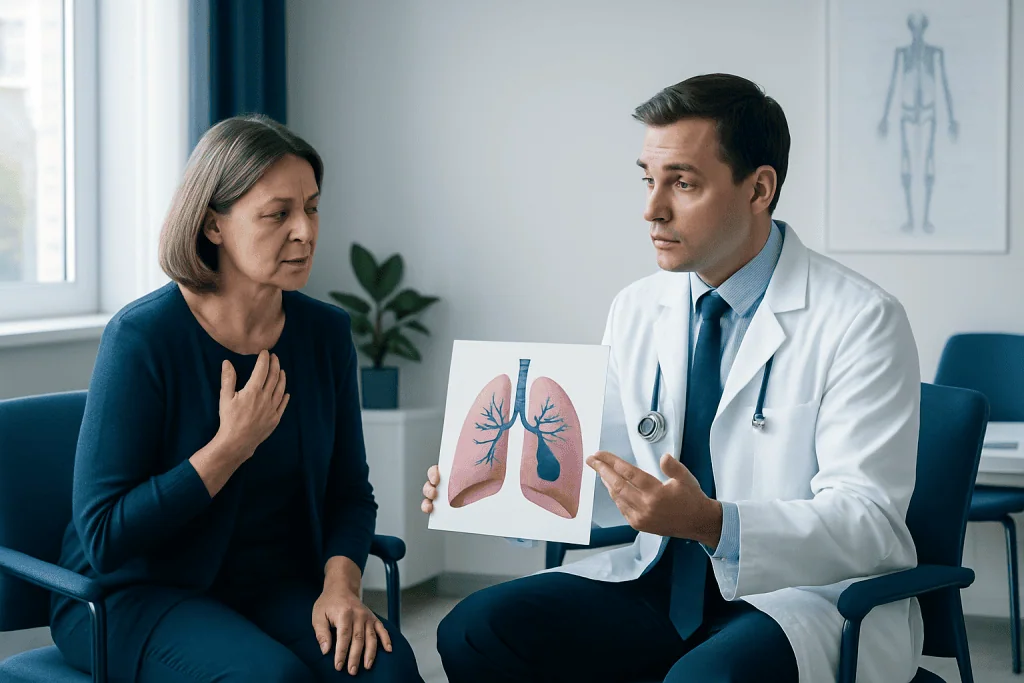
Symptoms of pulmonary embolism often begin suddenly, but they can also develop over hours or days. The most common symptoms are shortness of breath, chest pain, and a fast heart rate. The chest pain may feel sharp and may become worse with deep breathing, coughing, or movement.
Other possible symptoms include cough, coughing up blood, lightheadedness, fainting, anxiety, sweating, or a feeling of being unwell without a clear cause. Some people also notice symptoms in a leg before the lung clot is found, such as swelling, warmth, tenderness, or redness in one calf or thigh.
Symptoms can overlap with those of pneumonia, asthma, heart problems, or panic attacks. That is why unexplained shortness of breath or chest pain should not be ignored, especially in someone with risk factors for clots.
- Sudden shortness of breath
- Chest pain, especially with deep breaths
- Rapid heartbeat
- Cough, sometimes with blood
- Fainting or near-fainting
- One-sided leg swelling or pain
Causes and risk factors
Most pulmonary emboli come from clots that form in the deep veins of the legs or pelvis. These clots are more likely to develop when blood flow slows down, the blood is more prone to clotting, or the lining of a blood vessel is injured. Doctors often think about these clotting triggers together when assessing a patient’s risk.
Risk factors include recent surgery, hospitalization, prolonged bed rest, long-distance travel, major injury, pregnancy and the weeks after delivery, smoking, obesity, increasing age, and hormone-related medications such as some birth control pills or hormone therapy. Certain chronic illnesses, especially cancer and heart or lung disease, can also increase risk.
Some people have inherited or acquired conditions that make the blood clot more easily. A previous DVT or pulmonary embolism is one of the strongest predictors of another event. In a smaller number of cases, a clear cause is not found, but treatment and prevention still remain important.
Doctors may also evaluate for related vascular conditions when appropriate, especially if symptoms overlap with varicose veins or chronic venous problems, though these are not the same as DVT or pulmonary embolism.
How doctors diagnose pulmonary embolism
Diagnosis starts with a medical history and physical examination. A doctor asks about symptoms, prior clots, recent immobility, surgery, travel, pregnancy, medications, cancer history, and family history of clotting disorders. They also check vital signs, oxygen levels, and the legs for signs of DVT.
Because symptoms can mimic many other conditions, doctors often use clinical assessment tools to estimate how likely pulmonary embolism is before ordering tests. Blood testing may include a D-dimer test, which can help rule out a clot in selected lower-risk patients. If pulmonary embolism is still suspected, imaging is usually needed.
The most commonly used imaging test is CT pulmonary angiography, which can show a clot in the lung arteries. Some patients may have a ventilation-perfusion scan instead, especially when CT contrast is not suitable. Ultrasound of the legs may help detect DVT, and an echocardiogram may be used if there is concern about strain on the heart. In some cases, advanced imaging and coordinated care with interventional radiology specialists may be part of the evaluation and treatment plan.
Treatment options
The main treatment for pulmonary embolism is anticoagulation, often called blood-thinning treatment. These medicines do not dissolve an existing clot immediately, but they help prevent the clot from growing and reduce the risk of new clots while the body gradually breaks down the blockage. The type of medication and length of treatment depend on the patient’s risk factors, the severity of the embolism, and whether the clot was provoked by a temporary event.
For people who are hemodynamically unstable or have a large pulmonary embolism causing significant strain on the heart, emergency treatment may be needed. This can include clot-dissolving medicines or procedures to remove or break up the clot. In selected cases, minimally invasive approaches such as angiography-guided catheter-based treatment may be considered by experienced teams.
If blood thinners are not possible because of a high bleeding risk, some patients may need a filter placed in the large vein that returns blood from the lower body to the heart. This is used selectively and does not replace treatment of the underlying clotting tendency. Supportive care may include oxygen, pain control, and close monitoring in the hospital.
Some patients also need evaluation for underlying cardiovascular or rhythm issues that may affect recovery. Depending on the broader picture, care may involve specialists in cardiology, pulmonology, hematology, and vascular medicine.
Recovery, prevention, and self-care
Recovery after pulmonary embolism varies. Some people improve quickly within days or weeks, while others have lingering fatigue, breathlessness, or reduced exercise tolerance for longer. Follow-up is important to review symptoms, confirm the treatment plan, and discuss how long anticoagulation should continue. Patients should take medicines exactly as prescribed and attend monitoring visits if needed.
Preventing another clot often involves addressing risk factors. Regular movement during long trips, early walking after surgery when medically appropriate, staying hydrated, and using prescribed compression methods or preventive medications in high-risk situations can all help. Smoking cessation, weight management, and control of chronic conditions may also lower future risk.
People with a history of pulmonary embolism should tell healthcare professionals before surgery, pregnancy, or long-distance travel so a prevention plan can be made. It is also important to ask about interactions between blood thinners and other medicines, supplements, or dietary changes. Patients should not stop anticoagulation on their own without medical advice.
Near the end of treatment or during follow-up, some people may need reassessment for ongoing breathlessness or rare complications such as chronic clot-related pressure changes in the lung circulation. Multidisciplinary evaluation can help guide next steps. Acibadem International’s multidisciplinary specialists and JCI-accredited hospitals also diagnose and treat pulmonary embolism for international patients when coordinated specialist care is needed.
When to seek medical care
Urgent medical attention is needed for symptoms that could suggest pulmonary embolism. A person should seek emergency care right away for sudden shortness of breath, chest pain, coughing up blood, fainting, severe dizziness, or a rapidly worsening heartbeat. These symptoms do not always mean pulmonary embolism, but they should be assessed without delay.
Medical advice should also be sought promptly for possible DVT symptoms such as one-sided leg swelling, calf pain, warmth, or redness, especially after surgery, a long trip, or a period of bed rest. Early treatment of DVT can reduce the chance of a clot reaching the lungs.
Anyone already taking blood thinners should contact a doctor urgently if they have signs of significant bleeding, black stools, vomiting blood, severe headache, a serious fall, or unusual bruising. Follow-up care matters just as much as emergency treatment, because it helps reduce the risk of recurrence and supports a safer recovery.
Frequently asked questions
What is pulmonary embolism in simple terms?
Pulmonary embolism is a blockage in a blood vessel of the lung, usually caused by a blood clot. In many cases, the clot starts in a deep vein in the leg or pelvis and then travels to the lungs.
Is pulmonary embolism always fatal?
No. Pulmonary embolism can be very serious, but many people recover well with early diagnosis and proper treatment. The outlook depends on how large the clot is, how quickly treatment begins, and whether there are other heart or lung conditions.
What are the first signs of pulmonary embolism?
Common early signs include sudden shortness of breath, chest pain that may worsen with deep breathing, and a fast heartbeat. Some people also have cough, dizziness, fainting, or swelling and pain in one leg.
How is pulmonary embolism treated?
Treatment usually starts with anticoagulant medicines, often called blood thinners, to prevent the clot from growing and to reduce the chance of new clots. In more severe cases, doctors may use clot-dissolving medication or a procedure to remove the clot.
Can pulmonary embolism happen without leg symptoms?
Yes. Not everyone notices leg pain or swelling before a pulmonary embolism is diagnosed. A person may first develop chest symptoms or breathing problems even when DVT symptoms were mild or absent.
How long does recovery from pulmonary embolism take?
Recovery time varies from person to person. Some people feel much better within a few weeks, while others may have tiredness or shortness of breath for longer and need ongoing follow-up.
This article is for general information only and is not a substitute for professional medical advice. Please consult a qualified doctor about your individual situation.
Pulmonary Embolism in Turkey — costs, top hospitals & a free quote
JCI-accredited · board-certified surgeons · reply within 24h
Add us as a Preferred Source to see more of our trusted health content across Google Search, AI Overviews and Discover.
Check your numbers in seconds
BMI, calories, due date, blood pressure and 30+ more clinical calculators — free, instant, doctor-reviewed ranges.

More from the Health Library

Anxious Attachment Style: What Patients Need to Know

Trisomy: An Evidence-Based Guide for Patients

Miracle Poison Ivy Cure: A Complete Medical Overview

Mild Soap for Pimples — Explained by Medical Evidence, Not Myths

Triceps: What Patients Need to Know