Pregnancy Symptoms: Possible Causes and When to Seek Care
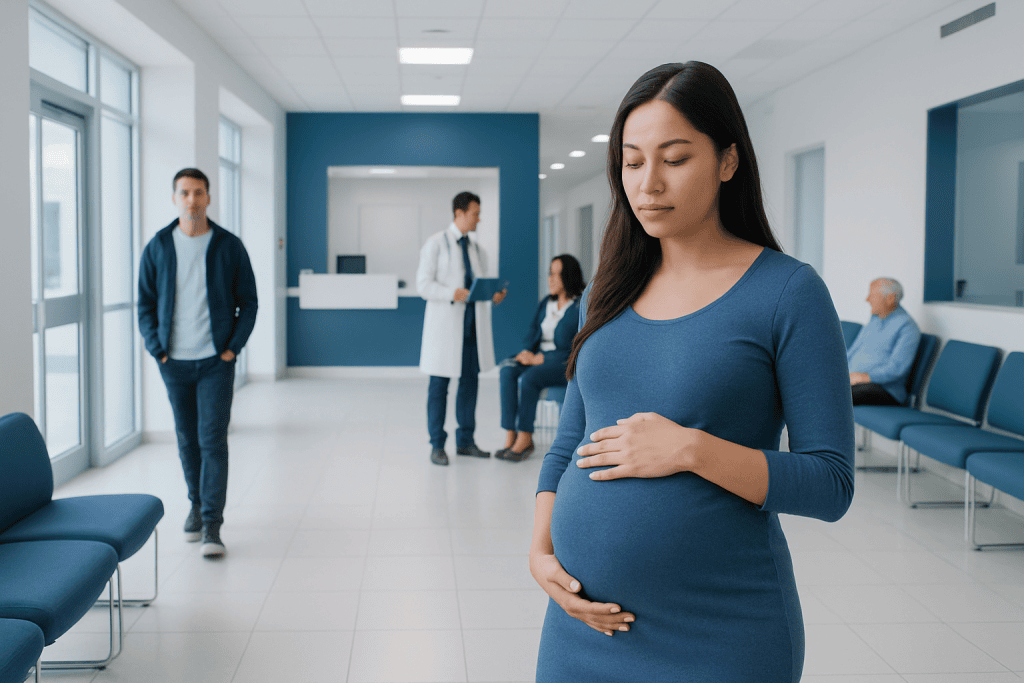
Common pregnancy symptoms include a missed period, nausea, fatigue, breast changes, and frequent urination. Symptoms vary widely from person to person and even from one pregnancy to another.
Key Takeaways
- Common pregnancy symptoms include a missed period, nausea, fatigue, breast changes, and frequent urination.
- Symptoms vary widely from person to person and even from one pregnancy to another.
- Not all pregnancy-like symptoms mean pregnancy; hormonal changes, stress, illness, and gynecologic conditions can cause similar signs.
- Home pregnancy tests are useful, but a clinician may confirm pregnancy with an examination, blood tests, or ultrasound.
- Urgent medical care is important for severe pain, heavy bleeding, fainting, trouble breathing, or signs of dehydration.
Pregnancy symptoms often begin early and may include a missed period, nausea, breast tenderness, fatigue, and frequent urination. These symptoms can suggest pregnancy, but they are not specific, so confirmation with a test and medical guidance is important.
Overview: What pregnancy symptoms can mean
Pregnancy symptoms are physical and emotional changes that can happen after conception, often before a pregnancy is confirmed. Common early signs include a missed period, nausea, breast tenderness, tiredness, and needing to urinate more often. However, these symptoms are not unique to pregnancy and can also happen with hormonal changes, stress, illness, or gynecologic conditions.
The timing and intensity of symptoms vary widely. Some people notice changes within a few weeks of their last menstrual period, while others have few or no symptoms at first. A person may also have very different experiences in different pregnancies.
Because pregnancy symptoms overlap with many other conditions, they are best viewed as clues rather than proof. If pregnancy is possible, a home test can be a useful first step. Medical evaluation can then confirm pregnancy, estimate how far along it is, and assess whether symptoms are normal or need attention.
Common early and ongoing pregnancy symptoms
One of the most recognized pregnancy symptoms is a missed period, especially in someone who usually has regular cycles. Other common early changes include nausea with or without vomiting, breast fullness or soreness, unusual tiredness, bloating, constipation, mild cramping, and frequent urination. Some people also notice heightened sensitivity to smells, food aversions, or mood changes.
Light spotting can sometimes occur around the time an embryo implants, although any bleeding in possible pregnancy should be interpreted carefully. Mild pelvic discomfort may happen as the uterus changes, but severe or one-sided pain is not considered typical and should be assessed promptly.
As pregnancy progresses, symptoms may shift. Nausea often improves after the first trimester, while heartburn, back discomfort, sleep changes, nasal congestion, and swelling of the feet may become more noticeable. These symptoms can be part of a normal pregnancy, but persistent or worsening symptoms deserve discussion with a clinician.
- Missed or lighter-than-usual period
- Nausea or vomiting
- Breast tenderness or darkening of the areola
- Fatigue
- Frequent urination
- Bloating or constipation
- Mood changes or food aversions
Why these symptoms happen

Many pregnancy symptoms are linked to normal hormonal changes. After conception, the body begins producing hormones that support the uterine lining and early fetal development. These hormone shifts can affect the digestive system, breasts, blood vessels, kidneys, mood, and energy levels, which helps explain why symptoms can involve many different parts of the body.
Nausea and vomiting are often associated with early pregnancy hormone changes and may be worse at certain times of day or triggered by odors and foods. Fatigue may relate to rising progesterone levels, changes in sleep, and the body’s increased metabolic demands. Breast soreness can occur as breast tissue responds to hormonal stimulation.
Frequent urination can begin early because of hormonal influences and changes in blood flow, then continue later as the growing uterus affects the bladder. Bloating and constipation may happen because pregnancy can slow digestion. Understanding these mechanisms can be reassuring, but symptoms still need context, especially if they are severe or unusual.
Other possible causes of pregnancy-like symptoms
Pregnancy symptoms can overlap with many non-pregnancy conditions. A missed or delayed period may happen with stress, weight changes, intense exercise, thyroid problems, polycystic ovary syndrome, or perimenopause. Nausea and fatigue can also occur with viral illness, digestive problems, anemia, sleep disruption, anxiety, and medication side effects.
Breast tenderness, bloating, and mood changes are also common before a menstrual period. This means that premenstrual symptoms and early pregnancy can feel very similar. In people with irregular cycles, interpreting symptoms may be even more difficult without testing.
Some conditions need particular attention because they can mimic normal early pregnancy while carrying risk. For example, an ectopic pregnancy may cause a positive test along with pain or bleeding. Ovarian cysts, urinary tract infection, and digestive conditions can also cause pelvic or abdominal symptoms. If symptoms are intense, one-sided, or accompanied by bleeding, medical evaluation is important.
How pregnancy is confirmed and evaluated
If pregnancy is possible, a urine home pregnancy test is often the first step. These tests detect a pregnancy hormone in the urine and are usually more reliable after a missed period. A negative result early on does not always rule out pregnancy, so repeating the test after a short interval may be advised if the period still does not come.
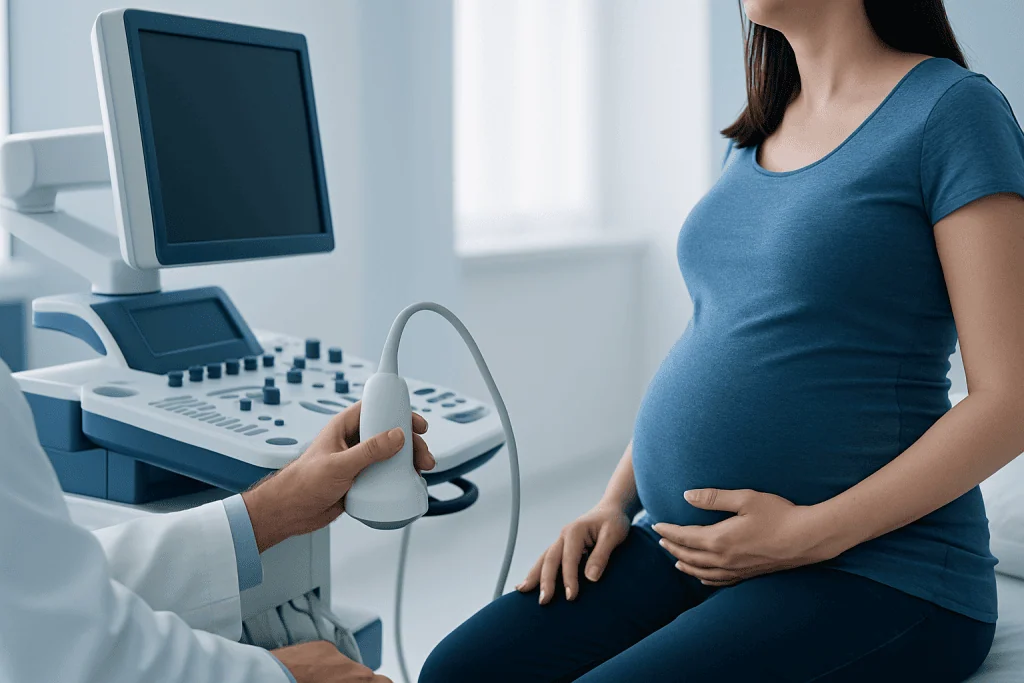
A clinician may confirm pregnancy with a blood test, which can detect lower levels of pregnancy hormone and provide more information in some situations. Depending on symptoms and timing, an ultrasound may be used to confirm that the pregnancy is in the uterus and to estimate gestational age. Obstetric and gynecologic evaluation is especially helpful if there is bleeding, pain, uncertainty about dates, or a history of pregnancy complications.
Diagnosis is not only about confirming pregnancy. It is also a chance to look for problems that can affect early pregnancy health, such as severe vomiting, infection, anemia, or high-risk conditions. In some cases, check-up and diagnostic services may include blood work, urine testing, and ultrasound to guide safe next steps.
Treatment and symptom relief
Pregnancy itself is not a disease, so treatment focuses on confirming the pregnancy, supporting maternal health, and managing symptoms safely. Mild nausea may improve with small frequent meals, simple foods, hydration, and avoiding known triggers. Rest, regular sleep, and gentle activity may help with fatigue, while dietary fiber and adequate fluid intake can ease constipation.
Because not all medications are suitable during pregnancy, self-treating should be done cautiously. A qualified clinician can advise on safe options for nausea, heartburn, constipation, headaches, allergies, or other concerns. Anyone with significant symptoms should avoid assuming that over-the-counter products are automatically safe in pregnancy.
Some symptoms need active medical treatment. Persistent vomiting with dehydration may require evaluation for hyperemesis gravidarum. Pain, bleeding, or signs of pregnancy outside the uterus may require urgent care and targeted treatment. When specialized assessment is needed, pregnancy follow-up helps monitor symptoms and overall maternal-fetal well-being.
Self-care, healthy habits, and symptom tracking
Once pregnancy is suspected or confirmed, simple self-care steps can support comfort and early prenatal health. These include staying hydrated, eating regular balanced meals, getting enough sleep, and avoiding smoking, alcohol, and recreational drugs. Beginning prenatal care early is one of the most important steps for monitoring both maternal health and fetal development.
Keeping a symptom diary can be helpful. Recording the date of the last menstrual period, home test results, bleeding, pain, nausea, vomiting, and any triggers gives useful information for a medical visit. This is especially valuable when cycles are irregular or symptoms are changing quickly.
It is also sensible to review supplements and medications with a clinician. Folic acid is commonly recommended before and during early pregnancy, but individual needs vary. A clinician can also advise on exercise, travel, work, and dietary questions based on the person’s health history and stage of pregnancy.
When to seek medical care
Medical advice should be sought if pregnancy symptoms are confusing, persist without a clear explanation, or interfere with eating, drinking, sleep, or daily life. A person should also contact a clinician if a home pregnancy test is positive, if periods have stopped unexpectedly, or if there is uncertainty about whether symptoms are pregnancy-related or due to another condition.
Urgent care is important for severe or one-sided pelvic pain, heavy bleeding, fainting, shoulder pain, fever, chest pain, trouble breathing, or vomiting that prevents fluids from staying down. These symptoms can signal complications such as ectopic pregnancy, miscarriage, infection, or severe dehydration and should not be ignored.
For international patients who need coordinated assessment, Acibadem International’s multidisciplinary specialists and JCI-accredited hospitals provide diagnosis and treatment for pregnancy-related conditions and symptoms. Early evaluation can help clarify the cause, guide safe symptom relief, and identify when closer monitoring is needed.
Frequently asked questions
What are the earliest pregnancy symptoms?
The earliest pregnancy symptoms often include a missed period, breast tenderness, fatigue, nausea, and frequent urination. Some people also notice bloating, food aversions, or mood changes. Symptoms can begin early, but their timing varies widely.
Can pregnancy symptoms happen before a missed period?
Yes, some people notice subtle changes before a missed period, such as fatigue, breast soreness, bloating, or nausea. These symptoms are not specific to pregnancy, so they cannot confirm it on their own. Testing after a missed period is usually more reliable.
Do all pregnant people have nausea or morning sickness?
No, nausea is common but not universal. Some people have mild symptoms, some have severe symptoms, and others have none at all. The absence of nausea does not rule out pregnancy.
How accurate is a home pregnancy test?
A home pregnancy test can be very useful, especially after a missed period, but timing matters. Testing too early may lead to a false-negative result. If the result is negative and pregnancy is still possible, repeating the test after a short interval or seeing a clinician is a sensible next step.
Can pregnancy symptoms feel like premenstrual symptoms?
Yes, early pregnancy and premenstrual symptoms can overlap significantly. Breast tenderness, mood changes, bloating, and mild cramping may occur in both situations. Because of this, a test is usually needed to tell the difference.
When should someone worry about pregnancy symptoms?
Pregnancy symptoms should be assessed promptly if there is severe pain, heavy bleeding, fainting, fever, trouble breathing, or ongoing vomiting with inability to keep fluids down. One-sided pelvic pain or shoulder pain can also be warning signs. These symptoms need urgent medical evaluation.
References
- American College of Obstetricians and Gynecologists
- National Institute for Health and Care Excellence
- Mayo Clinic
- NHS
- World Health Organization
This article is for general information only and is not a substitute for professional medical advice. Please consult a qualified doctor about your individual situation.
Persistent digestive symptoms? Get evaluated in Turkey
JCI-accredited · board-certified surgeons · reply within 24h
Add us as a Preferred Source to see more of our trusted health content across Google Search, AI Overviews and Discover.