Colonoscopy: How It Works, Recovery, and What to Expect
A colonoscopy helps detect polyps, inflammation, bleeding sources, and colorectal cancer. The test is usually done with sedation, and most people go home the same day.
Key Takeaways
- A colonoscopy helps detect polyps, inflammation, bleeding sources, and colorectal cancer.
- The test is usually done with sedation, and most people go home the same day.
- Preparation to clean the bowel is a key part of getting accurate results.
- Mild bloating or fatigue after the procedure is common, but severe pain or heavy bleeding needs urgent medical advice.
- Colonoscopy can both diagnose problems and treat some findings, such as removing polyps during the same procedure.
A colonoscopy is a procedure that allows a doctor to examine the inside of the colon and rectum using a thin, flexible camera. It is commonly used to investigate digestive symptoms, screen for colorectal cancer, remove polyps, and guide treatment decisions.
Overview: What a Colonoscopy Is and Why It Is Done
A colonoscopy is a medical procedure that lets a specialist examine the lining of the large intestine, also called the colon, and the rectum. It uses a long, flexible tube with a small camera and light at the tip. This allows the doctor to look for changes such as polyps, irritation, bleeding, ulcers, or tumors, and in many cases to take tissue samples or remove polyps during the same session.
People often have a colonoscopy for two main reasons: screening and diagnosis. As a screening test, it can help detect colorectal cancer early or find polyps before they become cancerous. As a diagnostic test, it may be recommended for symptoms such as rectal bleeding, unexplained anemia, a change in bowel habits, ongoing abdominal pain, or persistent diarrhea.
Unlike some imaging tests, colonoscopy offers a direct view of the bowel lining and allows immediate action when something abnormal is found. This combination of diagnosis and treatment is one reason it remains a central tool in digestive care. It may also be used to assess inflammatory bowel diseases such as Crohn’s disease or ulcerative colitis when a specialist needs to understand the extent or activity of disease.
Who May Need a Colonoscopy
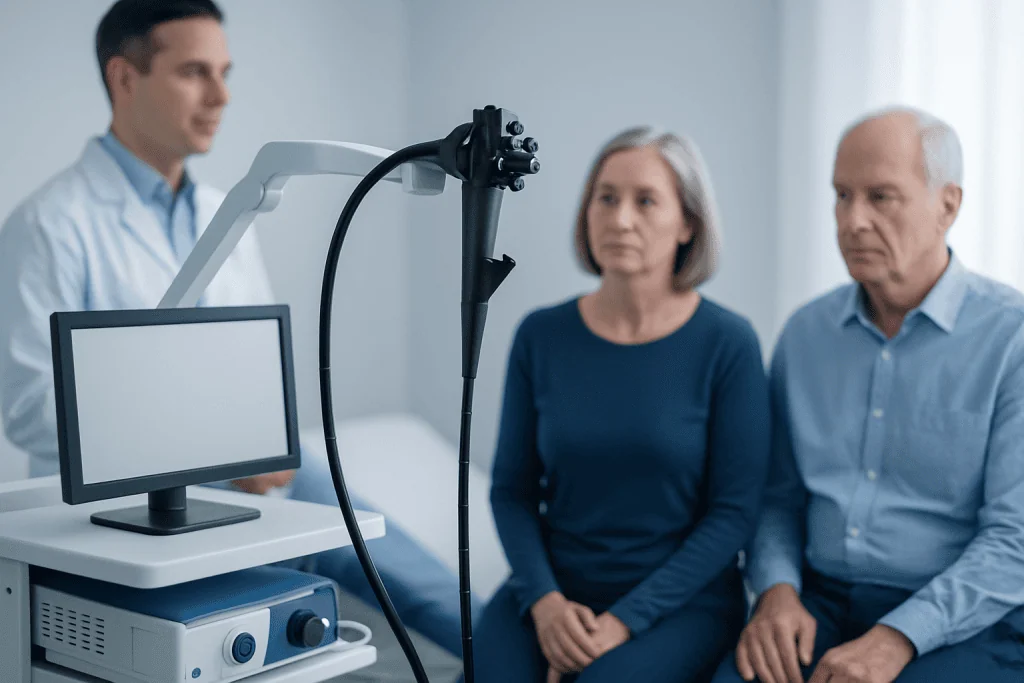
A doctor may recommend a colonoscopy for adults with average colorectal cancer risk as part of routine screening, or earlier for people with increased risk. Higher-risk groups can include those with a personal or family history of colon polyps or colorectal cancer, certain inherited syndromes, or long-standing inflammatory bowel disease.
It may also be advised when symptoms suggest a problem in the colon or rectum. Examples include blood in the stool, unexplained weight loss, iron deficiency anemia, chronic constipation, persistent diarrhea, or a new change in bowel habits. A colonoscopy can help identify whether these symptoms are related to hemorrhoids, polyps, inflammation, diverticular disease, infection, or cancer.
Not everyone is a good candidate at every moment. The doctor will review current medications, allergies, heart or lung conditions, pregnancy status, and past reactions to sedation. Blood thinners and diabetes medicines may need special planning, and in some situations another test may be suggested if colonoscopy is not suitable or needs to be delayed.
How the Procedure Works: Step by Step
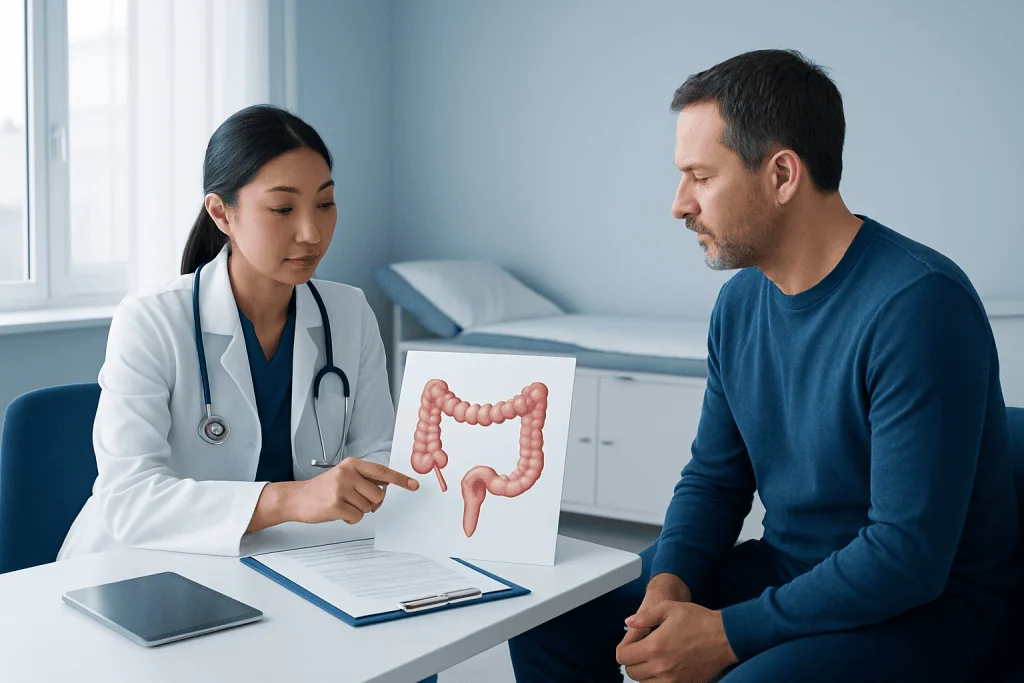
The most important part of a successful colonoscopy begins before the hospital visit: bowel preparation. The colon must be emptied so the camera can clearly see the lining. Patients are usually asked to follow a special diet for a short period and take a prescribed bowel-cleansing solution. Careful preparation improves the accuracy of the test and lowers the chance that important findings will be missed.
On the day of the procedure, the patient changes into a gown and has an intravenous line placed for fluids and sedation. In many cases, sedation is used so the person is relaxed and comfortable, though the exact approach depends on the patient and the clinical setting. During the test, the patient usually lies on the side while the doctor gently inserts the colonoscope through the rectum and advances it through the colon.
Air or carbon dioxide is introduced to expand the bowel for a better view. The doctor inspects the lining while moving the scope and especially while withdrawing it. If a suspicious area is seen, a small tissue sample can be taken for biopsy. If a polyp is found, it can often be removed immediately using instruments passed through the scope. This is one reason a colonoscopy procedure is both diagnostic and therapeutic.
The procedure itself often takes less than an hour, although timing can vary depending on anatomy, bowel preparation quality, and whether biopsies or polyp removal are needed. Afterward, the patient is monitored until the effects of sedation begin to wear off.
What Patients Can Expect During Recovery
Recovery from colonoscopy is usually straightforward. Most people rest in a recovery area for a short time after the procedure and go home the same day. Because sedation can affect alertness and coordination, patients are typically advised not to drive, sign important documents, or return to work that day unless the care team says it is safe.
Some bloating, gas, mild cramping, or a feeling of fullness is common for several hours. This happens because air or carbon dioxide is used during the exam. Mild fatigue is also common, especially if sedatives were given. Most people can return to their usual diet unless the doctor gives different instructions, though beginning with light meals may feel more comfortable for some.
If a biopsy was taken or a polyp was removed, the doctor may provide added advice about activity, diet, and when to restart certain medications. Results can come in two parts: immediate findings from what the doctor saw during the test, and later pathology results if tissue samples were sent to a laboratory. If a larger polyp was removed or there is concern about a more complex condition, further follow-up may include gastroenterology care or additional treatment planning.
Benefits and Possible Risks
The main benefit of colonoscopy is that it can find problems early and often address some of them right away. Polyps can be removed before they turn into cancer, sources of bleeding may be identified, and inflammation can be assessed directly. This makes colonoscopy one of the most useful procedures for both prevention and diagnosis in digestive health.
Like any medical procedure, colonoscopy carries some risks, but serious complications are uncommon. Possible risks include bleeding, especially after a biopsy or polyp removal; reaction to sedation; infection; and, rarely, a tear in the wall of the colon, called perforation. The overall risk depends on the person’s health, the reason for the procedure, and whether additional interventions are done during the exam.
There are also practical limitations to understand. If bowel preparation is incomplete, the doctor may not be able to see the lining clearly, and the test may need to be repeated sooner. Very small lesions can occasionally be difficult to detect, which is why high-quality preparation and experienced endoscopic technique matter. The care team balances these factors carefully when recommending a colonoscopy.
Results, Follow-Up, and What Findings May Mean
A normal colonoscopy means the visible lining of the colon and rectum did not show important abnormalities at the time of the exam. In that case, the doctor advises when the next screening or follow-up should be done based on age, symptoms, personal history, and family history. The recommended interval is different for screening than for diagnostic evaluation.
If polyps are found, they may be removed and examined under a microscope. The number, size, and type of polyp help determine the next steps and the timing of future surveillance. If inflammation, ulcers, or signs of disease are seen, biopsies can help confirm conditions such as colitis, infection, or other bowel disorders.
Sometimes colonoscopy finds changes that need more specialized care. For example, if a suspicious mass is seen, the patient may need further staging and treatment planning for colon cancer. In selected cases, management can involve endoscopic follow-up, surgery, or coordinated care such as colon cancer treatment depending on the diagnosis and pathology results.
When to Seek Medical Care
A person should seek medical advice if a doctor has recommended colonoscopy because of symptoms such as rectal bleeding, unexplained anemia, long-lasting changes in bowel habits, chronic abdominal pain, or ongoing diarrhea. These symptoms do not always mean a serious illness, but they deserve proper evaluation, especially if they are new, persistent, or worsening.
After a colonoscopy, urgent medical attention is needed for severe or increasing abdominal pain, heavy rectal bleeding, fever, dizziness, fainting, vomiting, or a swollen, hard abdomen. A small amount of spotting can happen after biopsy or polyp removal, but larger amounts of blood or symptoms that are getting worse should not be ignored.
Patients should also contact their doctor if they cannot keep fluids down after the bowel preparation, have concerns about medications, or do not understand the follow-up plan. Near the end of the care pathway, if international patients need specialist assessment, Acibadem International’s multidisciplinary specialists and JCI-accredited hospitals diagnose and treat digestive conditions, including endoscopic and colorectal disorders.
Frequently asked questions
Is a colonoscopy painful?
Most people do not find colonoscopy painful because sedation is commonly used to help them stay comfortable and relaxed. Some pressure, bloating, or cramping can occur during or after the test, but these symptoms are usually temporary.
How long does a colonoscopy take?
The procedure itself often takes less than an hour, although the full visit is longer because of preparation, check-in, and recovery time. If biopsies or polyp removal are needed, the timing may vary.
What can a colonoscopy detect?
A colonoscopy can detect colon polyps, colorectal cancer, inflammation, ulcers, bleeding sources, and other changes in the lining of the colon and rectum. It can also help evaluate causes of symptoms such as diarrhea, bleeding, or unexplained anemia.
How long does it take to recover from a colonoscopy?
Most people recover enough to go home the same day and feel back to normal by the next day. If sedation was used, rest is usually recommended for the remainder of the day, and driving should be avoided until the doctor says it is safe.
Why is bowel preparation so important before a colonoscopy?
Bowel preparation clears stool from the colon so the doctor can see the lining clearly. If the bowel is not clean enough, small polyps or other abnormalities may be missed, and the procedure may need to be repeated sooner.
Are there alternatives to colonoscopy?
Yes, there are other screening and diagnostic tests, such as stool-based tests and certain imaging studies. However, colonoscopy remains especially useful because it allows direct examination and can remove polyps or take biopsies during the same procedure.
References
- American Cancer Society
- National Institute of Diabetes and Digestive and Kidney Diseases
- U.S. Preventive Services Task Force
- American Society for Gastrointestinal Endoscopy
- Centers for Disease Control and Prevention
This article is for general information only and is not a substitute for professional medical advice. Please consult a qualified doctor about your individual situation.
Persistent digestive symptoms? Get evaluated in Turkey
JCI-accredited · board-certified surgeons · reply within 24h
Add us as a Preferred Source to see more of our trusted health content across Google Search, AI Overviews and Discover.