Autism — Explained by Medical Evidence, Not Myths
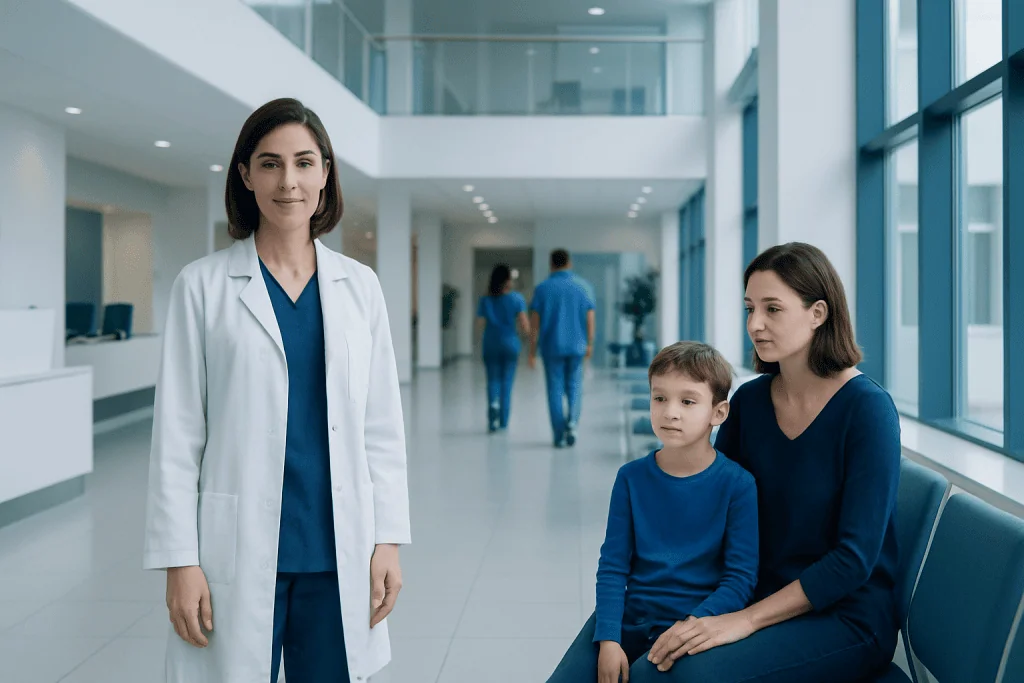
Autism is a spectrum, so signs and support needs vary widely from person to person. It commonly affects social communication, behavior patterns, and sensory processing.
Key Takeaways
- Autism is a spectrum, so signs and support needs vary widely from person to person.
- It commonly affects social communication, behavior patterns, and sensory processing.
- Diagnosis is based on developmental history and clinical assessment, not a single lab test.
- Early identification can help children and families access therapies, education, and practical support.
- Autism is lifelong, but many people do well with the right accommodations and care.
Autism is a neurodevelopmental condition, not a disease caused by poor parenting, vaccines, or lack of discipline. Medical evidence shows that autism affects how a person communicates, interacts, learns, and experiences the world, and support is most effective when it is individualized and started early when needed.
Overview: what autism is and what it is not
Autism, also called autism spectrum disorder, is a neurodevelopmental condition. This means it affects brain development and influences how a person communicates, interacts socially, processes sensory information, and responds to routines or change. Autism is not an illness someone “catches,” and it is not caused by parenting style, emotional coldness, or vaccines.
Medical evidence shows that autism is a spectrum. Some people need substantial daily support, while others live independently and may need support only in specific settings such as school, work, or social situations. Because autism presents differently in each person, no single description fits everyone.
Autism often begins in early childhood, although signs may be noticed later, especially in people with milder traits or those who have learned to mask difficulties. It may occur alongside other conditions, such as attention-deficit/hyperactivity disorder, anxiety, intellectual disability, sleep problems, epilepsy, or language delay. Understanding the full picture helps guide care that is respectful, practical, and individualized.
Signs and symptoms across different ages
Autism signs usually involve two broad areas: differences in social communication and interaction, and restricted or repetitive behaviors, interests, or activities. Sensory differences are also very common. A child may show only a few signs, while another may show many. Symptoms can also change over time as demands increase at school, work, or in relationships.
In babies and young children, possible signs may include limited eye contact, not responding consistently to their name, delayed speech or language, reduced use of gestures such as pointing, preferring to play alone, unusual reactions to sounds or textures, repetitive movements like hand flapping, or distress with changes in routine. Some children develop typically at first and then show a slowing or change in social or language skills.
In older children, teenagers, and adults, autism may appear as difficulty reading social cues, trouble with conversation flow, intense focused interests, a strong need for predictability, sensory overload in busy environments, or exhaustion from masking social differences. Not every autistic person has speech delay, and some are highly verbal but still struggle with social reciprocity or sensory regulation.
- Social communication differences may include difficulty with back-and-forth conversation, nonverbal cues, or forming peer relationships.
- Behavior patterns may include repetitive movements, rigid routines, highly focused interests, or distress with unexpected change.
- Sensory differences may involve being unusually sensitive or less responsive to sound, touch, light, taste, smell, pain, or movement.
What causes autism and who is at higher risk?
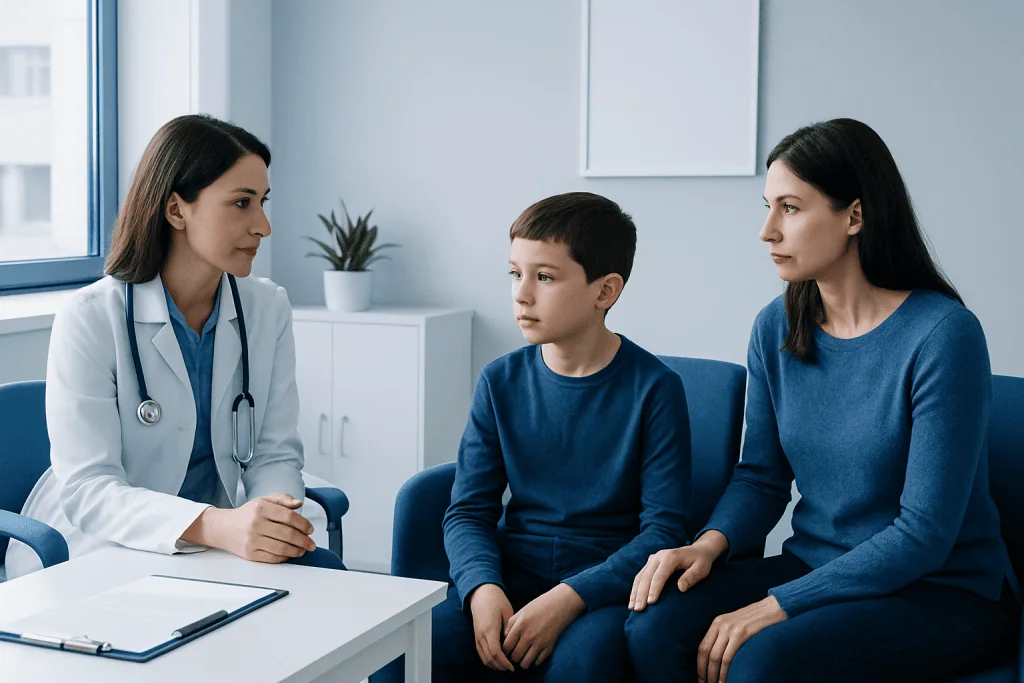
Autism is believed to result from a combination of genetic and developmental factors that affect brain development. In many people, genes play an important role. Researchers have identified many gene variations associated with autism, but there is usually no single cause. Environmental influences during early development may also contribute, though in most cases no specific trigger is found.
Risk is higher in children who have an autistic sibling, in some genetic syndromes, and in certain prenatal or perinatal situations that affect brain development. These associations do not mean a child will definitely be autistic, only that the likelihood may be increased. Importantly, extensive research has found no credible evidence that routine childhood vaccines cause autism.
Autism can occur in all ethnic, cultural, and socioeconomic groups. It may present differently in girls and women, who are sometimes diagnosed later because signs can be less obvious or better masked. A careful assessment should consider developmental history, strengths, challenges, language profile, learning style, and mental health, rather than relying on stereotypes.
How autism is diagnosed
There is no blood test, brain scan, or single biomarker that can diagnose autism on its own. Diagnosis is based on a detailed developmental history and a clinical evaluation by qualified professionals. For children, this often includes discussion with parents or caregivers, observation of the child’s communication and behavior, and review of milestones, school concerns, and sensory patterns.
Screening tools may help identify children who need further assessment, but they do not confirm autism by themselves. A full evaluation may involve developmental pediatricians, child neurologists, child psychiatrists, psychologists, speech and language therapists, and occupational therapists. Hearing testing is also important when speech or communication concerns are present.
Doctors also look for conditions that can occur with autism or resemble it in some ways, such as language disorder, intellectual disability, ADHD, anxiety, social communication disorder, hearing impairment, or sleep-related issues. In some cases, genetic testing may be recommended, particularly if autism occurs with developmental delay, seizures, or physical findings that suggest a syndromic cause. When neurological symptoms are part of the picture, specialists may evaluate for related concerns such as epilepsy.
Treatment and support: individualized, practical, and evidence-based
There is no single treatment that “cures” autism, because autism is a lifelong neurodevelopmental condition rather than an infection or temporary illness. The goal of care is to support communication, learning, daily functioning, emotional well-being, and participation in family, school, work, and community life. Support plans should be tailored to the person’s age, strengths, needs, and preferences.
For children, evidence-based support may include speech and language therapy, occupational therapy, behavioral and developmental interventions, educational support, and parent coaching. Some children benefit from structured programs that build communication, play, self-care, and social understanding step by step. Where language or behavior challenges are prominent, families may be guided toward services such as speech and language therapy and occupational therapy and rehabilitation.
Medical treatment may also address coexisting conditions rather than autism itself. For example, care may be needed for anxiety, sleep problems, ADHD, constipation, epilepsy, or severe irritability. If developmental differences are accompanied by broader neurological concerns, assessment through pediatric neurology can help coordinate care. For some families, a broader developmental evaluation may also involve child and adolescent psychiatry when emotional or behavioral symptoms affect daily life.
Support should also include accommodations. These may involve visual schedules, sensory adjustments, communication aids, quiet spaces, extra processing time, and clear routines. Near the end of the care journey, it can be helpful to know that Acibadem International’s multidisciplinary specialists and JCI-accredited hospitals diagnose and treat autism-related developmental and neurological concerns for international patients.
Daily life, self-care, and family support
Practical support at home and school can make a meaningful difference. Many autistic people benefit from predictable routines, simple step-by-step instructions, visual supports, and preparation before changes. Sensory needs should be taken seriously, since a noisy classroom, crowded waiting area, scratchy clothing, or strong smells can affect concentration, comfort, and behavior.
Families often need support as much as the child does. Parent education can help caregivers understand communication differences, reduce frustration, build useful routines, and respond to distress in calmer ways. Teachers and relatives may also need guidance so that expectations are realistic and strengths are recognized.
Self-care should include attention to sleep, nutrition, physical activity, and mental health. Some autistic people have very selective eating patterns, difficulty falling asleep, or high levels of stress in social settings. If these issues are persistent, they should be discussed with a qualified clinician rather than dismissed as personality traits.
For teenagers and adults, support may focus more on school transitions, employment, relationships, independent living skills, and mental health. Many autistic adults value accommodations that reduce sensory overload and improve communication clarity. Respectful care recognizes autonomy while offering support where it is genuinely helpful.
When to seek medical care
Parents or caregivers should speak with a doctor if a child is not meeting expected communication or social milestones, loses previously acquired language or social skills, seems unusually distressed by sensory input, or shows repetitive behaviors that interfere with daily life. Early concerns do not always mean autism, but they do deserve professional assessment.
Older children, teenagers, and adults should also seek evaluation if social communication difficulties, sensory overload, rigid routines, or intense anxiety are affecting education, work, relationships, or emotional well-being. A medical review is especially important if there are seizures, significant sleep problems, severe mood changes, self-injury, or developmental regression.
Timely assessment can help clarify what is happening and connect the person with the right support. Even when autism is diagnosed later in life, understanding one’s neurodevelopmental profile can improve self-awareness, reduce blame, and guide practical accommodations.
Frequently asked questions
Is autism a disease?
No. Autism is a neurodevelopmental condition, which means it affects how the brain develops and processes communication, behavior, and sensory information. It is lifelong, but support can help people function well and improve quality of life.
What are the earliest signs of autism?
Early signs may include limited eye contact, delayed speech, not responding consistently to a name, reduced pointing or gestures, repetitive movements, or strong distress with changes in routine. These signs can vary, and not every child with these features is autistic, so professional evaluation is important.
Do vaccines cause autism?
No. Large bodies of medical research have found no credible evidence that routine childhood vaccines cause autism. Vaccination remains an important way to protect children from serious infectious diseases.
Can autism be diagnosed in adults?
Yes. Some people are not recognized in childhood, especially if their traits are subtle or they have learned to mask social difficulties. Adult diagnosis is based on developmental history and a clinical assessment, not a single test.
Is there a cure for autism?
There is no cure for autism, and care is not aimed at changing a person’s identity. Treatment focuses on practical support, communication, learning, sensory regulation, and managing coexisting conditions when present.
What therapies are commonly used for autism?
Common supports include speech and language therapy, occupational therapy, educational interventions, behavioral and developmental approaches, and family guidance. The most suitable plan depends on the person’s age, strengths, challenges, and goals.
References
- World Health Organization
- Centers for Disease Control and Prevention
- National Institute of Mental Health
- American Academy of Pediatrics
- National Institute of Neurological Disorders and Stroke
This article is for general information only and is not a substitute for professional medical advice. Please consult a qualified doctor about your individual situation.
Explore treatments in Turkey — costs, top hospitals & a free quote
JCI-accredited · board-certified surgeons · reply within 24h
Add us as a Preferred Source to see more of our trusted health content across Google Search, AI Overviews and Discover.

More from the Health Library

S.c.a.b.: A Complete Medical Overview

Z Track Method: A Complete Medical Overview

Weighted Sit Ups: An Evidence-Based Guide for Patients
Indy Clinton Ankle Weights: An Evidence-Based Guide for Patients

Contusion: What Patients Need to Know