Weighted Sit Ups: An Evidence-Based Guide for Patients

Weighted sit ups increase resistance during trunk flexion and mainly challenge the rectus abdominis and hip-flexor muscles. Adding weight does not specifically remove abdominal fat; body-fat change depends on overall energy balance, activity and nutrition.
Key Takeaways
- Weighted sit ups increase resistance during trunk flexion and mainly challenge the rectus abdominis and hip-flexor muscles.
- Adding weight does not specifically remove abdominal fat; body-fat change depends on overall energy balance, activity and nutrition.
- Slow, controlled movement and a modest load are more important than lifting heavy weight or completing high repetitions.
- Back, neck, hip or pelvic-floor symptoms during exercise are signals to stop and reassess technique or seek clinical advice.
- Other core exercises, including planks, dead bugs and anti-rotation movements, may be better suited to some people.
Weighted sit ups are a progression of standard sit ups that may build abdominal endurance and strength when the exercise is performed with sound technique and a suitable amount of resistance. They are not necessary for everyone, and people with back pain, recent surgery, pelvic-floor symptoms or certain health conditions may benefit from safer alternatives or professional guidance.
Weighted Sit Ups: What They Are and What They Do
Weighted sit ups are a resistance-training variation of the traditional sit up. The person lies on their back with the knees bent, then lifts the upper body toward the thighs while holding a weight, often close to the chest. The extra resistance can make the movement more demanding than a body-weight sit up.
For many healthy adults, weighted sit ups can be included in a balanced exercise program if they are comfortable and performed with controlled form. They primarily train the rectus abdominis, the long muscle at the front of the abdomen often described as the “six-pack” muscle. Other abdominal muscles help stabilize the trunk, while the hip flexors also contribute substantially as the body rises.
However, this exercise is not essential for core health. The core includes muscles of the abdomen, back, diaphragm, hips and pelvic floor, which work together to support movement and stability. A well-rounded program usually includes more than repeated spinal flexion, especially for people with a history of low-back discomfort or those returning to activity after illness or injury.
Potential Benefits and Realistic Expectations
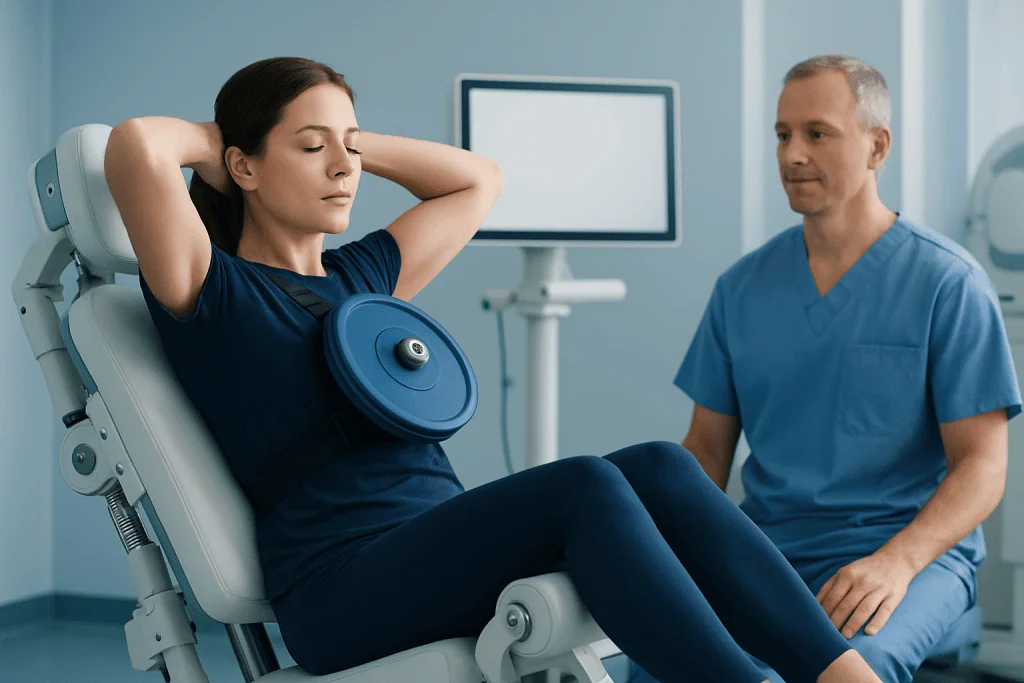
When used appropriately, weighted sit ups may improve the strength and endurance of muscles that flex the trunk. This may be useful for people who already tolerate basic abdominal exercises well and want a gradual training progression. Resistance training can also support general physical function when it is combined with aerobic activity, lower-body strengthening, mobility work and adequate recovery.
The exercise may help a person learn to control trunk movement under load. Yet exercise benefits depend on the individual’s starting level, training plan, overall health and consistency. A single exercise cannot fully train all aspects of core function, such as resisting rotation, maintaining posture during carrying, or stabilizing the spine during daily activities.
Weighted sit ups do not selectively burn fat from the stomach. It is common to notice stronger abdominal muscles without seeing a major change in waist shape. Changes in body fat are influenced by overall physical activity, eating patterns, sleep, stress, health conditions and, for some people, medications. A clinician or registered dietitian can offer individualized support where weight or nutrition is a concern.
For athletic performance, the most useful core exercises vary by sport and movement demands. Someone who runs, lifts, swims or plays a rotational sport may need a mix of flexion, extension, side-bending, anti-rotation and hip-strengthening exercises rather than relying on weighted sit ups alone.
How to Perform Weighted Sit Ups More Safely

Before adding load, a person should be able to perform comfortable, controlled body-weight sit ups or another basic abdominal exercise without neck or back pain. A light, easy-to-hold weight is generally a sensible starting point. Holding the load close to the chest usually places less leverage on the trunk and shoulders than reaching it overhead or away from the body.
To begin, lie on the back with knees bent and feet comfortably placed on the floor. Hold the weight securely against the upper chest. Gently brace the abdominal muscles, exhale while lifting the shoulder blades and trunk in a smooth motion, and avoid pulling the head forward. Return slowly rather than dropping down. The range of movement should remain comfortable; a full sit up is not required for every person.
Quality matters more than speed. Jerking upward, bouncing, holding the breath, forcing the neck forward or using a load that causes loss of control can reduce the value of the exercise and increase discomfort. Some people find it helpful to keep the chin slightly tucked as though holding a small object beneath it, while allowing the gaze to stay generally upward rather than toward the knees.
A gradual approach is advisable. It may be appropriate to start with a few controlled repetitions and allow at least a day of recovery before training the same muscles hard again. If technique changes noticeably near the end of a set, it is reasonable to stop rather than continue. A qualified exercise professional or physiotherapist can assess form and suggest an appropriate progression.
Possible Risks and Who Should Be Cautious
Weighted sit ups involve repeated bending of the spine while carrying resistance. This is well tolerated by many people, but it may aggravate symptoms in others, particularly if the exercise is rushed, heavily loaded or performed through pain. The hip flexors may also become overactive or tight in some people, contributing to discomfort at the front of the hips or in the lower back.
People with current or recurring low-back pain, neck pain, sciatica, spinal arthritis, disc-related symptoms or a previous spinal injury should seek individualized advice before starting loaded sit ups. A clinician may recommend a different exercise pattern, a smaller range of motion or a rehabilitation program. Persistent back symptoms should not be managed by simply pushing through exercise pain.
Extra caution is also appropriate after abdominal, pelvic, spinal or hernia surgery, and during recovery from childbirth. People who have pelvic-floor symptoms, including urine leakage, a feeling of pelvic heaviness or pain during exercise, should stop the movement and consult a healthcare professional. During pregnancy, the most appropriate abdominal exercise choices can change over time, so personalized advice from an obstetric clinician or pelvic-health physiotherapist is helpful.
Individuals with osteoporosis, a history of vertebral compression fracture, balance limitations, poorly controlled blood pressure, or a condition that affects movement or sensation should discuss exercise choices with their doctor. This does not mean that strengthening is unsafe; rather, the type, intensity and supervision should fit the person’s clinical needs.
Core Exercise Alternatives and Balanced Training
There are many ways to strengthen the trunk without performing weighted sit ups. A suitable alternative may depend on symptoms, goals and fitness level. Exercises that emphasize maintaining a stable spine, rather than repeatedly bending it, can be useful for people who find sit ups uncomfortable or who are developing foundational core control.
Examples include modified planks, side planks, bird-dog exercises, dead bugs, glute bridges and resistance-band presses that challenge the body to resist rotation. These movements can train the abdominal and back muscles in coordination with the hips and shoulders. They can often be adjusted by changing the position, range of movement, resistance or duration.
A balanced strength routine should also include major muscle groups beyond the abdomen. Lower-body exercises, pulling and pushing movements, and activities that develop balance and mobility all contribute to daily function. Regular walking, cycling, swimming or other aerobic activity can complement strength work and support cardiovascular health.
Recovery is part of training. Adequate sleep, hydration, nutrition and rest between demanding sessions support adaptation and may reduce the likelihood of overuse symptoms. New exercisers and people returning after a long break often benefit from increasing only one element at a time, such as repetitions, frequency or weight, instead of increasing everything at once.
When to Seek Medical Care
A person should stop weighted sit ups and seek medical advice if they develop severe or worsening back, neck, abdominal, hip or pelvic pain. Medical assessment is also important for pain that travels down a leg or arm, numbness, weakness, changes in bladder or bowel control, unexplained abdominal swelling, fever or pain after a significant fall or injury.
Non-urgent medical or physiotherapy advice can be helpful when discomfort repeatedly occurs during core exercises, when symptoms do not settle with rest and activity modification, or when there is uncertainty about returning to exercise after surgery, pregnancy or injury. An assessment can identify factors such as movement control, muscle weakness, joint problems or other causes of symptoms.
People with a known spine condition should follow the advice of their treating clinician. For example, a person being evaluated or treated for a herniated disc may need an exercise plan that avoids movements that reproduce leg pain or neurological symptoms. The right approach is individualized and may change as recovery progresses.
Making Weighted Sit Ups Part of a Safe Plan
Weighted sit ups are best viewed as one optional exercise, not a measure of fitness or a requirement for a strong core. A comfortable starting point, careful progression and attention to symptoms are usually more useful than comparing repetition counts or weight used. If the movement feels awkward, painful or difficult to control, another core exercise may be a better fit.
People with ongoing musculoskeletal symptoms may benefit from a structured assessment and physical therapy and rehabilitation. A physiotherapist can help determine which movements are appropriate, address technique and build a step-by-step return to activity that reflects a person’s goals and medical history.
Acibadem International’s multidisciplinary specialists and JCI-accredited hospitals support international patients who need assessment and treatment for musculoskeletal concerns or guidance on rehabilitation. A qualified healthcare professional can help ensure that exercise choices support health, function and confidence over time.
Frequently asked questions
Are weighted sit ups good for the abs?
Weighted sit ups can strengthen the rectus abdominis and improve muscular endurance when they are performed with controlled technique. They also recruit hip-flexor muscles, so they do not work the abdominal muscles in isolation. A balanced core program usually includes several types of trunk and hip exercises.
Do weighted sit ups burn belly fat?
No exercise can reliably target fat loss from one body area. Weighted sit ups may strengthen muscles beneath the abdominal area, but changes in body fat depend on overall activity, nutrition, sleep, health and other individual factors. Combining strength training with regular aerobic activity is generally more useful for overall health than relying on abdominal exercises alone.
How much weight should a person use for weighted sit ups?
The appropriate load varies according to fitness, technique, symptoms and training experience. A person should begin with a light load that can be held securely close to the chest while maintaining smooth, pain-free movement. If the weight causes straining, breath-holding, neck pulling or loss of control, it is too heavy for that exercise stage.
Are weighted sit ups bad for the lower back?
They are not automatically harmful, and many healthy people can perform them comfortably. However, the repeated spinal flexion and added resistance may worsen symptoms in people with certain back conditions or poor movement control. Anyone with recurring low-back pain should consider individualized medical or physiotherapy guidance before adding weight.
Can people with neck pain do weighted sit ups?
Neck pain during sit ups is a reason to pause the exercise and review technique. Pulling the head forward, fatigue and excessive resistance can contribute to neck strain. Alternative core exercises that keep the head supported and the neck more neutral may be more comfortable.
What are alternatives to weighted sit ups?
Useful alternatives include modified planks, side planks, dead bugs, bird-dog exercises, glute bridges and anti-rotation resistance exercises. The best choice depends on the person’s fitness level, symptoms and goals. A physiotherapist or qualified exercise professional can help select and progress exercises safely.
References
- American College of Sports Medicine
- World Health Organization
- National Institute of Arthritis and Musculoskeletal and Skin Diseases
- American Physical Therapy Association
This article is for general information only and is not a substitute for professional medical advice. Please consult a qualified doctor about your individual situation.
Joint and spine care in Turkey — expert assessment & treatment
JCI-accredited · board-certified surgeons · reply within 24h
Add us as a Preferred Source to see more of our trusted health content across Google Search, AI Overviews and Discover.
Check your numbers in seconds
BMI, calories, due date, blood pressure and 30+ more clinical calculators — free, instant, doctor-reviewed ranges.