Indy Clinton Ankle Weights: An Evidence-Based Guide for Patients

Ankle weights can add resistance to selected exercises, especially controlled strength or rehabilitation movements. They are generally less suitable for long walks, running, or high-impact exercise because they can alter movement patterns.
Key Takeaways
- Ankle weights can add resistance to selected exercises, especially controlled strength or rehabilitation movements.
- They are generally less suitable for long walks, running, or high-impact exercise because they can alter movement patterns.
- People with joint pain, prior injury, balance problems, or certain medical conditions should ask a clinician before using them.
- Starting with low weight, short sessions, and good technique helps reduce the risk of overuse injuries.
- Pain, swelling, numbness, or a change in gait are signs to stop and seek medical advice.
Indy Clinton ankle weights are often discussed as a simple way to make workouts harder, but their value depends on how they are used and who is using them. For many people, ankle weights can support strength training and rehabilitation when chosen carefully, while for others they may raise the risk of joint or tendon strain.
What are Indy Clinton ankle weights, and are they safe?
Indy Clinton ankle weights generally refer to the style of wearable ankle weights that have become popular on social media for home workouts, walking routines, and lower-body toning. In practical terms, they are small weighted cuffs worn around the ankles to add resistance during movement. They can be useful for some people, but they are not automatically beneficial for every workout or every body.
From a medical perspective, ankle weights are safest when used for controlled, low-impact exercises that target specific muscle groups. They can help make leg lifts, seated knee extensions, and certain rehabilitation exercises more challenging. However, they are more likely to cause strain when used during long walks, running, jumping, or any activity that already puts repeated load on the hips, knees, and ankles.
The key question is not whether ankle weights are “good” or “bad,” but whether they match the person’s health, fitness level, and goal. Someone recovering from injury may use them differently than someone trying to intensify a general fitness routine. Proper fit, low starting weight, and gradual progression matter more than trends or appearance.
How ankle weights affect the body
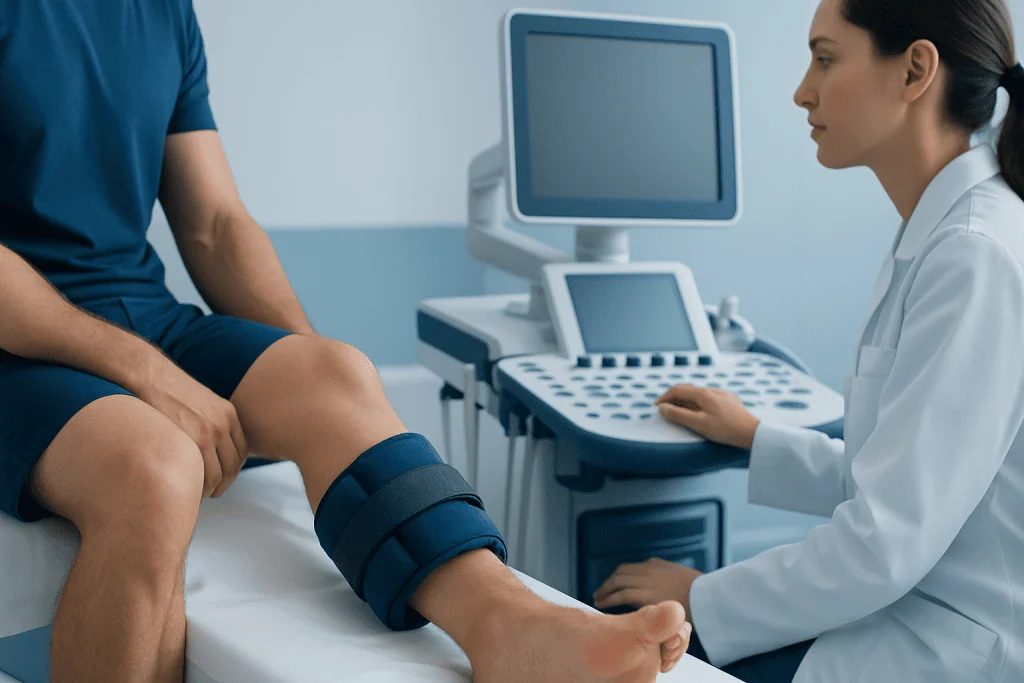
Ankle weights increase resistance by adding load to the lower leg. This means the muscles around the hips, thighs, and lower legs may have to work harder during certain movements. In a structured exercise plan, that added resistance can support strength and endurance gains over time.
At the same time, weight placed far from the body’s center changes the way the leg swings. This can increase stress on the hip flexors, knees, and ankle joints, especially during repetitive motion. For some people, the result is not stronger movement but altered form, fatigue, or pain.
Because of this, clinicians usually distinguish between targeted resistance exercise and weighted daily movement. Targeted exercise is more controlled and easier to monitor. Weighted daily movement, such as wearing ankle weights throughout a walk or while doing household tasks, may create unnecessary strain without clear added benefit.
If a person already has joint discomfort, instability, or a history of overuse injuries, the extra load may worsen symptoms. Concerns are especially relevant for people with prior arthritis, tendon problems, or an earlier ankle or knee injury.
Potential benefits and realistic limitations

Ankle weights may have a place in a balanced program when the goal is to increase resistance during specific lower-body exercises. They are sometimes used in physical therapy, gentle home exercise plans, and strength routines that focus on hip abduction, leg lifts, or controlled core and leg work. In those settings, they can provide a convenient option when resistance bands or machines are not available.
For some people, ankle weights can help improve muscle activation, especially when exercises are slow and supervised or clearly taught. They may also help maintain challenge in low-impact workouts for people who cannot tolerate heavier full-body resistance training. Rehabilitation teams may include carefully chosen weighted exercises as part of broader physical therapy and rehabilitation plans.
Still, ankle weights have limitations. They do not replace a full strength-training program, and they are not the best tool for every goal. They are less effective for improving overall cardiovascular fitness and may be a poor choice for functional movements if they cause compensation, poor posture, or a shortened stride.
Claims that ankle weights automatically “tone” the body or provide dramatic results should be viewed cautiously. Results depend on the total exercise plan, recovery, nutrition, and an individual’s health status. The safest approach is to treat them as one optional tool rather than an everyday necessity.
Who should be cautious or avoid them?
Ankle weights are not ideal for everyone. People with current ankle, knee, or hip pain should be especially careful, as extra resistance may aggravate symptoms. The same is true for anyone with swelling, reduced joint stability, or a recent sprain, strain, or surgery.
Extra caution is also sensible for older adults with balance concerns, people with nerve symptoms such as numbness or tingling, and those with conditions that affect gait. If the body is already compensating for weakness or pain, ankle weights can reinforce abnormal movement patterns rather than improve strength. Some people with chronic tendon irritation, back pain, or osteoporosis may also need a more individualized plan.
Pregnant individuals, people with circulation concerns, and those with significant deconditioning should seek tailored guidance before adding resistance to the lower limbs. A cuff that is too tight can be uncomfortable and may irritate skin or soft tissue, while a cuff that is too loose may shift and change movement mechanics.
If there is any doubt, evaluation by a clinician or rehabilitation professional is the safest next step. In some cases, other approaches such as supervised exercise, supportive footwear, or a personalized orthopedic rehabilitation program may be more appropriate.
How to use ankle weights more safely
Safer use starts with choosing the right activity. Ankle weights are generally better suited to controlled exercises than to walking long distances, jogging, or jumping. Movements should be smooth, deliberate, and stopped before form changes noticeably.
Starting with the lightest practical weight is important. A person should be able to complete the planned exercise without swinging the leg, leaning the trunk, or developing pain. If the exercise feels awkward or changes the person’s normal gait, the weight is likely too heavy or the exercise is not a good match.
Simple safety principles include:
- Use ankle weights for short, planned sessions rather than all-day wear.
- Check that the cuff fits securely without pinching or slipping.
- Warm up before exercise and stretch gently afterward if advised by a clinician.
- Stop if there is sharp pain, swelling, limping, or unusual fatigue.
- Progress gradually instead of increasing weight and duration at the same time.
People who want to build lower-body strength may also benefit from alternatives that distribute load more naturally, such as bodyweight exercises, resistance bands, or supervised strength work. For some, specialist support in sports injuries treatment can help identify the safest path back to activity after pain or recurrent strain.
When to seek medical care
Medical advice is appropriate if ankle weights cause pain that persists beyond mild temporary muscle fatigue. Joint pain, swelling, a sensation of instability, or a noticeable change in walking pattern should not be ignored. These symptoms may signal overuse, tendon irritation, or stress on an underlying problem.
A prompt assessment is also wise if there is sudden sharp pain, inability to bear weight, bruising, numbness, or weakness. These features can suggest a more significant injury and may require examination, imaging, or a structured rehabilitation plan. In some cases, clinicians may investigate related concerns such as ankle sprain or tendon overload.
People with ongoing symptoms despite rest or activity modification may benefit from review by an orthopedic, sports medicine, or rehabilitation specialist. Near the end of the care pathway, some international patients may seek assessment at Acibadem International, where multidisciplinary specialists in JCI-accredited hospitals diagnose and treat musculoskeletal and exercise-related conditions.
Practical self-care and healthier alternatives
For many people, the best long-term results come from a balanced routine rather than a single piece of fitness equipment. Walking, strength training, flexibility work, and recovery all contribute to joint health and function. If ankle weights are causing discomfort or do not feel natural, it is reasonable to stop using them and choose another method.
Low-impact alternatives include resistance bands, seated strengthening, Pilates-based leg work, pool exercise, and bodyweight movements such as bridges or side-lying leg raises. These options may offer similar training benefits with less stress on the joints when performed correctly. Supportive shoes and a gradual training schedule also make a meaningful difference.
Self-care after minor soreness may include rest from the aggravating activity, gentle movement, hydration, and monitoring symptoms over the next day or two. If symptoms steadily improve, a cautious return may be possible. If they persist, worsen, or recur, professional guidance is a better choice than pushing through pain.
Overall, indy clinton ankle weights can be a reasonable tool when used thoughtfully, but they are not essential for fitness or recovery. A patient-centered exercise plan is usually more effective and safer than following a trend without considering joint health, technique, and personal risk factors.
Frequently asked questions
Are indy clinton ankle weights good for walking?
They are not usually the best choice for routine walking, especially for long distances. Wearing ankle weights while walking can change gait mechanics and increase stress on the hips, knees, and ankles.
Can ankle weights help tone the legs?
They can add resistance to some leg exercises, which may support strength and muscle endurance. However, visible body changes depend on the full exercise program, overall activity, and individual factors, not on ankle weights alone.
Who should avoid ankle weights?
People with joint pain, recent injury, swelling, balance problems, or nerve symptoms should be cautious and may need medical advice first. They may also be unsuitable for some people with chronic orthopedic or mobility-related conditions.
What signs mean ankle weights are too heavy?
A weight may be too heavy if it causes swinging, limping, poor posture, or pain rather than normal muscle effort. Any exercise that changes natural movement significantly should be adjusted or stopped.
Are ankle weights useful in rehabilitation?
Sometimes, yes. In rehabilitation, they may be used for specific controlled exercises under clinical guidance, but they are usually only one part of a broader treatment plan.
Can ankle weights injure the knees or ankles?
They can contribute to strain if they are too heavy, used too long, or worn during repetitive impact activities. The risk is higher in people with underlying joint or tendon problems.
References
- American Academy of Orthopaedic Surgeons
- American College of Sports Medicine
- National Institute of Arthritis and Musculoskeletal and Skin Diseases
- National Health Service
- Mayo Clinic
This article is for general information only and is not a substitute for professional medical advice. Please consult a qualified doctor about your individual situation.
Joint and spine care in Turkey — expert assessment & treatment
JCI-accredited · board-certified surgeons · reply within 24h
Add us as a Preferred Source to see more of our trusted health content across Google Search, AI Overviews and Discover.