Skincare Routine: A Complete Medical Overview

A basic skincare routine usually includes cleansing, moisturizing, and daily sun protection. Products should be chosen according to skin type, symptoms, and any diagnosed skin condition.
Key Takeaways
- A basic skincare routine usually includes cleansing, moisturizing, and daily sun protection.
- Products should be chosen according to skin type, symptoms, and any diagnosed skin condition.
- Using too many active ingredients at once can irritate the skin barrier and worsen symptoms.
- Consistency matters more than having a long or expensive routine.
- Persistent rash, painful acne, skin infection, or changing moles should be assessed by a doctor.
A skincare routine is a practical, step-by-step way to keep skin clean, comfortable, and protected while addressing concerns such as dryness, acne, or sensitivity. The best routine is usually simple, consistent, and matched to a person’s skin type, daily habits, and any underlying skin condition.
Overview: What a Skincare Routine Really Means
A skincare routine is a regular plan for cleaning, hydrating, protecting, and, when needed, treating the skin. In most cases, it does not need to be complicated. A well-designed routine supports the skin barrier, reduces irritation from the environment, and helps manage concerns such as oiliness, dryness, uneven tone, sensitivity, or breakouts.
From a medical perspective, healthy skin care focuses on function as much as appearance. The skin acts as a barrier against water loss, germs, allergens, and physical irritation. When that barrier becomes damaged, the skin may feel tight, sting, flake, itch, or develop inflammation. A routine that is too harsh can worsen these problems, while a thoughtful one can help restore balance.
The most useful skincare routine is individualized. Age, skin type, climate, medications, workplace exposures, and conditions such as acne, eczema, or rosacea all influence what the skin needs. Rather than following trends, patients generally benefit more from a routine built around proven basics and adjusted gradually if symptoms or goals change.
The Core Steps in a Daily Routine
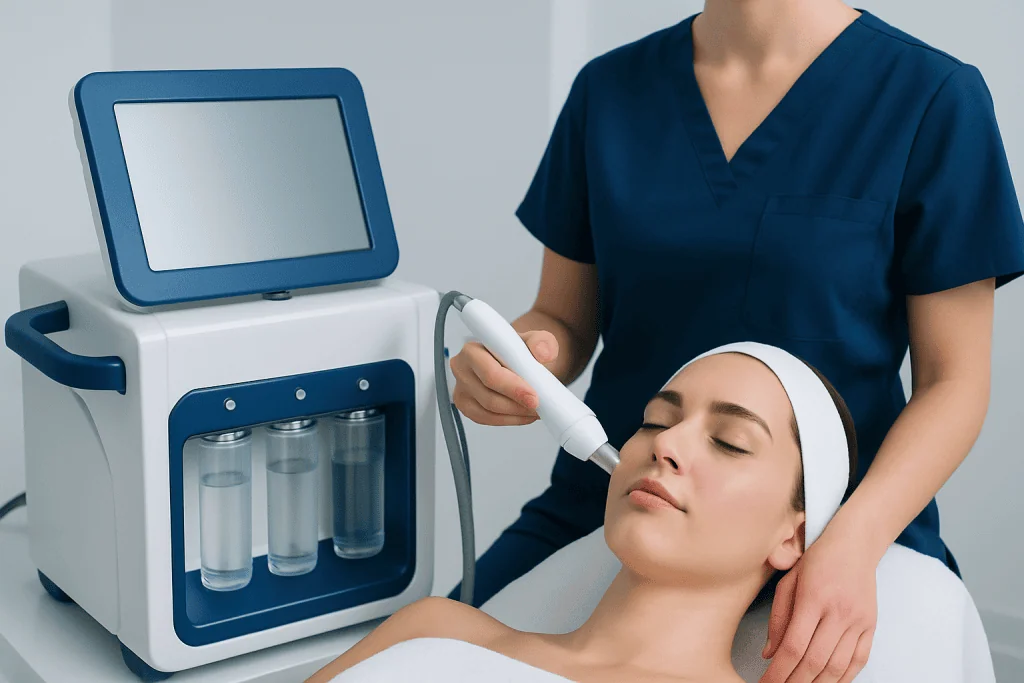
For most people, the essential steps are simple: cleanse, moisturize, and protect with sunscreen during the day. Cleansing removes sweat, oil, makeup, pollutants, and sunscreen residue. Moisturizer helps reduce dryness and supports the skin barrier. Sunscreen protects against ultraviolet damage, which contributes to sunburn, premature aging, discoloration, and skin cancer risk.
A morning routine is often lighter. Many people do well with a gentle cleanser, a moisturizer suited to their skin type, and a broad-spectrum sunscreen. In the evening, the focus is usually on cleansing away the day’s buildup and applying moisturizer or treatment products if needed.
Additional products can be useful, but they should have a clear purpose. These may include treatment ingredients for acne, pigment changes, or very dry skin. Adding too many products at once makes it difficult to know what is helping and increases the risk of irritation.
- Morning: gentle cleanse, moisturizer, sunscreen
- Evening: cleanse, targeted treatment if advised, moisturizer
- As needed: lip balm, hand cream, fragrance-free body moisturizer
How to Match a Skincare Routine to Skin Type

Skin type affects product choice, but it can also change over time. Oily skin may look shiny and be more prone to clogged pores. Dry skin often feels rough, tight, or flaky. Combination skin has both oily and dry areas, while sensitive skin reacts easily with burning, stinging, redness, or itching. Some people also have acne-prone or mature skin, which can overlap with any of these types.
People with oily or acne-prone skin usually benefit from non-comedogenic products and light moisturizers that do not feel heavy. Those with dry or sensitive skin often do better with cream-based cleansers and richer moisturizers containing barrier-supporting ingredients. Fragrance-free products are often preferred when the skin is reactive.
It is important to distinguish normal variation from a medical skin disorder. Redness on the cheeks, visible blood vessels, recurring bumps, or flushing may suggest rosacea rather than simple sensitivity. Itching, cracking, and recurrent inflamed patches may point to eczema or contact dermatitis. In these situations, routine skin care still matters, but treatment may also be needed.
Common Ingredients and How to Use Them Safely
Many over-the-counter skin care products contain active ingredients designed to target specific concerns. Humectants such as glycerin and hyaluronic acid attract water to the skin. Ceramides help support the skin barrier. Niacinamide can be useful for redness, barrier support, and uneven tone. Salicylic acid may help with oily skin and clogged pores, while retinoids are often used for acne and photoaging under medical guidance.
Even effective ingredients can irritate the skin if introduced too quickly. It is usually safer to add one new product at a time and use it for several weeks before making more changes. Strong exfoliants, scrubs, or combining multiple acids and retinoids may lead to burning, peeling, and increased sensitivity, especially in people with darker or reactive skin.
Patch testing can reduce the chance of a widespread reaction. A small amount of the product can be applied to a limited area for several days before using it more broadly. If a person has persistent acne, they may need evaluation for acne and advice on medical treatments, which can sometimes include acne treatment beyond basic over-the-counter care.
Skin Barrier Health, Lifestyle, and Environmental Factors
A medically sound skincare routine pays attention not only to products but also to the skin barrier. The barrier can be weakened by overwashing, hot water, frequent scrubbing, harsh soaps, cold weather, low humidity, smoking, stress, and repeated exposure to irritants at work or home. Signs of barrier disruption include burning after applying products, tightness, increased breakouts, and rough texture.
Simple habits can make a meaningful difference. Washing with lukewarm rather than hot water, keeping showers shorter, and applying moisturizer soon after bathing can help reduce water loss. Using gloves during cleaning or chemical exposure may protect the hands. Indoor humidification may be helpful in very dry climates or during winter.
Lifestyle also influences skin health. Sleep, nutrition, hydration, and stress management can affect inflammation, healing, and skin comfort. Although no routine can completely prevent all skin problems, combining gentle skin care with healthy daily habits often improves overall skin resilience and tolerance.
When a Routine Is Not Enough: Medical Diagnosis and Treatment
Some skin concerns do not improve with standard home care because they are medical conditions rather than cosmetic issues. Recurrent facial redness, painful cystic pimples, scaling around the nose or scalp, intense itching, hives, pigment changes, or sores that do not heal deserve proper assessment. A doctor may ask about triggers, medications, allergies, family history, hormone changes, and workplace or cosmetic exposures.
Diagnosis often begins with a skin examination and a review of symptoms and product use. In selected cases, tests may be needed, such as allergy patch testing, skin swabs, or biopsy. Treatment depends on the cause and may include prescription creams, oral medicines, anti-inflammatory therapy, or procedures. Some patients benefit from specialist-led dermatology care to develop a safe routine around their condition.
For selected concerns, doctors may also recommend procedural options alongside medical skin care. Examples include supervised chemical peel treatments for specific pigment or texture issues or other office-based therapies when appropriate. Near the end of the care pathway, Acibadem International’s multidisciplinary specialists and JCI-accredited hospitals also diagnose and treat skin conditions for international patients.
Prevention and Self-Care Tips for Healthier Skin
Prevention in skin care is usually about consistency and protection. Daily sunscreen is one of the most important steps, even on cloudy days, because ultraviolet exposure accumulates over time. Reapplying sunscreen when outdoors for extended periods is often necessary. Protective clothing, hats, and shade are also helpful, especially during peak sunlight hours.
It is generally wise to avoid over-exfoliating, picking at blemishes, and changing products too often. Makeup and skin care tools should be kept clean, and products should not be shared when infection is possible. Individuals with sensitive skin may do best with fragrance-free, alcohol-free, and dye-free products whenever possible.
- Choose a gentle cleanser that does not leave the skin tight or burning.
- Use moisturizer every day, including on oily skin if dryness is present.
- Apply broad-spectrum sunscreen as part of the morning routine.
- Introduce active ingredients slowly and one at a time.
- Stop products that cause significant burning, swelling, or rash.
- Seek medical advice before self-treating severe or persistent symptoms.
When to Seek Medical Care
Medical care is appropriate when skin symptoms are painful, spreading, recurrent, or interfering with daily life. A person should consider seeing a doctor if they develop severe acne, signs of infection such as pus or warmth, eczema that does not respond to moisturizers, sudden swelling, widespread rash, or persistent itching. Skin changes after starting a new product can also require assessment, especially if the reaction is intense.
Evaluation is also important for moles or spots that change in size, shape, color, or begin bleeding, as well as sores that do not heal. Children, older adults, pregnant patients, and people with chronic illnesses may need earlier medical review because their skin may be more vulnerable or treatment choices may differ.
Prompt care can help identify the cause, prevent complications, and create a routine that supports treatment rather than aggravating the problem. A qualified doctor or dermatologist can help decide which products are appropriate, which ingredients to avoid, and whether a prescription or procedure is needed.
Frequently asked questions
What is the best basic skincare routine?
For most people, the best basic skincare routine includes a gentle cleanser, a moisturizer, and broad-spectrum sunscreen in the morning. In the evening, cleansing and moisturizing are often enough, with treatment products added only if needed. A simple routine is usually easier to follow and less likely to irritate the skin.
How can someone tell their skin type?
Skin type can often be estimated by how the skin feels a few hours after washing. Oily skin tends to become shiny, dry skin feels tight or flaky, combination skin has both oily and dry areas, and sensitive skin stings or reddens easily. If symptoms are persistent or unclear, a dermatologist can help distinguish skin type from a skin disorder.
Is sunscreen necessary every day?
Yes, daily sunscreen is generally recommended because ultraviolet exposure can occur even on cloudy days and through routine outdoor activity. Regular use helps protect against sunburn, discoloration, and long-term skin damage. It is especially important when using products that increase sun sensitivity.
Can too many skincare products damage the skin?
Yes, using too many products or several active ingredients together can disrupt the skin barrier. This may cause burning, peeling, redness, dryness, or even more breakouts. Introducing one product at a time is a safer way to build a routine.
How long does it take for a skincare routine to work?
Some benefits, such as improved comfort and hydration, can appear within days to a few weeks. Concerns like acne, pigmentation, or texture usually take longer and may need several weeks or months of consistent care. If symptoms worsen or do not improve, medical advice is appropriate.
When should acne, redness, or itching be checked by a doctor?
A doctor should assess symptoms that are severe, painful, recurrent, spreading, or not improving with gentle home care. Medical review is also important if there is swelling, infection, bleeding, or a rash after using a product. Early diagnosis can help prevent complications and guide safer treatment.
References
- American Academy of Dermatology
- National Institute of Arthritis and Musculoskeletal and Skin Diseases
- British Association of Dermatologists
- World Health Organization
- American Academy of Family Physicians
This article is for general information only and is not a substitute for professional medical advice. Please consult a qualified doctor about your individual situation.
Explore treatments in Turkey — costs, top hospitals & a free quote
JCI-accredited · board-certified surgeons · reply within 24h
Add us as a Preferred Source to see more of our trusted health content across Google Search, AI Overviews and Discover.