Fibroids: What Patients Need to Know

Fibroids are benign uterine growths and are not the same as cancer. Some fibroids cause no problems, while others may lead to bleeding, pressure, pain, or reproductive symptoms.
Key Takeaways
- Fibroids are benign uterine growths and are not the same as cancer.
- Some fibroids cause no problems, while others may lead to bleeding, pressure, pain, or reproductive symptoms.
- Diagnosis often combines a pelvic exam with ultrasound or other imaging tests.
- Treatment depends on symptoms, fibroid size and location, age, and future pregnancy plans.
- Medical review is important for heavy bleeding, anemia symptoms, pelvic pain, or rapid abdominal enlargement.
Fibroids are common, noncancerous growths that develop in or around the uterus. Many cause no symptoms, but some can lead to heavy periods, pelvic pressure, pain, urinary symptoms, or fertility and pregnancy-related concerns.
Overview: What fibroids are and why they matter
Fibroids are noncancerous growths made of muscle and connective tissue that develop in or around the uterus. They are also called uterine fibroids or leiomyomas. Many people with fibroids never know they have them, because small fibroids often do not cause symptoms and may be found only during a routine pelvic exam or imaging test.
When symptoms do occur, they can affect daily comfort, menstrual bleeding, bladder or bowel habits, and sometimes fertility or pregnancy. The effect depends less on the name of the condition and more on the number, size, and location of the fibroids. A small fibroid inside the uterine cavity may cause significant bleeding, while a larger fibroid on the outside of the uterus may mainly cause pressure.
Fibroids are common during the reproductive years and often grow under the influence of hormones such as estrogen and progesterone. They are benign, which means they are not uterine cancer. However, because other gynecologic conditions can cause similar symptoms, persistent bleeding, pain, or pressure should be assessed by a qualified doctor.
How fibroids can feel: common symptoms and possible complications
Fibroids may cause a wide range of symptoms, and some people have none at all. The most common concerns are changes in menstrual bleeding, especially periods that are heavier, longer, or more frequent than usual. Passing clots, needing to change pads or tampons often, or developing fatigue from blood loss can all be signs that fibroids are affecting quality of life.
Pressure-related symptoms are also common. Depending on where the fibroid grows, a person may feel pelvic fullness, lower abdominal swelling, back discomfort, pain during sex, constipation, or frequent urination. In some cases, the uterus becomes enlarged enough to create a visible or palpable abdominal fullness.
Possible symptoms and complications include:
- Heavy or prolonged menstrual bleeding
- Pelvic pressure, cramping, or pain
- Frequent urination or trouble emptying the bladder fully
- Constipation or rectal pressure
- Pain during intercourse
- Anemia related to chronic blood loss
- Difficulty becoming pregnant in selected cases
- Pregnancy complications in some patients
Not every fibroid causes reproductive problems. Still, fibroids that distort the uterine cavity may interfere with implantation, increase miscarriage risk, or contribute to infertility in some people. A doctor may also evaluate for other conditions that can overlap with fibroids, such as endometriosis or adenomyosis, especially when pelvic pain is a major feature.
Why fibroids develop: causes, types, and risk factors
The exact cause of fibroids is not fully understood. Research suggests they arise from a single uterine muscle cell that begins to grow abnormally under hormonal and genetic influences. Estrogen and progesterone appear to support fibroid growth, which helps explain why fibroids are most common during reproductive years and often shrink after menopause.
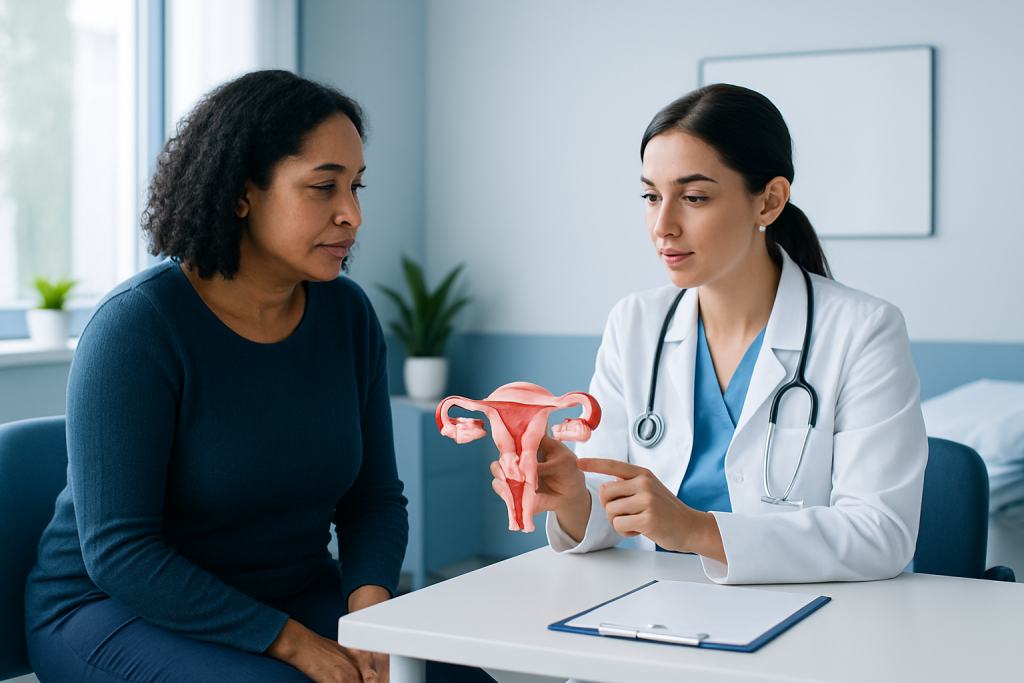
Doctors often classify fibroids by location because location strongly affects symptoms and treatment choices. Intramural fibroids grow within the uterine wall, submucosal fibroids bulge into the uterine cavity and are more likely to cause bleeding or fertility issues, and subserosal fibroids project outward from the uterus and may cause pressure symptoms. Some fibroids are attached by a stalk, which is called pedunculated.
Several factors can increase the likelihood of developing fibroids. These include a family history of fibroids, increasing age during the reproductive years, and early onset of menstruation. Hormonal exposure and body weight may also play a role. Fibroids are common and do not mean that someone did something wrong; they are part of a complex interaction between genetics, hormones, and uterine tissue biology.
How fibroids are diagnosed
Diagnosis begins with a medical history and pelvic examination. A doctor will ask about bleeding patterns, pain, pressure symptoms, fertility goals, and any signs of anemia such as fatigue, shortness of breath on exertion, or dizziness. This conversation helps determine how strongly the fibroids are affecting day-to-day life and whether other conditions should also be considered.
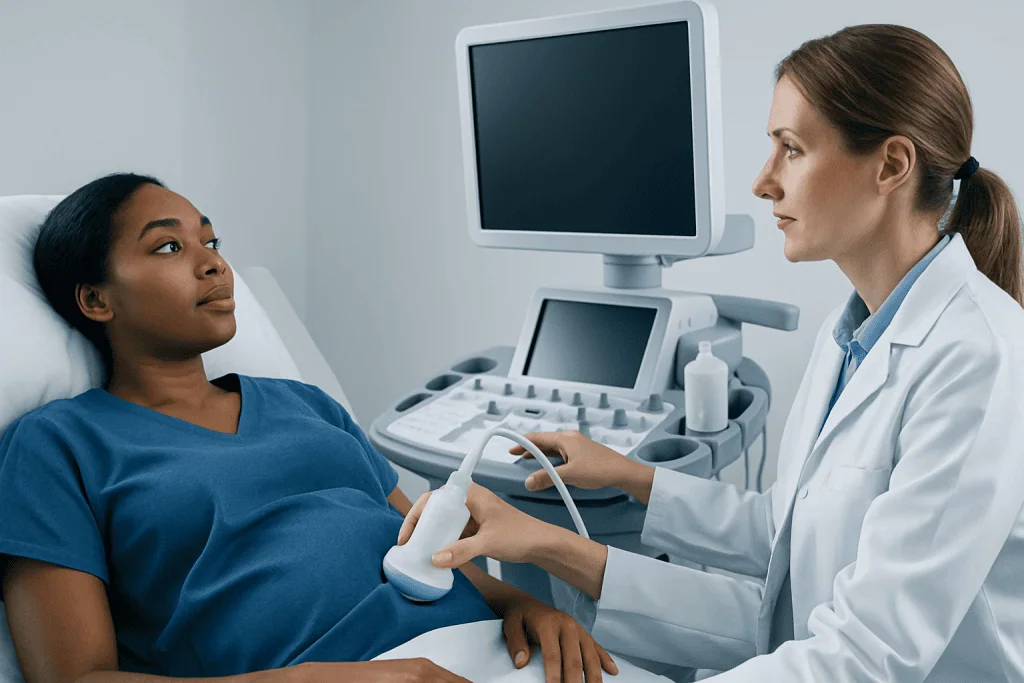
Ultrasound is often the first imaging test used to confirm fibroids and estimate their size and location. It is widely available, does not use radiation, and can be performed through the abdomen or vagina. In some cases, magnetic resonance imaging may be recommended for more detailed mapping, especially when planning a procedure or when the diagnosis is uncertain.
Additional tests may help clarify the impact of fibroids or exclude other causes of symptoms. Blood tests can check for anemia from heavy bleeding. A hysteroscopy may be used to look inside the uterus if a submucosal fibroid is suspected. Some patients are also evaluated in relation to fertility concerns, with a workup that may include fertility assessment and IVF-related planning when appropriate.
Treatment options: observation, medicines, and procedures
Treatment for fibroids is individualized. If fibroids are small and do not cause symptoms, careful observation may be all that is needed. Follow-up may include repeat imaging or symptom review over time. Treatment becomes more important when fibroids cause heavy bleeding, pain, pressure, anemia, infertility concerns, or repeated pregnancy complications.
Medication can help control symptoms, though it does not always remove fibroids permanently. Options may include pain relievers for cramping, hormonal therapies to reduce bleeding, or medicines that temporarily shrink fibroids in selected cases. These approaches can be useful before surgery, around menopause, or for patients who want to delay a procedure.
When symptoms are significant, procedures may be considered. Myomectomy removes fibroids while leaving the uterus in place and may be preferred by those who wish to preserve fertility. Hysterectomy removes the uterus and is the definitive treatment for fibroids in patients who do not want future pregnancy. Depending on the fibroid pattern and the patient’s goals, specialists may also discuss minimally invasive approaches, including robotic surgery or hysteroscopy for fibroids that extend into the uterine cavity.
The best treatment depends on symptom severity, fibroid location, age, overall health, and reproductive plans. A gynecologist can explain the potential benefits and limitations of each approach, including recovery time and the chance that symptoms could return after uterus-preserving treatment.
Living with fibroids: self-care, monitoring, and daily wellbeing
Self-care does not replace medical treatment, but it can help people manage symptoms and feel more in control while decisions are being made. Tracking menstrual flow, pain, urinary symptoms, and cycle-related changes can be useful during appointments. If heavy bleeding is present, it is especially important to monitor for possible anemia, including unusual tiredness, weakness, headaches, or reduced exercise tolerance.
General healthy habits may support overall wellbeing. A balanced diet, regular movement, hydration, and enough sleep can help the body cope with symptoms. Some people benefit from practical strategies such as carrying menstrual supplies, planning rest during heavier days, or using heating pads for cramps. Iron-rich foods may be helpful for those with blood loss, though iron supplements should be guided by a clinician when anemia is suspected.
Because symptoms can overlap with other conditions, ongoing communication with a doctor matters. New pain, worsening bleeding, or fertility concerns should not be managed with self-care alone. In multidisciplinary settings such as Acibadem International, specialists in gynecology, imaging, minimally invasive procedures, and reproductive medicine work together in JCI-accredited hospitals to diagnose and treat fibroids for international patients when needed.
When to seek medical care
Medical review is advisable if periods become much heavier or longer than usual, if pelvic pain or pressure is persistent, or if abdominal enlargement is noticeable. A person should also seek care if symptoms begin to interfere with work, sleep, exercise, or sexual wellbeing. Even when fibroids are already known, a change in symptoms may mean that reassessment is needed.
Urgent medical attention is important for very heavy bleeding, fainting, severe dizziness, chest discomfort, or shortness of breath, as these can suggest significant blood loss or another serious problem. Sudden severe pelvic pain also deserves prompt assessment, particularly if it is accompanied by nausea, fever, or vomiting.
People trying to conceive, those with repeated miscarriage, or pregnant patients with known fibroids should discuss management with their doctor early. In these situations, a specialist may evaluate whether the fibroids are likely to affect fertility, implantation, or pregnancy monitoring and whether treatment before pregnancy would be helpful.
Frequently asked questions
Are fibroids cancer?
Fibroids are benign growths, which means they are not cancer. They develop from muscle and connective tissue in the uterus. Although fibroids themselves are noncancerous, any unusual bleeding or rapid symptom change should still be assessed by a doctor.
Can fibroids go away on their own?
Some fibroids stay stable for years, and some may shrink over time, especially after menopause. Others can grow and begin causing symptoms. Regular follow-up helps determine whether observation is enough or treatment is needed.
Do all fibroids need treatment?
No. Fibroids that do not cause symptoms often do not need active treatment and may simply be monitored. Treatment is usually considered when fibroids cause heavy bleeding, pain, pressure, anemia, or fertility or pregnancy-related concerns.
Can fibroids affect fertility?
They can in some cases, but not all fibroids interfere with fertility. Fibroids that change the shape of the uterine cavity are more likely to affect implantation or increase miscarriage risk. A fertility specialist or gynecologist can assess whether a fibroid is likely to be relevant.
What is the best treatment for fibroids?
There is no single best treatment for everyone. The right choice depends on symptoms, fibroid location and size, age, general health, and whether future pregnancy is desired. Options can range from monitoring to medication or surgery.
Can fibroids come back after treatment?
They can recur after uterus-preserving treatments such as myomectomy, because new fibroids may develop over time. A hysterectomy removes the uterus and therefore prevents fibroids from returning. Doctors discuss recurrence risk when helping patients choose a treatment plan.
This article is for general information only and is not a substitute for professional medical advice. Please consult a qualified doctor about your individual situation.
IVF & fertility treatment in Turkey — success rates and costs
JCI-accredited · board-certified surgeons · reply within 24h
Add us as a Preferred Source to see more of our trusted health content across Google Search, AI Overviews and Discover.

More from the Health Library

Talking to Yourself: What Patients Need to Know

Full Mouth Debridement: An Evidence-Based Guide for Patients

Dermoid Cyst Ovary: What Patients Need to Know

Hyperventilation: A Complete Medical Overview

Nipp Les: What Patients Need to Know