Sleep Paralysis: What Patients Need to Know

Sleep paralysis happens during transitions into or out of sleep, when the body’s normal REM muscle relaxation continues briefly after awareness returns. Episodes can include chest pressure, vivid dream-like hallucinations, or a sense of being watched, which can make the experience feel intense but not usually harmful.
Key Takeaways
- Sleep paralysis happens during transitions into or out of sleep, when the body’s normal REM muscle relaxation continues briefly after awareness returns.
- Episodes can include chest pressure, vivid dream-like hallucinations, or a sense of being watched, which can make the experience feel intense but not usually harmful.
- Irregular sleep, sleep deprivation, stress, and sleeping on the back may increase the chance of episodes.
- Frequent or disruptive sleep paralysis may be associated with conditions such as narcolepsy and should be assessed by a doctor.
- Improving sleep habits and getting evaluated for underlying sleep disorders can reduce recurrence.
Sleep paralysis is a short episode in which a person is awake or partly awake but cannot move or speak. It is often frightening, yet it usually ends on its own within seconds to minutes and does not usually signal a dangerous medical emergency.
Overview
Sleep paralysis is a brief period when a person cannot move or speak as they are falling asleep or waking up. During the episode, they may be fully aware of the room around them, partly aware, or moving in and out of dream-like perception. Although the experience can be very distressing, it usually passes on its own within a short time.
This event is linked to rapid eye movement, or REM, sleep. In REM sleep, the brain is active and dreaming often occurs, while most skeletal muscles are temporarily relaxed to prevent the body from acting out dreams. Sleep paralysis happens when this normal muscle relaxation overlaps with wakefulness for a short time.
Many people have only one or a few episodes in their lifetime. Others may experience repeated episodes, especially during times of sleep loss, emotional stress, or irregular schedules. Because symptoms can feel dramatic, patients often worry that something serious has happened, but in many cases sleep paralysis is a benign sleep phenomenon rather than a sign of permanent neurologic disease.
What Sleep Paralysis Feels Like
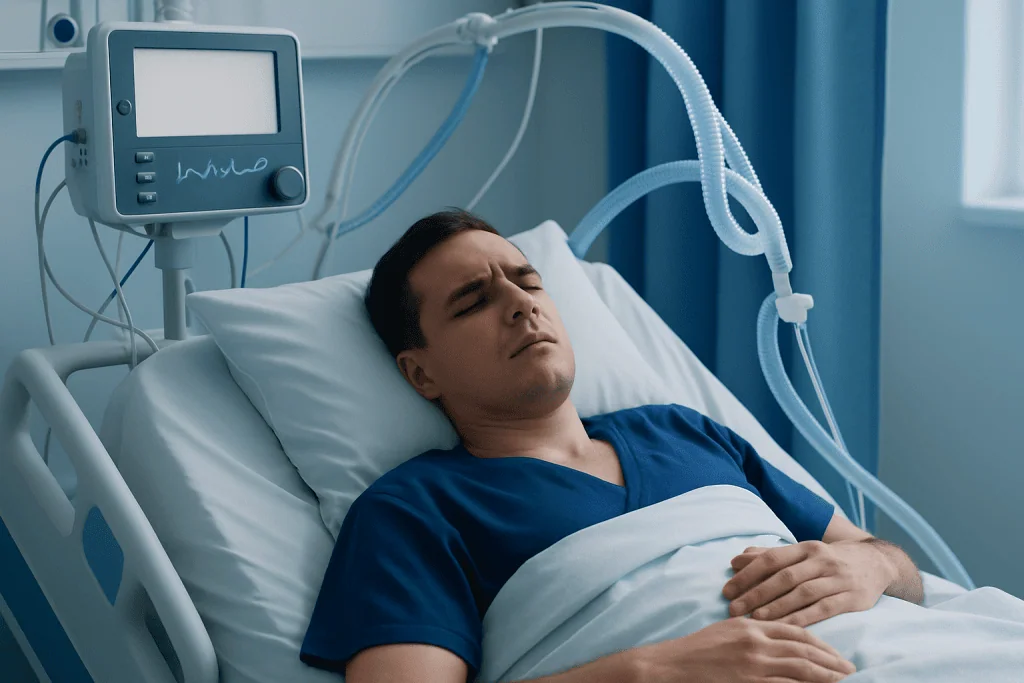
The main feature of sleep paralysis is being unable to move voluntary muscles despite feeling awake. A person may try to call out, lift an arm, or sit up, but find that the body does not respond right away. Breathing continues automatically, though it may feel shallow or difficult because the chest muscles are still in a relaxed sleep state.
Some people also experience vivid sensory events called hallucinations, but these are not signs of psychosis. They are dream-related perceptions that intrude into wakefulness. The person may sense a presence in the room, hear sounds, see shapes or figures, or feel pressure on the chest. These experiences are common in sleep paralysis and help explain why episodes can feel so real and frightening.
Episodes usually last a few seconds to a few minutes and then stop suddenly. Afterward, some people feel anxious, embarrassed, or reluctant to go back to sleep. Others notice that the same pattern repeats during naps, periods of jet lag, or after an unusually late bedtime.
- Inability to move or speak briefly
- Awareness during the episode
- Chest pressure or a sensation of breathlessness
- Dream-like visual, auditory, or tactile hallucinations
- Fear, panic, or confusion that resolves after the episode ends
Causes and Risk Factors

Sleep paralysis does not have a single cause. It is best understood as a mismatch between brain wakefulness and the body’s REM-related muscle relaxation. This overlap is more likely when sleep timing is disrupted or the brain is under stress from poor-quality sleep.
Common triggers include sleep deprivation, an inconsistent sleep schedule, shift work, jet lag, and sleeping on the back. Emotional stress and anxiety may also make episodes more likely. In some people, there may be a family tendency, suggesting that individual differences in sleep regulation can play a role.
Sleep paralysis can also occur alongside other sleep conditions. It is particularly important to consider narcolepsy when episodes are frequent or accompanied by overwhelming daytime sleepiness, sudden loss of muscle tone triggered by emotion, vivid dream experiences at sleep onset, or disrupted nighttime sleep. Other sleep problems, including insomnia and obstructive sleep apnea, may contribute by fragmenting sleep and increasing REM instability.
Less commonly, certain mental health conditions such as panic disorder or post-traumatic stress may overlap with sleep paralysis experiences, especially when sleep is poor. This does not mean the episode is “all in the mind”; rather, sleep and emotional health affect each other closely. A careful medical history helps identify whether sleep paralysis is occurring on its own or as part of a broader sleep issue.
How Doctors Diagnose Sleep Paralysis
Diagnosis usually starts with a detailed description of the episodes. A doctor may ask when they happen, how long they last, whether there are hallucinations, how often they occur, and whether there is daytime sleepiness or other sleep-related symptoms. In many cases, this history is enough to recognize isolated sleep paralysis.
Keeping a sleep diary can be helpful. Tracking bedtime, wake time, naps, caffeine use, shift changes, and episode timing may show a pattern. If symptoms suggest an underlying sleep disorder, the doctor may recommend a fuller sleep evaluation by a specialist in sleep medicine.
Some patients may need overnight testing, especially if there are signs of sleep apnea, unusual nighttime behaviors, or marked daytime sleepiness. A sleep study and related assessments can help distinguish isolated sleep paralysis from disorders such as sleep apnea or narcolepsy. The goal is not only to confirm the diagnosis but also to identify treatable factors that may be increasing episodes.
Because people can describe sleep paralysis in many ways, clear communication matters. Some worry they are having seizures, a stroke, or a psychiatric illness. A doctor considers these possibilities when symptoms do not fit the usual pattern, but classic sleep paralysis is typically recognized by its brief duration, close connection to sleep transitions, preserved awareness, and full recovery afterward.
Treatment and Management
For occasional sleep paralysis, reassurance is often an important part of care. Understanding that the episode is temporary and usually harmless can reduce fear and help break the cycle in which anxiety itself worsens sleep. Treatment focuses first on identifying triggers and improving sleep quality.
When an underlying sleep disorder is present, treating that condition may reduce or stop episodes. A person with significant snoring, witnessed pauses in breathing, or daytime fatigue may benefit from assessment and management of obstructed breathing during sleep. Patients with excessive daytime sleepiness or symptoms suggestive of narcolepsy may need specialist evaluation and targeted therapy.
Medication is not needed for most people. In selected cases, a sleep specialist may consider treatment if episodes are frequent, severe, or linked to another diagnosed sleep condition. Care is individualized and based on the person’s sleep history, overall health, and the impact on daily life.
Patients who need further evaluation may be referred for neurology or specialist sleep care. Near the end of the care pathway, it may also be useful to know that Acibadem International’s multidisciplinary specialists in JCI-accredited hospitals evaluate and treat sleep-related conditions for international patients when a broader assessment is needed.
Prevention and Self-care
Many people can reduce sleep paralysis episodes by improving sleep regularity. Going to bed and waking up at consistent times, including on weekends, helps stabilize sleep stages. Protecting enough time for sleep is especially important, since sleep deprivation is one of the clearest triggers.
Good sleep habits can also lower the chance of recurrence. These include limiting caffeine late in the day, reducing alcohol close to bedtime, and creating a dark, quiet, comfortable sleep environment. If episodes tend to happen while lying on the back, changing sleep position may help some people.
Stress management matters as well. Relaxation exercises, mindfulness, and treatment for anxiety or insomnia can improve sleep continuity. If a person notices that episodes happen after long periods of stress, exams, shift changes, or travel, planning extra sleep and a more gradual schedule adjustment may be useful.
- Keep a regular sleep-wake schedule
- Aim for adequate sleep every night
- Limit sleep disruption from screens, caffeine, and alcohol
- Manage stress and seek help for anxiety or insomnia when needed
- Discuss frequent episodes with a qualified doctor rather than self-diagnosing
When to Seek Medical Care
Most isolated episodes do not require urgent care, but medical advice is appropriate if sleep paralysis happens repeatedly, causes major distress, or interferes with sleep. It is also important to seek assessment if there is strong daytime sleepiness, sudden weakness triggered by laughter or emotion, loud snoring, witnessed pauses in breathing, or unusual movements during sleep. These clues may point to an underlying sleep disorder that deserves treatment.
A doctor should also be consulted if symptoms are new and the diagnosis is uncertain. For example, prolonged confusion, weakness that persists after the episode, loss of consciousness, or symptoms occurring fully outside sleep transitions are not typical for sleep paralysis and need medical review. Seeking professional guidance can provide reassurance and help rule out other conditions.
If episodes are frequent or complex, a specialist in sleep disorders treatment may be helpful. Prompt evaluation can clarify whether the problem is isolated sleep paralysis or part of a broader condition and can guide practical steps to improve both sleep quality and daytime functioning.
Frequently asked questions
Is sleep paralysis dangerous?
Sleep paralysis is usually not dangerous and often ends on its own within seconds or minutes. Even though it can feel intense, most episodes do not cause physical harm. Repeated episodes, however, should be discussed with a doctor to check for an underlying sleep disorder.
Why does sleep paralysis feel like someone is in the room?
This can happen because dream-related imagery overlaps with wakefulness. During sleep paralysis, the brain may still generate vivid sensory experiences even though the person is becoming aware of the real environment. That is why the sensation can feel very realistic.
Can stress cause sleep paralysis?
Stress can increase the likelihood of sleep paralysis, especially when it disrupts sleep quality or leads to sleep deprivation. It is not always the only cause, but it is a common contributing factor. Managing stress may help reduce episodes.
Is sleep paralysis the same as a nightmare?
Not exactly. A nightmare happens during sleep, while sleep paralysis occurs during the transition into or out of sleep and includes temporary inability to move. The two can overlap because dream-like images may continue into wakefulness.
Does sleeping position matter?
For some people, episodes happen more often when sleeping on the back. This is not true for everyone, but changing position may help reduce recurrence in certain cases. Keeping a sleep diary can help identify personal patterns.
When should someone worry that it might be narcolepsy?
Narcolepsy may be considered when sleep paralysis occurs along with strong daytime sleepiness, sudden episodes of muscle weakness triggered by emotion, or vivid dream experiences when falling asleep. These features do not confirm narcolepsy on their own, but they should prompt medical assessment. A sleep specialist can decide whether further testing is needed.
References
- American Academy of Sleep Medicine
- National Institute of Neurological Disorders and Stroke
- National Heart, Lung, and Blood Institute
- Mayo Clinic
- Cleveland Clinic
This article is for general information only and is not a substitute for professional medical advice. Please consult a qualified doctor about your individual situation.
Explore treatments in Turkey — costs, top hospitals & a free quote
JCI-accredited · board-certified surgeons · reply within 24h
Add us as a Preferred Source to see more of our trusted health content across Google Search, AI Overviews and Discover.